India-Israel Investment Agreement Talks Aim to Boost Capital Flows
Discussions on a bilateral investment agreement between India and Israel signal a push to broaden economic ties beyond defence and technology, promising clearer rules and greater confidence for investors on both sides.
The NE Times Business Desk
Commentary & Analysis ·

India and Israel are talking about money — not weapons systems or startup accelerators, but the legal plumbing of investment itself. Reports that the two countries are discussing a bilateral investment agreement have drawn fresh attention to an economic relationship usually framed through defence and technology.
For companies and investors on both sides, the question is what such a pact could actually change. The answer lies in predictability: investment agreements set out the rules of the road for foreign capital long before any dispute arises.
What an investment agreement actually does
These treaties are technical documents with a practical purpose. They define protections for investors, establish how disputes are handled and give long-term capital the confidence to commit. For India, the framework matters because New Delhi wants to attract foreign investment while preserving its own policy space — a balance it has been recalibrating since overhauling its model treaty. For Israel, India offers scale: a vast market for its strengths in technology, agriculture, water management, defence-adjacent innovation and manufacturing partnerships.
Beyond the security lens
The talks are notable for what they say about the relationship's direction. India-Israel coverage tends to centre on security cooperation; a capital-flows agreement shifts the spotlight toward business, innovation and supply chains, giving the partnership a more diversified public profile.
The substance will live in the details — the final treaty language, the protections offered, the exclusions carved out and the dispute-resolution mechanism chosen. Until those are settled, this is best read as a policy direction with real commercial potential rather than a completed transformation.
The NE Times View
This is the kind of unglamorous diplomacy that ultimately matters more than photo opportunities. India's cautious approach to investment treaties is understandable after past arbitration battles, but caution should not become paralysis: investors read the absence of a framework as risk, and risk carries a price. If New Delhi can strike a deal with Israel that protects genuine regulatory space while giving capital enforceable assurances, it creates a template for other mid-sized partners. For Indian businesses eyeing Israeli deep tech — and for states courting Israeli investment in water and agriculture — the sooner the fine print arrives, the better.
This article is original commentary and analysis by The NE Times. Background facts were referenced from Business Standard, the Ministry of Commerce and Industry, and Reuters India.
You may also like to read

India-Israel Investment Pact Takes Effect With Investor Safeguards
The India-Israel bilateral investment agreement has formally come into force, replacing an earlier accord and promising stronger investor protection, clearer dispute-resolution rules and greater confidence for businesses in both countries.
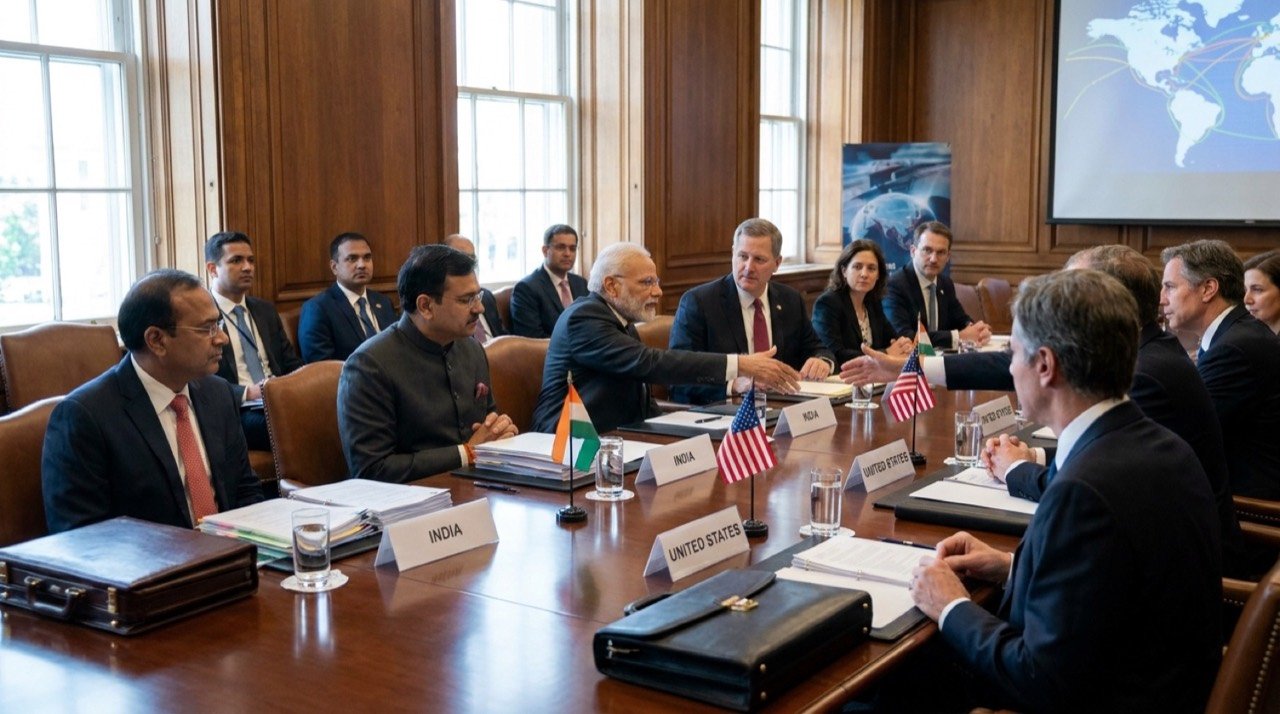
India-US Trade Talks Put Export Gains and Domestic Safeguards in Focus
As India weighs preferential access for the United States, Commerce Minister Piyush Goyal vows to protect national interest while Congress warns a hurried pact could hurt farmers and small producers.

India-Israel Investment Pact Takes Effect, Opening New Capital Doors
The bilateral investment agreement between India and Israel has come into force, giving investors in both countries clearer protections and a formal framework for deeper commercial cooperation.

Fairfax India's $1 Billion Government Bond Purchase Puts IDBI Stake Bid in Focus
Fairfax India has reportedly bought nearly $1 billion in Indian government bonds, a capital move widely read as positioning ahead of a possible bid for a stake in IDBI Bank.
More from this section
More
Adani Case: US DOJ Pushes for Permanent Dismissal of Charges
The US Department of Justice has urged a judge to permanently dismiss charges against Gautam Adani, calling the case legally flawed — a reversal with consequences for markets, diplomacy and cross-border enforcement.

Akasa Air Inducts 40th Aircraft in Indian Aviation Scale-Up
Akasa Air's 40th aircraft, ferried to Bengaluru via Seattle, Reykjavik and Cairo, marks a fleet milestone for the young carrier and a fresh signal that India's aviation market remains firmly in expansion mode.
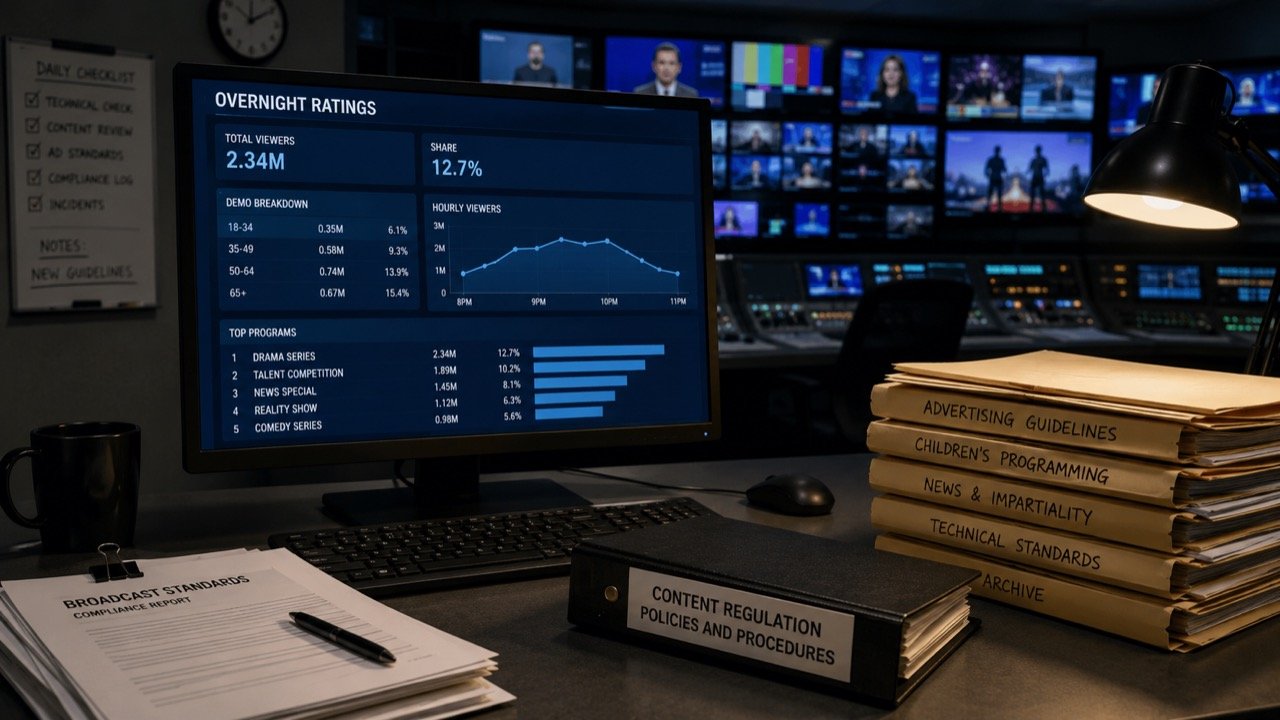
BARC Ratings Suspension Leaves Indian TV Industry Flying Blind
BARC's pause on television ratings has put India's broadcast measurement system under fresh scrutiny, leaving broadcasters, advertisers and media planners without the weekly audience data that anchors the TV economy.