India's Forex Reserves Slip to 15-Month Low: Why the Buffer Matters
India's foreign exchange reserves have dropped to their lowest level in 15 months, narrowing the external buffer the RBI relies on to steady the rupee and reassure markets.
The NE Times Business Desk
Commentary & Analysis ·
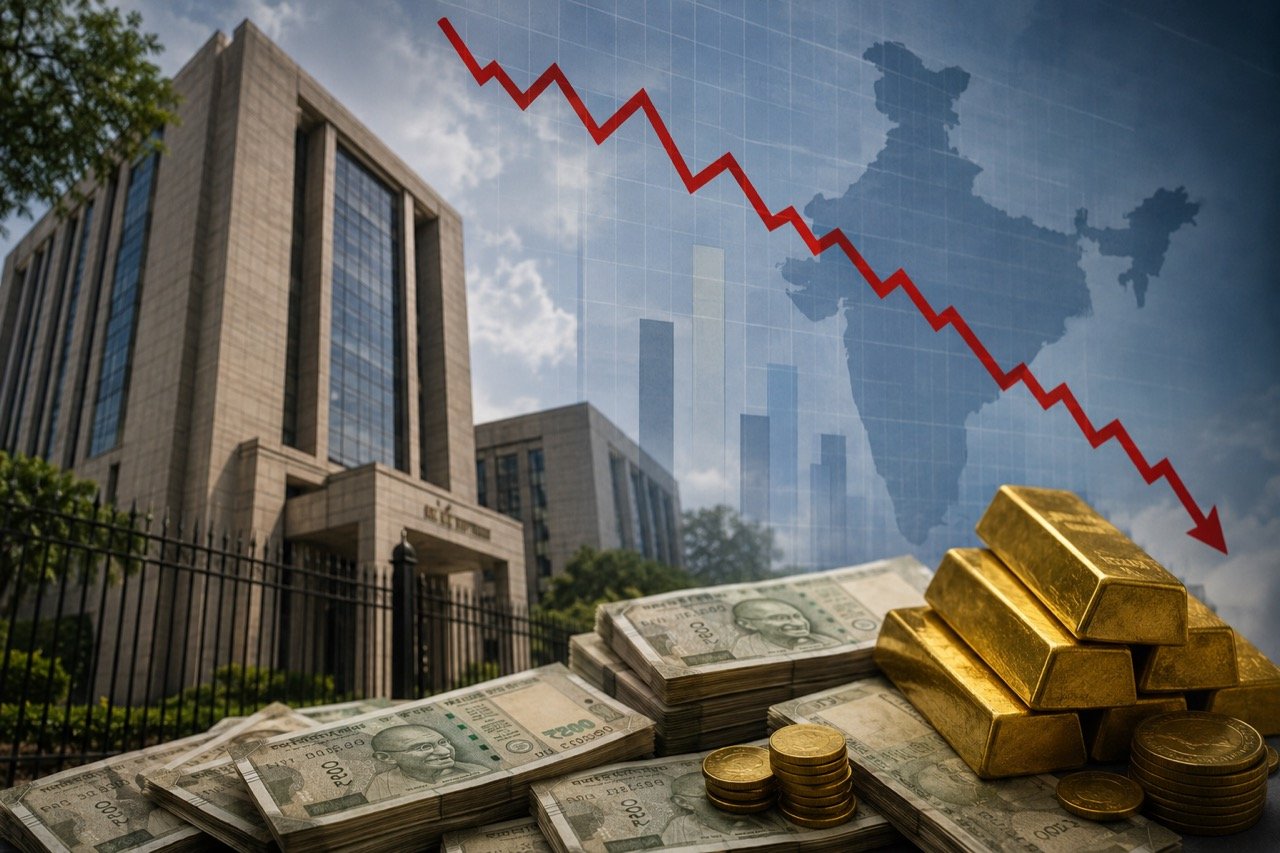
India's foreign exchange reserves have fallen to their lowest level in 15 months, putting the country's external financial cushion back in the spotlight at a moment when currency movements, trade flows and foreign capital are all being closely watched.
Forex reserves are one of the Reserve Bank of India's most important tools. They allow the central bank to smooth out volatility in the rupee, maintain confidence in external payments and reassure global investors that India can meet its obligations. A narrowing buffer does not change the economy overnight, but it reduces the room the RBI has to act when markets turn turbulent.
What drives reserves up and down
Reserve levels move for many reasons beyond simple inflows and outflows. Valuation changes in the dollar, euro and other holdings, shifts in the price of gold, RBI interventions in the currency market, foreign portfolio flows and the country's trade bill all feed into the headline number. That is why analysts caution against reading a single data point as a verdict on the economy.
By global standards, India still holds substantial reserves, and a decline of this kind is not in itself a crisis signal. The concern arises if the slide is sustained and coincides with pressure on the rupee or a widening external deficit, because that combination can start to affect market sentiment.
What to watch next
The more meaningful indicators in the weeks ahead will be RBI commentary, the import cover that reserves provide, the direction of the rupee and the behaviour of foreign portfolio investors. Together these will show whether the 15-month low is a passing dip or the start of a trend that demands a policy response.
The NE Times View
The fall in reserves is a warning light, not an alarm bell. India's buffer remains large, but buffers matter precisely because they are tested at inconvenient times. The prudent reading is that policymakers now have less slack than they did a year ago, and markets know it. The RBI should communicate clearly about the drivers of the decline, and the government should treat export competitiveness and stable capital inflows as first-order priorities rather than background concerns. Watching the trend, not the headline, is the discipline this moment requires.
This article is original commentary and analysis by The NE Times. Background facts were referenced from Economic Times Markets.
You may also like to read
RBI Calls Rate-Hike Talk Premature, Rolls Out Liquidity Support As Rupee Steadies
The Reserve Bank moved to calm nerves in late June 2026, signalling that interest-rate hikes were premature and unveiling liquidity measures even as the rupee drew comfort from a softer crude outlook.
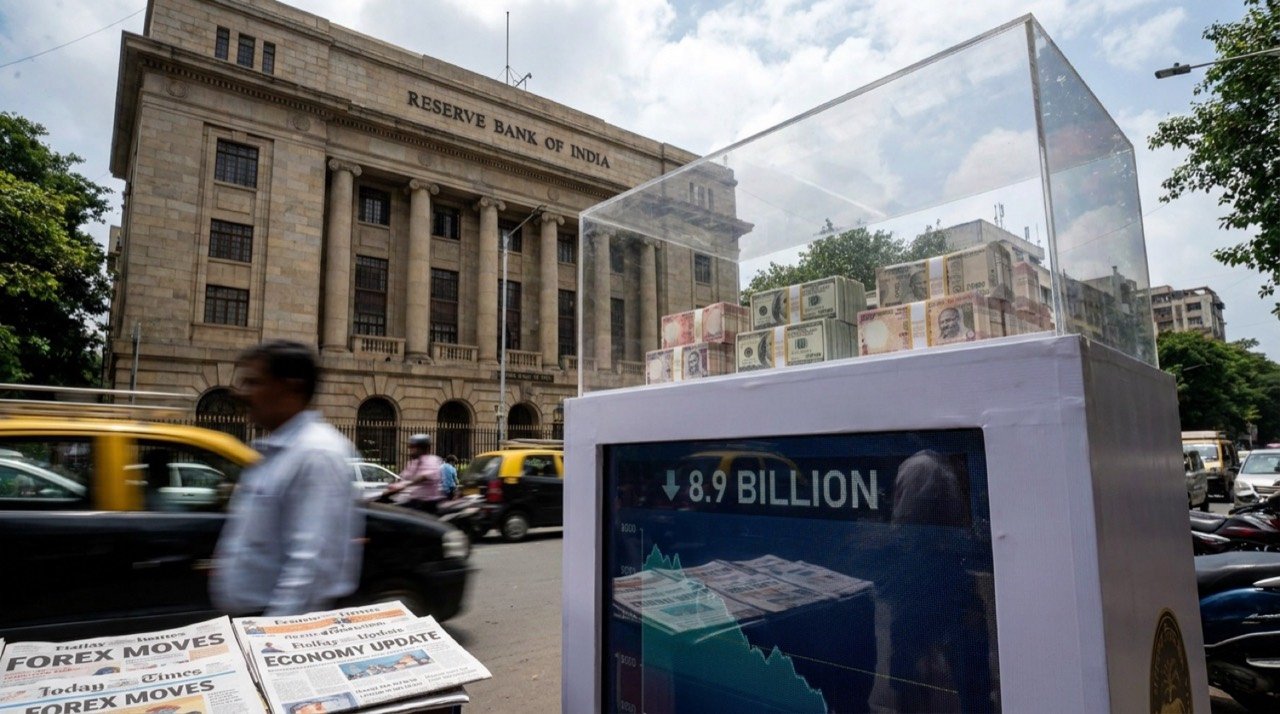
RBI Sold $8.9 Billion in April as Rupee Pressure Persisted
India's central bank sold a net $8.9 billion in the spot foreign-exchange market in April, RBI data showed, underlining how it manages currency volatility while balancing reserves and liquidity.
RBI Sells Nearly $9 Billion in April as Rupee Faces Sustained Pressure
The central bank's net dollar sales in the spot forex market signal another month of intervention to smooth volatility, with importer demand and West Asia uncertainty weighing on the rupee.
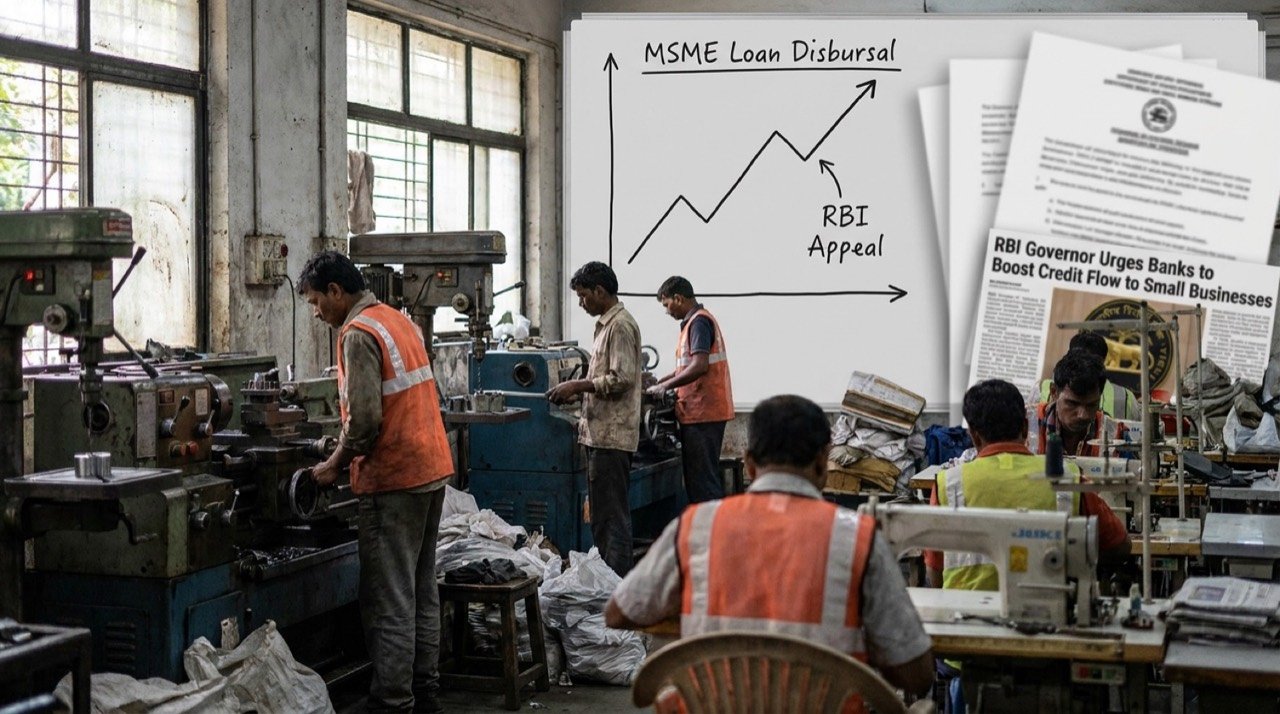
RBI Governor Urges Banks to Treat MSMEs as Growth Partners, Not Just Borrowers
RBI Governor Sanjay Malhotra has called on banks to see micro, small and medium enterprises as growth partners, reviving focus on credit access for the firms that employ millions across India.
More from this section
More
Assam Estate Sells India's First Home-Grown Matcha Batch
An Assam tea estate has sold the first batch of India-made matcha, a small-volume but symbolically significant step as the country's tea industry hunts for premium products and new consumers.
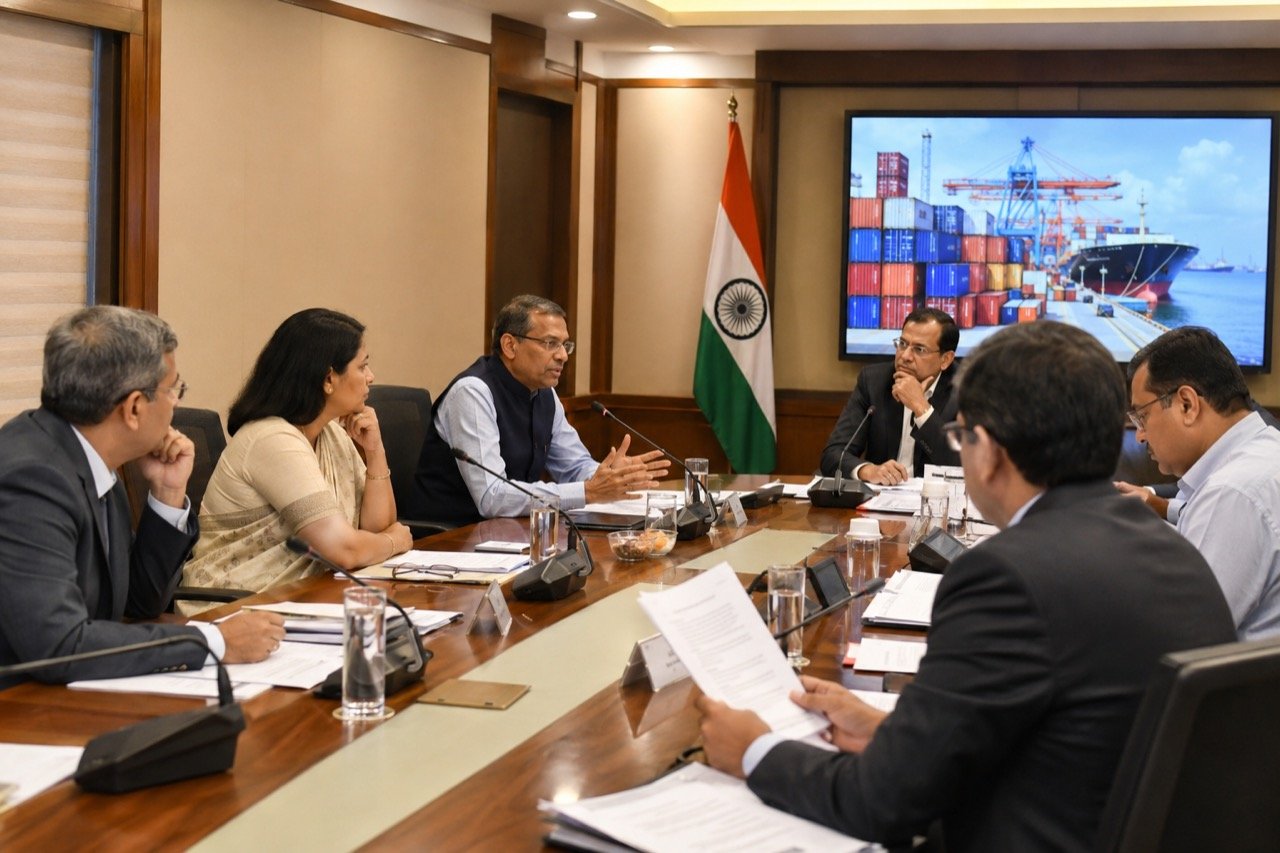
Board of Trade Meets as Exporters Press on FTAs and GST Refunds
Commerce Minister Piyush Goyal chaired a Board of Trade meeting where exporters pushed for faster GST refunds, lower logistics costs and workable free trade agreements amid global demand uncertainty.

Four Chinese Firms With Indian Plants Cleared To Bid For Power Work
Four Chinese companies operating factories in India have reportedly been cleared to bid for power projects, a calibrated move that balances security screening against the country's manufacturing and infrastructure needs.