Most India-Bound Ships Switch Off Trackers in Hormuz Strait
Maritime intelligence data suggests nearly 62 percent of tankers and cargo vessels sailing from the Gulf to India have switched off tracking systems while crossing the Strait of Hormuz, signalling heightened risk perceptions in a vital energy corridor.
The NE Times World Desk
Commentary & Analysis ·
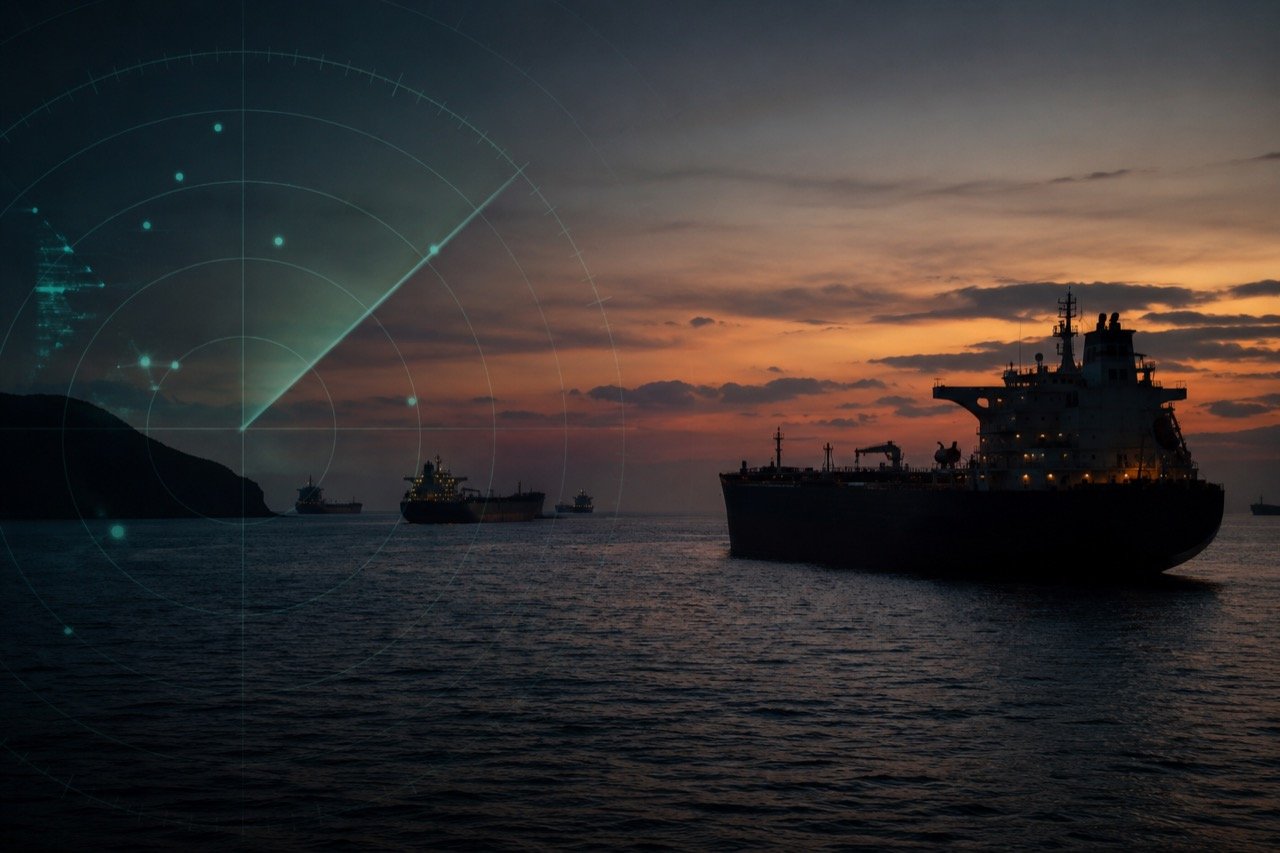
A majority of India-bound commercial vessels passing through the Strait of Hormuz have reportedly switched off their tracking systems, according to maritime intelligence data cited in current coverage. The reported figure — nearly 62 percent of tankers and cargo ships sailing from the Gulf to India — is a striking indicator of how tense one of the world's most important trade corridors has become.
Going dark, in shipping parlance, means turning off the transponders that broadcast a vessel's position. Crews typically do this to reduce visibility during periods of security concern. The flip side is that it makes tracking and risk assessment far harder for insurers, port authorities and trade planners who depend on that data.
Why Hormuz matters so much to India
The Strait of Hormuz is critical for India because the bulk of its energy shipments from the Persian Gulf funnel through the narrow waterway. Any disruption — or even the perception of one — reverberates through fuel supply planning, shipping insurance premiums and import schedules.
The mass switch-off does not mean every vessel faces immediate danger. What it does show is how quickly geopolitical tension can alter commercial behaviour. Even without a direct disruption, elevated risk premiums and rerouting decisions feed into costs, which is why policymakers and companies watch Hormuz closely whenever the region heats up.
The episode is also a reminder that supply chains are physical systems, not just price charts. A tanker route, a chokepoint and a security alert can together move everything from crude availability to market sentiment.
The NE Times View
When six in ten ships on a route as vital as Gulf-to-India choose invisibility over transparency, the market is telling us something official statements have not. India imports the overwhelming share of its crude, and Hormuz remains the single most consequential stretch of water for its energy security. New Delhi has rightly invested in strategic reserves and supplier diversification, but this moment argues for accelerating both, alongside deeper naval cooperation to protect merchant shipping. The lesson for Indian readers is that energy resilience is not an abstraction — it is measured in tankers that feel safe enough to be seen.
This article is original commentary and analysis by The NE Times. Background facts were referenced from NDTV and Moneycontrol.
You may also like to read
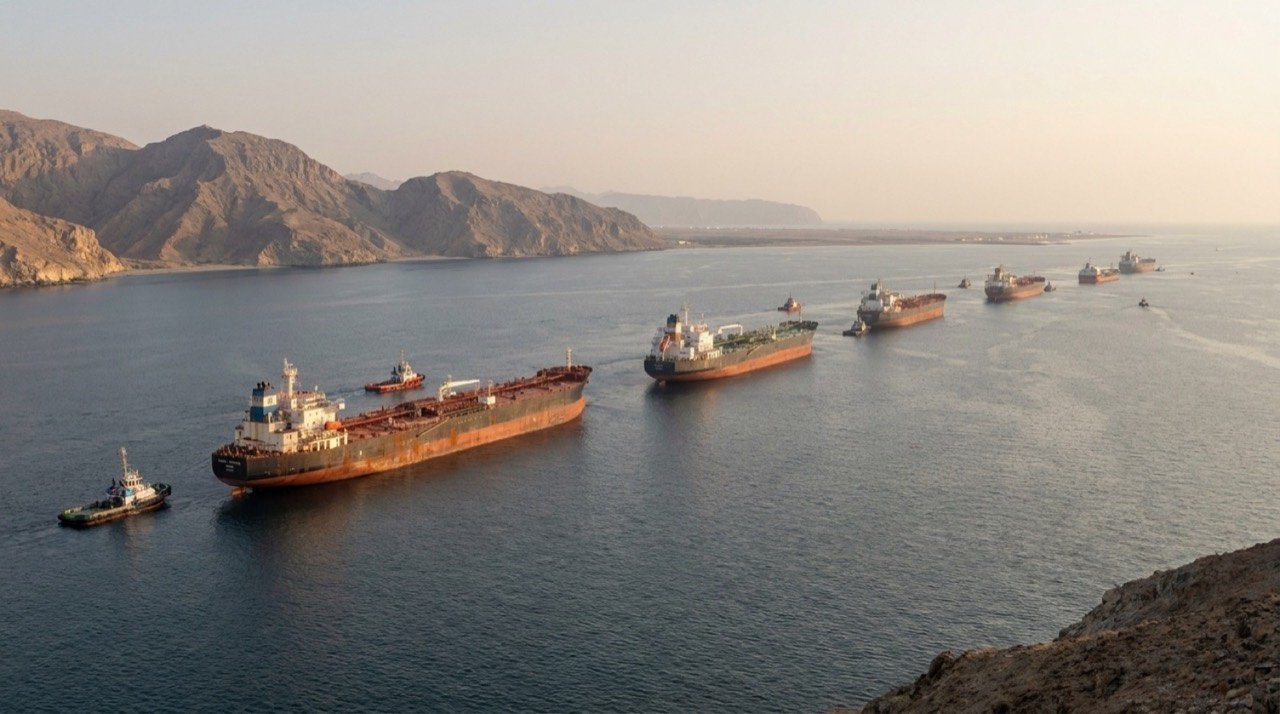
India-Bound Vessels Cross Strait of Hormuz After US-Iran De-escalation
Tankers carrying oil, gas and fertiliser bound for India have crossed the Strait of Hormuz after signs of US-Iran de-escalation, easing immediate fears over a critical energy supply lane.
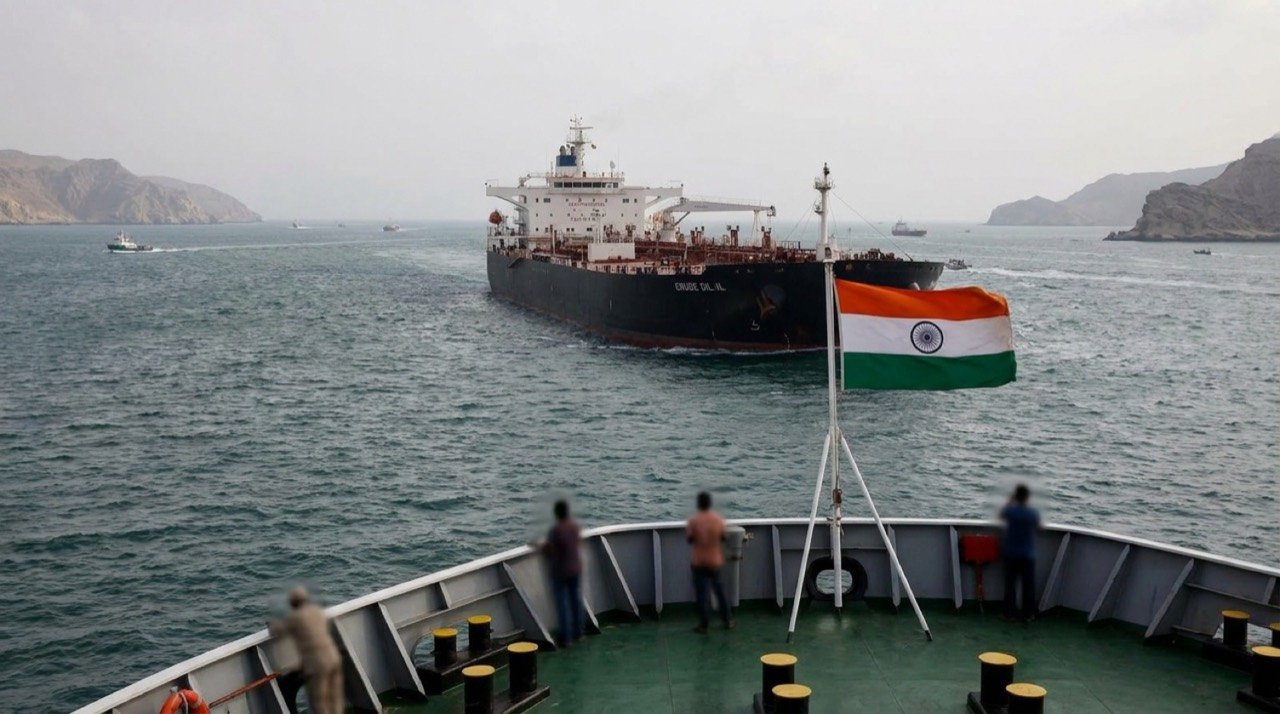
Indian Tankers and Seafarers Navigate Strait of Hormuz Amid Renewed Gulf Uncertainty
More than 90 Indian seafarers and a fleet of crude tankers and fertiliser vessels are crossing or holding near the Strait of Hormuz as fresh Gulf tensions test India's energy and supply-chain security.
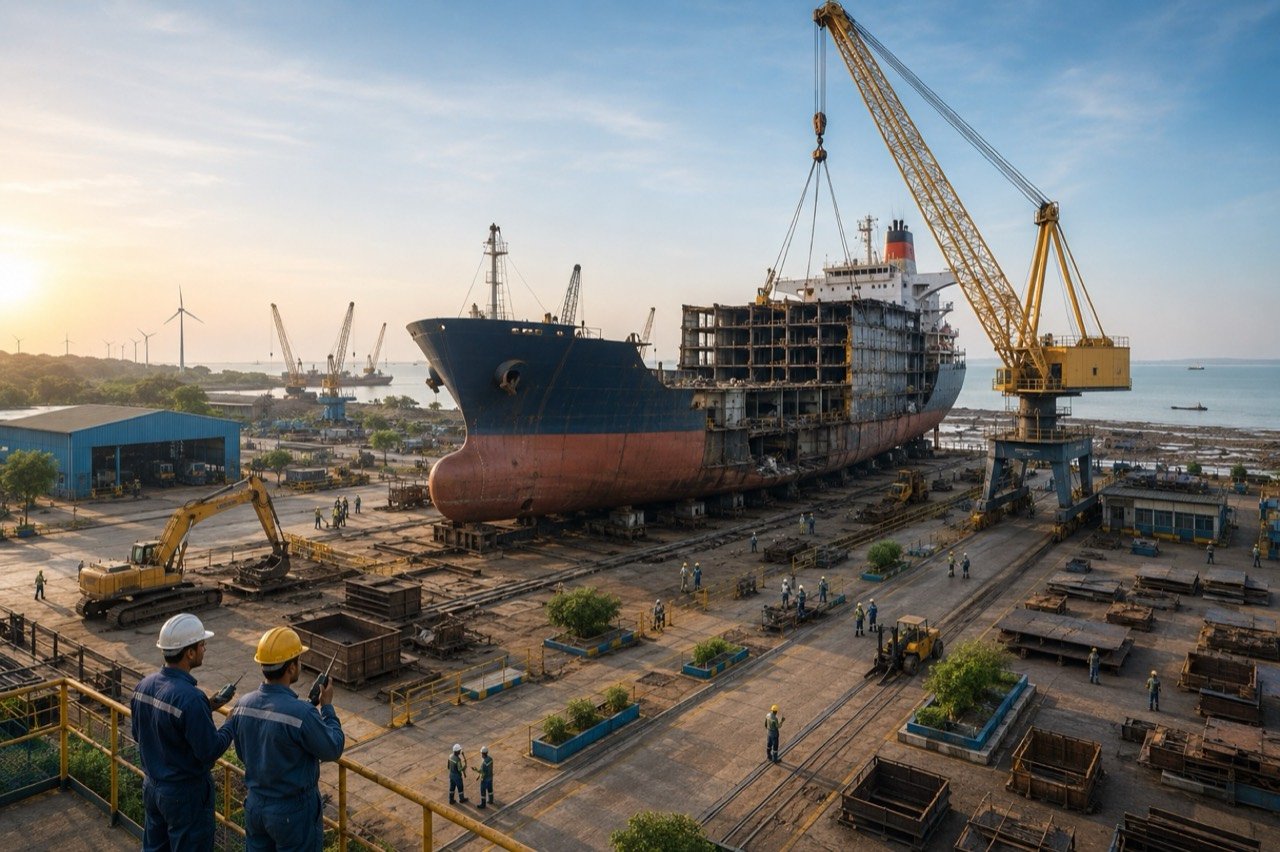
India's Ship Recycling Share Rises to 35.4 Percent, Leading the World in 2025
India became the world's leading ship recycling nation in 2025 with a 35.4 percent global share, a gain the shipping ministry credits to policy reform, Hong Kong Convention compliance and the Alang expansion.
India and Canada Push to Seal the Reset, Targeting a Trade Pact by Year-End
Buoyed by personal rapport between Narendra Modi and Mark Carney, New Delhi and Ottawa are working to convert a fragile diplomatic thaw into a comprehensive trade agreement, with implications for students, professionals and the large Indo-Canadian diaspora.
More from this section
More
India Watches Dhaka's China-Backed Teesta Plan as Stakes Rise
New Delhi is closely tracking Bangladesh's proposal to develop the Teesta river with Chinese assistance, a move that revives one of South Asia's most sensitive water-sharing disputes and tests regional strategic trust.
India-Japan Summit Widens Ties Across AI, Defence and Chips
At their annual summit in New Delhi, Prime Ministers Modi and Takaichi unveiled a roadmap deepening cooperation on maritime security, artificial intelligence, semiconductors, shipbuilding and critical technologies.

Indiaspora 250 at 250: Diaspora Power in America's Milestone Year
Indiaspora's new 250 at 250 list, released ahead of America's 250th anniversary, celebrates Indian-origin achievers across technology, medicine, government and the arts, underscoring the diaspora's deepening footprint in US public life.