From Kitchen Gag to Ratings Giant: The Unlikely Rise of ‘Laughter Chefs’
When a cooking show is funnier than it is culinary, you might expect it to be a novelty.
Commentary & Analysis ·
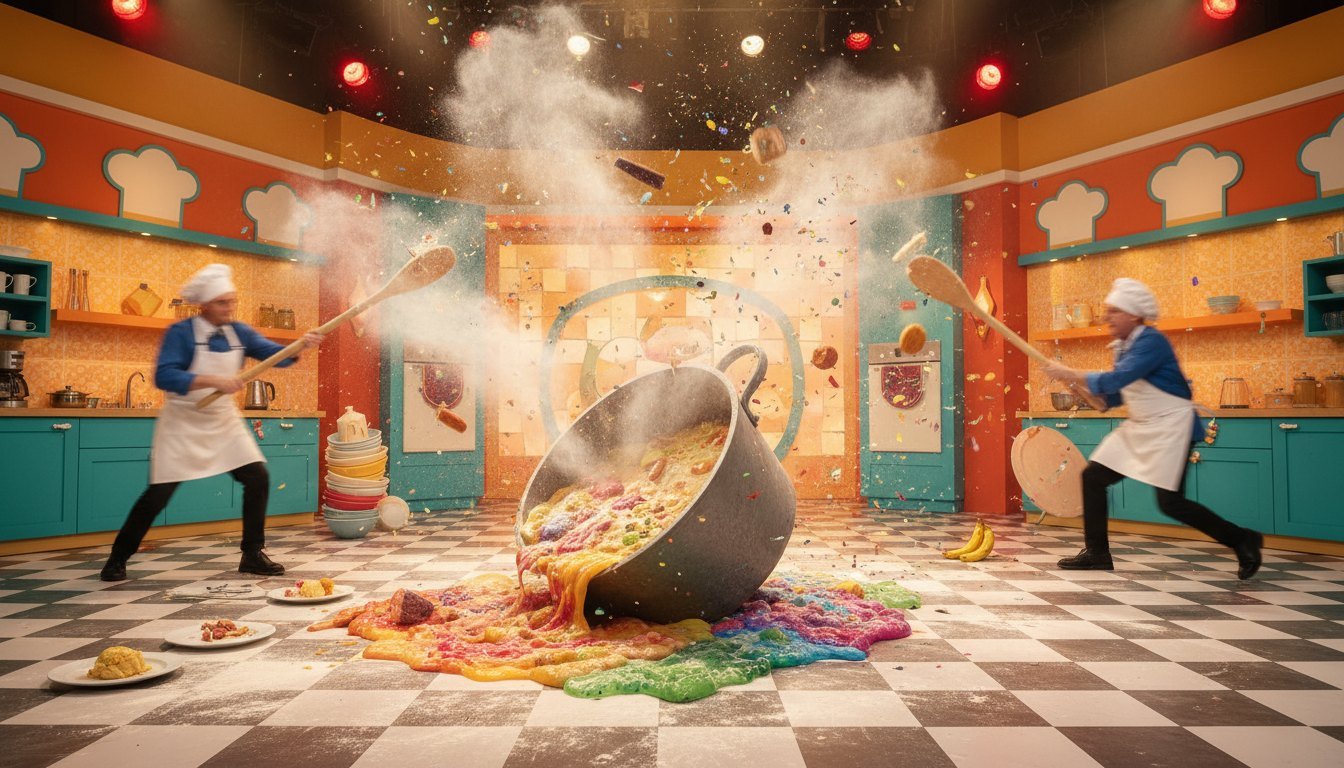
When a cooking show is funnier than it is culinary, you might expect it to be a novelty. Instead, Laughter Chefs has become one of the biggest non-fiction success stories on Indian television — a comedy-kitchen mash-up that has climbed to the very top of the ratings and just wrapped a hotly contested third season.
The result that capped Season 3
Season 3 closed in late January 2026 with a clear winner: Aly Goni’s Team Kaanta lifted the trophy, beating Elvish Yadav’s Team Chhuri in a finale that pitted two camps against each other in the show’s signature blend of cooking chaos and comic mayhem. The “Kaanta vs Chhuri” (fork vs knife) framing gave the season a tidy rivalry to rally around, and its resolution drew the kind of engagement most scripted shows would envy.
Where it began
The origins are humble by design. Laughter Chefs – Unlimited Entertainment, produced by Optimystix Entertainment, premiered on Colors TV on 1 June 2024, hosted by Bharti Singh and judged by Harpal Singh Sokhi, with a digital home on JioHotstar. The concept was adapted from the Tamil-language hit Cooku with Comali: take celebrities, put them in a kitchen, and let the comedy come from their spectacular incompetence and the banter around it. The cooking is almost a pretext; the entertainment is the ensemble.
The formula that works
What makes Laughter Chefs tick is its refusal to take itself seriously. It gathers familiar television faces — the kind of celebrities audiences already feel they know — and lets them flail, joke and sabotage each other in a low-stakes, high-laughs environment. There are no brutal eliminations to dread, no manufactured cruelty, just a rolling comedy of errors with food as the prop. In a reality landscape often built on conflict and tension, that warmth is a genuine differentiator.
Season 3 doubled down on that chemistry by bringing back a core of “OG” cast members and hosts, including Bharti Singh anchoring the mayhem, and adding recognisable pairings to the mix. The result was a season that felt like a reunion of a beloved comic troupe as much as a competition.
A crossover magnet for talent
Part of the show’s appeal lies in the range of personalities it draws. Across its seasons, Laughter Chefs has pulled in television actors, comedians and digital-first stars, blending the worlds of daily-soap fame, stand-up and social media into one chaotic kitchen. Season 3’s mix of returning favourites and fresh faces — including established television names paired against creator-era stars like the two team captains — gave it a broad, cross-generational appeal. That crossover quality is increasingly valuable: it lets the show tap multiple fanbases at once, with each contestant bringing their own followers to the table. It also fits a wider 2026 trend, where the line between “TV celebrity” and “internet celebrity” has all but dissolved, and formats that can host both comfortably tend to win the engagement race.
Rooted in a proven idea
The comedy-cooking hybrid didn’t come from nowhere. By adapting the successful Tamil format Cooku with Comali, the makers imported a template already proven to work — the idea that watching people fail at cooking, guided and heckled by comic foils, is reliably funnier than watching them succeed. Translating that into a Hindi, celebrity-driven package turned a regional hit into a national phenomenon, a reminder of how much creative value flows between India’s regional and Hindi television ecosystems.
The numbers tell the story
The clearest proof of the show’s rise is in the ratings. Laughter Chefs has been described as India’s number-one non-fiction show, and at points it reportedly out-rated even long-dominant fiction juggernauts in the TRP charts — a remarkable feat for a comedy-cooking format that began as an experiment. For advertisers, that reach has turned the show into prime real estate; for the channel, it’s become a dependable anchor.
Why it matters
The success of Laughter Chefs is a signal about where audience appetite is heading. It shows there’s enormous demand for non-fiction that entertains without the emotional exhaustion of high-conflict formats — a lighter, funnier alternative to the shouting matches and blindsides that define much of the genre. It also underlines the value of a strong ensemble: viewers return not for a prize structure but for the company, the chemistry and the reliable promise of a laugh.
The franchise’s momentum shows no sign of cooling. Between seasons, it has kept generating buzz through promos and celebrity-driven content — including celebratory segments built around its host — keeping the brand warm in the gaps between competitions. Off-screen storylines, such as cast changes and members moving on to fiction projects, have only added to the chatter.
The takeaway
Laughter Chefs has pulled off something rare: it turned a gimmick — celebrities who can’t cook — into a genuine ratings powerhouse and a cultural comfort watch. With Season 3’s Team Kaanta triumph fresh and the franchise sitting near the top of the non-fiction heap, the show has proven that in a crowded, conflict-heavy reality market, sometimes the winning recipe is simply to make people laugh. Everything else, apparently, is just seasoning.
You may also like to read
Vivian Dsena’s Laughter Chefs Exit and the Rotating-Cast Problem
Reports that Vivian Dsena has stepped away from Laughter Chefs, reportedly to take up a new fiction project, have generated the kind of fan discussion that follows any departure from a beloved

‘Rise and Fall’: Ashneer Grover’s Hierarchy Game Is Reality TV as Class Warfare
Most reality shows pretend everyone starts equal.

By the Numbers: How ‘Bigg Boss Malayalam 7’ Became the Franchise’s Ratings Champion
Every language edition of Bigg Boss has its loyalists, but one recent season didn’t just win its own audience — it out-rated its far bigger siblings.

Khatron Ke Khiladi 15: Everything You Need to Know Before the July Premiere
After an unusually long wait, television’s most feared reality franchise is finally strapping back in.