Vivian Dsena’s Laughter Chefs Exit and the Rotating-Cast Problem
Reports that Vivian Dsena has stepped away from Laughter Chefs, reportedly to take up a new fiction project, have generated the kind of fan discussion that follows any departure from a beloved
Commentary & Analysis ·
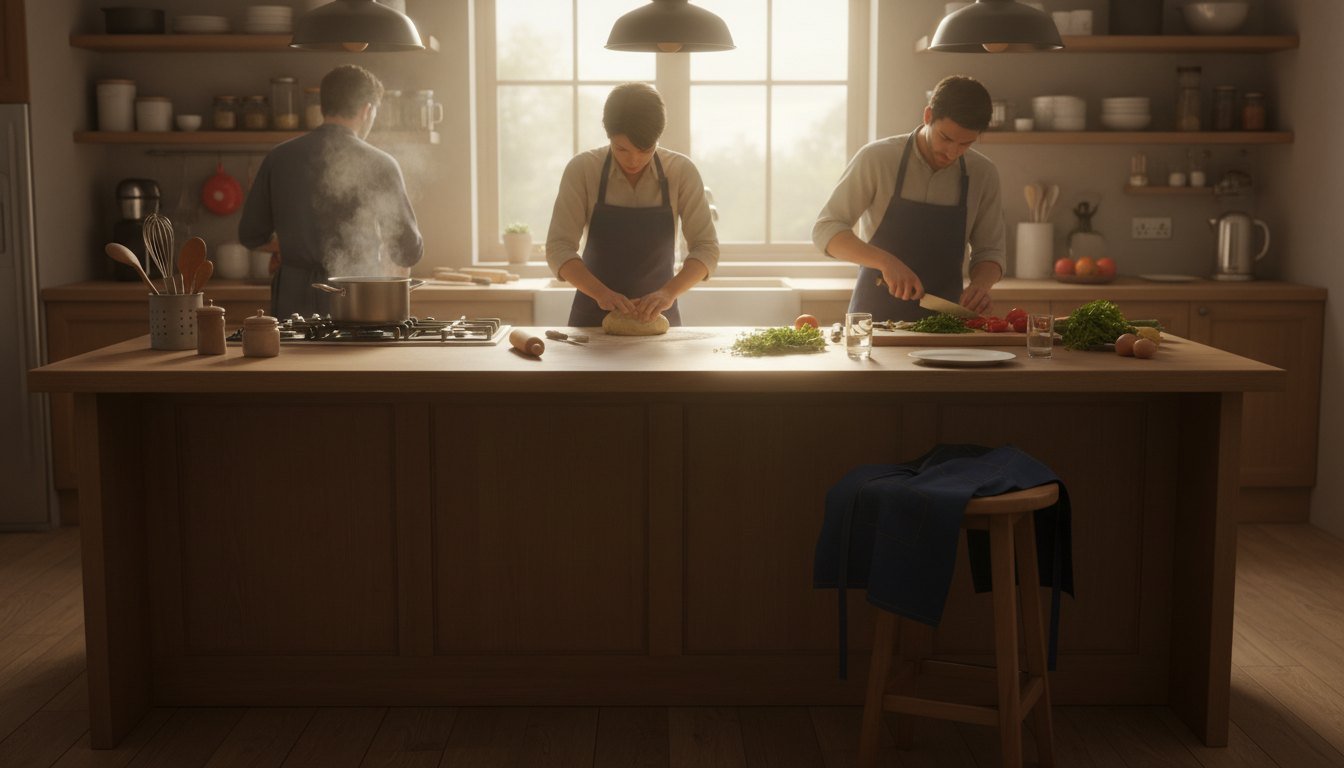
Reports that Vivian Dsena has stepped away from Laughter Chefs, reportedly to take up a new fiction project, have generated the kind of fan discussion that follows any departure from a beloved ensemble. But the story is bigger than one actor’s exit. It points to a structural tension sitting at the heart of the most successful non-fiction show on Indian television: what happens to an ensemble comedy when the ensemble keeps changing?
(Note for the desk: Dsena’s exit has been reported rather than officially confirmed by the makers. Verify before publishing.)
Why this particular show is vulnerable
Laughter Chefs is not a competition in any meaningful sense. Nobody watches for the cooking, and the stakes are deliberately low. What the show sells is chemistry — the specific, accumulated rapport of a group of celebrities who have spent enough time together to develop running jokes, comic rhythms and a genuine ease with one another.
That is a fragile asset. In a stunt show or a singing competition, contestants are interchangeable because the format supplies the drama. Here, the cast is the format. Remove a key member and you don’t just lose a face; you lose every dynamic that person was part of.
The success that created the problem
The irony is that Laughter Chefs’ own success has made cast retention harder. The show has climbed to become one of the top non-fiction properties on Indian television, at points reportedly out-rating long-dominant fiction shows. That visibility raises every cast member’s profile — which in turn makes them more attractive to other producers, and more able to command roles elsewhere.
A show that turns its participants into bigger stars will inevitably struggle to keep them. Dsena moving toward a fiction project, if the reports hold, is the entirely predictable consequence of a platform doing its job.
The stabilising anchors
What has protected the show so far is its core. Bharti Singh’s hosting provides continuity and comic direction, and Harpal Singh Sokhi’s judging gives the kitchen a fixed point. Season 3 leaned deliberately on returning “OG” cast members alongside new additions — a hedge that preserves the familiar chemistry while refreshing the mix.
That’s the right instinct. Ensemble formats survive cast churn by protecting a recognisable spine: keep the hosts, keep a critical mass of familiar faces, and rotate the periphery. Lose the spine and the show becomes a different programme wearing the same name.
The wider pattern
This is not unique to one show. Across the 2026 reality landscape, the same names circulate constantly — reality veterans, television actors, comedians and digital creators moving between houses, kitchens, obstacle courses and strategy games. The genre has become a shared talent marketplace, with a relatively finite pool of recognisable participants in extremely high demand.
For contestants, that mobility is the whole point. A reality stint can grow a following, reset an image, unlock brand deals or revive a stalled career — so treating any single show as a permanent home makes little professional sense. Producers, meanwhile, are left competing for the same limited roster.
What the makers must weigh
The calculation for Laughter Chefs is delicate. Refresh too little and the show grows stale, its jokes calcified. Refresh too much and the chemistry that made it a hit dissolves entirely. The seasons that have worked best have found a middle path — enough familiarity to feel like a reunion, enough novelty to create new comic pairings.
The franchise’s between-seasons strategy suggests the makers understand this. It has kept the brand warm through promos and celebrity-driven content, maintaining the audience’s relationship with the cast even in the gaps.
What fans actually lose
For viewers, a departure like this registers as something closer to a friend leaving a group than a cast change on a television show. That reaction is not sentimentality; it is the format working as designed. A comedy ensemble that airs regularly over multiple seasons builds real familiarity, and the audience’s investment attaches to specific people and specific pairings, not to an abstract programme.
So when a cast member exits, the loss is concrete. A particular comic dynamic disappears. A running joke has nowhere to land. The show can replace the seat, but it cannot replace the accumulated history that made that seat funny — and audiences notice the difference immediately, even when they cannot articulate what changed.
The takeaway
A single reported exit is not a crisis. But it is a reminder of the peculiar bind facing the biggest comedy hit on Indian television: its greatest asset is a group of people who are all, individually, becoming too successful to stay. Managing that paradox — keeping the ensemble together while the ensemble outgrows the show — may be the defining challenge of Laughter Chefs’ next chapter.
You may also like to read
From Kitchen Gag to Ratings Giant: The Unlikely Rise of ‘Laughter Chefs’
When a cooking show is funnier than it is culinary, you might expect it to be a novelty.

The Spoiler Problem: Why Everyone Already Knows Who Won Khatron Ke Khiladi 15
Khatron Ke Khiladi 15 has not yet premiered. Its winner has, according to widely circulated reports, already been decided, leaked and debated at length online.

Khatron Ke Khiladi 15: Everything You Need to Know Before the July Premiere
After an unusually long wait, television’s most feared reality franchise is finally strapping back in.
MasterChef India 9 Serves a ‘Pride of India’ Finale — and Crowns a Nagpur Pair
The ninth season of MasterChef India has plated its final dish, and for the first time in the show’s history, two names share the title.