Reliance Capital Ex-CFO Arrest Puts Corporate Governance on Watch
The CBI's arrest of a former Reliance Capital chief financial officer in a reported Rs 9,280 crore bank-fraud case has renewed scrutiny of corporate disclosures, lender due diligence and the strength of India's financial safeguards.
The NE Times Business Desk
Commentary & Analysis ·

The arrest of a former Reliance Capital chief financial officer in a bank-fraud investigation has put corporate governance, lender oversight and financial accountability firmly back in the spotlight. Reports indicate the CBI took the former executive into custody in connection with an alleged fraud running into thousands of crores, with a Mumbai court remanding him to agency custody.
Why the CFO's chair matters
Cases involving senior finance executives draw outsized attention because the CFO function sits near the centre of corporate control. It touches accounts, borrowing, financial reporting, cash flow and communication with lenders. When allegations arise in that zone, they inevitably raise questions about internal checks, board oversight and whether banks were equipped to spot warning signs early.
A neutral frame remains essential. An arrest or investigation is not a conviction, and every accused person is entitled to due process. Yet such cases are legitimately newsworthy: they involve public money, regulated institutions and the credibility of India's financial architecture.
Lessons for investors and lenders
For investors, the episode is a reminder to read beyond headline profit numbers. Governance quality, audit notes, debt structure and related-party exposures can matter as much as growth projections. For lenders, it underlines the importance of post-disbursal monitoring and documentation discipline — the unglamorous work that determines whether early red flags are caught or missed.
The broader point is that financial trust is built through systems, not personalities. Strong companies need controls that can withstand stress, leadership changes and market downturns, and regulators need processes that clarify accountability without trial by headline.
The NE Times View
India's corporate-fraud cases too often generate dramatic arrests followed by years of procedural drift, leaving depositors, shareholders and honest employees in limbo. What matters now is not the spectacle of custody but whether the investigation produces a clear, time-bound accounting of how a regulated financial company's borrowings allegedly went astray. If the process ends with strengthened lender monitoring norms and sharper board accountability, it will have served the public interest. If it fades into the long queue of pending white-collar trials, the cost will be paid in eroded trust in India's financial system.
This article is original commentary and analysis by The NE Times. Background facts were referenced from Indian Express, Times of India and Hindustan Times.
You may also like to read
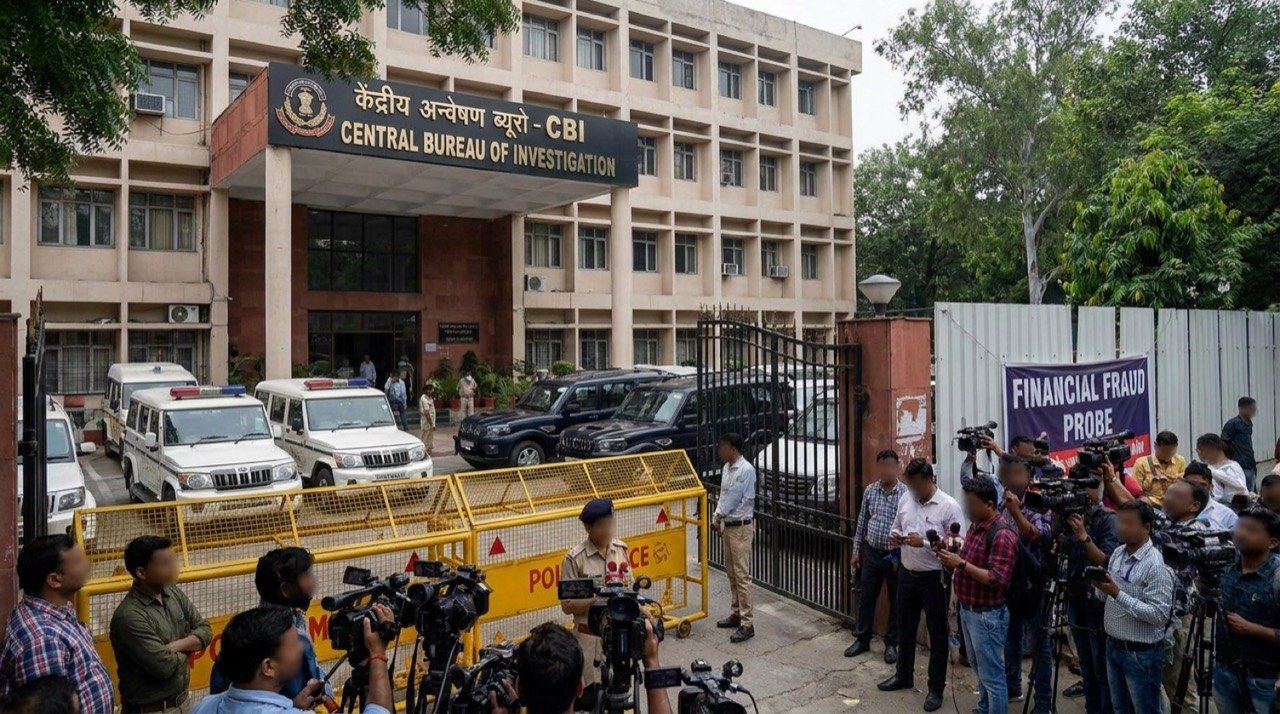
CBI Arrests Haryana IAS Officer Pankaj Aggarwal in IDFC FIRST Bank Fraud Case
The CBI has arrested senior Haryana IAS officer Pankaj Aggarwal in an IDFC FIRST Bank fraud case, reviving scrutiny of governance, accountability and the trail of financial investigations.
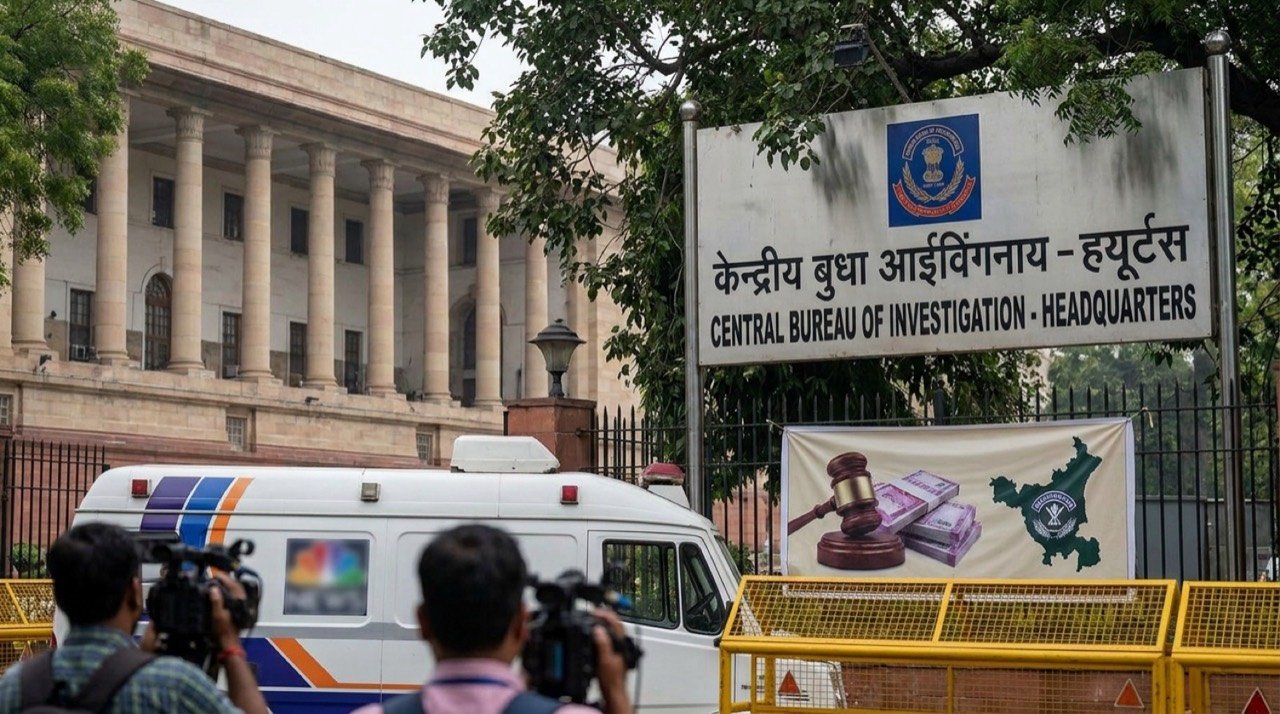
CBI Arrests Haryana IAS Officer Pankaj Agarwal As Bank-Fraud Probe Widens
The CBI has arrested senior Haryana-cadre IAS officer Pankaj Agarwal in a widening probe into the alleged diversion of crores in public funds through bank accounts and government departments.

CBI Arrests Former Reliance Finance CEOs in Multi-Crore Bank Fraud Probe
The arrests of ex-RCFL and RHFL chief executives mark a sharp escalation in probes into alleged losses of more than Rs 7,600 crore to public sector banks.

CBI Arrests Former RCFL and RHFL CEOs in Rs 7,623 Crore Bank Fraud Case
The Central Bureau of Investigation has arrested two former Reliance finance executives over alleged loan diversion that investigators say cost public sector banks Rs 7,623 crore.
More from this section
More
Adani Case: US DOJ Pushes for Permanent Dismissal of Charges
The US Department of Justice has urged a judge to permanently dismiss charges against Gautam Adani, calling the case legally flawed — a reversal with consequences for markets, diplomacy and cross-border enforcement.

Akasa Air Inducts 40th Aircraft in Indian Aviation Scale-Up
Akasa Air's 40th aircraft, ferried to Bengaluru via Seattle, Reykjavik and Cairo, marks a fleet milestone for the young carrier and a fresh signal that India's aviation market remains firmly in expansion mode.
BARC Ratings Suspension Leaves Indian TV Industry Flying Blind
BARC's pause on television ratings has put India's broadcast measurement system under fresh scrutiny, leaving broadcasters, advertisers and media planners without the weekly audience data that anchors the TV economy.