CBI Arrests Former Reliance Finance CEOs in Multi-Crore Bank Fraud Probe
The arrests of ex-RCFL and RHFL chief executives mark a sharp escalation in probes into alleged losses of more than Rs 7,600 crore to public sector banks.
Commentary & Analysis ·

The Central Bureau of Investigation has arrested two former chief executives of finance companies once linked to the Reliance ADA Group, in a move that pushes long-running bank-fraud investigations from boardrooms to the individuals who ran them. Devang Mody, the former director and CEO of Reliance Commercial Finance Limited (RCFL), and Ravindra Sudhalkar, the former executive director and CEO of Reliance Home Finance Limited (RHFL), have been taken into custody in connection with separate cases.
What the cases allege
According to investigators, the RCFL matter involves alleged losses of around Rs 4,097 crore to 13 public sector banks, while the RHFL case concerns alleged losses of about Rs 3,526 crore to 10 public sector lenders. Together the two probes account for a claimed exposure exceeding Rs 7,600 crore, placing them among the larger non-banking financial company fraud investigations currently before the agency.
The allegations broadly centre on how loans were sanctioned, disbursed and routed, and whether funds raised from banks were diverted from their stated purpose. The agency has indicated that the wider set of cases tied to the former Reliance ADA Group entities remains under active investigation, leaving open the possibility of further action.
Why the arrests matter
For India's banking and corporate-governance ecosystem, the significance lies in the shift of scrutiny from companies to the executives who led them. Cases of this scale often stall at the corporate level, with penalties and recoveries falling on entities rather than individuals. By detaining former top management, the CBI signals an intent to test personal accountability where public money is alleged to have been lost.
Both companies had earlier faced resolution and recovery proceedings as part of the broader unwinding of the group's financial-services arm. The arrests reframe those commercial failures as questions of potential criminal liability, a distinction that lenders, auditors and independent directors across the sector will be watching closely.
The road through the courts
Crucially, the allegations are yet to be proven. Indian law presumes innocence until conviction, and the agency will have to establish before the courts that statutory thresholds for fraud and diversion were met. Defence teams are likely to contest the basis for custody, the freshness of the material relied upon and whether procedural safeguards were observed.
The outcome will shape expectations around how large financial-fraud cases are built and defended, particularly those rooted in complex inter-company lending and structured finance.
- Devang Mody, ex-CEO of RCFL, and Ravindra Sudhalkar, ex-CEO of RHFL, arrested by the CBI.
- RCFL case: alleged losses of about Rs 4,097 crore to 13 public sector banks.
- RHFL case: alleged losses of about Rs 3,526 crore to 10 public sector banks.
- Combined alleged exposure exceeds Rs 7,600 crore across the two matters.
- Wider Reliance ADA Group-linked cases remain under investigation.
“The allegations are serious, but they must still be established in court before personal liability can be fixed.”
— Banking-sector compliance analyst
The arrests are likely to intensify pressure on lenders to demonstrate that their own credit appraisal and monitoring were robust, and to sharpen the debate over how India holds individual executives answerable in large bank-fraud cases. The pace and durability of the prosecution will determine whether this becomes a precedent or another protracted legal contest.
The NE Times View
Arresting former finance-company CEOs over alleged losses exceeding Rs 7,600 crore signals welcome seriousness about white-collar accountability in India. The NE Times View: arrests are a start, not a verdict, and the public-sector banks left holding these losses deserve a faster path to recovery than a years-long trial. The deterrent value depends on convictions and clawbacks, not headlines. Due process must be swift as well as firm.
This article is original commentary and analysis by The NE Times. Background facts were referenced from the Times of India and The Daily Pioneer.
You may also like to read

CBI Arrests Former RCFL and RHFL CEOs in Rs 7,623 Crore Bank Fraud Case
The Central Bureau of Investigation has arrested two former Reliance finance executives over alleged loan diversion that investigators say cost public sector banks Rs 7,623 crore.
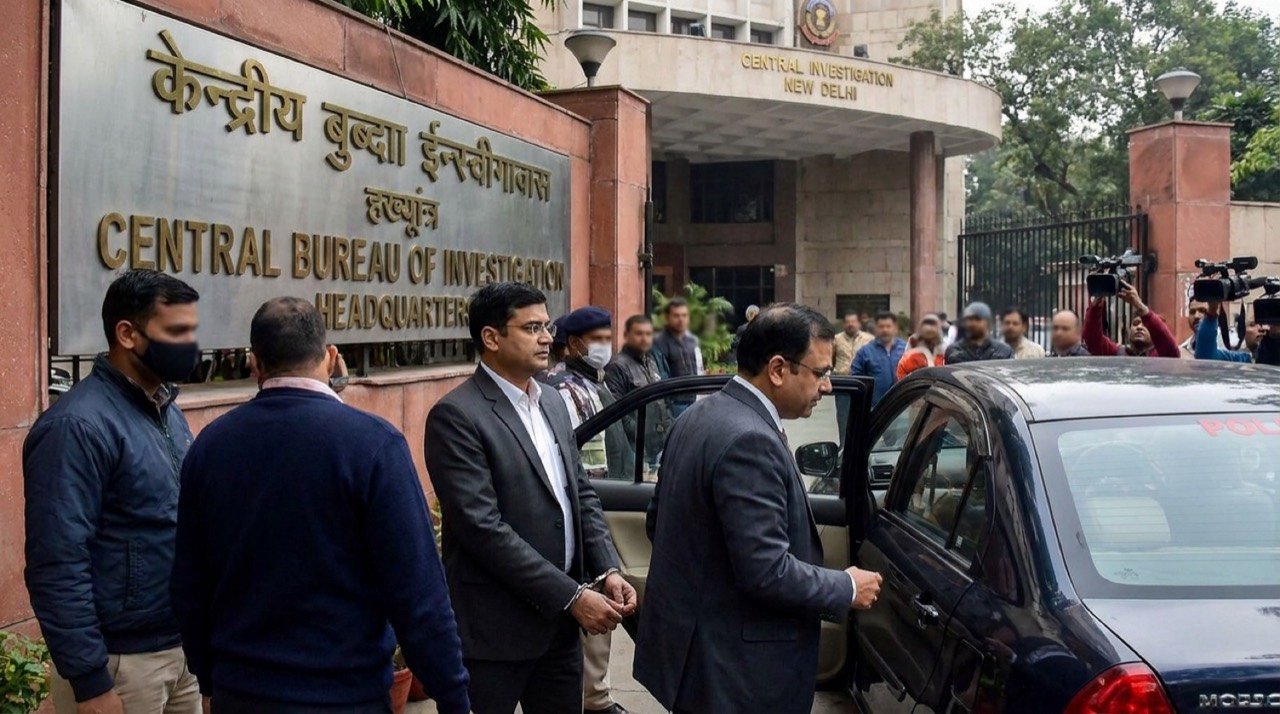
CBI Arrests Two Former Reliance ADAG CEOs in Bank-Loss Loan Probes
The CBI has arrested former chief executives of two Reliance ADAG finance firms over alleged loan irregularities that the agency says caused public sector banks losses running into thousands of crores.
Tata Leads, Reliance Dominates, Adani Expands: Hurun Maps India's New Corporate Order
The Hurun India 500 list released around 24 June 2026 confirmed Tata's grip on the top spot, Reliance's reign as the most valuable company and Adani's relentless expansion across sectors.
Reliance Gears Up For June 19 AGM As Jio Platforms IPO Hopes Build
All eyes are on Mukesh Ambani's address at Reliance Industries' 49th annual general meeting on June 19, with investors hunting for clarity on a potential Jio Platforms listing that could become India's largest-ever IPO.
More from this section
More
Adani Case: US DOJ Pushes for Permanent Dismissal of Charges
The US Department of Justice has urged a judge to permanently dismiss charges against Gautam Adani, calling the case legally flawed — a reversal with consequences for markets, diplomacy and cross-border enforcement.

Akasa Air Inducts 40th Aircraft in Indian Aviation Scale-Up
Akasa Air's 40th aircraft, ferried to Bengaluru via Seattle, Reykjavik and Cairo, marks a fleet milestone for the young carrier and a fresh signal that India's aviation market remains firmly in expansion mode.
BARC Ratings Suspension Leaves Indian TV Industry Flying Blind
BARC's pause on television ratings has put India's broadcast measurement system under fresh scrutiny, leaving broadcasters, advertisers and media planners without the weekly audience data that anchors the TV economy.