Drought Spreads Across India, Deepening Distress for Farmers
Drought conditions are extending across parts of India, compounding stress for farmers already grappling with uncertain rainfall, rising input costs and difficult sowing decisions at a critical point in the season.
The NE Times National Desk
Commentary & Analysis ·
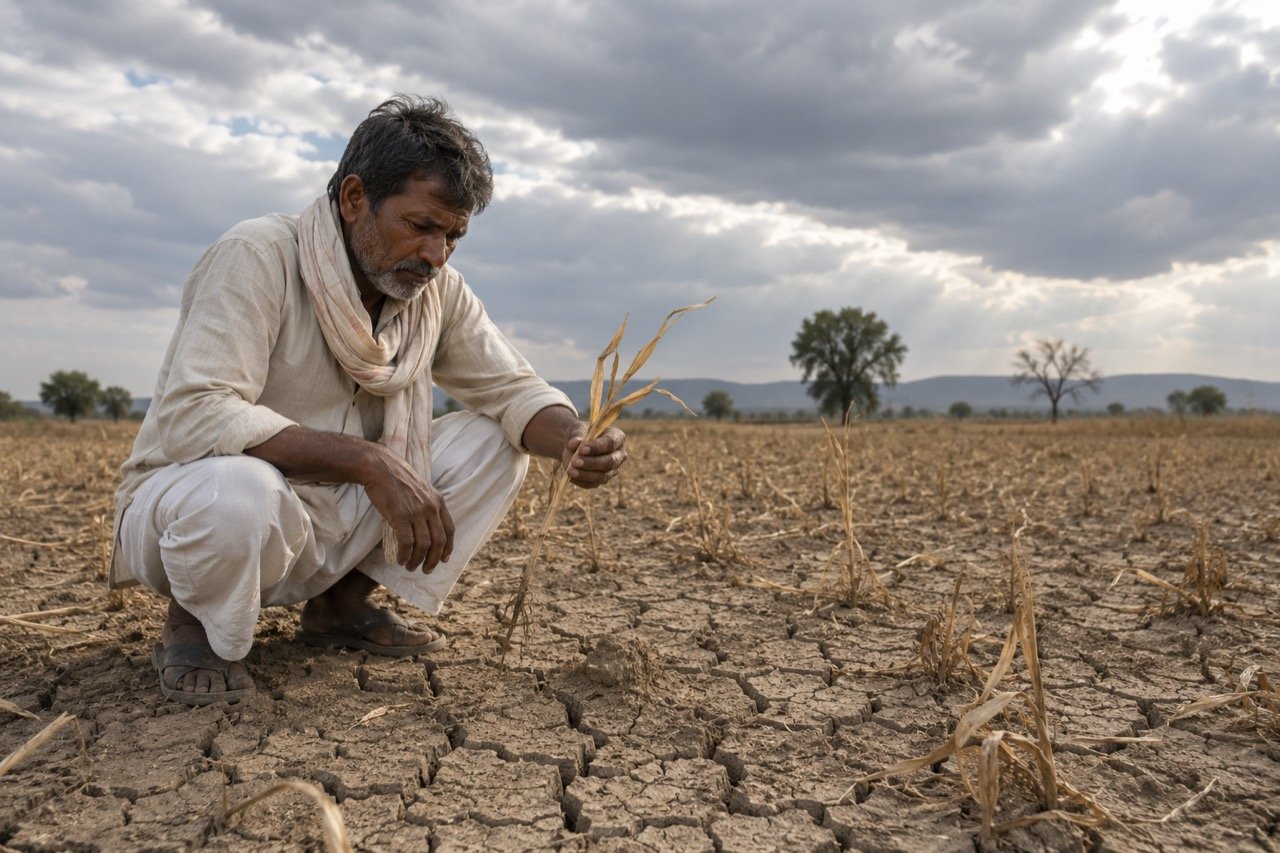
Drought conditions are spreading across India, according to reporting by NDTV, raising fresh concern for farmers who are already navigating erratic rainfall, higher input costs and hard choices about what and when to sow during a crucial stretch of the agricultural calendar.
Drought is never just a weather statistic. It cascades through rural life: sowing decisions shift, groundwater is drawn down faster, fodder becomes scarce, debts mount and food prices feel the pressure. When dryness extends across multiple regions at once, the impact moves quickly from fields to markets to household budgets, and can eventually drive migration.
Averages hide local distress
Climate variability has made a single national rainfall number increasingly misleading. Some regions are seeing intense downpours while others endure long dry spells, and farmers make their decisions at the village and district level, not by headline averages. That unevenness is precisely what makes the current spread of drought conditions worrying.
The immediate questions are how widespread the shortfall is and how fast response mechanisms are activated. Timely crop advisories, irrigation support, early relief and prompt insurance processing can significantly reduce harm; delayed responses tend to convert a weather event into a livelihoods crisis.
What to watch
Official drought assessments, state government advisories, reservoir levels and crop-specific impact reports will indicate how serious the season becomes. Each of these signals will shape both farm incomes and food prices in the months ahead.
The NE Times View
India's drought response still leans too heavily on relief after the damage is done, rather than resilience before it. Farmers need faster, more localised weather information, stronger water management and insurance systems that pay out quickly enough to matter. The spreading dryness this season should be treated as a stress test of those systems, not just an appeal for sympathy. For a country where agriculture anchors crores of livelihoods, building climate resilience into everyday farm policy is now the difference between a bad season and a rural crisis.
This article is original commentary and analysis by The NE Times. Background facts were referenced from NDTV India News.
You may also like to read
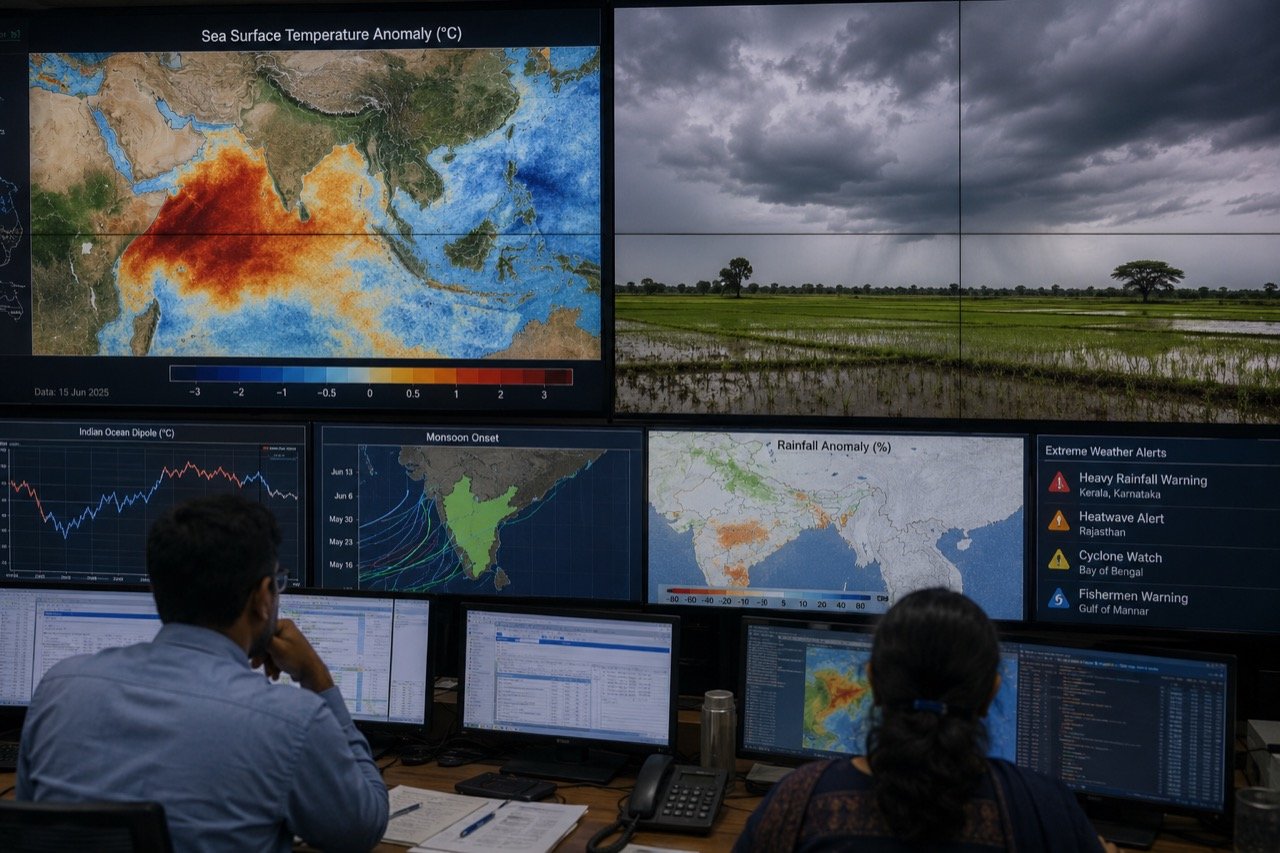
WMO Flags Rapid El Nino Risk, Putting India's Monsoon On Watch
A World Meteorological Organization warning that El Nino could develop rapidly between July and September has revived concerns about below-normal rainfall over the Indian subcontinent and its economic ripple effects.
Monsoon advances across the country in June, but IMD warns of a below-normal season
After reaching Kerala on 4 June, the southwest monsoon has spread into eastern and central India, even as the weather office trims its seasonal rainfall forecast to 90% of the long-period average.
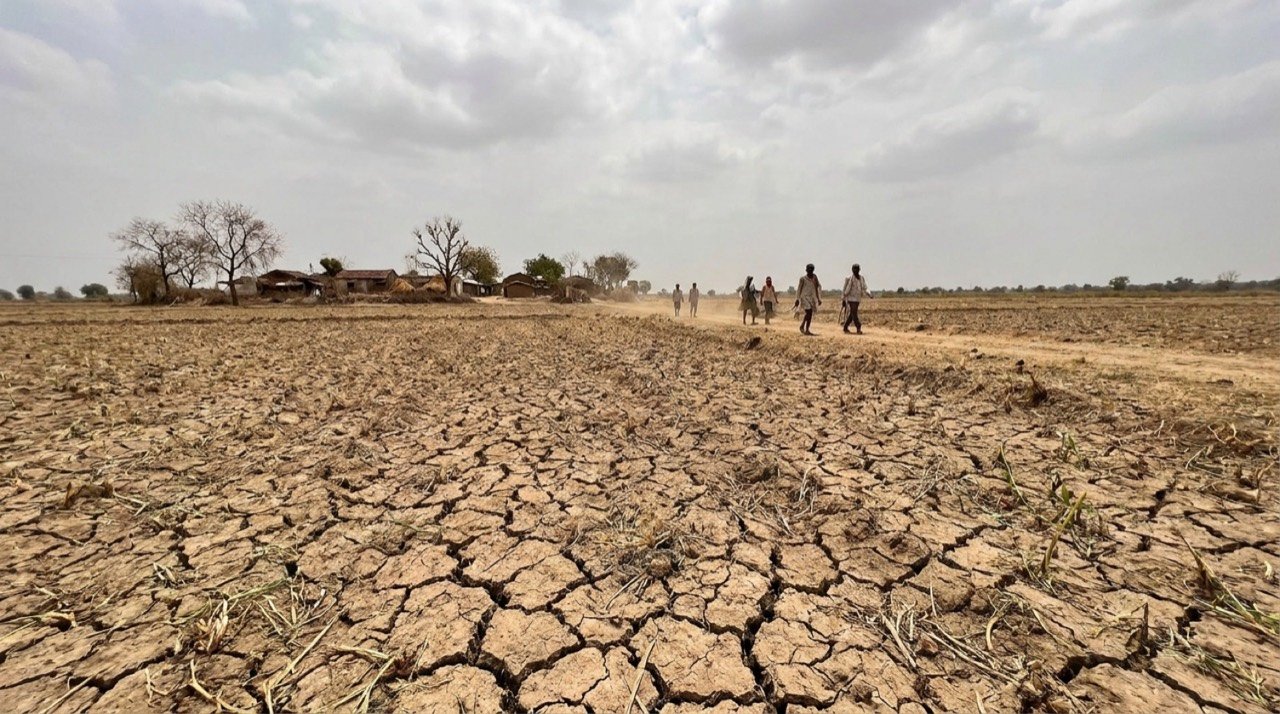
Monsoon Deficit Triggers Farm Contingency Mapping Across 315 Districts
A weak June monsoon, with the rain deficit reported at 43 percent, has pushed the Centre to map 315 districts for contingency measures and tighten oversight of kharif sowing.
Monsoon Arrives Early Across the South, Lifting India's Farm Outlook
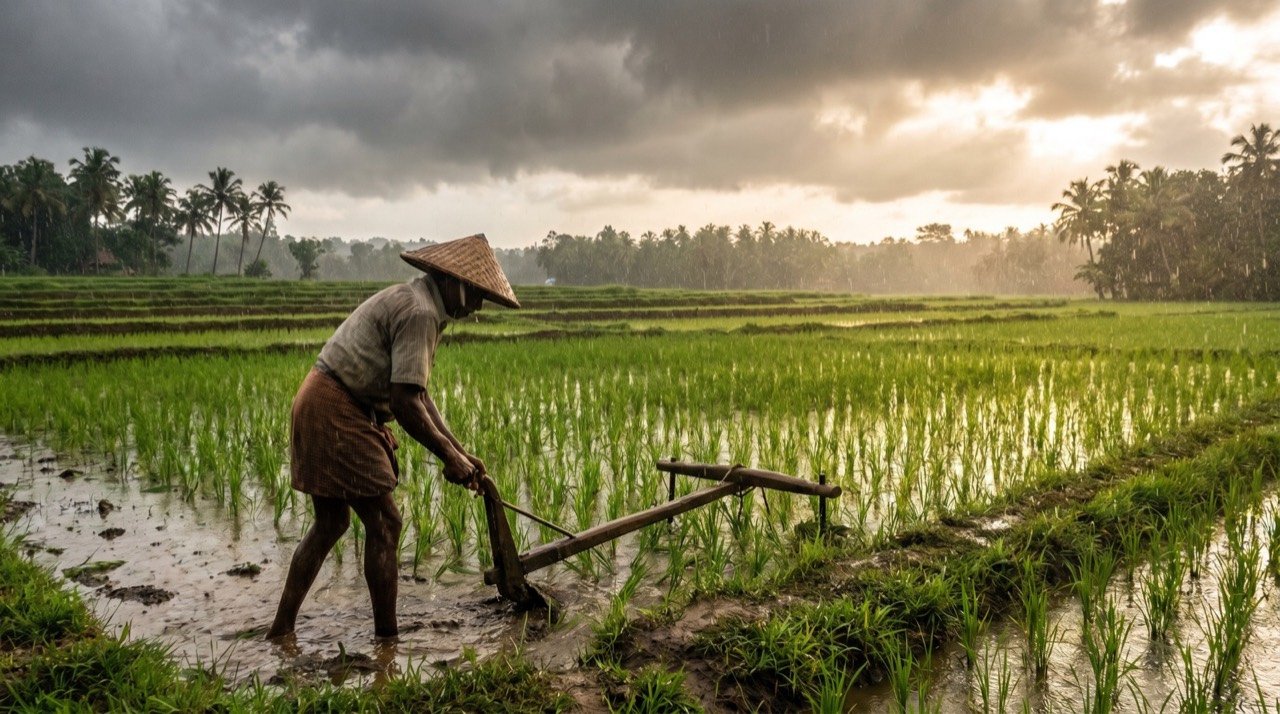
The southwest monsoon has swept in ahead of schedule, raising hopes for a strong kharif sowing season and easing inflation worries — though officials urge caution on how the rains spread.
More from this section
More
Ahmedabad Bullet Train Station Gets Kite-Inspired Multimodal Hub Plan
Ahmedabad's bullet train station is set to be developed as a multimodal transport hub with a kite-inspired design, giving India's high-speed rail project a distinctive urban landmark rooted in local identity.
Arrest in Bengaluru Daycare Case Deepens Child Safety Questions
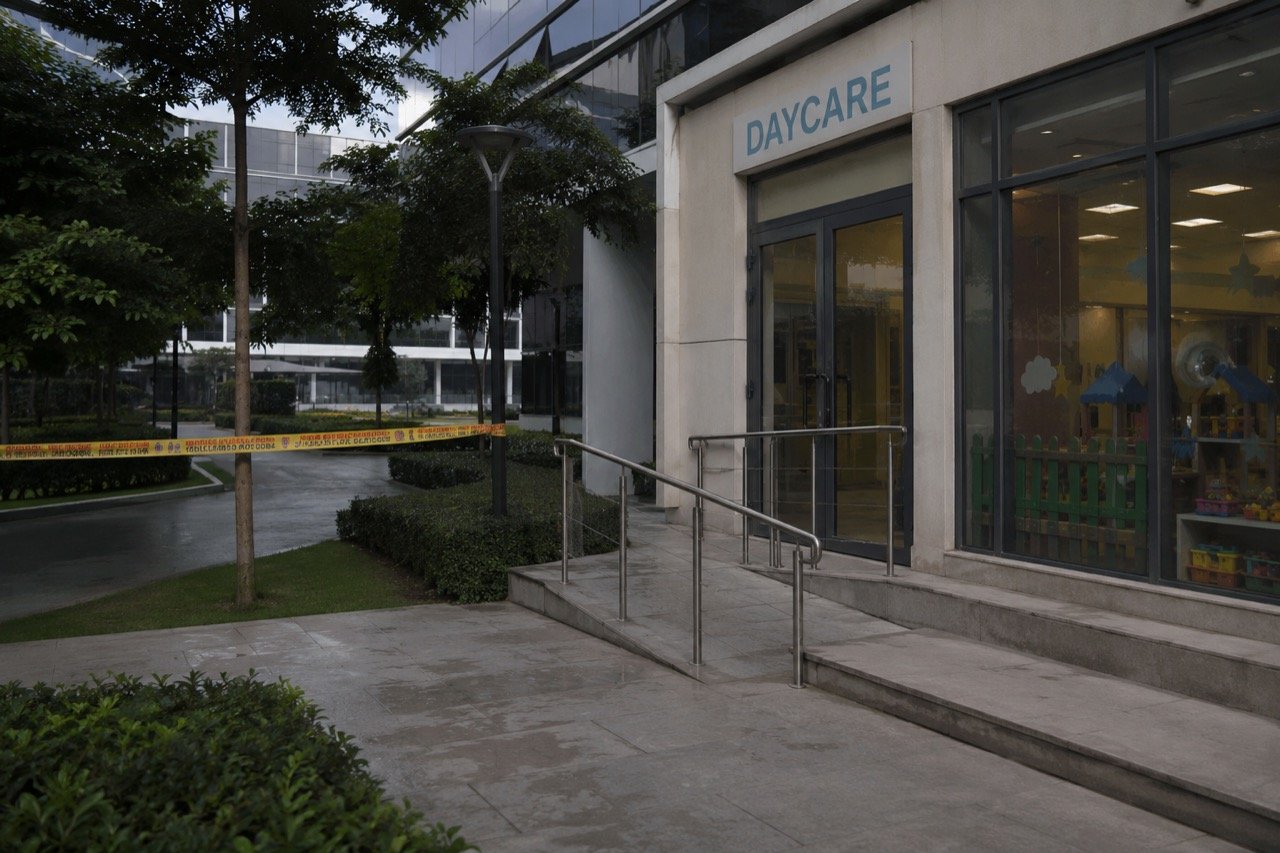
Bengaluru police have arrested a woman connected to the daycare case at a Capgemini campus facility, sharpening scrutiny of caregiver vetting, oversight and accountability at workplace-linked childcare centres.

Assam Case Shows PAN and Voter Cards Are Not Citizenship Proof
A man declared a foreigner in Assam despite holding multiple identity documents has highlighted a crucial legal distinction: everyday IDs establish identity, not citizenship, when a person's legal status is challenged.