Delhi's Monsoon Wait Stretches On as IMD Flags Slow Advance
The India Meteorological Department says the southwest monsoon is unlikely to reach Delhi over the next five days, prolonging heat stress in the capital even as Mumbai is drenched by intense showers.
The NE Times National Desk
Commentary & Analysis ·
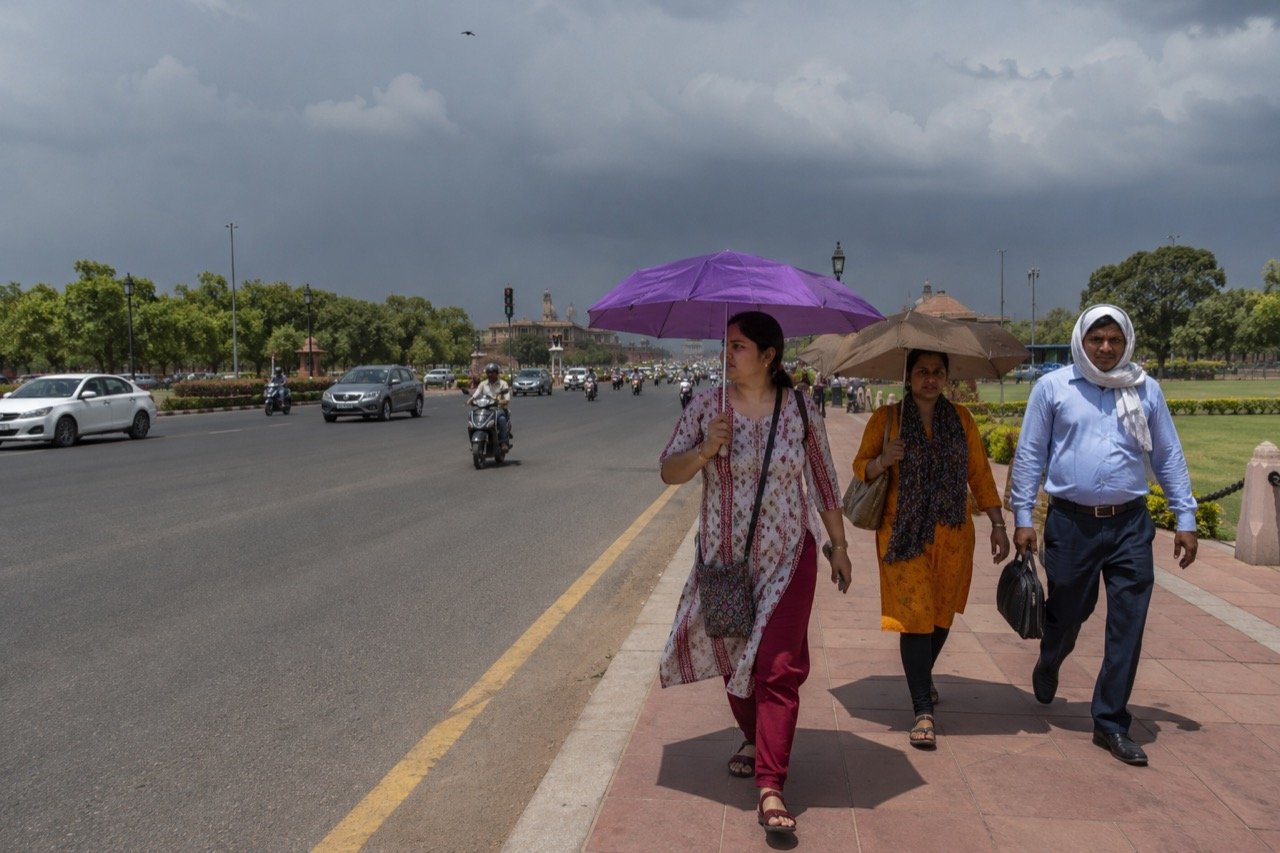
Delhi's wait for the southwest monsoon is set to stretch on, with the India Meteorological Department indicating that the rains are unlikely to reach the national capital over the next five days. The forecast lands hard in a city already coping with heat stress, where residents have been scanning the skies for relief.
Monsoon timing is about far more than comfort. It shapes water demand, power load, air quality, road conditions and public-health planning. A delayed onset keeps temperatures elevated and extends the strain on households, outdoor workers and city services alike.
A tale of two cities
The IMD's slow-advance warning also underscores how uneven India's monsoon can be. One region may be lashed by heavy rain while another waits for the system to inch forward. That contrast is on full display this week, with Mumbai's suburbs recording intense showers even as Delhi's onset remains pending.
For city authorities, the waiting period is an opportunity rather than a lull — a window to clear drains, rehearse traffic responses and issue public advisories before the first major spells arrive. For residents, it is a reminder to track official forecasts rather than assume that cloudy skies guarantee sustained rain.
For now, the message from the IMD is simple: the monsoon is not expected in the capital for several days, and the situation remains weather-dependent, best followed through official updates.
The NE Times View
Delhi's delayed monsoon is a stress test the capital should not waste. Every extra day of heat exposes the gaps in the city's cooling and water arrangements — from outdoor workers without shade breaks to colonies rationing tanker supplies — and those gaps will only widen as onset dates grow more erratic. The productive response is to treat the IMD's five-day horizon as lead time: pre-position drainage crews, audit power capacity for the humid weeks ahead, and communicate ward by ward. India's weather agency is getting better at telling cities what is coming; the harder question is whether cities are getting better at listening.
This article is original commentary and analysis by The NE Times. Background facts were referenced from NDTV and The Economic Times.
You may also like to read
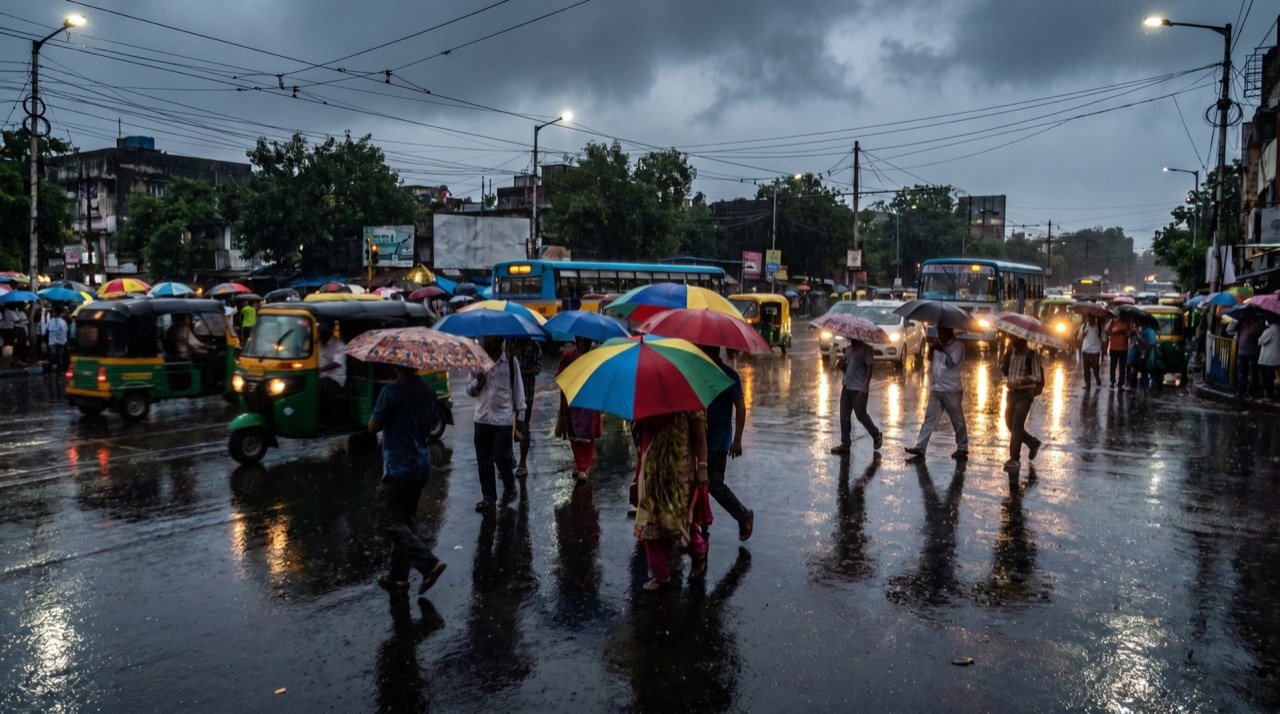
Rain Brings Relief to Delhi-NCR After an Early, Intense Heat Season
Recent rainfall has pulled Delhi's temperatures below normal in mid-June, offering relief after a year marked by an unusually early and severe heatwave across northern India.
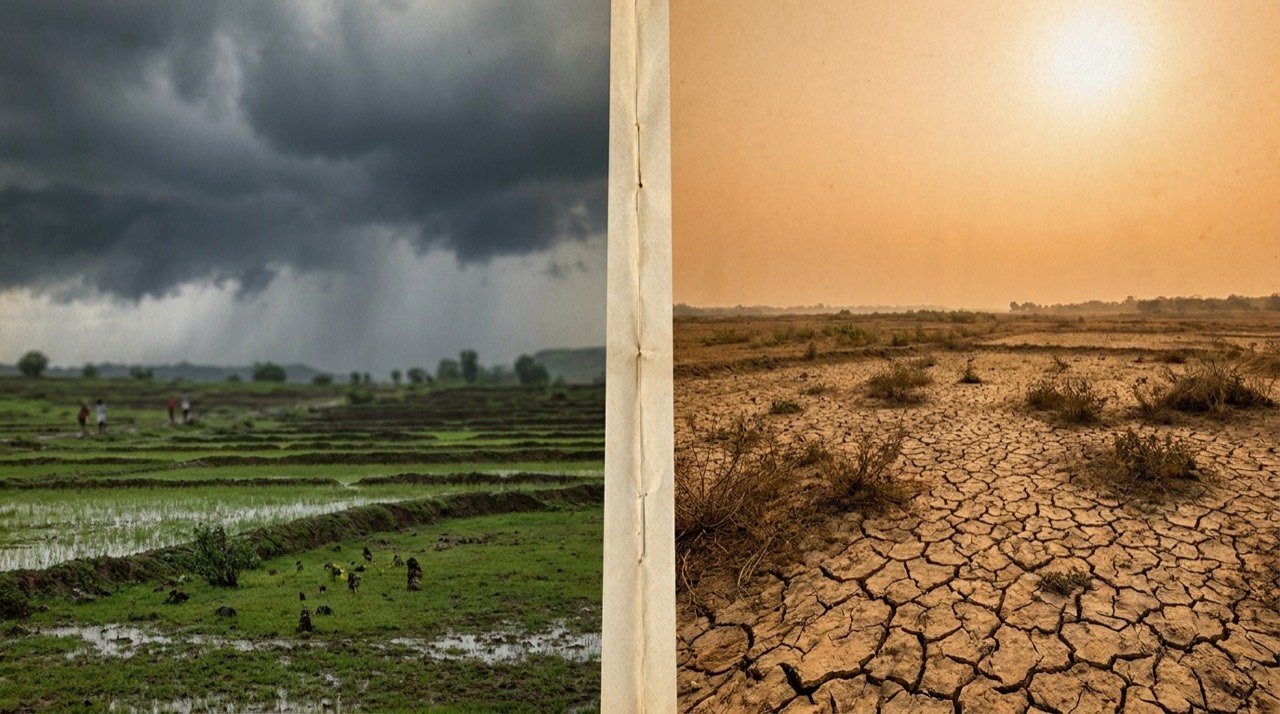
Monsoon Surges Into Central India as Heatwave Grips the East: A Split Weather Map
The India Meteorological Department reported the monsoon advancing into Gujarat and central India on 24 June even as severe heat scorched the east, leaving the country under a sharply divided weather pattern.
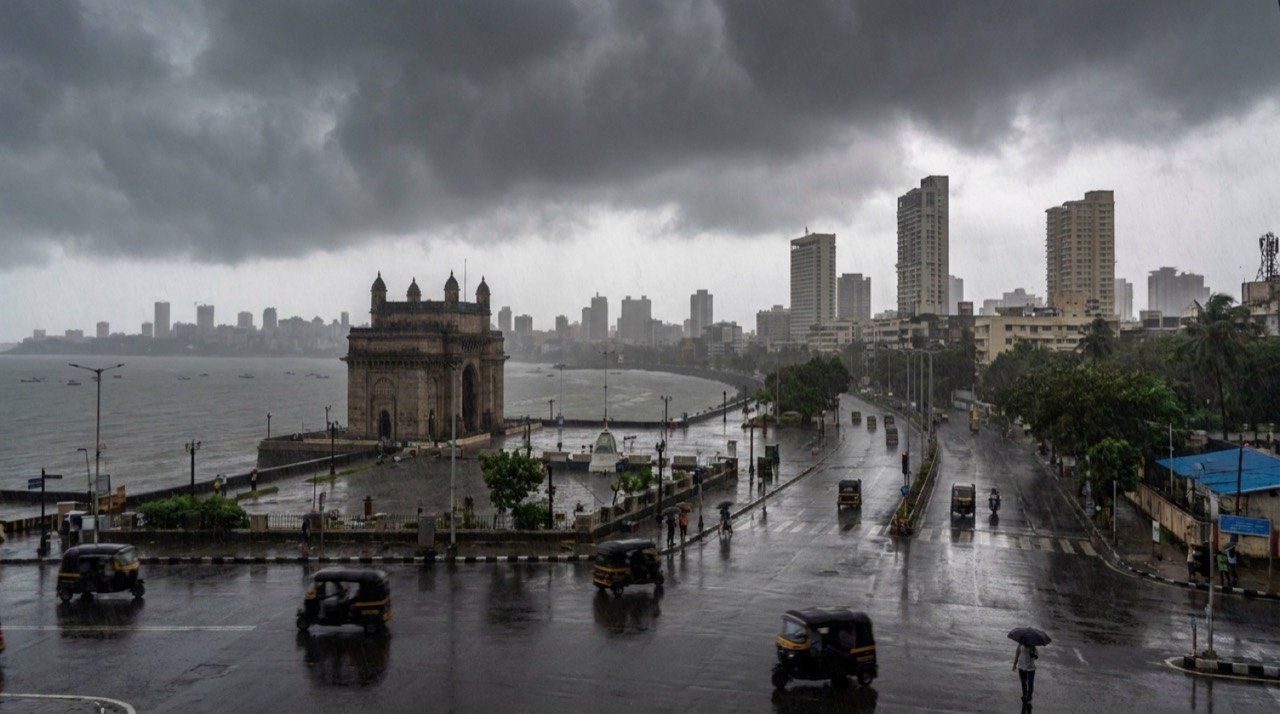
IMD Confirms Southwest Monsoon Onset Over Mumbai After Delayed Spell
The India Meteorological Department has confirmed the Southwest Monsoon's arrival over Mumbai on June 23, bringing relief after a dry, unusually warm early June and pushing the city into full monsoon readiness.
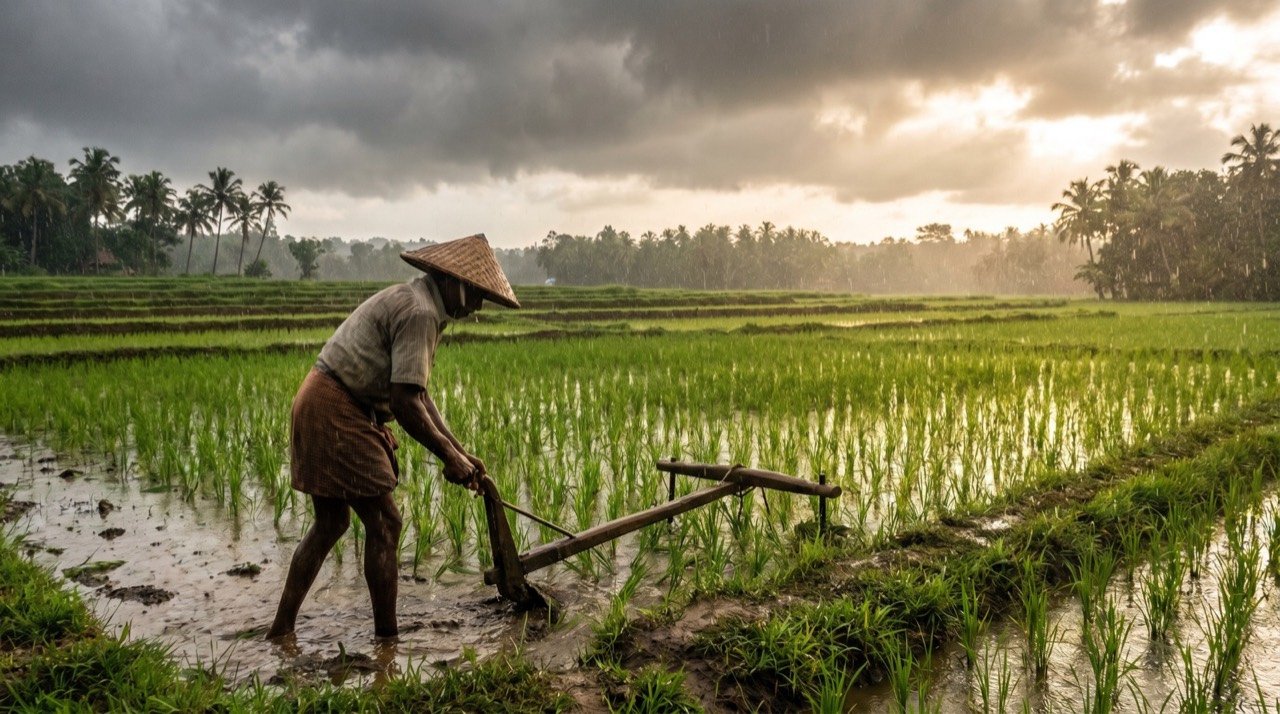
Early, Intense Monsoon Swamps Cities As Mumbai And Gujarat Bear The Brunt
An early and unusually intense monsoon has triggered urban flooding across western India, with Mumbai, Gujarat and Goa recording exceptional rainfall as drainage systems strain under the deluge.
More from this section
More
Ahmedabad Bullet Train Station Gets Kite-Inspired Multimodal Hub Plan
Ahmedabad's bullet train station is set to be developed as a multimodal transport hub with a kite-inspired design, giving India's high-speed rail project a distinctive urban landmark rooted in local identity.
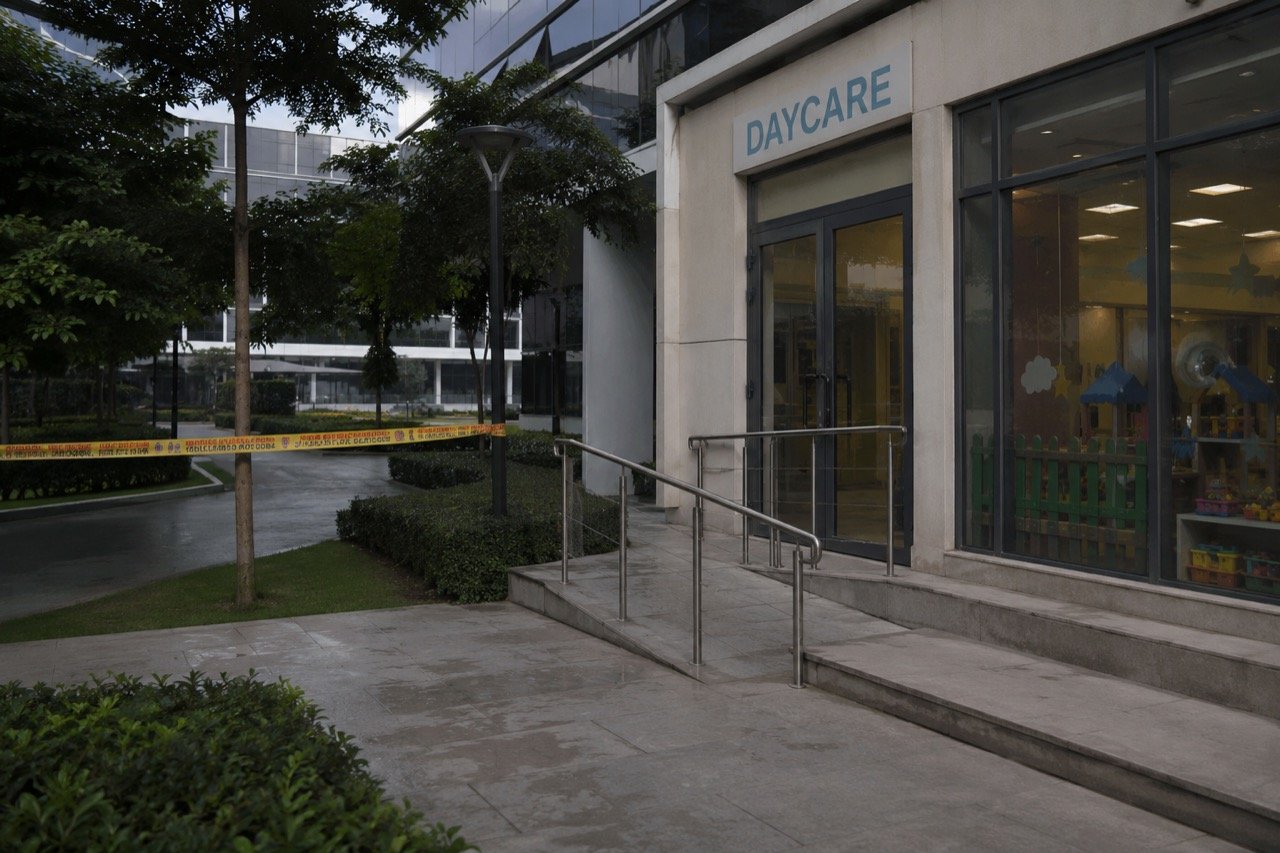
Arrest in Bengaluru Daycare Case Deepens Child Safety Questions
Bengaluru police have arrested a woman connected to the daycare case at a Capgemini campus facility, sharpening scrutiny of caregiver vetting, oversight and accountability at workplace-linked childcare centres.

Assam Case Shows PAN and Voter Cards Are Not Citizenship Proof
A man declared a foreigner in Assam despite holding multiple identity documents has highlighted a crucial legal distinction: everyday IDs establish identity, not citizenship, when a person's legal status is challenged.