Delhi Bets on World Bank-Backed Seven-Year Clean Air Plan
A World Bank-supported seven-year air pollution mitigation plan has put Delhi's clean-air debate back in focus, shifting attention from seasonal emergency curbs to sustained, year-round governance of the capital's toxic air.
The NE Times National Desk
Commentary & Analysis ·
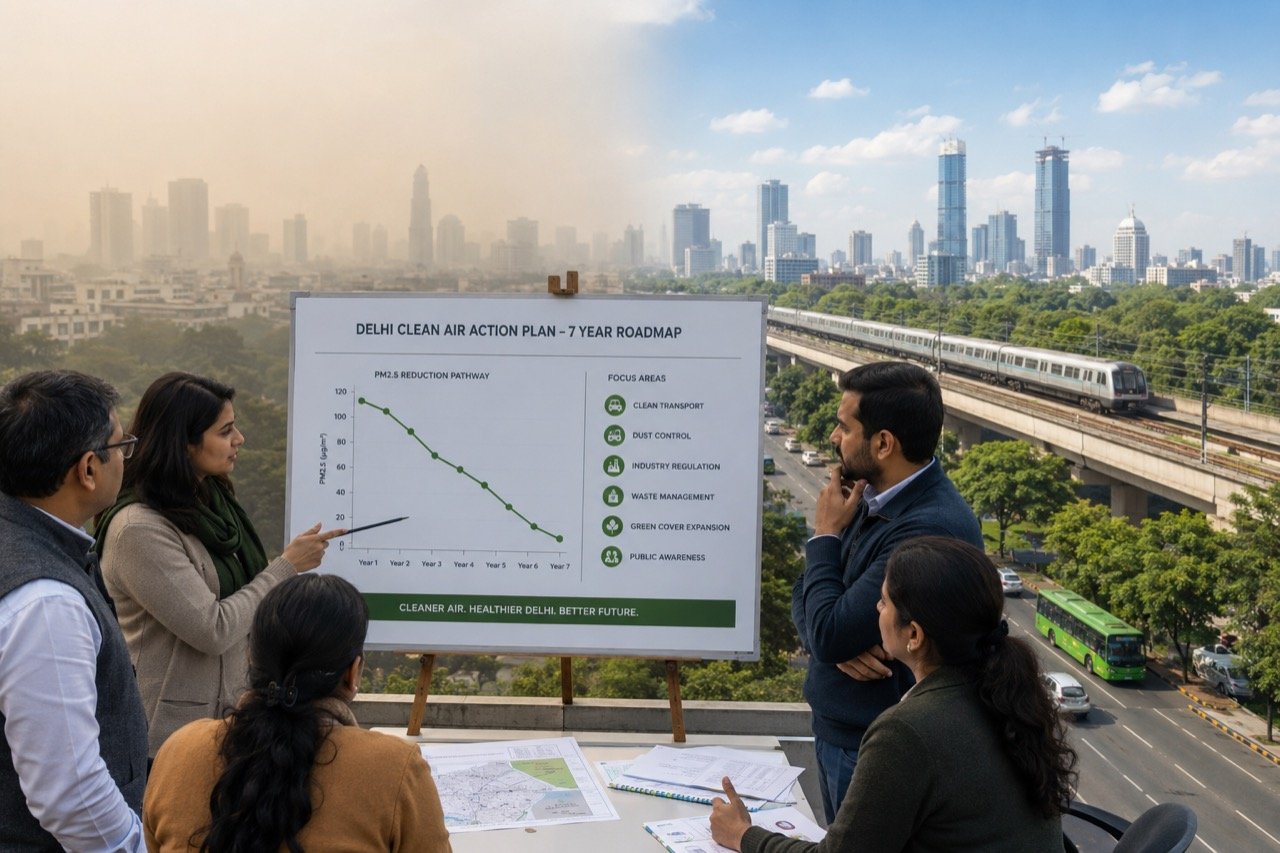
Delhi's air pollution challenge has returned to civic-policy headlines with a seven-year mitigation plan backed by the World Bank entering the city's governance agenda. The development matters because the capital's pollution debate typically peaks during winter emergencies, while durable improvement demands planning that runs all year round.
From crisis response to sustained systems
A seven-year framework signals a shift away from short-term restrictions towards sustained systems: transport reform, dust control, industrial compliance, waste management, continuous monitoring, public health data and coordination with neighbouring states. International funding and technical support can accelerate this work, but execution across Delhi's many overlapping agencies remains the central challenge.
The stakes are hard to overstate. Polluted air affects children, older adults, outdoor workers and anyone with respiratory or cardiac vulnerability. It is also an economic problem, dragging on productivity, inflating healthcare costs and diminishing the liveability that a capital city needs to attract talent and investment.
What would make the plan real
The test of the plan will be transparency: published timelines, budgets, clearly assigned agency responsibilities and public dashboards that let residents track progress. Without those elements, even a well-designed framework risks becoming another file in the system. With them, Delhi could finally move from crisis reaction to sustained air-quality governance measured against real targets rather than announcements.
The NE Times View
Delhi has never lacked pollution plans; it has lacked plans that outlive a single winter or a single government. A seven-year horizon with World Bank backing is welcome precisely because it forces the question of continuity across election cycles and administrative reshuffles. The measure of seriousness will not be the launch event but the first public dashboard, the first missed milestone honestly reported, and the first agency held accountable for it. Delhi's residents should judge this plan by what it publishes, not what it promises.
This article is original commentary and analysis by The NE Times. Background facts were referenced from Indian Express Cities and Indian Express Delhi.
You may also like to read
Neelkanth Mishra Appointed India's Executive Director at the World Bank
The Appointments Committee of the Cabinet cleared the economist's selection for a three-year term, placing a prominent voice on India's economy in a key multilateral role.

Maharashtra Milk Crackdown Puts Food Safety Back on the Agenda
Enforcement drives against milk adulteration in Maharashtra have revived public debate on food quality, spotlighting the need for regular testing, supply-chain vigilance and consumer awareness across India's most-consumed daily staple.
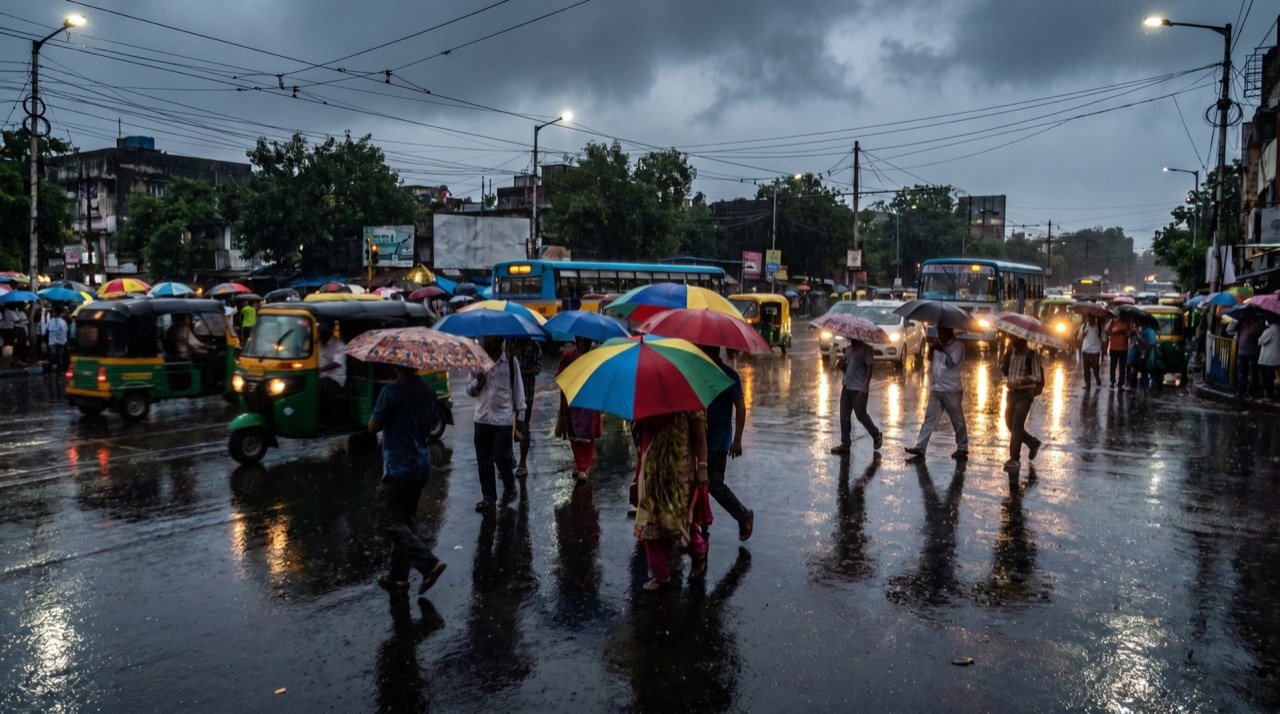
Searing Heat Grips North India As Modi Orders Ministries On High Alert
With temperatures crossing dangerous levels across the north, the IMD has issued widespread heatwave alerts and the Prime Minister has directed ministries and states to step up the emergency response.

World Bank Approves $1.5 Billion to Back India's Reforms and Jobs
The World Bank's $1.5 billion development policy loan aims to support structural reforms, private-sector growth and job creation as millions of young Indians enter the labour market each year.
More from this section
More
Ahmedabad Bullet Train Station Gets Kite-Inspired Multimodal Hub Plan
Ahmedabad's bullet train station is set to be developed as a multimodal transport hub with a kite-inspired design, giving India's high-speed rail project a distinctive urban landmark rooted in local identity.
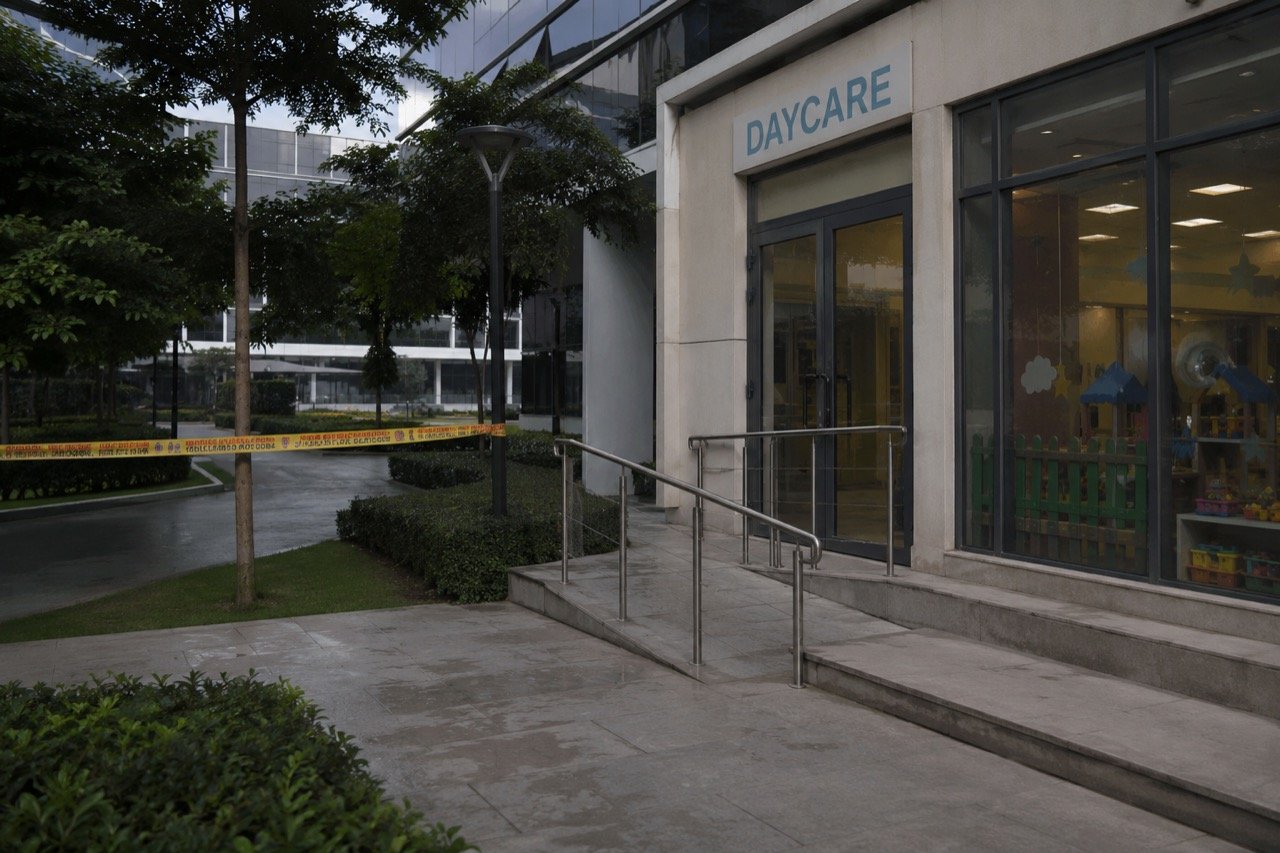
Arrest in Bengaluru Daycare Case Deepens Child Safety Questions
Bengaluru police have arrested a woman connected to the daycare case at a Capgemini campus facility, sharpening scrutiny of caregiver vetting, oversight and accountability at workplace-linked childcare centres.

Assam Case Shows PAN and Voter Cards Are Not Citizenship Proof
A man declared a foreigner in Assam despite holding multiple identity documents has highlighted a crucial legal distinction: everyday IDs establish identity, not citizenship, when a person's legal status is challenged.