Delhi Under Yellow Alert as Monsoon Rain and Gusty Winds Arrive
Showers, thunderstorms and gusty winds swept parts of Delhi under an IMD yellow alert, ending a delayed monsoon wait, with forecasters indicating more rain could continue across the capital until July 9.
The NE Times National Desk
Commentary & Analysis ·
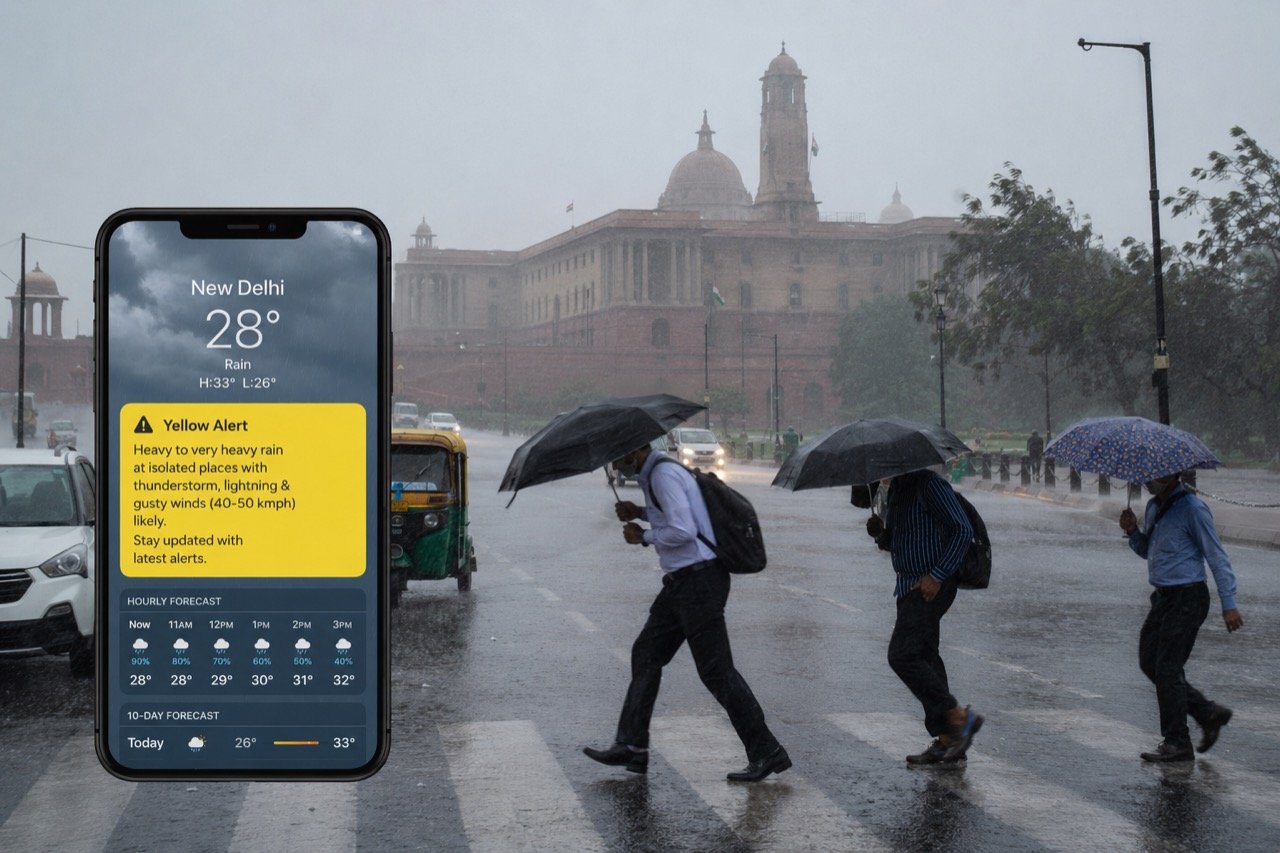
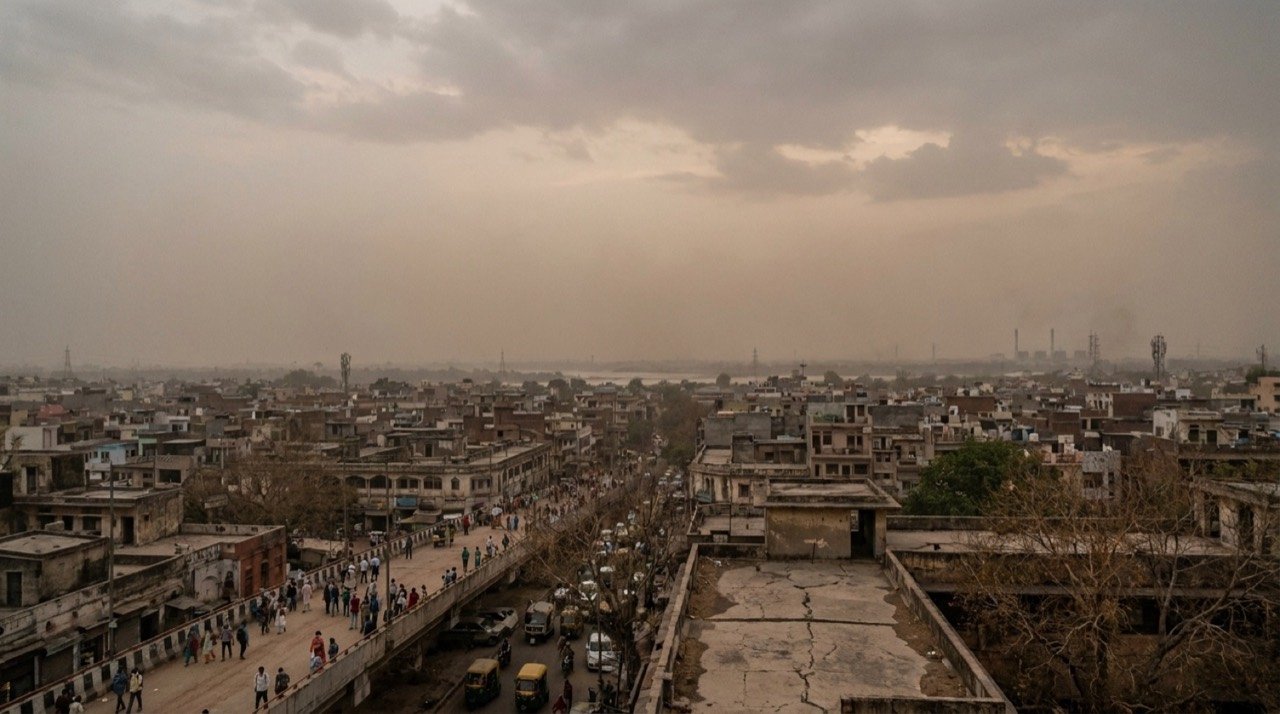
Delhi's long monsoon wait finally broke as rain swept across parts of the capital, accompanied by thunderstorms, lightning and gusty winds. The India Meteorological Department placed the city under a yellow alert, with forecasts suggesting showers could continue until July 9.
What a yellow alert asks of residents
A yellow alert signals caution rather than emergency, but it still asks citizens to stay weather-aware. For residents the story is intensely practical: rain brings relief from heat, yet it can also snarl traffic, waterlog low-lying roads and disrupt power supply in vulnerable neighbourhoods. Commuters and households in flood-prone pockets have the most reason to track updates closely.
Why the timing matters
The showers arrive after a stretch of delayed monsoon conditions and heat stress in the capital. Even moderate rainfall can shift air quality, temperature and commuting patterns within hours, which is why the first spells of the season tend to dominate city conversation well beyond weather pages.
The next few days will show whether the alert escalates or eases. The details to watch are rainfall distribution across Delhi-NCR, traffic and civic advisories, and whether drainage systems cope with sustained spells rather than one-off showers.
The NE Times View
Every Delhi monsoon follows the same script: relief on day one, waterlogged frustration by day three. The yellow alert is less a warning about the sky than a test of the ground — drains, traffic management and power infrastructure that are promised upgrades every year. Residents should take the caution seriously, but civic agencies should take it more seriously still. A city preparing a seven-year clean-air plan ought to be able to manage seven days of forecast rain without its arterial roads turning into canals.
This article is original commentary and analysis by The NE Times. Background facts were referenced from Times of India Delhi and NDTV Weather.
You may also like to read
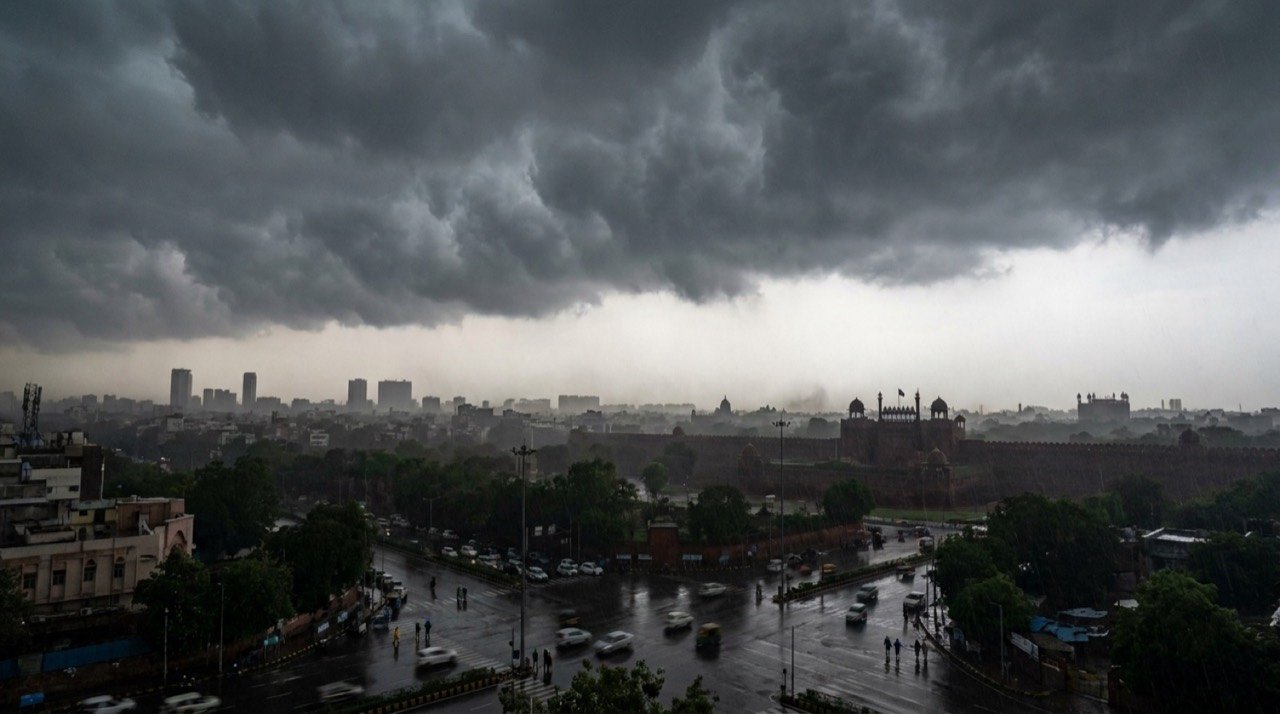
Delhi-NCR Weather Alert: Thunderstorms, Lightning and Strong Winds Forecast Across Capital Region
The India Meteorological Department has placed Delhi-NCR under a heightened weather watch, warning of thunderstorms, lightning, gusty winds and rain that could disrupt traffic, flights and power supply.
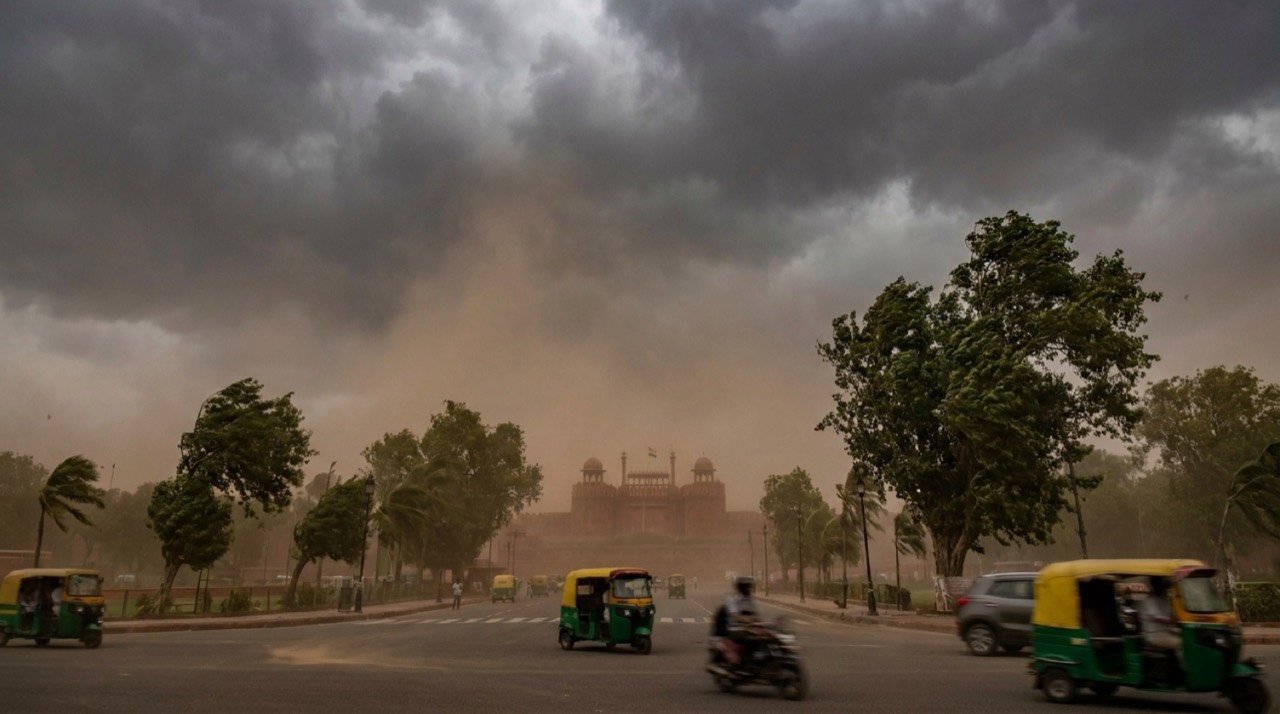
Delhi Red Alert: Dust Storms, Lightning and Rain Sweep the National Capital Region
Delhi moved under a short-term red weather alert on June 23 as dust storms, strong winds and severe thunderstorms threatened traffic, flights, power supply and outdoor safety across the National Capital Region.
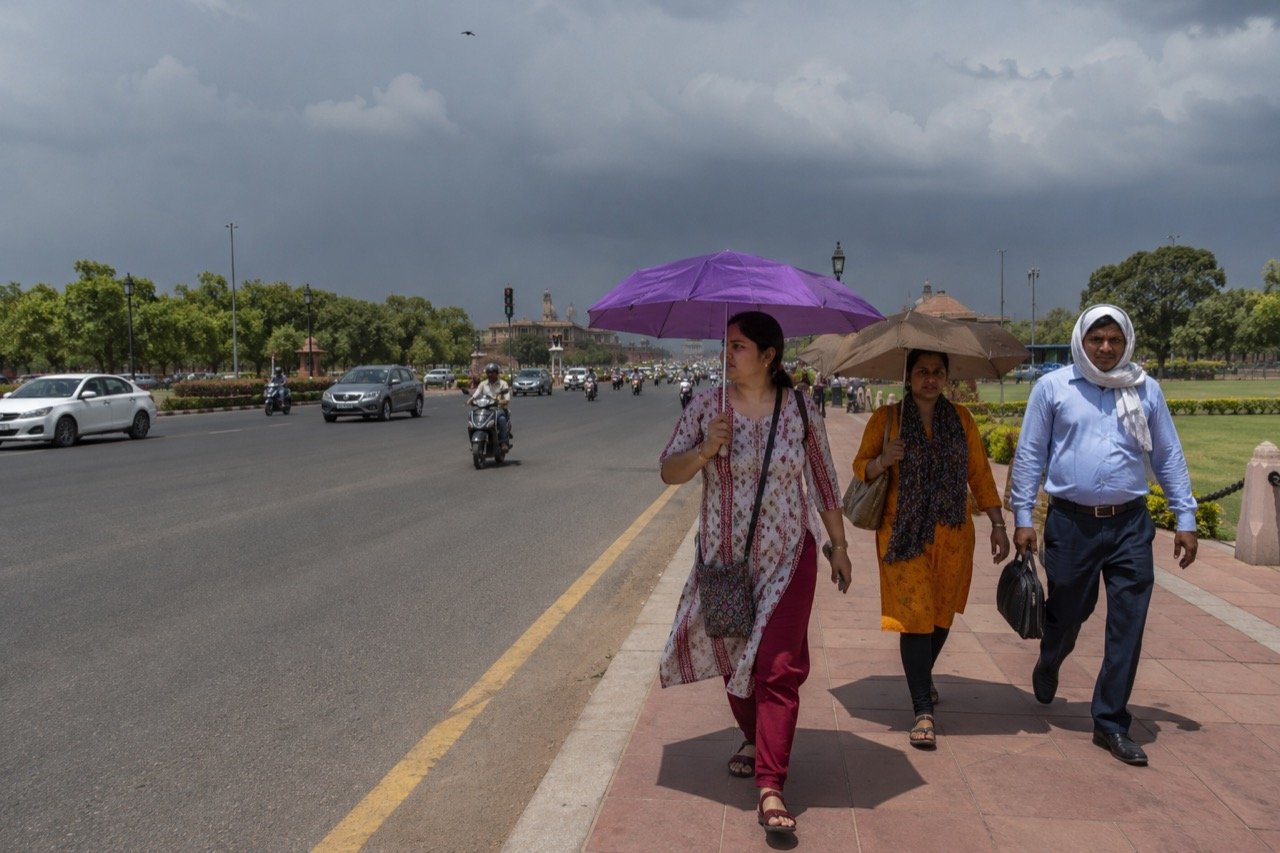
Delhi's Monsoon Wait Stretches On as IMD Flags Slow Advance
The India Meteorological Department says the southwest monsoon is unlikely to reach Delhi over the next five days, prolonging heat stress in the capital even as Mumbai is drenched by intense showers.
Delhi Waits for Monsoon Relief Amid Rain Deficit and Persistent AQI Watch
As June ends, Delhi faces a rainfall deficit and uncertain monsoon timing while PM2.5 and PM10 levels keep air quality in a moderate-to-poor zone, raising stakes for water, power and public health.
More from this section
More
Ahmedabad Bullet Train Station Gets Kite-Inspired Multimodal Hub Plan
Ahmedabad's bullet train station is set to be developed as a multimodal transport hub with a kite-inspired design, giving India's high-speed rail project a distinctive urban landmark rooted in local identity.

Arrest in Bengaluru Daycare Case Deepens Child Safety Questions
Bengaluru police have arrested a woman connected to the daycare case at a Capgemini campus facility, sharpening scrutiny of caregiver vetting, oversight and accountability at workplace-linked childcare centres.

Assam Case Shows PAN and Voter Cards Are Not Citizenship Proof
A man declared a foreigner in Assam despite holding multiple identity documents has highlighted a crucial legal distinction: everyday IDs establish identity, not citizenship, when a person's legal status is challenged.