Uddhav Thackeray Backs Cockroach Janta Party Protest as Youth Movement Plans 20 July Parliament March
A satirical online formation has grown into a wider campaign over examination accountability, drawing support from established political leaders while testing whether digital anger can sustain organised action.
Commentary & Analysis ·
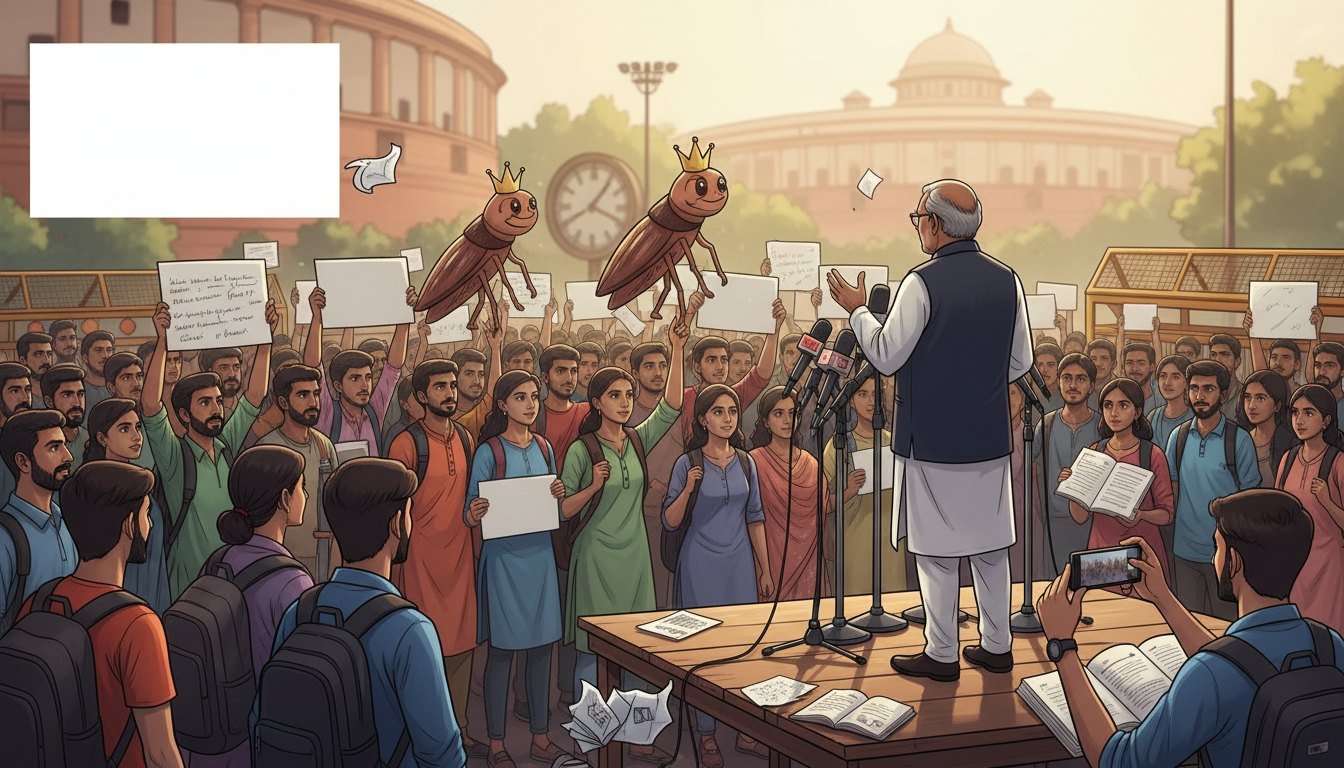
Shiv Sena (UBT) leader Uddhav Thackeray has publicly backed the Cockroach Janta Party protest, giving a new layer of political visibility to a youth-led movement that began with satire and social-media mobilisation. Thackeray called for Union Education Minister Dharmendra Pradhan to be replaced and said his party would hold a supporting protest in Maharashtra when the group plans to march towards Parliament on 20 July, the opening day of the Monsoon Session. He also indicated that Shiv Sena (UBT) members of Parliament would raise the issue inside the legislature.
The movement’s central demand is the resignation of the education minister over alleged failures and irregularities in examinations and recruitment processes. Supporters have connected their campaign to concerns about paper leaks, disputed exam administration, delays and the broader pressure faced by students preparing for highly competitive tests. These are allegations and political demands, not judicial findings against the minister. The government and relevant testing agencies are entitled to respond, and any specific claim should be assessed through evidence and official inquiry.
What makes the Cockroach Janta Party protest unusual is its origin. The name and symbol emerged from online mockery and a sense among young people that they were treated as disposable or expected to survive repeated institutional failures. The irreverent branding helped the group gain rapid attention, but it also created a strategic challenge: a movement built through memes must prove that it can define realistic demands, verify information, maintain discipline and negotiate with institutions. Visibility can be achieved in days; credibility takes longer.
Uddhav Thackeray CJP support matters because established parties can provide organisational networks, media access and parliamentary reach. At the same time, formal political endorsement can complicate a movement that presents itself as independent of conventional party structures. Some supporters may welcome opposition backing as necessary pressure on the government. Others may fear that party competition will overshadow student concerns. The leadership will need to decide whether alliances are tactical, issue-based and transparent or whether the movement is evolving into a more conventional political formation.
The planned July 20 Parliament march will be a test of those choices. Marches towards sensitive government zones require police permission, route negotiation, crowd management and clear communication with participants. Leaders have a duty to keep the event peaceful and prevent misinformation about permitted areas. Authorities, for their part, should facilitate lawful democratic expression while protecting public safety. Heavy-handed restrictions can intensify anger, but organisers must also respect lawful boundaries and ensure that minors or vulnerable participants are not placed at risk.
The demand for education accountability resonates because competitive examinations shape life chances on an enormous scale. A single disputed paper or administrative error can affect months or years of preparation. Families often spend substantial sums on coaching, travel and accommodation. When an exam is cancelled or questioned, the cost is emotional as well as financial. Students may feel that the system imposes strict standards on them while institutions face limited consequences for failure. That imbalance is the political fuel behind the exam irregularities protest.
A constructive policy response would go beyond defending or removing one office-holder. India needs secure question-paper systems, transparent vendor selection, independent technical audits, rapid investigation of leaks, clear rules for re-examinations and compensation mechanisms where candidates suffer documented losses. Testing bodies should publish timelines, incident reports and corrective actions without compromising exam security. Grievance systems must produce reasoned decisions rather than automated acknowledgements. Accountability is stronger when it is designed into the process instead of activated only after a protest goes viral.
The movement also illustrates a generational change in political communication. Young organisers can build a national audience without the local offices, print networks or traditional cadres that earlier movements required. Livestreams, short videos and group messaging allow rapid mobilisation. But the same tools can circulate rumours and edited clips faster than corrections. A responsible youth movement must establish its own verification standards, correct errors publicly and separate documented cases from unproven claims. Trust can be lost quickly when activism rewards outrage more than accuracy.
Sonam Wangchuk’s participation and hunger strike have added moral urgency and public concern. Thackeray appealed to him to end the fast, arguing that his life was valuable. Hunger strikes have a long place in Indian protest politics, but they carry serious medical risks and can shift attention from policy demands to the health of an individual. Organisers should ensure independent medical monitoring and avoid presenting self-harm as a requirement for political legitimacy. A democratic system should respond to reasoned grievances before anyone’s health deteriorates.
The Dharmendra Pradhan resignation demand will probably remain the movement’s clearest slogan, yet its long-term relevance will depend on whether it can convert anger into reforms. A resignation can signal political responsibility, but it does not automatically secure examination databases, improve procurement or prevent local corruption. The stronger agenda is a public, measurable reform programme with deadlines and oversight. That would allow students to judge progress regardless of which party is in power.
As the Cockroach Janta Party protest approaches 20 July, three questions will define the next phase. Can it remain peaceful and fact-based? Can it preserve youth ownership while accepting support from established parties? And can it articulate institutional reforms that extend beyond one minister? Uddhav Thackeray’s endorsement has expanded the political stage. The movement must now show whether it can use that stage without being absorbed by it.
You may also like to read
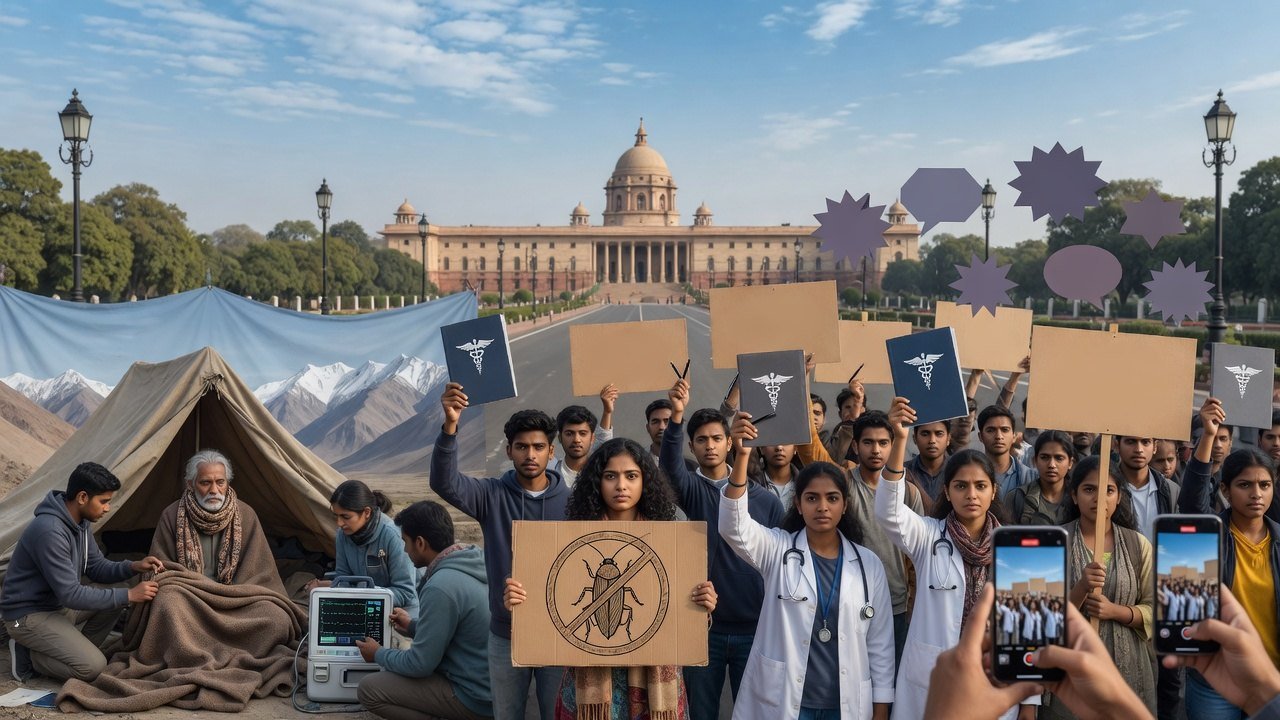
Cockroach Janta Party Protest Keeps NEET Accountability and Sonam Wangchuk's Hunger Strike in the Spotlight
The CJP says the Centre has remained silent as Sonam Wangchuk's hunger strike enters its 18th day, keeping examination integrity and youth-led political protest in focus.
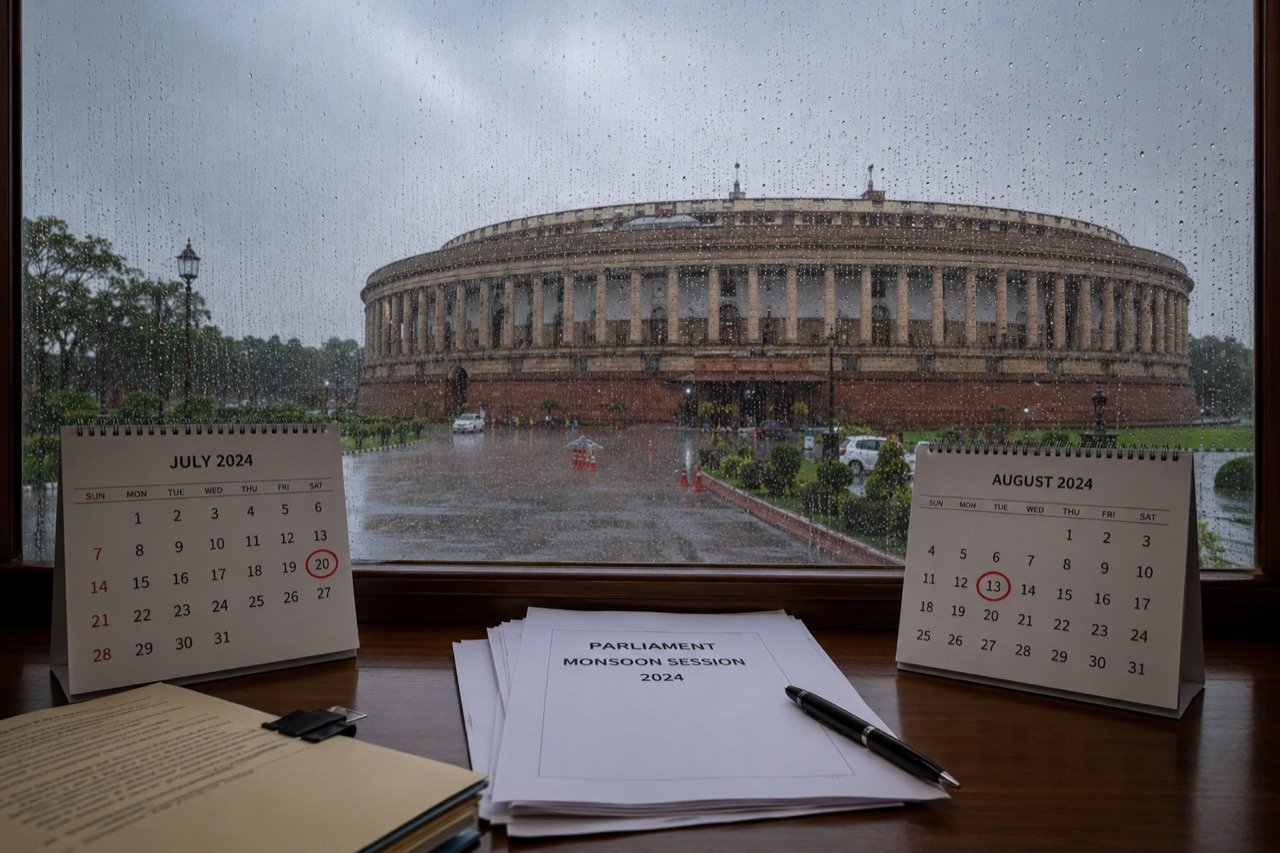
Parliament's Monsoon Session Set For July 20 To August 13
President Droupadi Murmu has approved the government's recommendation for the 2026 Monsoon Session, giving India's political calendar a fixed window for legislation, debate and opposition strategy.
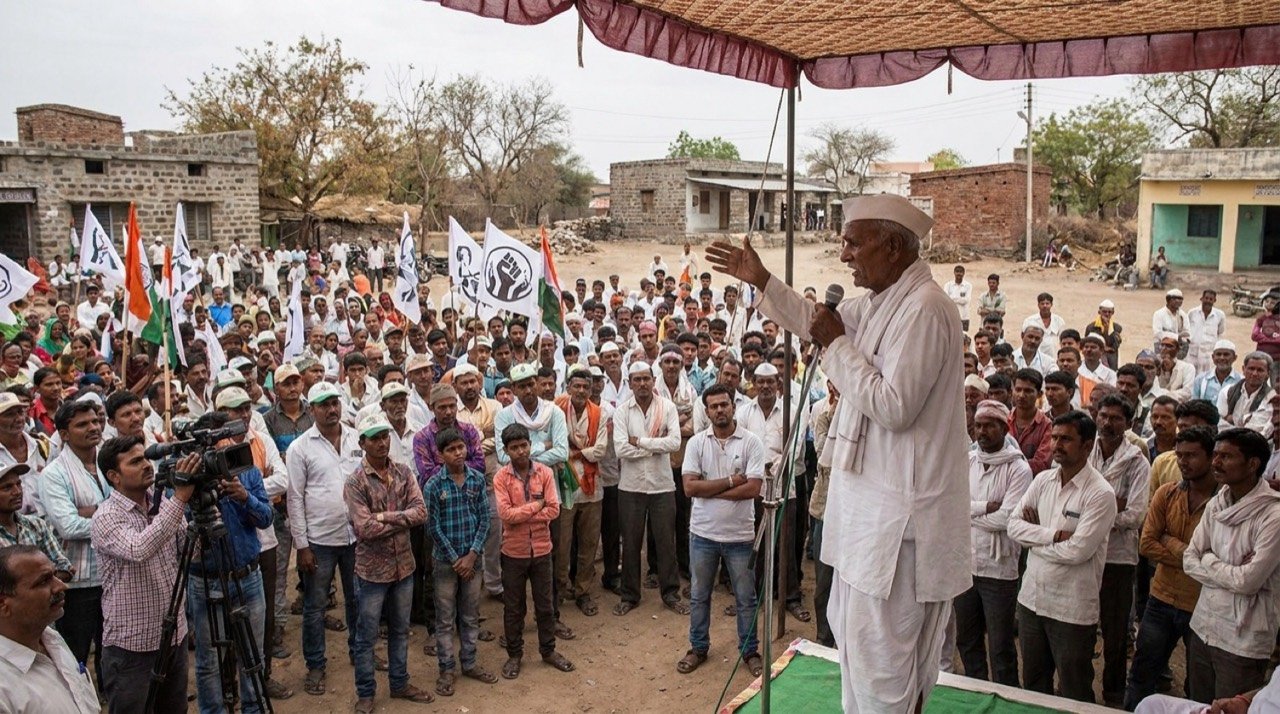
Anna Hazare Warns of July 5 Hunger Strike Over Maharashtra RTI Rule Changes
Veteran activist Anna Hazare has threatened an indefinite fast from July 5 at Ralegan Siddhi unless Maharashtra rolls back amendments to its Right to Information rules that he says could weaken citizens' access to information.
TMC Bengal Chief Quits Within a Month, Putting Party Under Scrutiny
A close aide of Mamata Banerjee has reportedly stepped down as the Trinamool Congress's Bengal unit chief barely weeks after taking charge, reviving questions about organisational stability inside West Bengal's ruling party.