Chhattisgarh Biogas Policy 2026: Farm Waste to Clean Fuel and Jobs
Chhattisgarh has approved a compressed biogas policy for 2026 that aims to convert agricultural residue, cattle dung and organic waste into clean fuel while opening up new employment opportunities across rural districts.
The NE Times Business Desk
Commentary & Analysis ·
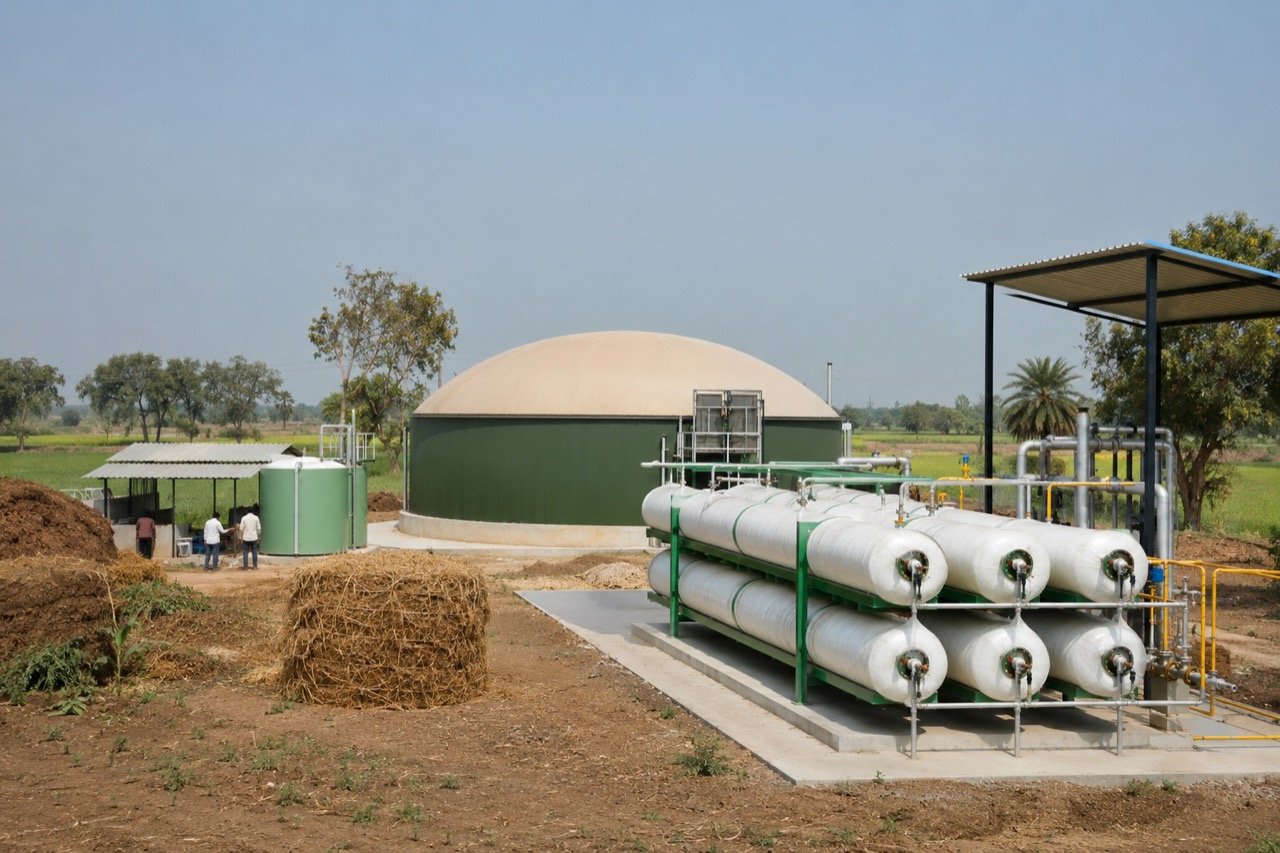
Chhattisgarh has approved a compressed biogas (CBG) policy for 2026 designed to turn agricultural residue, cattle dung and organic waste into clean fuel, according to ET Government. Alongside energy generation, the framework is explicitly pitched at creating rural employment, tying the state's climate ambitions to local incomes.
A circular economy bet
The policy's core idea is circular: materials usually written off as waste become energy feedstock if collection, processing and market linkages can be made to work. Compressed biogas can support a cleaner fuel supply, cut open burning of crop residue and seed local enterprise around plants — from feedstock aggregation to distribution.
Why Chhattisgarh is well placed
Chhattisgarh's agriculture and livestock-linked biomass is available across many districts, giving the state a natural feedstock base. If implementation holds up, jobs could emerge across the chain — collection, transport, plant operation and maintenance — putting rural workers at the centre of a clean-energy value chain rather than at its margins.
Execution is the real test
Policy is not production. Feedstock aggregation at scale, plant financing, offtake agreements, gas quality standards and distribution infrastructure will decide whether the 2026 framework delivers. CBG is also no complete energy solution — it is one component of a broader clean-energy mix, though its distinctive strength is connecting climate goals with waste management and rural income.
The NE Times View
Chhattisgarh's move underlines a quiet shift in India's energy transition: it is becoming local. Solar parks and EVs dominate headlines, but state-level bioenergy frameworks like this one may matter just as much for rural India, because they convert an environmental liability — crop residue and animal waste — into livelihoods. The risk is familiar: ambitious state policies often stall at the financing and offtake stage, leaving plants half-built and farmers unpaid. If Chhattisgarh pairs this policy with credible purchase guarantees and transparent feedstock pricing, it could offer a template for other agrarian states; if not, it will join a long list of well-intentioned announcements.
This article is original commentary and analysis by The NE Times. Background facts were referenced from ET Government.
You may also like to read
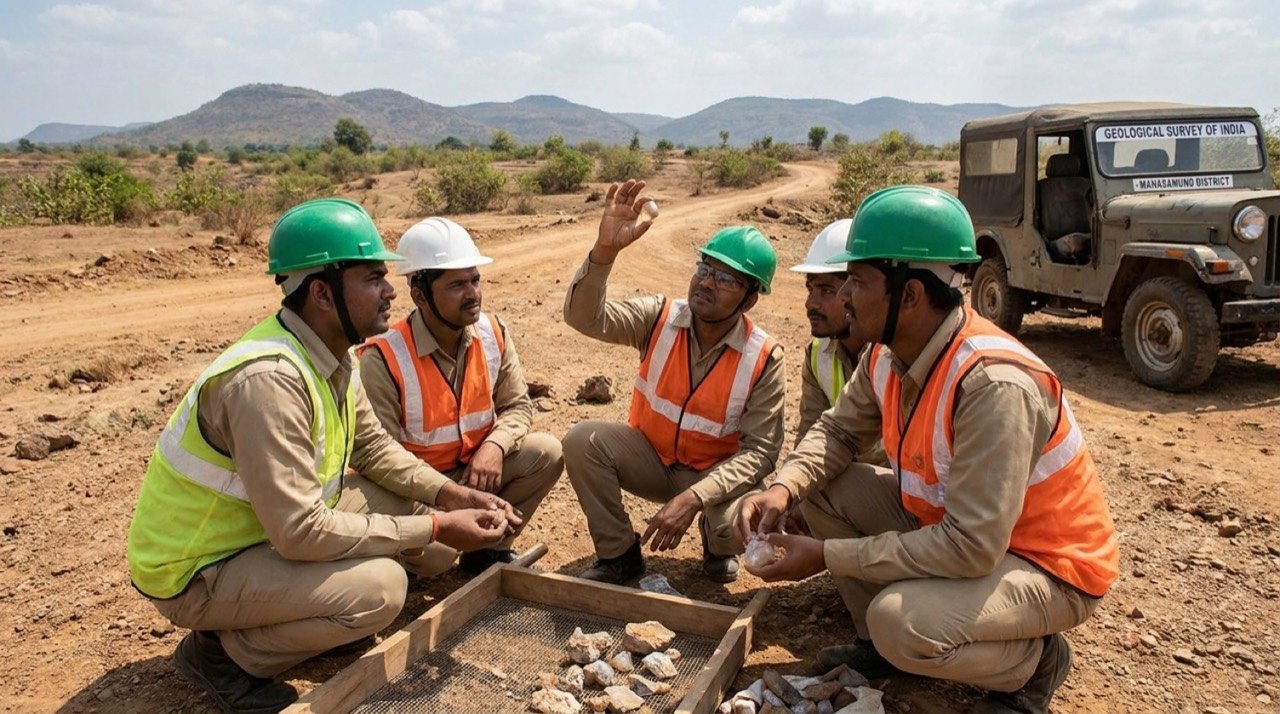
Gem-Quality Diamonds Found in Chhattisgarh Exploration Block
Officials say five diamonds, including two of gem quality, were recovered during scientific exploration at the Baloda-Belmundi block in Chhattisgarh's Mahasamund district, hinting at a wider diamond-bearing zone.
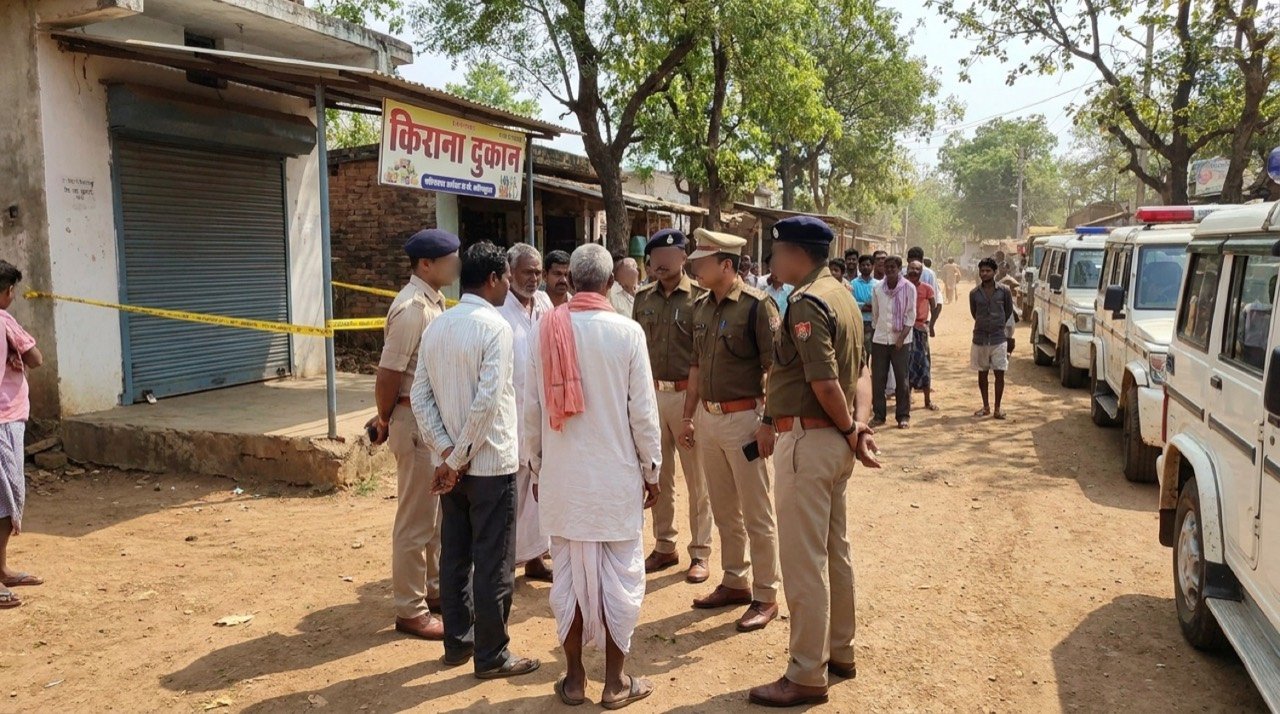
Chhattisgarh Shopkeeper Arrested in Alleged Serial Poisoning of Eight Men
Police in Chhattisgarh's Balodabazar district have arrested a shopkeeper accused of poisoning eight men over months with borax-laced alcohol, in a case that gripped Kharve village with fear.
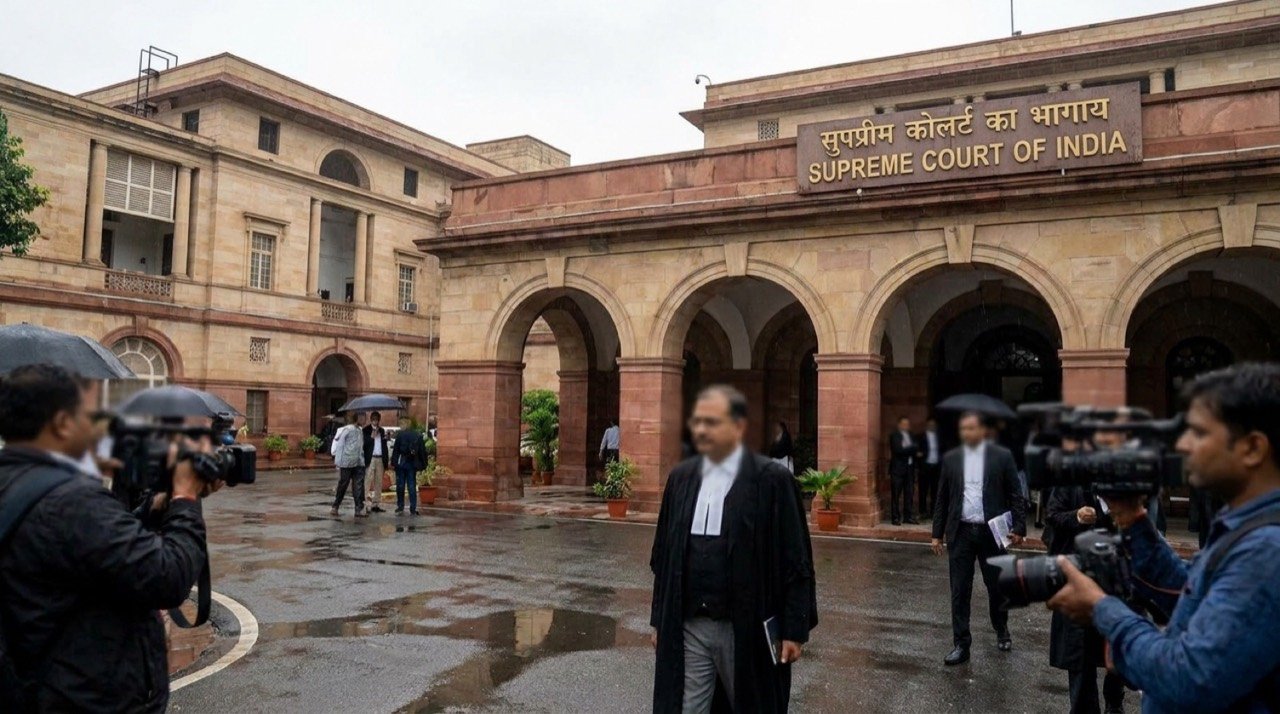
Supreme Court Fines Chhattisgarh Rs 2 Lakh in Decades-Old Land Compensation Case
The Supreme Court has fined the Chhattisgarh government Rs 2 lakh and upheld compensation with interest for landowners whose plot was taken for a road in 1986 without payment.

WTO Sets Up Panel in China's Challenge to India's Solar and IT Goods Tariffs
A World Trade Organization dispute panel will now examine China's complaint against Indian duties on solar cells, modules and IT goods, testing New Delhi's tariff policy space.
More from this section
More
Adani Case: US DOJ Pushes for Permanent Dismissal of Charges
The US Department of Justice has urged a judge to permanently dismiss charges against Gautam Adani, calling the case legally flawed — a reversal with consequences for markets, diplomacy and cross-border enforcement.

Akasa Air Inducts 40th Aircraft in Indian Aviation Scale-Up
Akasa Air's 40th aircraft, ferried to Bengaluru via Seattle, Reykjavik and Cairo, marks a fleet milestone for the young carrier and a fresh signal that India's aviation market remains firmly in expansion mode.

BARC Ratings Suspension Leaves Indian TV Industry Flying Blind
BARC's pause on television ratings has put India's broadcast measurement system under fresh scrutiny, leaving broadcasters, advertisers and media planners without the weekly audience data that anchors the TV economy.