Centre Names 23 More Designated Terrorists, Taking List to 80
The Union government has designated 23 more individuals as terrorists, expanding India's official list to 80 names, with several reportedly linked to attacks and cases connected to Jammu and Kashmir.
The NE Times National Desk
Commentary & Analysis ·
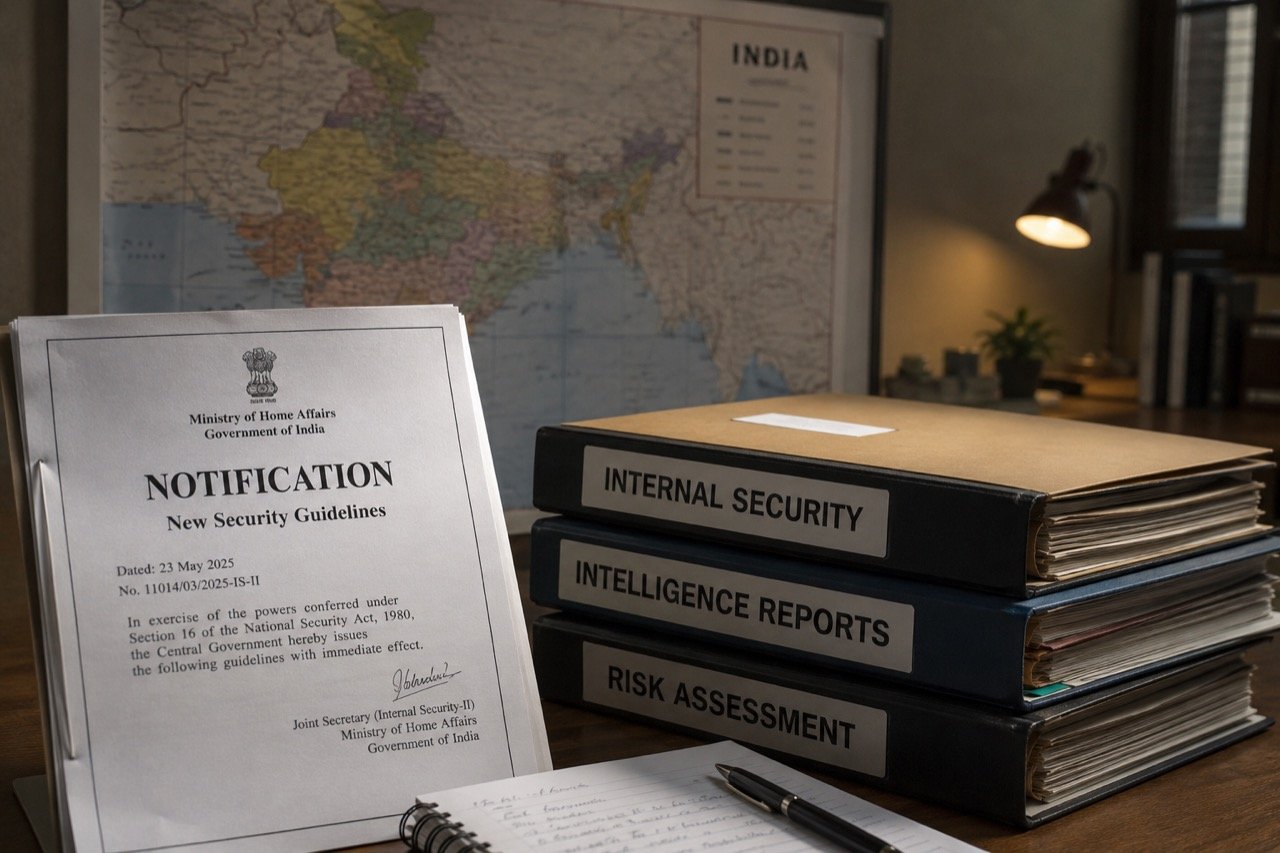
The Union government has designated 23 more individuals as terrorists, taking India's official list to 80 names, in one of the more significant national security moves of the week. According to the Indian Express, the expanded list includes a number of Indians who relocated to Pakistan, as well as several people linked to attacks in Jammu and Kashmir.
Times of India reporting adds that the new entries include an operative accused of conducting reconnaissance of the Ram temple and a son-in-law of Hafiz Saeed, underlining the cross-border dimension the government attaches to the designations.
What designation actually does
Being named a designated terrorist is a legal and administrative action under India's counter-terror framework, most notably the UAPA. It is distinct from a court conviction: the designation restricts an individual's movement, finances, networks and public legitimacy, and signals the government's threat assessment, but the underlying cases still travel through the legal system.
For readers, the practical questions are who has been named, which cases and charges are cited against them, and what enforcement follows. Designation lists also carry diplomatic weight, particularly where cross-border terrorism is alleged, since they put named individuals and their host states on notice internationally.
What comes next
The likely next developments include enforcement action against the newly listed individuals, possible diplomatic exchanges with Pakistan, and legal challenges from those designated. The immediate takeaway is that India's security list has grown materially, and the Centre is leaning on designation as a central instrument of its counter-terror strategy.
The NE Times View
Designation is a legitimate and increasingly used tool, but its credibility rests on precision. Each name added to the list must be backed by documented cases that can withstand legal and international scrutiny, or the instrument risks being dismissed as symbolic. The expansion to 80 names shows intent; what matters now is follow-through — asset freezes, extradition pressure and prosecutions that convert a list into consequences. Readers should also keep the distinction clear: a designation reflects the government's assessment, and the courts remain the final word on guilt.
This article is original commentary and analysis by The NE Times. Background facts were referenced from Indian Express and Times of India.
You may also like to read
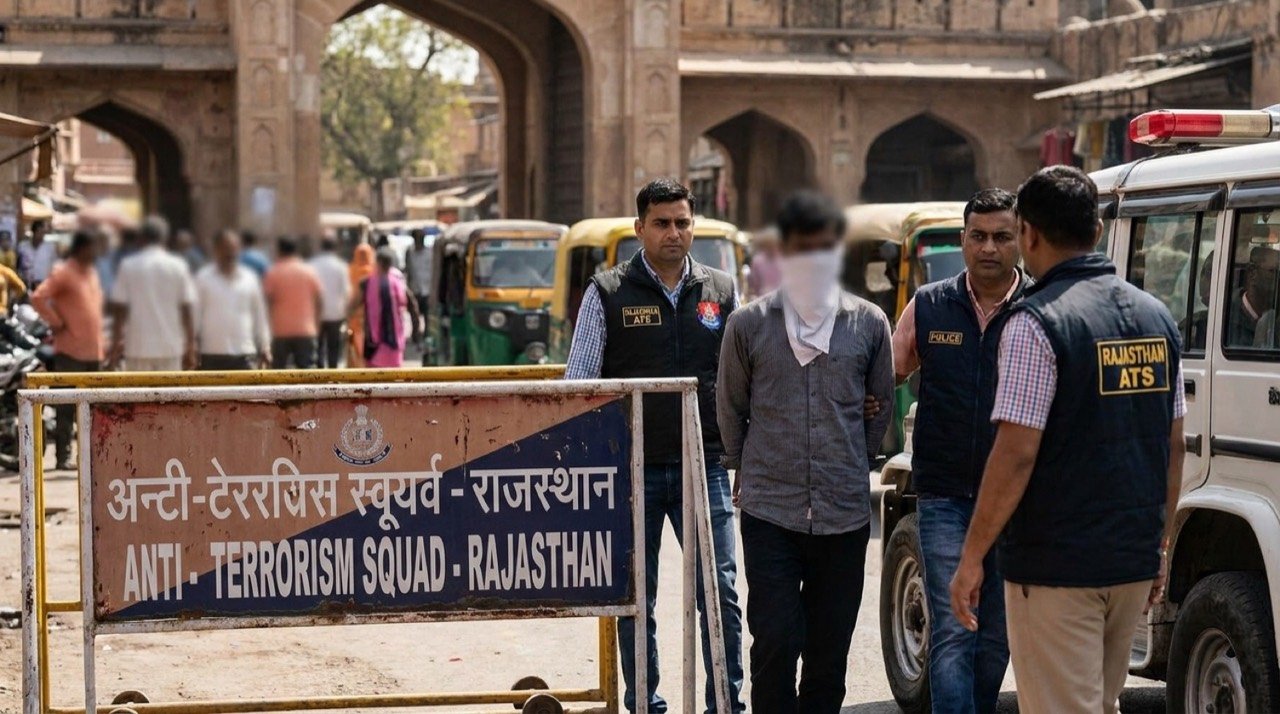
Jaipur Woman Arrested Under UAPA Over Alleged Jaish Links
Rajasthan's ATS has arrested a Jaipur woman under the UAPA over alleged online contact with Jaish-e-Mohammed-linked individuals, putting the spotlight on digital trails in national-security probes.

BRICS Security Meet in Delhi Targets Terrorism, Cyber and AI Threats
India is hosting a BRICS National Security Advisers meeting in New Delhi, with cross-border terrorism, cyber threats, AI misuse and transnational crime set to dominate a fast-broadening security agenda.

Congress Sends Observers to Jammu and Kashmir as Internal Tensions Sharpen
The Congress high command has moved to assess factional friction in its Jammu and Kashmir unit, deputing senior leaders to gather feedback as the party works to rebuild organisation and protect alliance space.

Army Denies Fresh Chinese Encroachment Claims in Arunachal
The Indian Army has dismissed reports of new Chinese encroachment in Arunachal Pradesh, an official clarification that carries weight in one of the most closely watched sectors of the India-China boundary.
More from this section
More
Ahmedabad Bullet Train Station Gets Kite-Inspired Multimodal Hub Plan
Ahmedabad's bullet train station is set to be developed as a multimodal transport hub with a kite-inspired design, giving India's high-speed rail project a distinctive urban landmark rooted in local identity.

Arrest in Bengaluru Daycare Case Deepens Child Safety Questions
Bengaluru police have arrested a woman connected to the daycare case at a Capgemini campus facility, sharpening scrutiny of caregiver vetting, oversight and accountability at workplace-linked childcare centres.

Assam Case Shows PAN and Voter Cards Are Not Citizenship Proof
A man declared a foreigner in Assam despite holding multiple identity documents has highlighted a crucial legal distinction: everyday IDs establish identity, not citizenship, when a person's legal status is challenged.