Amit Shah Directs Nafed and NCCF to Buy Pulses, Oilseeds Direct From Farmers
The Union Cooperation Minister has ordered Nafed and NCCF to procure pulses and oilseeds directly from farmers, aiming to remove middlemen and bring transparency to payments through digital tools.
Commentary & Analysis ·
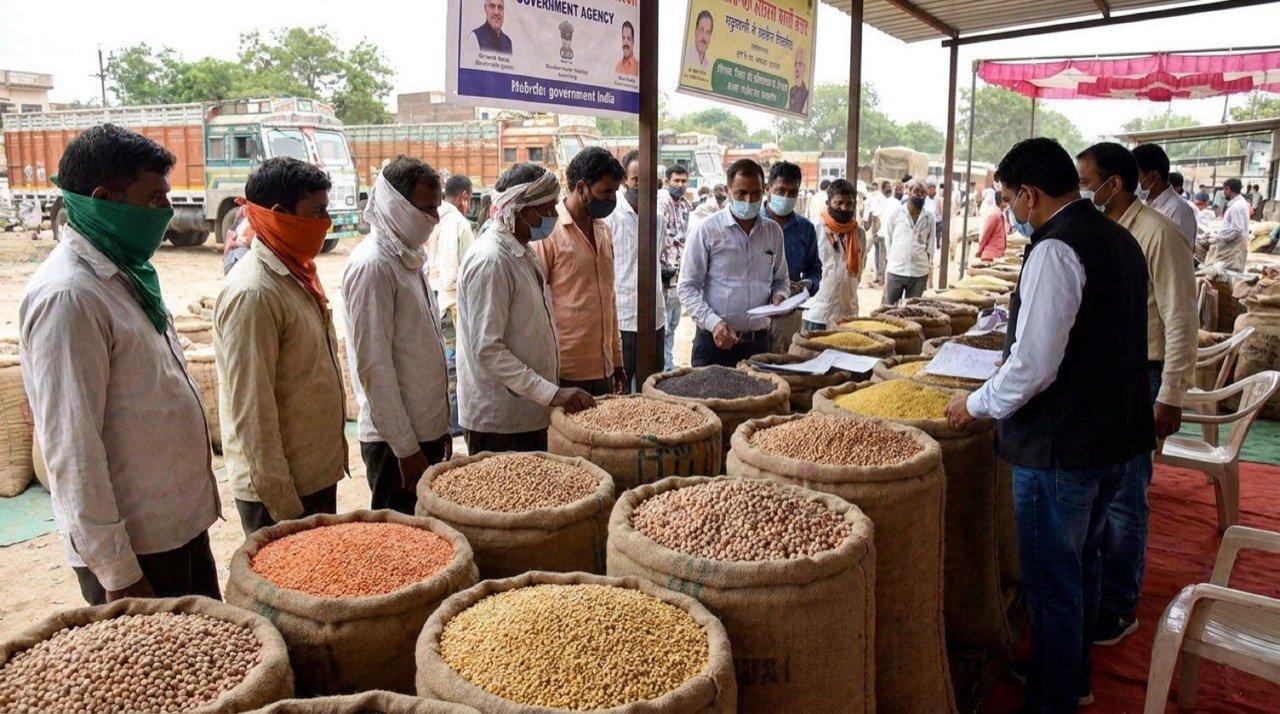
Union Home and Cooperation Minister Amit Shah has directed Nafed and NCCF to procure pulses and oilseeds directly from farmers, with reports saying the goal is to remove middlemen and improve payment transparency. The instruction was accompanied by a push for digital systems, including the Nafed auction portal and other farmer-facing tools intended to streamline how crops are bought and paid for.
What the directive entails
At the heart of the directive is a shift toward direct procurement, in which the cooperative agencies buy produce straight from cultivators rather than through layers of intermediaries. By cutting out middlemen, the government hopes to ensure that more of the purchase value reaches farmers and that payments are recorded and disbursed transparently.
The accompanying emphasis on digital platforms, including the Nafed auction portal, is meant to create a clear audit trail for transactions, from the moment crops arrive at procurement points to the moment payments are credited to farmers.
Why direct procurement matters
Farmers across India frequently face price uncertainty, delayed payments and heavy dependence on local markets where their bargaining power is limited. Direct procurement by Nafed and NCCF, if implemented effectively, could reduce that dependence and offer a more predictable channel for selling pulses and oilseeds.
The approach also has implications for the broader minimum support price (MSP) system, which relies on credible procurement operations to be meaningful for farmers on the ground.
Potential gains and the execution challenge
If executed well, the model could strengthen MSP operations, reduce leakage in the supply chain and improve data on crop arrivals, giving policymakers better visibility into production and market trends. Cleaner data, in turn, can support sharper planning for buffer stocks and price interventions.
The challenge, as with many agricultural reforms, lies in implementation across diverse states, varied crop cycles and uneven digital readiness among farmers.
- Amit Shah directed Nafed and NCCF to buy pulses and oilseeds directly from farmers.
- The stated goal is to remove middlemen and improve payment transparency.
- Digital tools, including the Nafed auction portal, will support the system.
- Direct procurement could ease price uncertainty and delayed payments for farmers.
- Effective execution could strengthen MSP operations and reduce supply-chain leakage.
“If executed well, the approach could strengthen minimum support price operations, reduce leakage and improve data on crop arrivals.”
— Policy assessment
The success of the directive will ultimately be measured by whether farmers experience faster, fairer payments and greater confidence in selling to cooperative agencies. As Nafed and NCCF operationalise the instruction, the coming procurement seasons will show whether the promise of cutting out middlemen translates into tangible gains for India's pulse and oilseed growers.
The NE Times View
Cutting out the middleman and paying farmers digitally is a sensible aim that India has chased for decades with mixed results. Direct procurement only helps if the agencies have the reach, storage and cash to actually absorb the harvest at promised prices. The intent is right, but Nafed and NCCF have historically struggled with scale. The proof will be in whether pulses growers see fair, timely payments, or another well-meaning order that thins out at the village level.
This article is original commentary and analysis by The NE Times. Background facts were referenced from The Times of India and The Economic Times.
You may also like to read
Four Chinese Firms With Indian Plants Cleared To Bid For Power Work
Four Chinese companies operating factories in India have reportedly been cleared to bid for power projects, a calibrated move that balances security screening against the country's manufacturing and infrastructure needs.

Meta-CRED Deal Puts Kunal Shah at Centre of the Global WhatsApp Story
Reports that Meta is investing in CRED and lining up founder Kunal Shah for a senior global WhatsApp role have placed Indian fintech talent at the heart of a worldwide messaging and payments contest.
India Retail Inflation Rises to 4.38% in June 2026 as Food Prices Push CPI Above RBI’s Target
The first breach of the central bank’s 4% midpoint in 17 months puts household budgets, monsoon conditions and the interest-rate outlook back in focus.

India’s New IIP Base Year 2022-23: Why the Industrial Production Index Has Been Rebuilt
The revised index aims to capture today’s manufacturing structure more accurately, but users must understand what changed before comparing new and old growth numbers.
More from this section
More
Adani Case: US DOJ Pushes for Permanent Dismissal of Charges
The US Department of Justice has urged a judge to permanently dismiss charges against Gautam Adani, calling the case legally flawed — a reversal with consequences for markets, diplomacy and cross-border enforcement.

Akasa Air Inducts 40th Aircraft in Indian Aviation Scale-Up
Akasa Air's 40th aircraft, ferried to Bengaluru via Seattle, Reykjavik and Cairo, marks a fleet milestone for the young carrier and a fresh signal that India's aviation market remains firmly in expansion mode.
BARC Ratings Suspension Leaves Indian TV Industry Flying Blind
BARC's pause on television ratings has put India's broadcast measurement system under fresh scrutiny, leaving broadcasters, advertisers and media planners without the weekly audience data that anchors the TV economy.