Ambuja Cements Partners UK's Leilac for Low-Carbon Cement Project in Gujarat
Ambuja Cements has tied up with British clean-tech firm Leilac to build a commercial-scale low-carbon cement pathway at its Sanghipuram plant in Kutch, targeting one of India's hardest-to-abate industries.
Commentary & Analysis ·
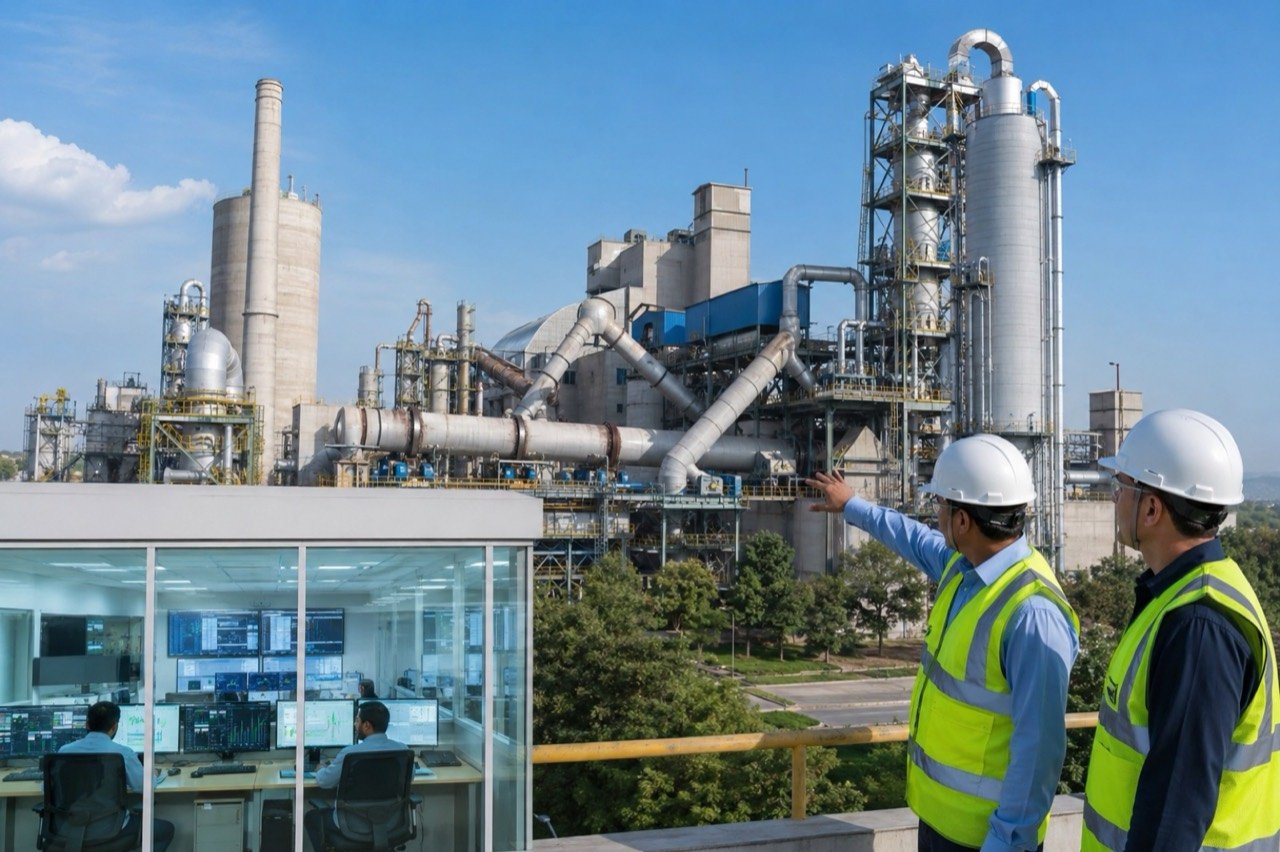
Ambuja Cements has joined hands with the UK clean-technology firm Leilac to develop a commercial-scale low-carbon cement pathway at its Sanghipuram plant in Kutch, Gujarat, in a move that places one of India's largest building-material producers at the front of efforts to clean up a stubbornly polluting sector. The partnership, the company said, fits squarely within its decarbonisation strategy and aims to demonstrate emission-cutting production technology at a scale relevant to India's enormous construction demand.
Why cement is a climate problem
Cement is indispensable to roads, housing, ports and the broader infrastructure on which India's growth rests. It is also one of the most carbon-intensive materials in the economy, because the chemical process of turning limestone into clinker releases carbon dioxide directly, on top of the emissions from the fuel used to heat the kilns.
That dual source of emissions makes cement what experts call a hard-to-abate industry: efficiency gains and cleaner fuels help, but they cannot fully address the carbon released by the chemistry itself. Capturing that process carbon is where technologies like Leilac's come in.
What the Kutch project aims to prove
Leilac's approach is built around separating the process emissions at the point of production, which in principle allows the carbon dioxide to be captured in a purer stream for storage or reuse. The Sanghipuram collaboration is intended to test whether such a system can operate at commercial scale rather than as a laboratory demonstration.
For Ambuja and its parent group, the test is threefold: whether the technology works reliably, whether it can be deployed at the volumes Indian demand requires, and whether the economics stack up against conventional production.
Stakes for India's net-zero push
India has set a target of reaching net-zero emissions by 2070, and heavy industry sits at the centre of that challenge. A workable low-carbon cement model developed on Indian soil could become a template for other plants and producers across the country.
- Ambuja Cements has partnered Leilac, a UK clean-tech firm, on low-carbon cement.
- The project is sited at the Sanghipuram plant in Kutch, Gujarat.
- Cement's emissions come from both fuel and the chemistry of making clinker.
- The aim is commercial-scale, not just pilot-scale, demonstration.
- Success depends on technology reliability, scale and cost competitiveness.
“Cement is essential for infrastructure but carbon intensive; the test is whether the technology can work at scale, cost and reliability suitable for Indian construction demand.”
— Project rationale
The coming phases of the Kutch project will be watched closely by industry and policymakers alike. If Ambuja and Leilac can show that low-carbon cement is technically and commercially viable at scale, the partnership could mark an inflection point in how India builds without further loading the climate ledger.
The NE Times View
Cement is one of India's genuinely hard-to-abate sectors, so a commercial-scale low-carbon pathway in Kutch is more consequential than the usual corporate sustainability gesture. The test is whether captured carbon finds real use or storage rather than a press release. The NE Times View: this partnership is worth watching as a template, but decarbonising Indian heavy industry will need carbon pricing and demand for green cement, not pilots alone, to move from showcase to standard.
This article is original commentary and analysis by The NE Times. Background facts were referenced from Economic Times and NDTV.
You may also like to read
India Advances Rs 19,700 Crore Carbon Capture Scheme for Hard-to-Abate Sectors
India is moving ahead with a proposed Rs 19,700 crore carbon capture, utilisation and storage support scheme aimed at cutting emissions from steel, cement, power and refining.
Gujarat Reworks Land Compensation Rules for Power Transmission
Gujarat has revised its land compensation policy for power transmission projects, a move that could ease landowner disputes and speed the grid expansion India's energy transition depends on.
India Steel Emission Targets: Draft Rules Push Decarbonisation
The Centre's draft emission cut targets for the iron and steel sector move India's climate policy from broad pledges to sector-specific rules, placing one of its hardest-to-abate industries under a defined framework.
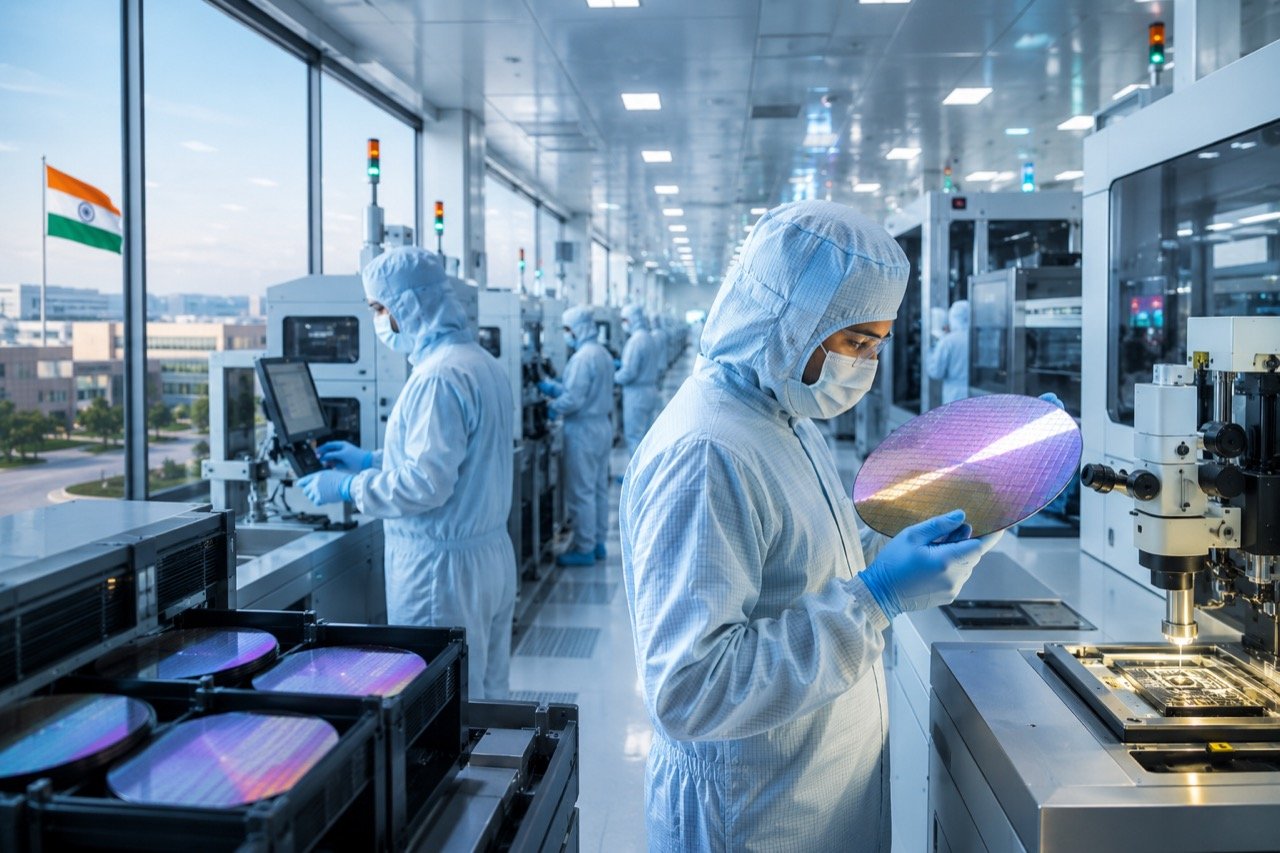
Sanand Semiconductor Plant: What CG Semi's Launch Means for India
Commercial production at CG Semi's chip assembly and test facility in Sanand, marked by remarks from Prime Minister Modi, has renewed focus on how far India's semiconductor manufacturing push has actually come.
More from this section
More
Adani Case: US DOJ Pushes for Permanent Dismissal of Charges
The US Department of Justice has urged a judge to permanently dismiss charges against Gautam Adani, calling the case legally flawed — a reversal with consequences for markets, diplomacy and cross-border enforcement.

Akasa Air Inducts 40th Aircraft in Indian Aviation Scale-Up
Akasa Air's 40th aircraft, ferried to Bengaluru via Seattle, Reykjavik and Cairo, marks a fleet milestone for the young carrier and a fresh signal that India's aviation market remains firmly in expansion mode.

BARC Ratings Suspension Leaves Indian TV Industry Flying Blind
BARC's pause on television ratings has put India's broadcast measurement system under fresh scrutiny, leaving broadcasters, advertisers and media planners without the weekly audience data that anchors the TV economy.