IMD Forecast: Active Monsoon Over Central India Narrows Rain Deficit
The IMD expects the southwest monsoon to stay active over central India for four to five days, driven by a Bay of Bengal low-pressure system that has sharply narrowed the season's rainfall deficit.
The NE Times National Desk
Commentary & Analysis ·
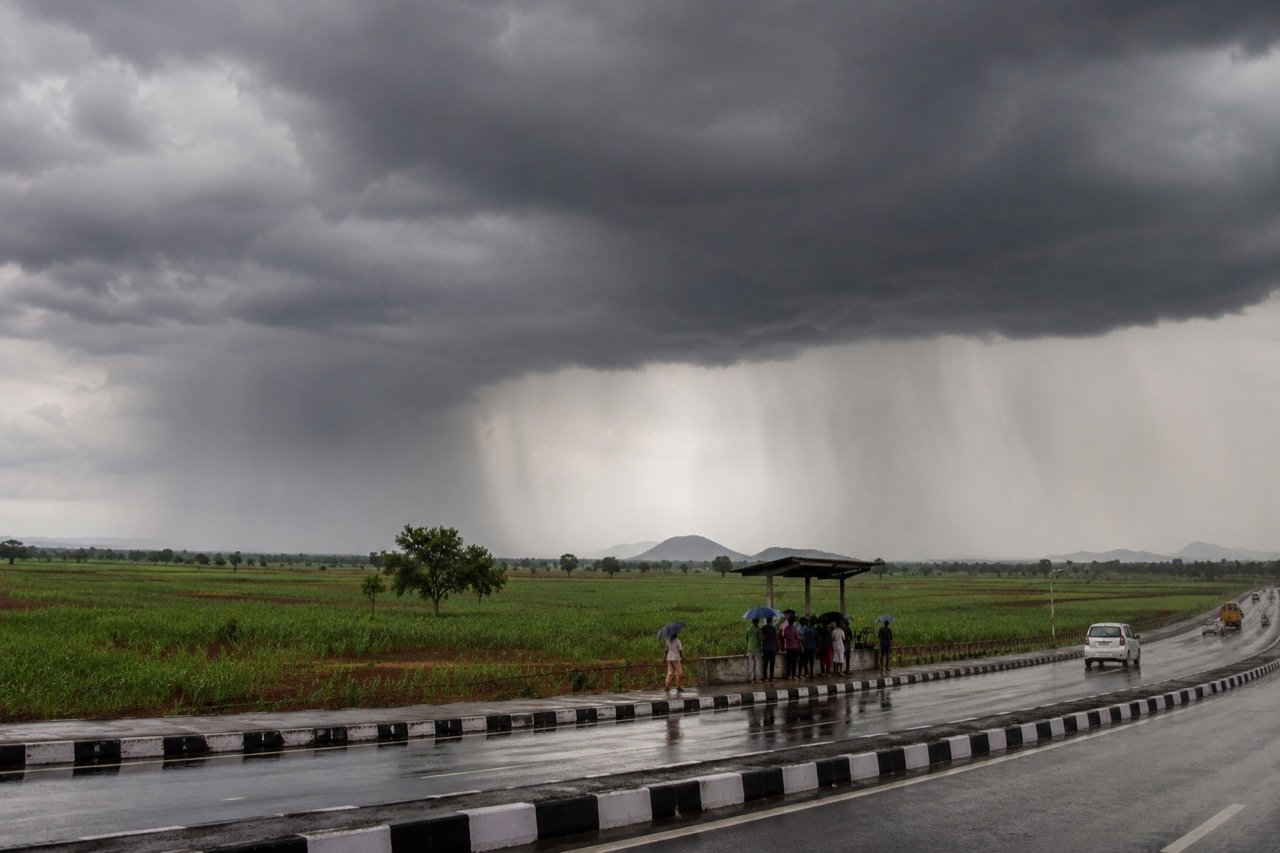
The southwest monsoon is expected to remain in an active phase over central India for the next four to five days, the India Meteorological Department has forecast, with a well-marked low-pressure area over the northwest Bay of Bengal driving the stronger spell. The cumulative all-India rainfall deficit has narrowed sharply in recent days as a result.
Relief after a weak start
The recovery matters well beyond weather charts. A narrowing deficit improves sowing confidence for kharif crops, eases pressure on reservoir and water planning, and supports rural demand at a critical point in the season. July is a decisive month for monsoon distribution, so a strong central-India phase now carries outsized weight for the agricultural year.
The other side of an active phase
Active monsoon systems are rarely gentle. The same spell that refills reservoirs can bring intense local downpours, urban flooding, traffic disruption and landslide risk in hilly and vulnerable areas. Timing and geography matter as much as totals: rain that benefits farmland in Madhya Pradesh or Vidarbha can simultaneously strain drainage systems in cities along the same weather track.
For administrations, the immediate task is aligning advisories, drainage readiness and reservoir operations with the updated forecast. For households and travellers, the practical guidance is to follow district-level alerts rather than national summaries, since impacts during an active phase are intensely local.
The NE Times View
India still reads the monsoon as a single national number, and this week shows why that habit misleads. A recovering deficit is genuinely good news for farmers and the wider economy, but averages conceal the districts that will now face too much rain too quickly. In our view, the monsoon story readers should track is preparedness: whether cities clear drains before the spell peaks and whether warning systems reach the hill and river communities most exposed. Celebrating rainfall recovery and demanding flood readiness are not contradictory positions — they are the same position, held responsibly.
This article is original commentary and analysis by The NE Times. Background facts were referenced from Times of India.
You may also like to read
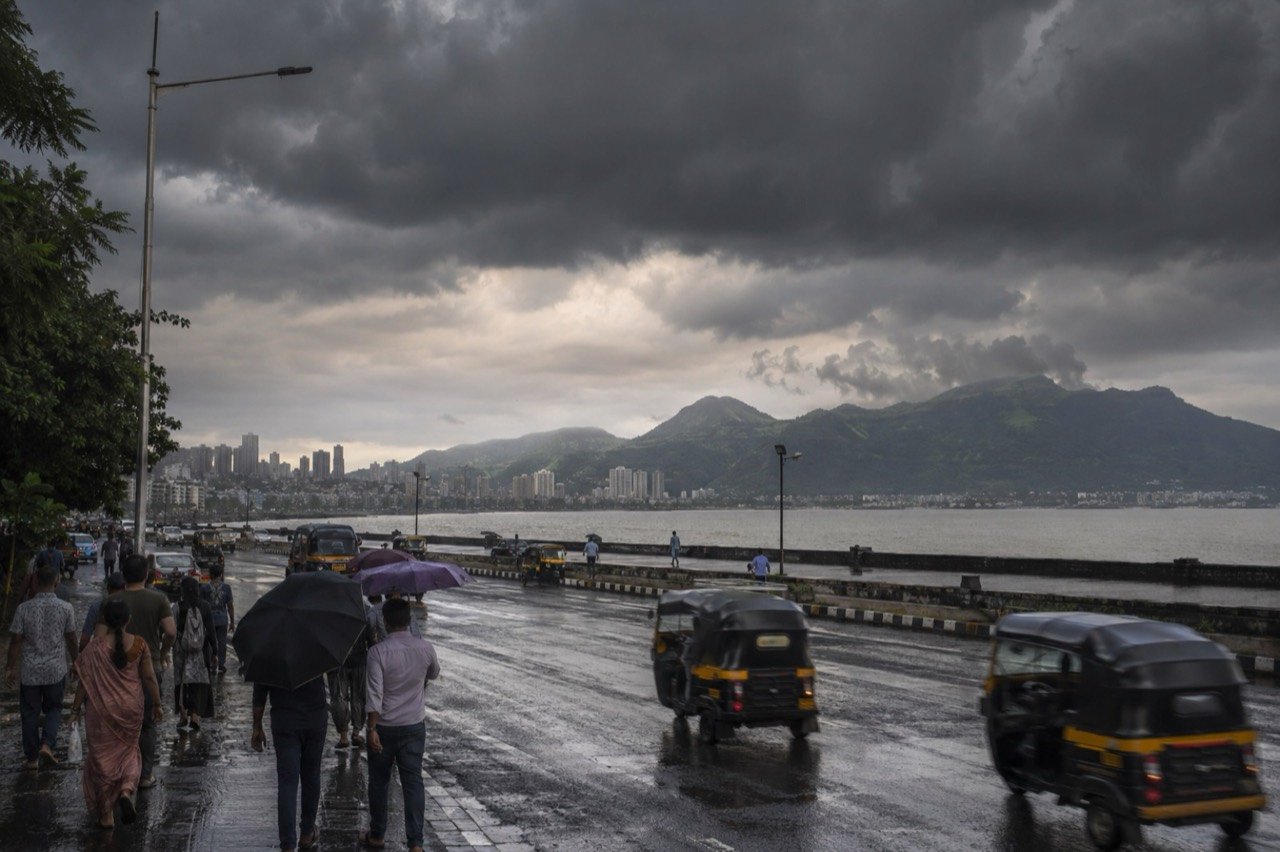
Monsoon Revival Forecast Triggers Rain Alerts Across India as Heat Lingers
India's southwest monsoon is set to regain strength this week, bringing very heavy rain to the Northeast and Maharashtra even as central districts stay under heatwave warnings.
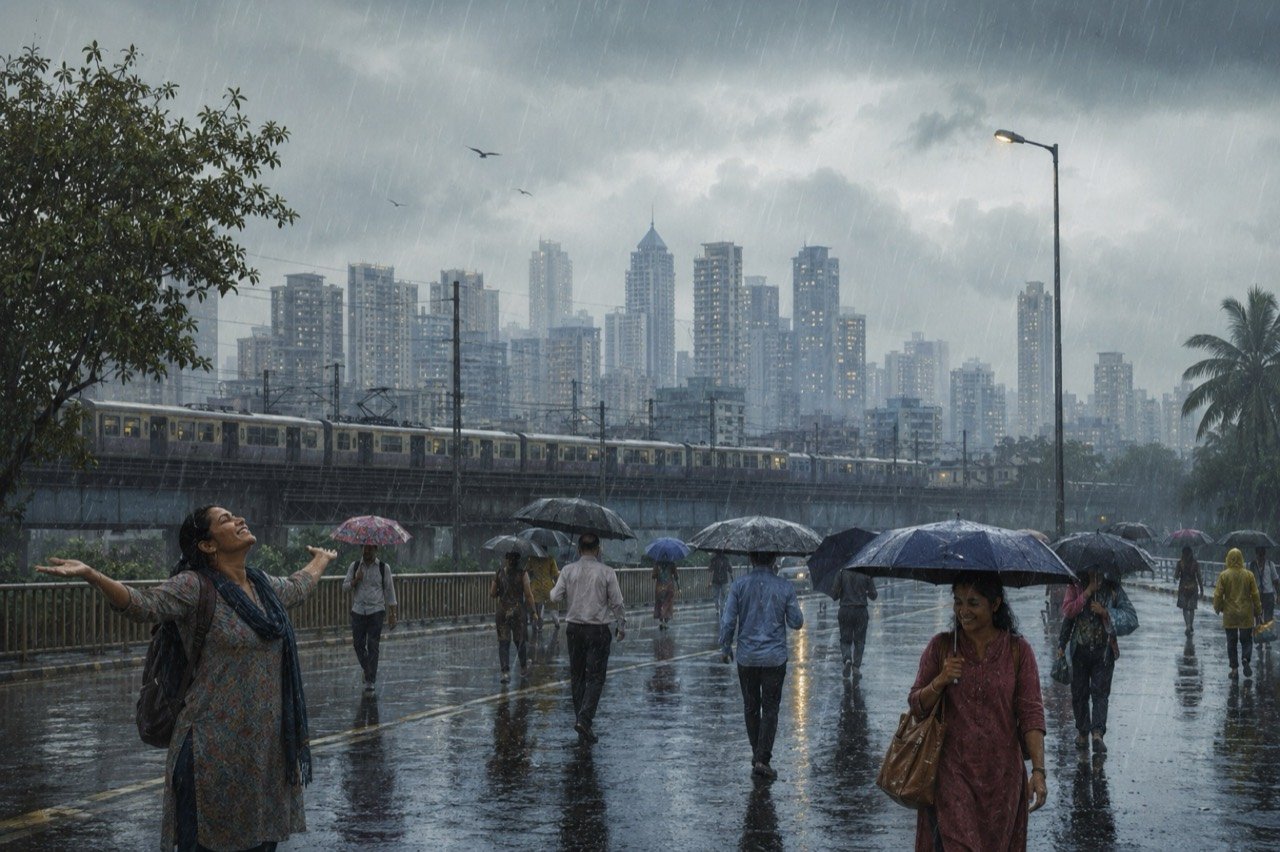
Mumbai Rain Brings Relief as Official Monsoon Onset Is Still Awaited
Heavy showers swept Mumbai on 22 June 2026, easing weeks of humid heat and lifting hopes of monsoon advance, even as forecasters held off on a formal onset declaration.
Monsoon advances across the country in June, but IMD warns of a below-normal season
After reaching Kerala on 4 June, the southwest monsoon has spread into eastern and central India, even as the weather office trims its seasonal rainfall forecast to 90% of the long-period average.
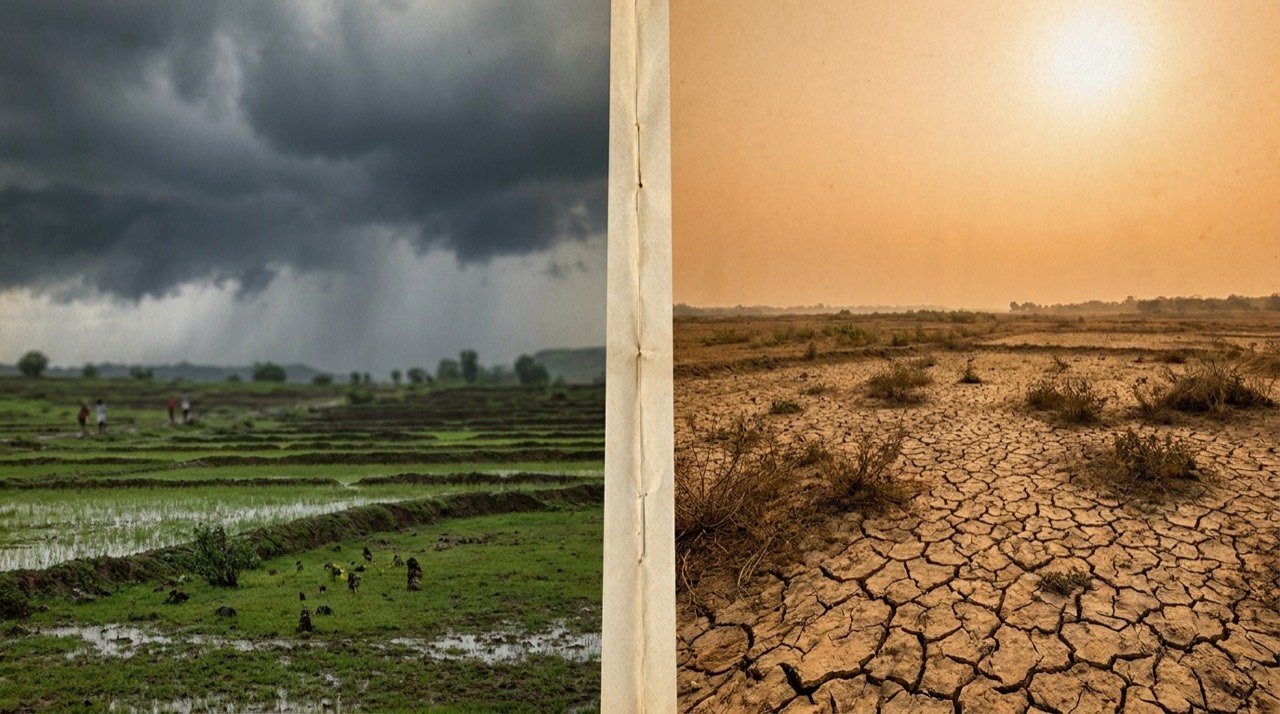
Monsoon Surges Into Central India as Heatwave Grips the East: A Split Weather Map
The India Meteorological Department reported the monsoon advancing into Gujarat and central India on 24 June even as severe heat scorched the east, leaving the country under a sharply divided weather pattern.
More from this section
More
AICTE Industry Fellowship 2026: Rs 1.5 Lakh Scheme Closes July 5
The AICTE Industry Fellowship Programme 2026, which places technical-education faculty inside leading companies on a Rs 1.5 lakh monthly stipend, reached its application deadline on July 5.
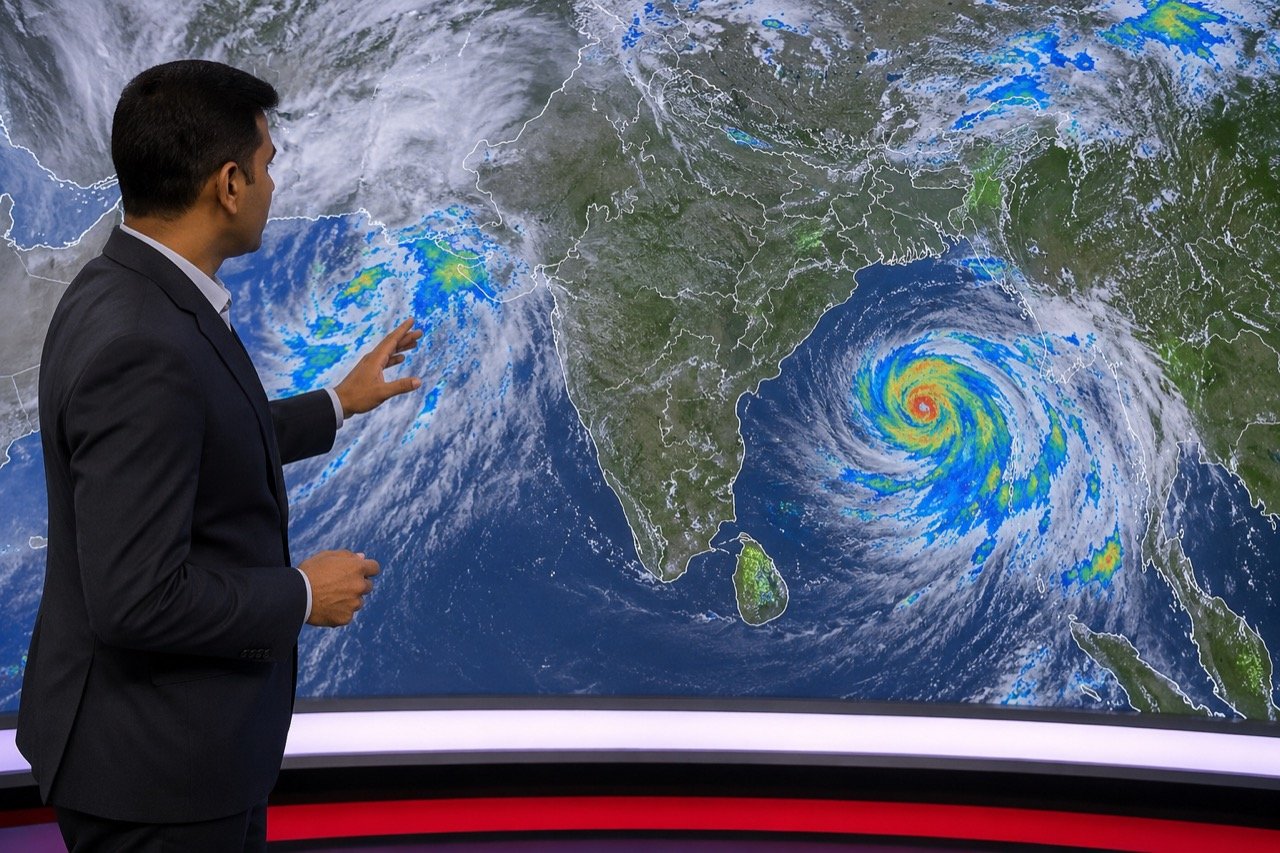
Bay of Bengal Low Pressure System Revives Monsoon Over Western India
A low-pressure system over the Bay of Bengal has pushed the monsoon back into an active phase, bringing steady heavy rain to Kerala, coastal Karnataka and Maharashtra, and putting Mumbai and Pune on preparedness watch.
Bishnoi Gang Suspects Injured in Haryana Encounter as Police Tighten Net
A joint Haryana-Delhi Police operation in Bahadurgarh left two suspected Lawrence Bishnoi gang members injured, spotlighting the multi-state coordination now central to India's fight against organised crime networks.