Zareen Khan's Paparazzi Confrontation Revives Debate Over Boundaries in Celebrity Coverage
Zareen Khan's firm response to an inappropriate paparazzo remark has gone viral, renewing discussion about consent, dignity and professional limits in celebrity photography.
Commentary & Analysis ·
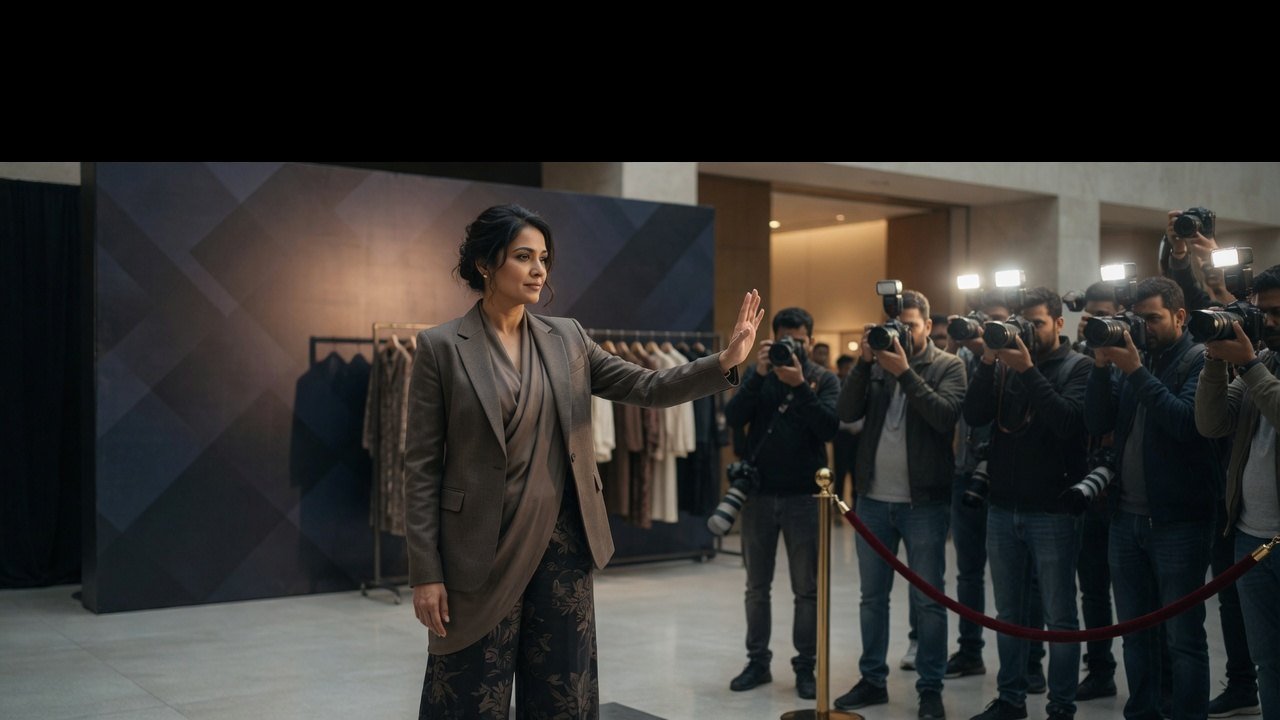
Verified key facts
- The incident occurred during a public apparel launch appearance in Mumbai.
- A photographer made a remark inviting Khan to try an outfit, prompting her to tell him to stay within limits.
- The exchange circulated widely online and drew support for the actor's response.
A few seconds of video expose a larger problem
Zareen Khan’s sharp response to a paparazzo at a public event has become a viral entertainment story because the exchange captured, in a few unscripted seconds, the tension built into modern celebrity coverage. During an apparel launch, a photographer made a remark that Khan considered inappropriate. She immediately told him to stay within limits and not behave frivolously with her. The clip spread across entertainment pages, where many viewers praised her for setting a clear boundary. The incident is easy to treat as a celebrity sound bite, but its popularity points to a wider frustration with the way women in public life are spoken to, directed and recorded. The central issue is not whether photographers may ask a celebrity to pose. It is how professional access can slide into personal entitlement.
Why paparazzi culture has changed
Indian film photography once depended heavily on planned events, magazine shoots and occasional candid pictures. Social platforms transformed that system into a continuous content market. Photographers now compete to upload arrivals, airport walks, gym exits and restaurant departures within minutes. Entertainment publishers and fan accounts reward clips that produce an emotional reaction, whether amusement, embarrassment or conflict. This economy creates pressure to shout instructions and provoke memorable responses. Most interactions remain routine and mutually useful: celebrities receive visibility, while photographers earn from content. The problem begins when the pursuit of a viral moment overrides respect. A person’s public presence is not blanket permission for sexualised remarks, humiliation or invasive questioning.
Khan's response and the question of tone
Some online discussions inevitably focus on whether an actor responded too strongly. That framing can misplace responsibility. A boundary does not become illegitimate because it is expressed firmly. Public figures often have only seconds to decide whether to ignore, joke about or confront an uncomfortable comment. Silence may be interpreted as consent; a soft answer may be repeated; a direct objection may be branded rude. Khan chose clarity. Her words communicated that the professional relationship between actor and photographer has limits. The fact that the exchange was recorded also protected the context, allowing viewers to hear both the remark and the response rather than rely solely on competing descriptions.
Gender and unequal scrutiny
Women actors frequently receive instructions about smiling, turning, adjusting clothing or presenting their bodies to the camera. Some of these requests are standard visual coordination. Others become demeaning because they assume the subject must comply with any suggestion that improves the image. The distinction lies in language, consent and relevance. Male stars can also face aggressive paparazzi behaviour, but women are disproportionately subjected to comments about clothing, body shape, relationships and pregnancy. Viral support for Khan therefore reflects more than fandom. It reflects recognition of a pattern in which female celebrities are expected to remain pleasant while absorbing remarks that would be unacceptable in most workplaces.
A professional code would protect everyone
The entertainment industry would benefit from clearer standards for event photography. Organisers can create designated photo areas, brief photographers on permitted interaction and appoint a media coordinator to handle requests. Agencies can train staff on harassment, consent and the difference between a pose direction and a personal comment. Celebrities and their teams can state boundaries in advance without threatening access. Publishers also have leverage: they can refuse to reward clips obtained through abusive behaviour. A code would not eliminate spontaneity or candid photography. It would reduce the incentive to cross lines for attention and provide a shared basis for accountability when disputes occur.
The audience is part of the business model
Every viral paparazzi clip is sustained by clicks, reposts and comments. Audiences who condemn intrusive behaviour but repeatedly reward invasive content are participating in the same market. This does not make individual viewers responsible for a photographer’s remark, but it does mean consumption choices influence what is produced. Publishers track engagement closely. When respectful interviews and film-related coverage perform well, resources move toward them. When conflict and body-focused footage dominate, more photographers are sent to capture the same material. The conversation sparked by Khan’s response can therefore become practical: viewers can follow outlets that provide context, avoid sharing humiliating clips and challenge headlines that blame a subject for objecting.
What the incident should change
The most useful outcome is not a prolonged feud between one actor and one photographer. It is a reset of expectations. Paparazzi work is legitimate media labour and can be carried out with professionalism. Celebrity is also a profession, not the surrender of personal dignity. Khan’s reaction made that boundary visible at a moment when cameras were already rolling. The clip’s popularity suggests the public increasingly understands that access must be negotiated rather than assumed. Entertainment journalism can remain lively, visual and immediate without turning performers into targets. The lasting headline should therefore be larger than a viral quote: respect is not an optional extra in celebrity coverage; it is the condition that allows the relationship between stars, media and audiences to function.
Why this story matters beyond the headline
The incident is also a reminder that the economics of digital celebrity coverage can reward the most provocative few seconds rather than the most accurate account of an event. Photographers work under intense pressure to secure exclusive reactions, while actors and publicists depend on the same ecosystem for visibility. That mutual dependence does not remove the need for consent, professional language and clear limits. A workable standard would distinguish ordinary promotional questions from remarks that are sexualised, insulting or designed solely to trigger anger. Event organisers can help by creating marked press areas, appointing media coordinators and removing repeat offenders. Celebrities, meanwhile, can state boundaries without treating every uncomfortable question as an attack on journalism. The larger lesson is that access is a professional privilege, not permission to humiliate. As clips travel without context, responsible outlets should verify what was said, avoid sensational captions and explain the setting. That approach protects both press freedom and the dignity of the people being covered.
Sources
- Bollywood Hungama - Zareen Khan calls out paparazzo (15 July 2026)
- India Today - Viral exchange renews attention on intrusive behaviour
You may also like to read
Neha Dhupia Paparazzi Row Revives Bollywood's Media Boundary Debate
A paparazzi-related flashpoint involving Neha Dhupia has reopened Bollywood's long-running argument over where legitimate celebrity coverage ends and intrusion into personal dignity begins.
Imran Khan on Andrew Tate: Bollywood Joins Role Model Debate
Imran Khan's blunt remarks about Andrew Tate's appeal to young men, and his credit to Aamir Khan as a positive influence, have pushed a Bollywood interview into a wider conversation about masculinity online.
Munna Bhai Tamil Remake Story Revives Kamal Haasan Debate
An actor's recollection that a key scene was dropped from the Tamil remake of Munna Bhai has reignited discussion about Kamal Haasan's creative authorship and how Indian remakes reshape beloved originals.
Aamir Khan Rejects 'Love Jihad' Allegations, Says His Marriages Were Civil and Involved No Conversion
Aamir Khan rejects politically charged allegations about his marriage to Gauri Spratt, stressing that his relationships were civil marriages and involved no religious conversion.