Venezuela Thanks Modi as Operation Amistad Showcases Relief Diplomacy
Venezuela's foreign minister publicly thanked Prime Minister Narendra Modi for India's Operation Amistad earthquake relief, highlighting how humanitarian assistance has become a working arm of Indian foreign policy.
The NE Times World Desk
Commentary & Analysis ·
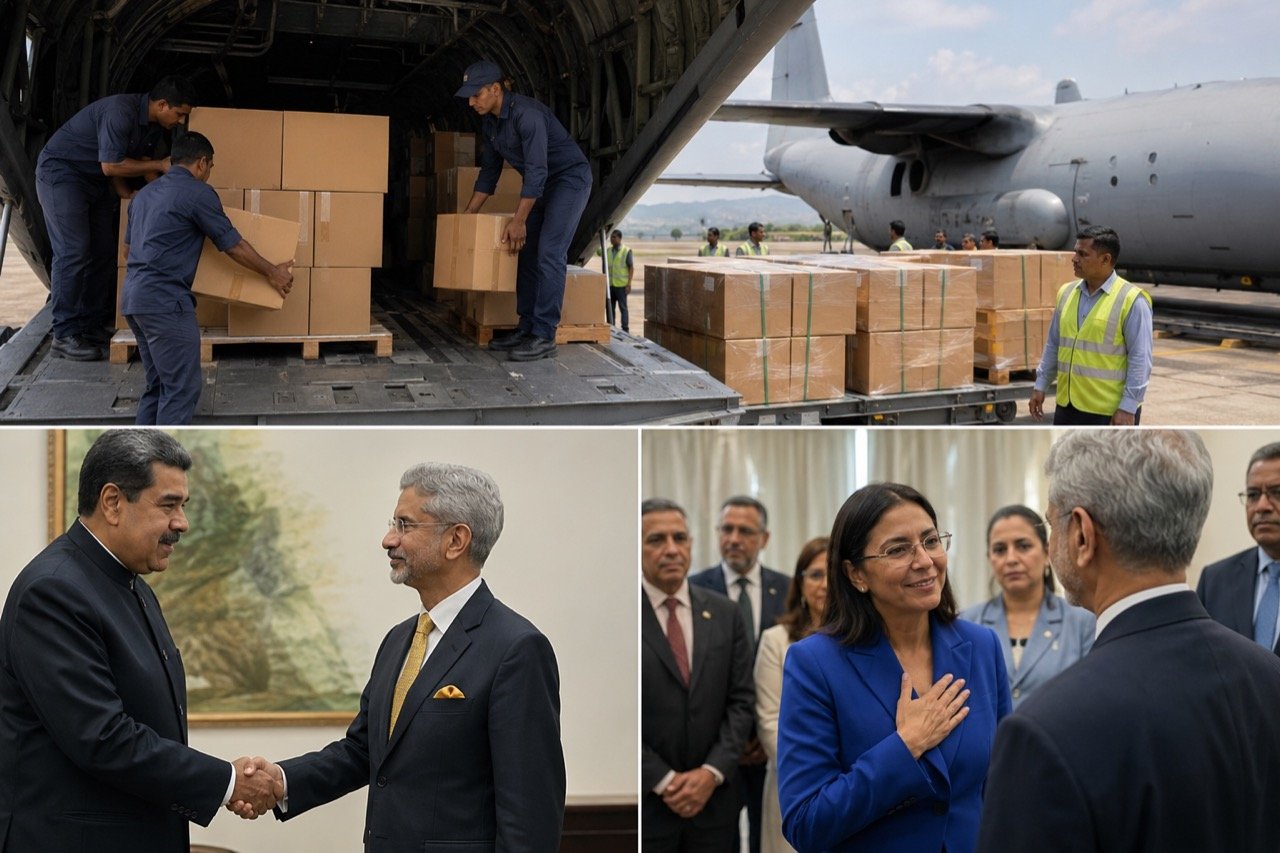
Venezuela's foreign minister has publicly thanked Prime Minister Narendra Modi for Operation Amistad, India's relief mission mounted after severe earthquakes struck the South American nation. The acknowledgement put New Delhi's disaster diplomacy squarely into the day's international news cycle.
Aid as an instrument of foreign policy
The message was framed as appreciation for assistance delivered in the aftermath of the quakes. India has repeatedly used disaster assistance, evacuation missions and medical supplies to demonstrate operational capacity and build goodwill abroad, and Operation Amistad fits that established pattern of humanitarian response doubling as practical engagement.
Why a public thank-you matters
A named acknowledgement from a foreign minister is a meaningful diplomatic signal, not a routine courtesy. It publicly credits India's role, strengthens the bilateral relationship and creates a reference point for future cooperation. At the same time, responsible coverage keeps the focus on verified assistance and the people affected, rather than turning a natural disaster into geopolitical theatre.
The details still to emerge include the precise nature of the assistance, delivery timelines and whether Caracas requests further support. Those specifics will show whether Operation Amistad remains a one-off gesture or grows into a sustained relief partnership.
The NE Times View
Operation Amistad underlines a quiet strength of Indian foreign policy: the ability to show up quickly when disaster strikes, far from its own neighbourhood. Relief missions of this kind buy credibility that communiqués and summits rarely deliver, and Venezuela's public gratitude is evidence the investment registers. For Indian readers, the lesson is that soft power is built in logistics — airlift capacity, medical teams, supply chains — as much as in speeches. New Delhi should institutionalise this capability so each mission adds to a dependable pattern, while keeping the humanitarian purpose, not the publicity, at the centre.
This article is original commentary and analysis by The NE Times. Background facts were referenced from Hindustan Times India News.
You may also like to read
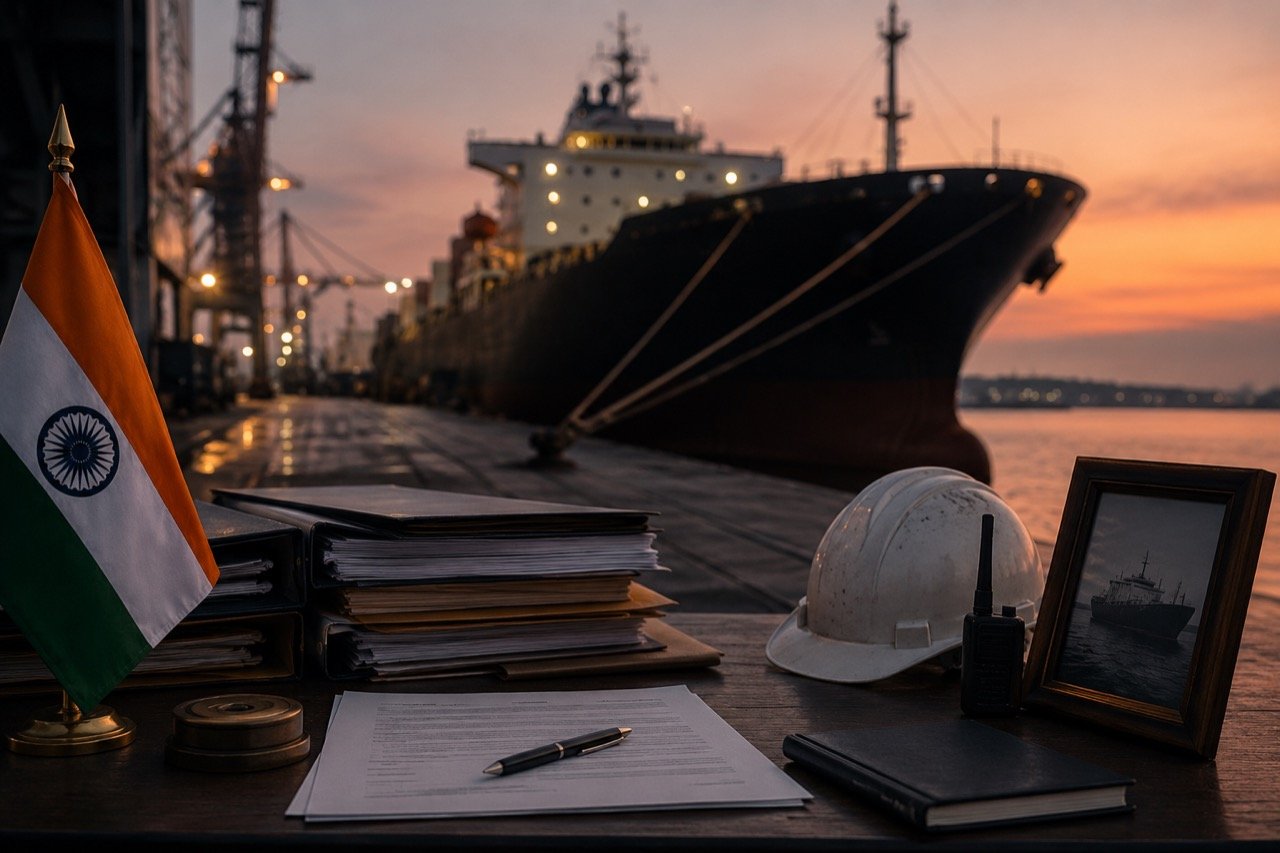
India Presses Venezuela to Probe Seafarer's Death, Organ Claims
New Delhi has asked Venezuelan authorities to investigate the death of an Indian seafarer amid disturbing claims of missing organs, putting consular protection for maritime workers abroad under sharp scrutiny.

Assam Floods Worsen As Barak Valley Reels And Lakhs Take Shelter
Nearly seven lakh people across more than twenty districts are battling rising waters as the Brahmaputra and Barak rivers swell, with Chief Minister Himanta Biswa Sarma touring the worst-hit south of the state.
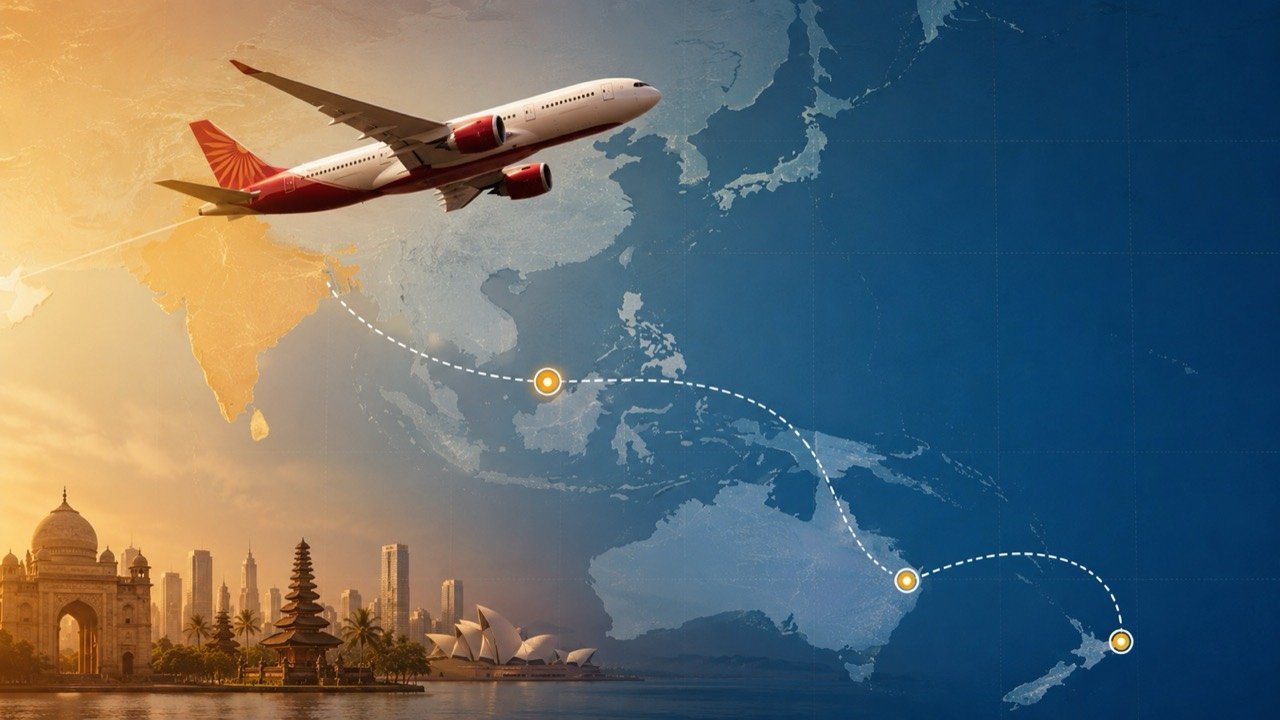
Modi's Expected July Travel Puts India's Indo-Pacific Diplomacy on Watch
Reports that Prime Minister Modi may visit Indonesia, Australia and New Zealand in July have spotlighted India's Indo-Pacific calendar, raising the question of what concrete agreements the trip could deliver.
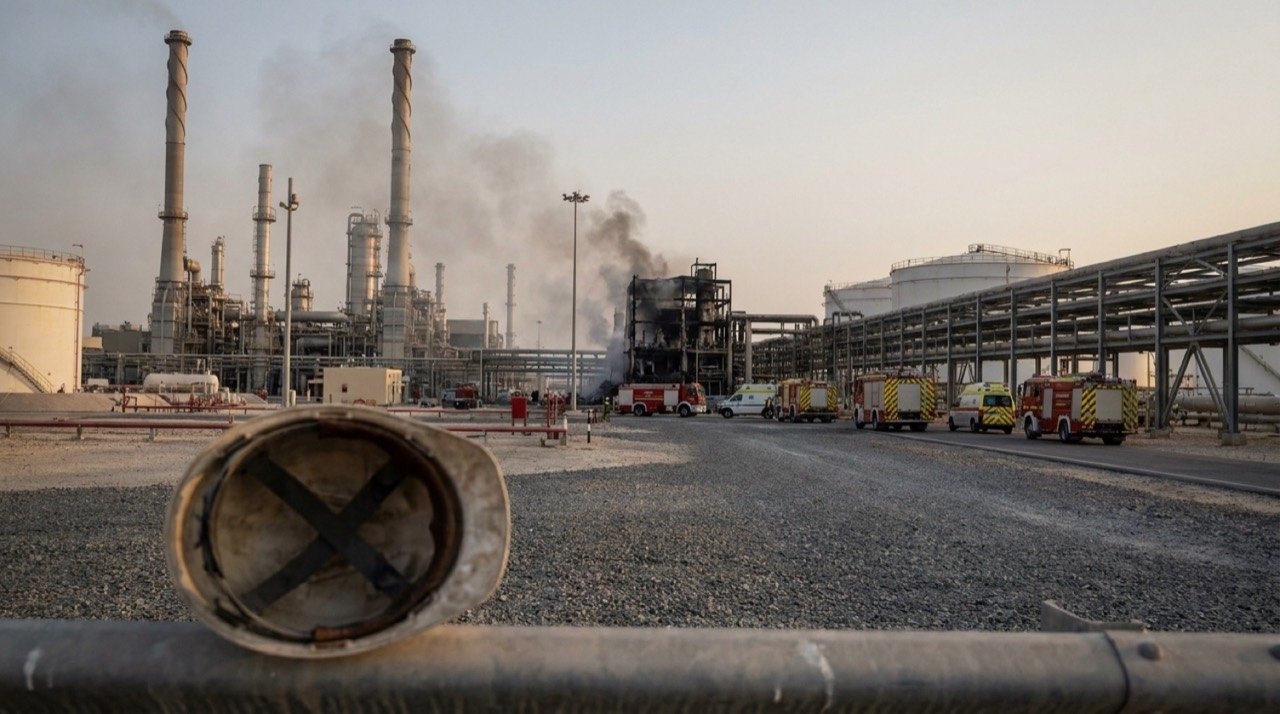
Qatar Emir Calls PM Modi After Ras Laffan Blast Kills 12 Indians
Qatar's Emir telephoned Prime Minister Narendra Modi after an explosion at Ras Laffan Industrial City killed 13 people, including 12 Indian nationals, prompting urgent consular coordination.
More from this section
More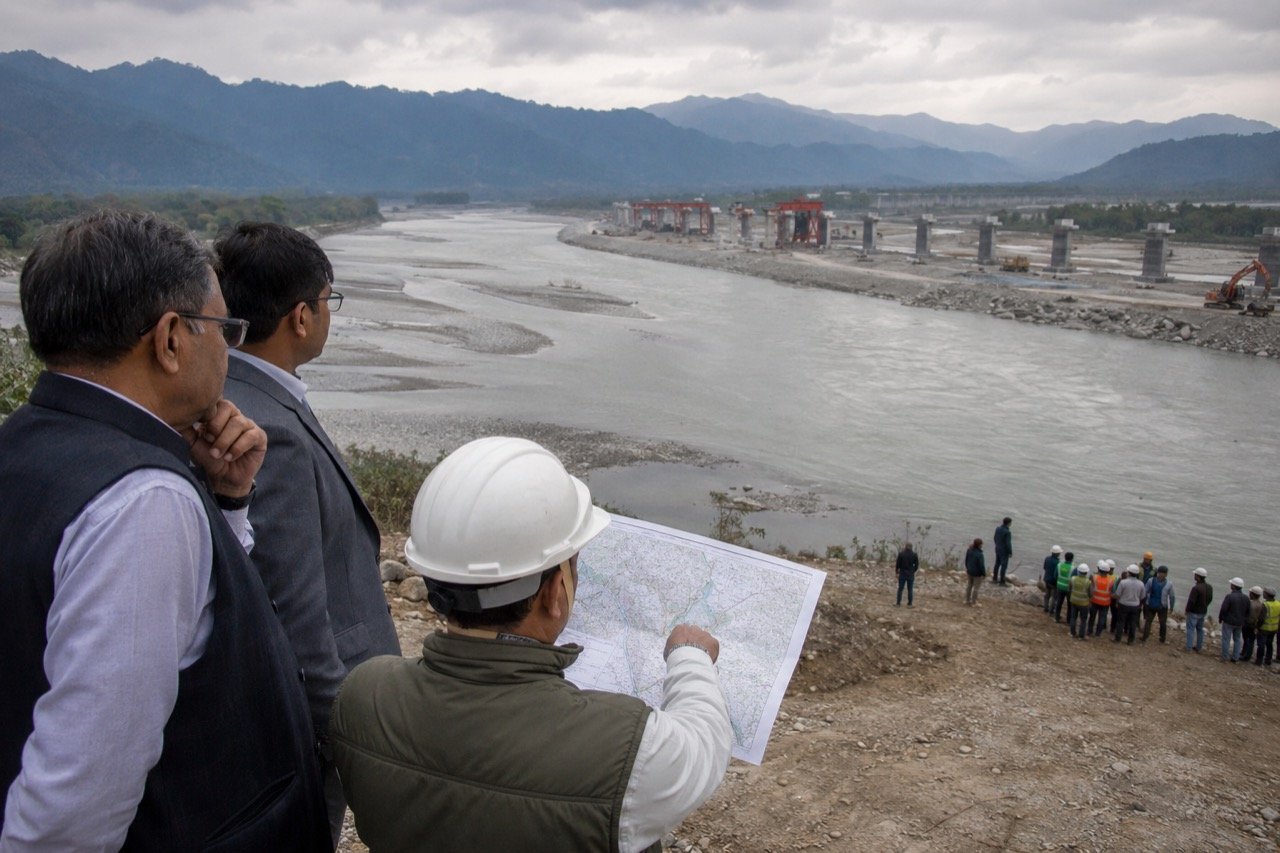
India Watches Dhaka's China-Backed Teesta Plan as Stakes Rise
New Delhi is closely tracking Bangladesh's proposal to develop the Teesta river with Chinese assistance, a move that revives one of South Asia's most sensitive water-sharing disputes and tests regional strategic trust.
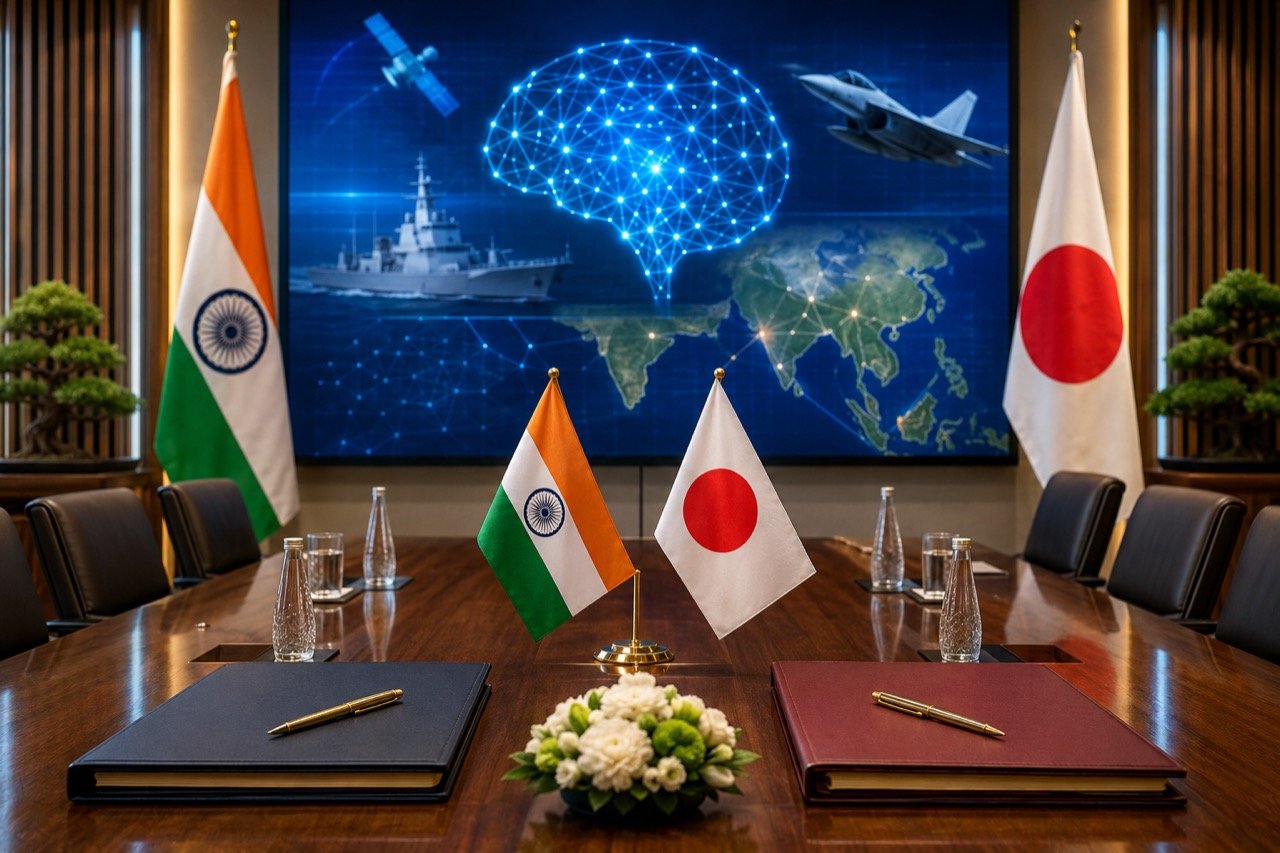
India-Japan Summit Widens Ties Across AI, Defence and Chips
At their annual summit in New Delhi, Prime Ministers Modi and Takaichi unveiled a roadmap deepening cooperation on maritime security, artificial intelligence, semiconductors, shipbuilding and critical technologies.
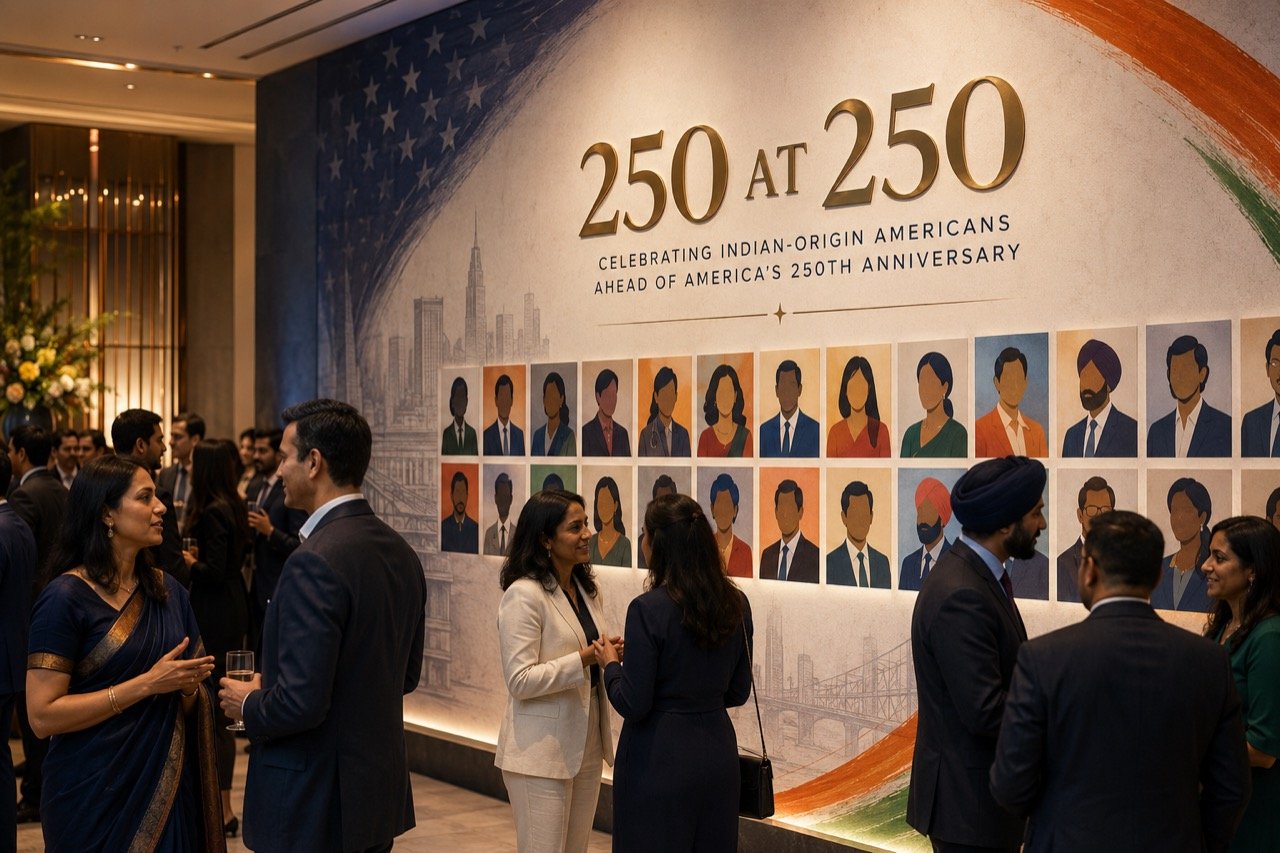
Indiaspora 250 at 250: Diaspora Power in America's Milestone Year
Indiaspora's new 250 at 250 list, released ahead of America's 250th anniversary, celebrates Indian-origin achievers across technology, medicine, government and the arts, underscoring the diaspora's deepening footprint in US public life.