US senators unveil Russia sanctions bill that could hit India with 100 percent tariffs over Russian oil
India's Supreme Court imposed Rs 3 lakh costs on Samay Raina, Ranveer Allahbadia and Ashish Chanchlani after finding non-compliance with directions in a disability-related case.
Commentary & Analysis ·

Verified key facts
- The Sanctioning Russia Act of 2026 was introduced on July 14 by Senator Richard Blumenthal with 26 cosponsors, split evenly between the parties.
- It would impose tariffs of up to 100% on the top five buyers of Russian oil, currently China, India, Slovakia, Hungary and Azerbaijan, per Bloomberg.
- The 100% ceiling is a sharp cut from the 500% blanket tariff in the bill's earlier version, RFE/RL reported.
- The bill mandates sanctions on President Putin, senior officials, oligarchs and firms supporting Russia's defence industrial base.
- Senator Lindsey Graham, the bill's long-time champion, died suddenly days before its introduction; sponsors urged passage in his honour.
What happened
A bipartisan group of US senators introduced a sweeping Russia sanctions bill on Tuesday that squarely targets the biggest buyers of Russian energy, including India. The Sanctioning Russia Act of 2026 would impose tariffs of up to 100 percent on the top five purchasers of Russian oil. Bloomberg reported that the current list covers China, India, Slovakia, Hungary and Azerbaijan.
Senator Richard Blumenthal, a Connecticut Democrat, formally introduced the updated measure on Tuesday afternoon. CBS News reported that it carries 26 cosponsors, divided equally between Democrats and Republicans. That balance is designed to signal the bill can survive a polarised Senate.
The legislation is also a memorial. Senator Lindsey Graham, who championed the bill for over a year, died suddenly last weekend. CNN reported that Graham had announced on Friday, a day before his death, that lawmakers had reached an agreement with the White House to move the bill forward. Sponsors are now urging passage in his honour.
What the bill actually does
The tariff provisions are the headline. Beyond the top five oil buyers, the top five purchasers of Russian natural gas would also face tariffs. Bloomberg listed that group as China, France, Belgium, Japan and Hungary. Countries whose purchases account for less than 15 percent of Russia's total gas exports would be exempt.
The bill goes well beyond trade. It would bar Americans from buying Russian sovereign debt or doing business with the Russian government and its energy sector. It mandates sanctions on President Vladimir Putin, senior political and military leaders, oligarchs and state-owned enterprises. Foreign companies that support Russia's defence industrial base would also be hit.
Energy infrastructure is a specific target. The measure takes aim at Russia's shadow tanker fleet, its Central Bank, and flagship projects such as Yamal LNG and Arctic LNG. Crucially, it hands President Donald Trump waiver authority, letting him spare individual countries if he certifies it serves US interests.
From 500 percent to 100 percent
The most striking change from earlier drafts is the softer tariff ceiling. Graham's original proposal threatened a blanket 500 percent tariff on countries buying Russian oil and gas. RFE/RL reported that the revised bill cuts the maximum to 100 percent and narrows it to the top five buyers in each category.
The retreat reflects hard lobbying and harder arithmetic. A 500 percent tariff on Chinese and Indian goods would have amounted to a near-total trade embargo on two of America's largest trading partners. Even the 100 percent version would be the most aggressive secondary-pressure tool Congress has ever aimed at Russia's energy revenues.
Graham had argued for over a year that only crushing secondary tariffs would starve Moscow's war machine. The White House resisted the harshest numbers, wary of upending trade diplomacy with Beijing and New Delhi. The compromise text keeps the principle of punishing Russia's customers while making the penalties politically survivable.
Why this lands hard in New Delhi
India appears by name among the top five oil buyers the bill targets. India became one of the largest importers of discounted Russian crude after 2022, and its refiners have long argued the purchases stabilise global prices. A statutory 100 percent tariff threat would hang over every Indian export sector that depends on the US market.
The waiver clause is therefore the provision Indian negotiators will study most closely. It gives the White House room to shield partners such as India while still pressuring Moscow. But it also converts market access into leverage. New Delhi has previously called such secondary measures unilateral and has defended its energy trade as driven by national interest.
The numbers explain the anxiety. The United States is India's largest export market, taking goods worth around 80 billion dollars a year, from pharmaceuticals to smartphones. Even a partial tariff at the bill's ceiling would dwarf every previous trade dispute between the two countries in economic weight.
The timing is delicate. Washington and New Delhi have spent recent months trying to steady their trade relationship. A congressional mandate to tariff Indian goods over Russian oil would inject a new irritant just as both sides court each other on technology and defence.
What happens next
The bill still has to clear both chambers, and its floor schedule is unsettled. Supporters believe Graham's death has created momentum that leadership will find hard to ignore. NBC News reported senators in both parties rallying to the measure as one of Graham's top priorities.
- Watch whether the White House formally endorses the revised text, as Graham said it had agreed to do.
- Watch how the waiver language is finalised; it will determine India's practical exposure.
- Watch responses from Beijing and New Delhi, both of which have condemned secondary tariffs in the past.
For Moscow, the message is that congressional patience has run out. For India, the bill is a reminder that its energy choices now carry a price tag written into American law. How large that price becomes will depend on votes in Washington over the coming weeks.
Sources
- CBS News - Bipartisan senators introduce Russia sanctions and tariff bill Lindsey Graham championed (14 July 2026)
- Bloomberg - China, India face up to 100% tariffs under new Russia oil sanctions legislation (14 July 2026)
- CNN - Senators unveil sweeping Russia sanctions bill, urge passage in honor of Graham (14 July 2026)
- RFE/RL - US Senate unveils revised Russia sanctions bill as lawmakers push to cement Graham's legacy (14 July 2026)
You may also like to read

China Expels Ma Xingrui: Third Politburo Member Purged by Xi
Beijing expelled ex-Politburo member Ma Xingrui from the Communist Party on graft charges, making him the third member of the elite body felled by Xi's campaign.

Senate Democrats Block $1.15 Trillion Defense Bill Over Iran War
Senate Democrats voted down debate on the NDAA 50-46, calling it a permission slip for war on Iran, a rare stall for a bill that has passed for over 60 years.
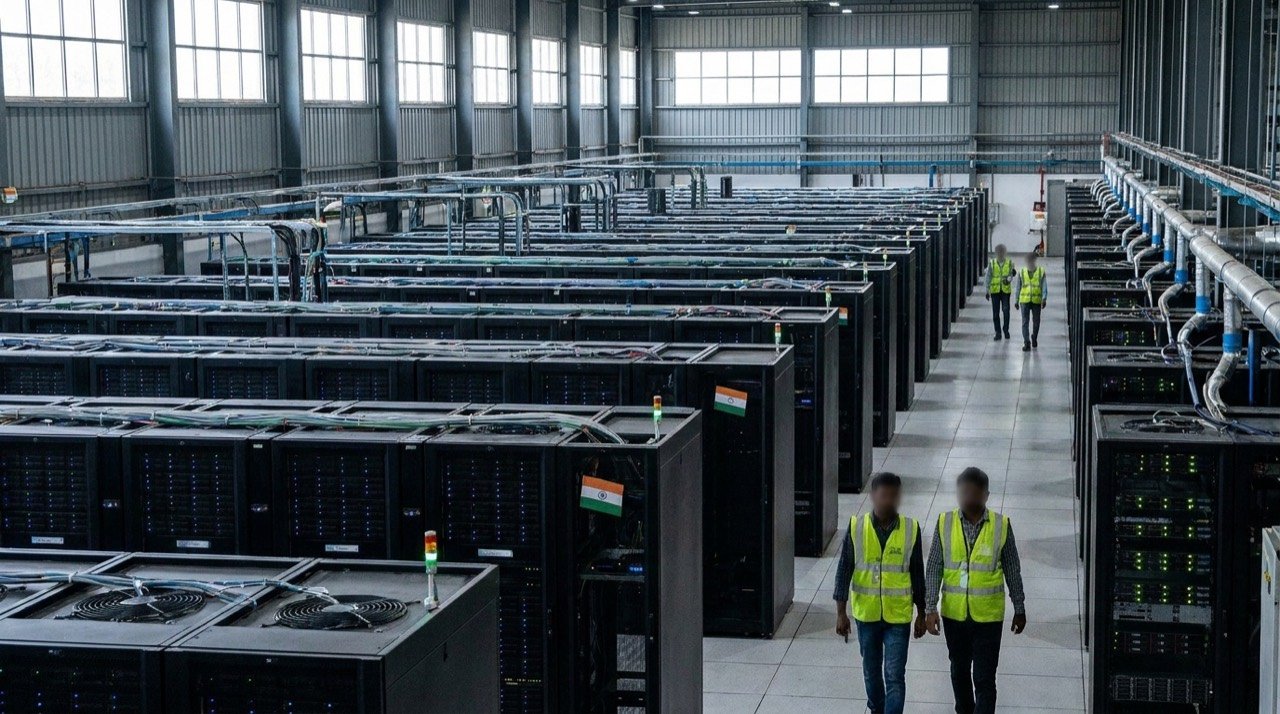
China's LineShine Dethrones US as World's Fastest Supercomputer, Sharpening India's AI Resolve
China has reclaimed the top spot on the global supercomputing rankings with an all-domestic machine running at over two exaflops, a milestone in the US-China tech contest that underscores why India is racing to build its own sovereign computing power.
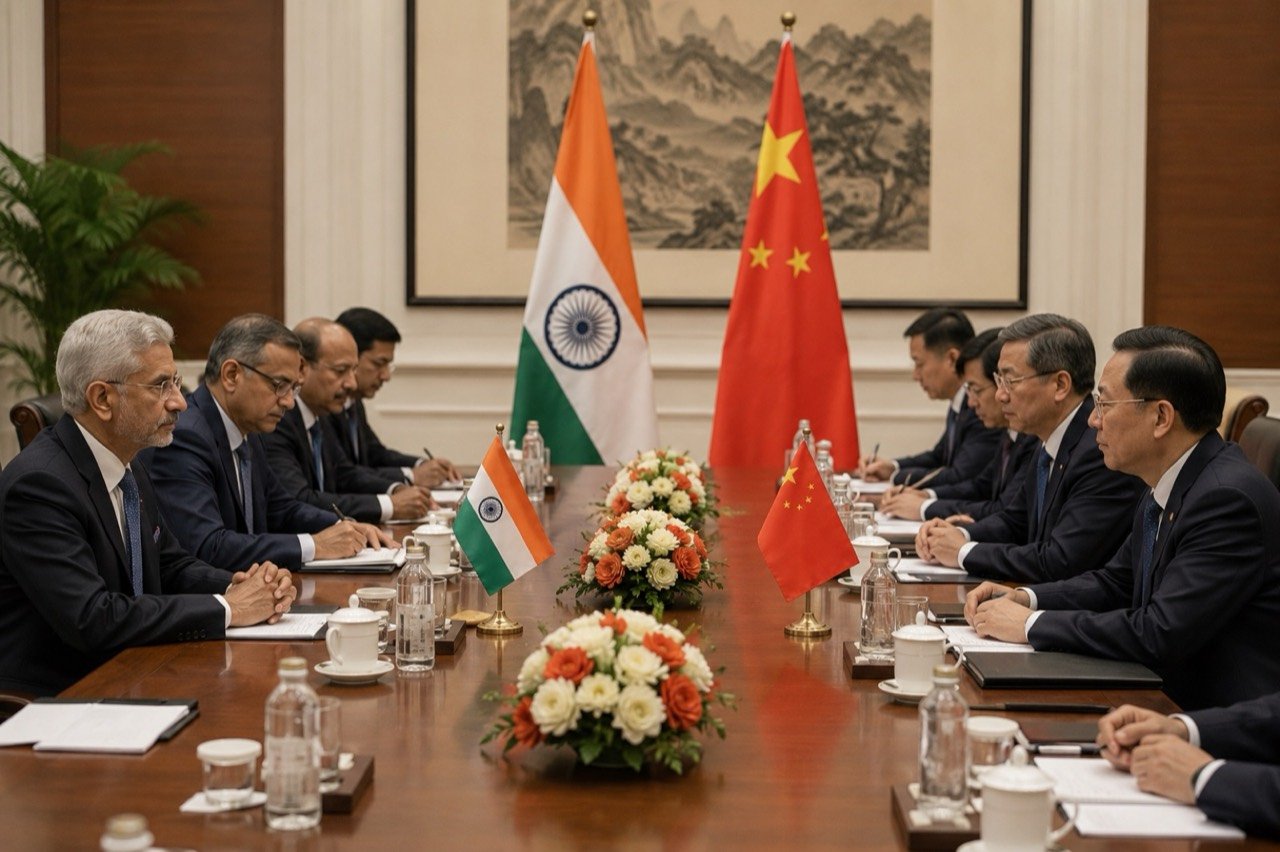
India-China Security Talks Signal Cautious Normalisation of Ties
NSA Ajit Doval and Chinese Foreign Minister Wang Yi met on the sidelines of the BRICS security advisers' meeting in New Delhi, noting progress toward a gradual, guarded normalisation of strained relations.