UPI Goes Cross-Border In Cambodia As India Builds Out Global Payments Corridor
Indian travellers can now scan and pay at millions of Cambodian merchants, while a new India-Nepal remittance link extends UPI's footprint to its tenth international market.
The NE Times Technology Desk
Commentary & Analysis ·

India's Unified Payments Interface has taken another step onto the world stage, with NPCI International launching cross-border UPI payments in Cambodia. Indian travellers can now use their familiar UPI apps to pay directly at millions of merchant outlets across the country, without juggling cash, cards or third-party currency converters.
How the Cambodia link works
NPCI International Payments Limited partnered with a major Cambodian bank to connect UPI with Cambodia's KHQR national QR system. In the first phase, Indian visitors can scan local QR codes at over 4.5 million merchant outlets and pay from their Indian bank accounts, with conversion handled in the background. A fully two-way corridor, letting Cambodian travellers pay in India, is planned for a later phase.
The arrangement removes a familiar friction for outbound Indian travellers, who have long had to rely on forex cards or cash abroad. For Cambodia, a popular destination for Indian tourists, accepting UPI is a way to capture more of that spending at street stalls and small businesses already on the KHQR network.
A widening international map
Cambodia adds to a growing list of countries that now accept UPI in some form, alongside Singapore, the United Arab Emirates, France, Mauritius, Nepal, Bhutan, Qatar and Sri Lanka. Separately, India and Nepal launched a cross-border remittance mechanism linking their national payment systems, aimed at making money transfers between the two neighbours faster and cheaper.
- UPI now works at over 4.5 million merchant outlets in Cambodia via the KHQR linkage
- First phase covers Indian travellers paying abroad; a two-way corridor is planned
- Cambodia joins a roster including Singapore, the UAE, France, Nepal and Sri Lanka
- A new India-Nepal remittance link connects the two countries' payment systems
- Conversion is handled in the background, removing forex friction for travellers
What it signals
Each new corridor turns UPI from a domestic success story into an instrument of payments diplomacy, exporting India's digital-public-infrastructure model abroad. The strategy benefits Indian travellers and the diaspora directly, while giving partner countries a low-cost alternative to card-network rails for accepting Indian spending.
“The ambition is for an Indian traveller to use the same app abroad as they do at their neighbourhood shop, and these corridors are how that becomes real.”
— Payments industry executive
The harder work lies in making these links genuinely bi-directional and scaling them beyond tourist transactions into remittances and commerce. For now, the Cambodia launch and the Nepal remittance corridor mark steady, incremental progress in stitching UPI into the regional payments fabric.
The NE Times View
UPI reaching its tenth international market and adding a Nepal remittance link turns a domestic success into soft power and cheaper transfers. The NE Times View: every corridor that cuts remittance costs and reduces dollar dependence is a quiet strategic gain. The challenge now is reliability and dispute resolution across borders, so that India's payments diplomacy is judged on uptime, not just announcements.
This article is original commentary and analysis by The NE Times. Background facts were referenced from Business Standard and Moneycontrol.
You may also like to read
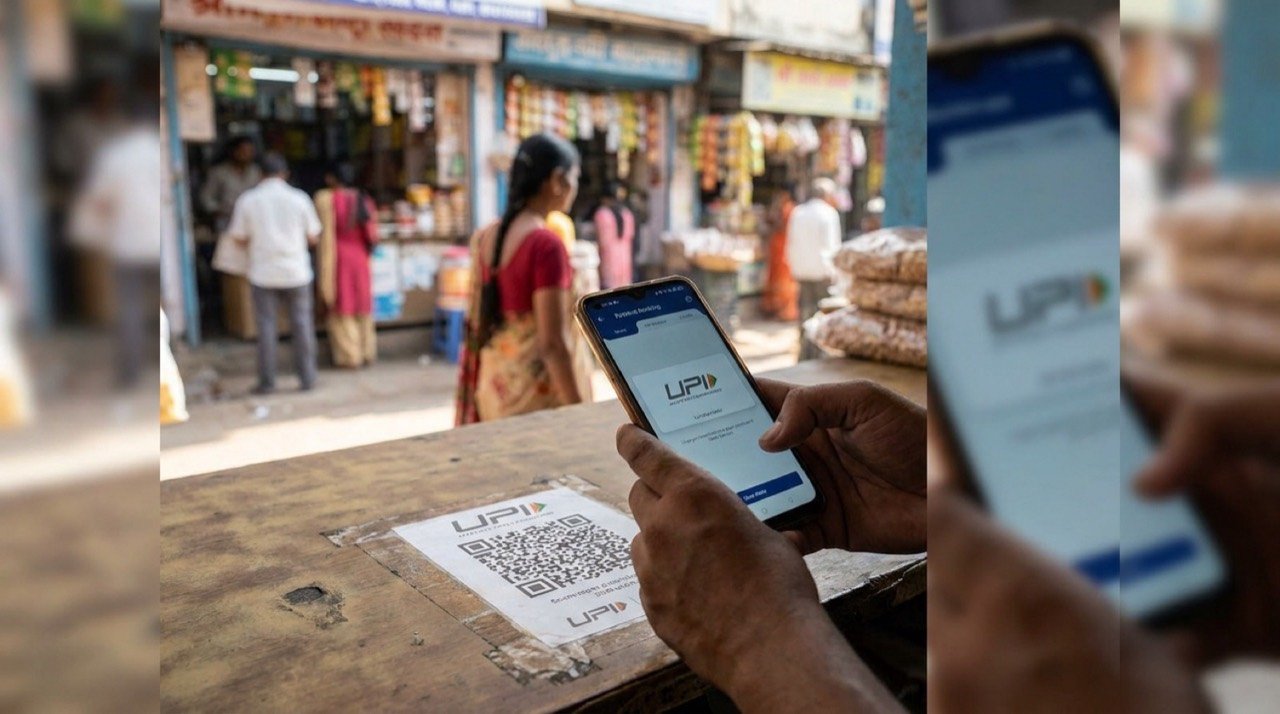
RBI Aligns UPI-Linked Credit Line Rules With Underlying Loan Norms
The Reserve Bank of India has clarified that credit lines delivered over UPI must follow the prudential rules of the underlying loan, closing a regulatory gap as banks and fintechs race to build payment-linked lending.

Kunal Shah Named WhatsApp Global CEO as Meta Leads $900 Million CRED Round
CRED founder Kunal Shah has been named global CEO of WhatsApp as Meta leads a $900 million round valuing the Indian fintech at about $4.5 billion, placing a homegrown founder atop one of the world's biggest apps.

Kunal Shah Named WhatsApp Global Head, Putting India at Centre of Meta's Strategy
CRED founder Kunal Shah has been named global head of WhatsApp as Meta deepens its India bets, placing an Indian fintech entrepreneur in charge of the platform's largest market.
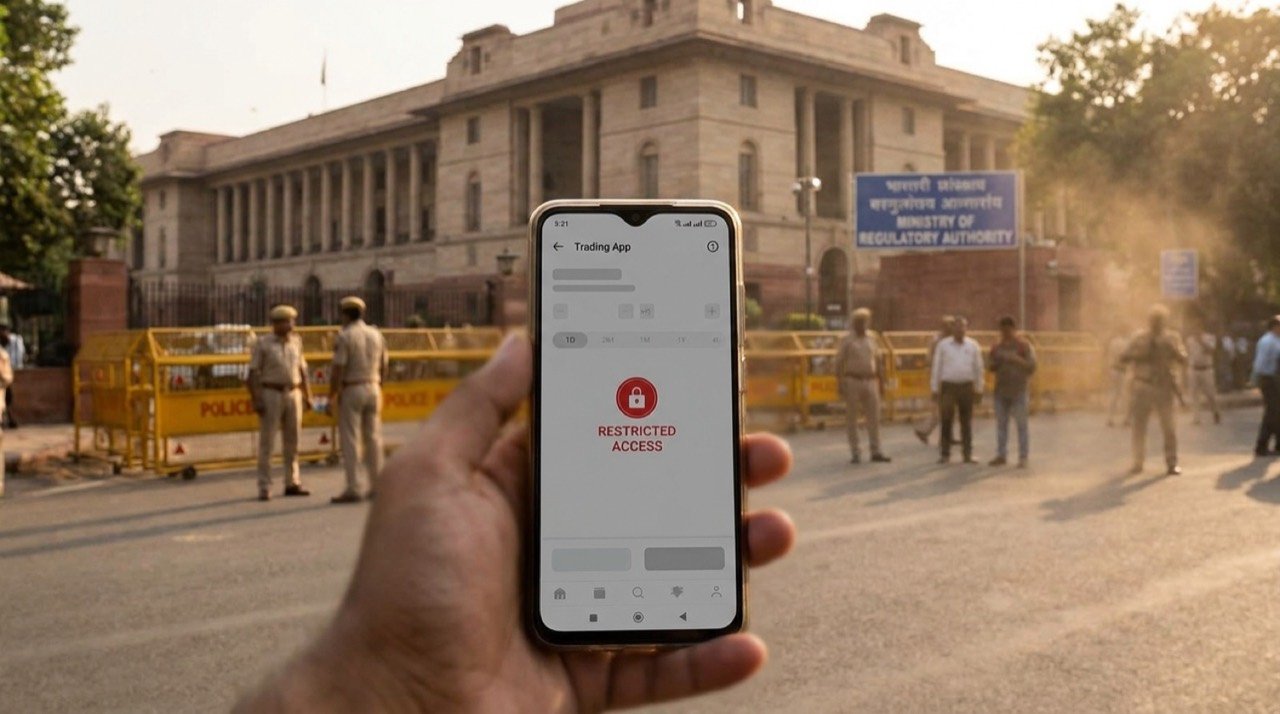
Kalshi Bars India Users as Prediction-Market Crackdown Widens
US event-contract platform Kalshi has added India to its restricted jurisdictions, barring Indian users from trading as MeitY tightens its squeeze on offshore betting and prediction-market platforms.
More from this section
More
ISRO Fires Semi-Cryogenic Engine Power Head at 175 Tonnes in Landmark Hot Test
ISRO successfully ran its indigenous semi-cryogenic engine power head at 175 tonnes of thrust, clearing a key hurdle toward powering the LVM3 upgrade and the Next Generation Launch Vehicle.

India Tech Funding Climbs to $7.2 Billion in H1 2026 Even as Deal Count Slumps
Indian tech startups raised $7.2 billion in the first half of 2026, up 12 per cent year-on-year, but the number of funding rounds fell sharply as capital concentrated in a handful of mega-deals.
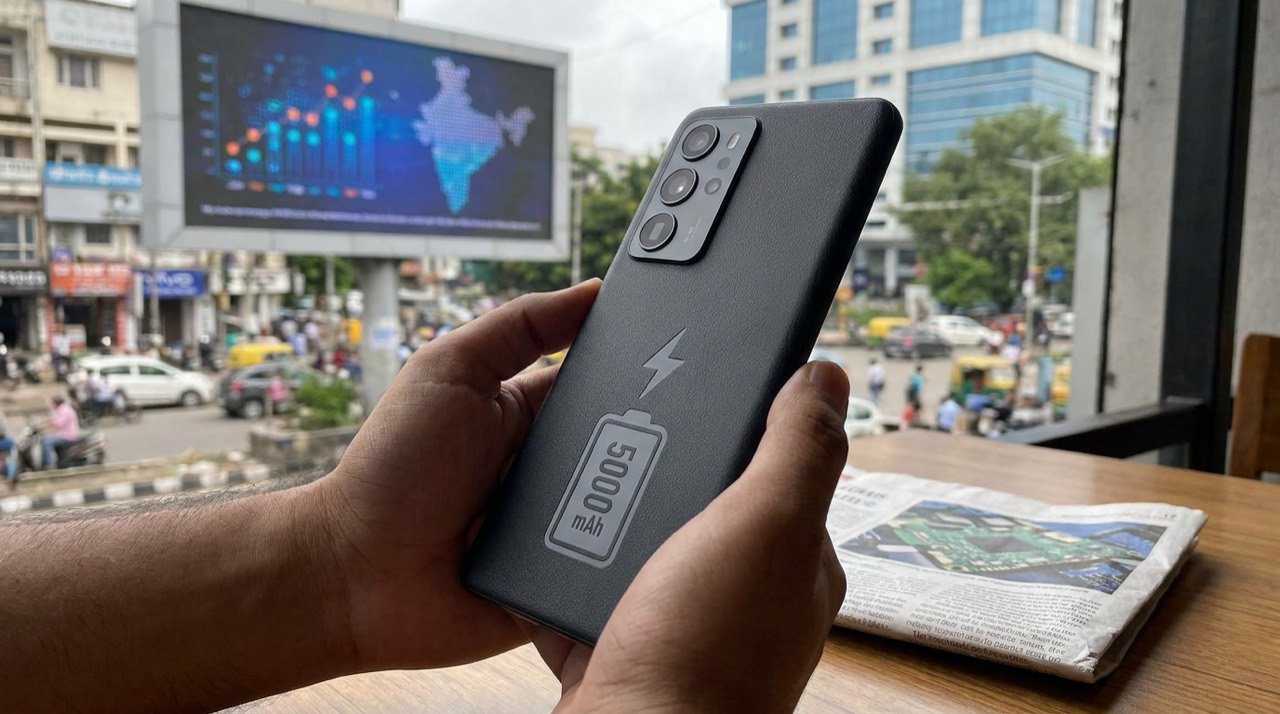
OnePlus N6 Headlines a Crowded End-June Gadget Calendar in India
The OnePlus N6, with its 8,000mAh battery and sub-Rs 25,000 price tag, leads a busy late-June run of smartphone launches in India spanning OnePlus, Oppo and Samsung.