TMC Rebel Bloc Claims to Oust Mamata Banerjee, Vows Election Commission Fight
A breakaway Trinamool Congress faction says it has removed Mamata Banerjee as chairperson and installed Arup Roy, setting up a high-stakes battle over who is the real party.
Commentary & Analysis ·
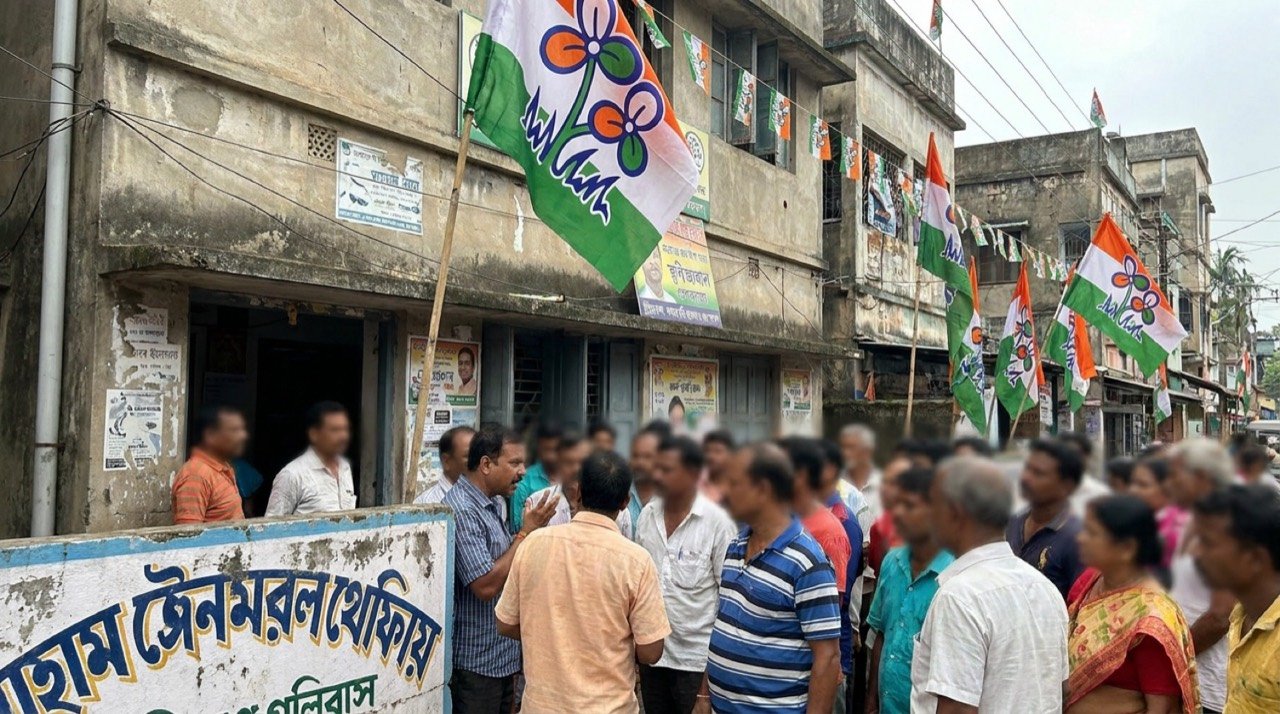
A rebel bloc within the Trinamool Congress has thrown West Bengal politics into turmoil, claiming it has stripped Mamata Banerjee of her position as party chairperson and installed senior figure Arup Roy in her place. The faction, linked in reports to former Rajya Sabha member Ritabrata Banerjee, says it intends to approach the Election Commission of India to be recognised as the genuine Trinamool Congress, a move that, if pursued, could trigger one of the most consequential intra-party disputes the state has witnessed in years.
What the rebel faction is claiming
The dissident group asserts that an internal process has unseated Banerjee, the founder and undisputed face of the Trinamool Congress since 1998, and elevated Arup Roy to the top organisational post. The rebels frame the leadership change as a corrective measure rooted in the party's own constitution, and signal that they will formally petition the Election Commission to claim the party's name and its symbol.
Crucially, the announcement remains, at this stage, a political assertion rather than a settled legal reality. No order from the Election Commission has endorsed the claim, and the established party leadership continues to function as before. The gap between declaration and recognition is where the coming contest will be fought.
How party splits are actually decided
Recognition of a breakaway faction is not granted on the strength of a press statement. Under the Election Symbols (Reservation and Allotment) Order, 1968, the Election Commission weighs the support each side commands among the party's elected representatives and organisational office-bearers, scrutinises the party constitution, and examines documentary evidence before deciding who is entitled to the name and symbol.
For a rebel bloc to prevail, it would need to demonstrate that a substantial share of the Trinamool's legislators, members of Parliament and organisational machinery stand behind it. Given Banerjee's overwhelming dominance over the party apparatus and her sweeping presence in the West Bengal Assembly, that is a formidably high bar to clear.
- The Election Commission tests the level of support among a party's elected MPs and MLAs.
- It examines backing within the party's organisational and decision-making bodies.
- The party constitution and any internal election records are scrutinised for legitimacy.
- Documentary proof, affidavits and signatures are required to substantiate any claim.
- Until a ruling is issued, the incumbent leadership retains control of the name and symbol.
A flashpoint ahead of a crucial poll cycle
The timing magnifies the significance of the dispute. West Bengal is widely expected to head into a charged Assembly contest, and a public challenge to Banerjee's authority, however unproven, hands the opposition a fresh line of attack while testing the cohesion the Trinamool has long projected. Reports of dissolved district committees in recent weeks had already hinted at churn beneath the surface.
Whether the rebellion reflects genuine organisational strength or a narrower act of defiance will become clearer only as named representatives declare their allegiances. For now, the absence of high-profile defections from Banerjee's inner circle suggests the chairperson's grip remains largely intact.
“Until the Election Commission rules, the rebel claim is a political assertion, not a legal outcome — recognition turns on representatives, records and the party constitution.”
— The NE Times analysis
The episode is likely to play out across two arenas at once: the courtroom-like scrutiny of the Election Commission and the rough-and-tumble of Bengal's streets and assembly. Should the rebels formally file their petition, a protracted process of hearings, affidavits and counter-claims could follow. Until then, the Trinamool Congress as the electorate knows it remains under Mamata Banerjee, even as the challenge to her standing becomes a defining storyline of the state's pre-election season.
The NE Times View
A faction declaring it has deposed Mamata Banerjee is, on the available facts, more theatre than coup; control of a party built around one leader is rarely seized by announcement. Such splits usually end at the Election Commission and the courts, fighting over the symbol and the name. The substantive question is whether this reflects real intra-party dissent or an externally encouraged ploy ahead of elections. Watch the EC's response, not the press conference.
This article is original commentary and analysis by The NE Times. Background facts were referenced from The New Indian Express and The Times of India.
You may also like to read
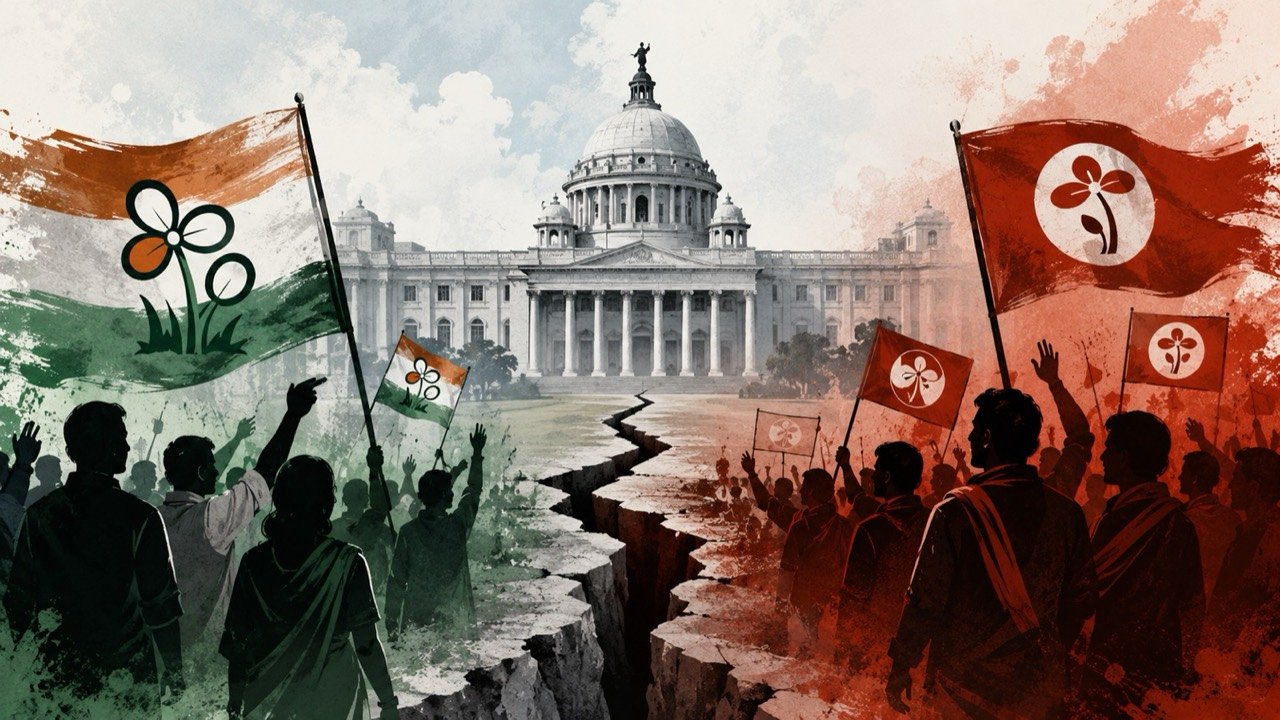
Rebel TMC Bloc Challenges Mamata Banerjee Over Party Control
A rebel Trinamool Congress faction claims it has removed Mamata Banerjee as chairperson and named Arup Roy in her place, setting up a likely fight over the party name and symbol at the Election Commission.
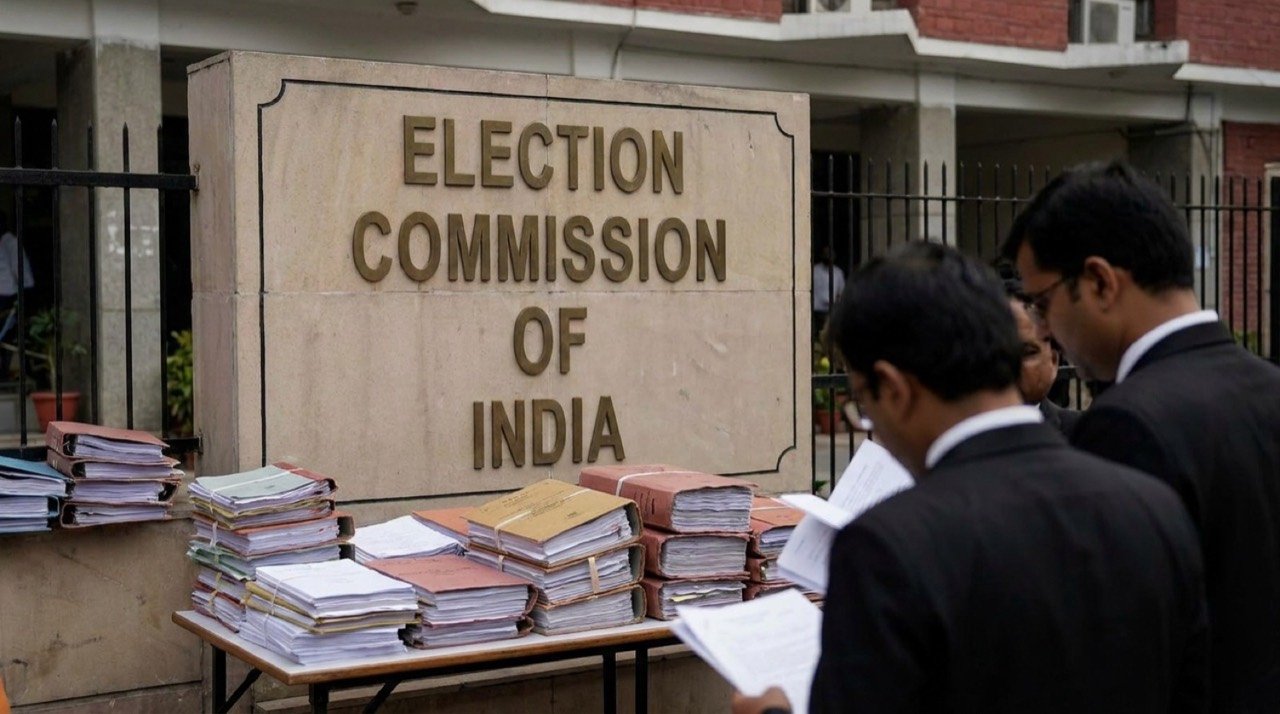
TMC Leadership-List Dispute Reaches the Election Commission
A dispute inside the Trinamool Congress over office-bearer lists and organisational authority has reached the Election Commission, raising procedural questions with real stakes for West Bengal politics.

Rebel TMC MLAs Name Arup Roy Chairperson, Deepening Mamata Banerjee's Crisis
A breakaway group of Trinamool Congress legislators has declared Arup Roy chairperson of what it calls the 'real TMC', mounting an open challenge to Mamata Banerjee's leadership in West Bengal.
K Kavitha Party Denied TRS Name by Election Commission
The Election Commission has refused to register K Kavitha's Telangana Rakshana Sena under the TRS acronym after objections, forcing a branding reset for the new party at a politically sensitive moment in Telangana.
More from this section
MoreK Kavitha Party Denied TRS Name by Election Commission
The Election Commission has refused to register K Kavitha's Telangana Rakshana Sena under the TRS acronym after objections, forcing a branding reset for the new party at a politically sensitive moment in Telangana.
Lalu Prasad Yadav Security Downgrade, Bungalow Order Stir Bihar
A government order downgrading Lalu Prasad Yadav's security cover and asking him to vacate an official bungalow has opened a fresh political flashpoint in Bihar, with the RJD chief's reaction fuelling the row.
Manipur CM's Churachandpur Visit: First Since 2023 Unrest
The Manipur Chief Minister travelled to Churachandpur for a BJP MLA's funeral, his first visit to the district since the 2023 violence, lending the sombre occasion an unmistakable political significance.