TMC Leadership-List Dispute Reaches the Election Commission
A dispute inside the Trinamool Congress over office-bearer lists and organisational authority has reached the Election Commission, raising procedural questions with real stakes for West Bengal politics.
Commentary & Analysis ·
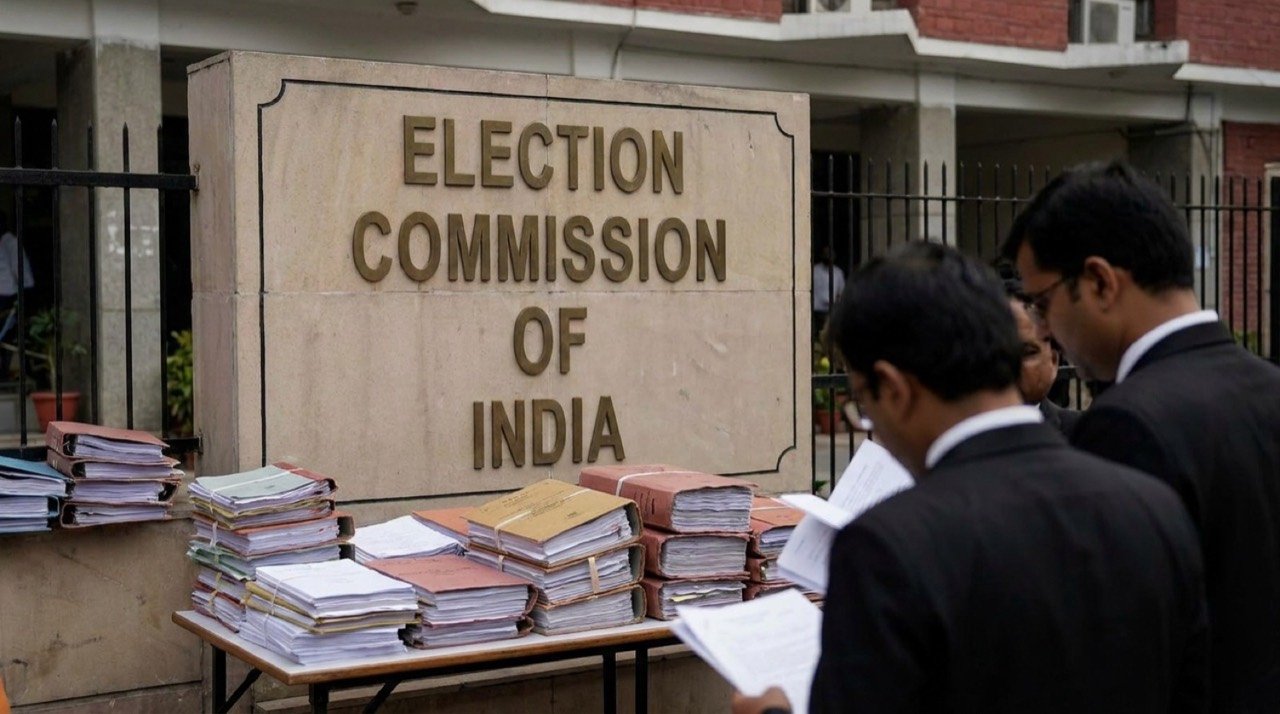
A dispute inside the Trinamool Congress has reached the Election Commission of India after rival claims over office-bearer lists and organisational authority surfaced in public reporting. While the matter appears procedural on the surface, it touches the formal machinery that determines who can legitimately speak and act for a recognised political party, an issue with consequences well beyond paperwork.
Why Party Records Matter
Recognised political parties in India are required to maintain formal records of their authorised leaders, their election symbol, communication channels and internal organisational structure. These records are not mere formalities: they establish who is empowered to nominate candidates, sign official communications and represent the party before the Commission and other institutions.
When competing factions submit conflicting lists, the Election Commission's documentation becomes the reference point for legitimacy. That is why a contest that might otherwise look like an internal squabble can escalate into a formal filing with the country's electoral authority.
The Stakes for West Bengal
For West Bengal, where the Trinamool Congress is the dominant political force, the episode carries weight even if it remains technical. Organisational disputes can ripple into candidate selection, campaign coordination and the discipline of public messaging, all of which depend on a clear, agreed chain of command within the party.
The leadership will be keen to project continuity and control, demonstrating that its authorised structure is intact and uncontested. Dissenting voices, meanwhile, may see institutional channels such as the Commission as a way to press claims they cannot win through internal forums alone.
The Commission's Limited but Pivotal Role
The Election Commission does not exist to adjudicate every political disagreement, and it generally avoids stepping into internal party affairs. Its records and recognition decisions, however, can prove decisive when rival factions openly contest who holds legitimate authority, particularly over the use of the party name and symbol.
- Recognised parties must file authorised office-bearer lists with the Election Commission.
- Records govern candidate nominations, official signatures and symbol use.
- Conflicting lists force the Commission's documentation to serve as a legitimacy test.
- Organisational disputes can affect campaign coordination and candidate selection.
- The Commission rarely intervenes in internal affairs but its records can be pivotal.
“The Election Commission's role is not to settle every political disagreement, but its records can become important when factions contest legitimacy.”
— Kavita Desai
How the dispute resolves will be watched closely as a barometer of cohesion within one of India's most influential regional parties. Whether the filing leads to a formal review or fades after internal reconciliation, it has already highlighted how organisational machinery, often invisible to voters, can shape the political contest in a key state. The outlook will depend on whether the leadership can quickly reassert a single, recognised line of authority.
The NE Times View
A squabble over office-bearer lists sounds procedural, but in West Bengal's charged politics the paperwork is the power. Who controls the organisational machinery shapes candidate selection, funds and the party's public face heading into contests. By landing at the Election Commission, an internal tussle now invites external arbitration of a ruling party's affairs, a reminder that even dominant outfits are not immune to the messy business of who, exactly, gets to speak for them.
This article is original commentary and analysis by The NE Times. Background facts were referenced from The Indian Express and the Election Commission of India.
You may also like to read
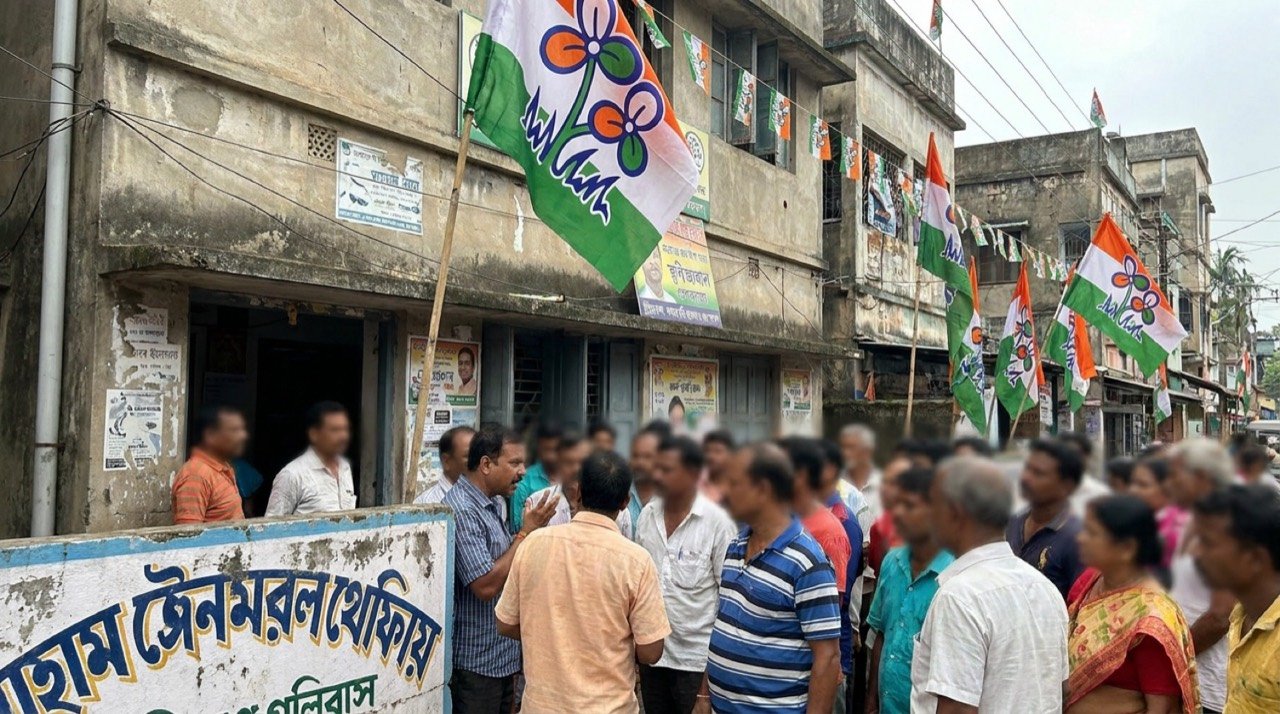
TMC Rebel Bloc Claims to Oust Mamata Banerjee, Vows Election Commission Fight
A breakaway Trinamool Congress faction says it has removed Mamata Banerjee as chairperson and installed Arup Roy, setting up a high-stakes battle over who is the real party.
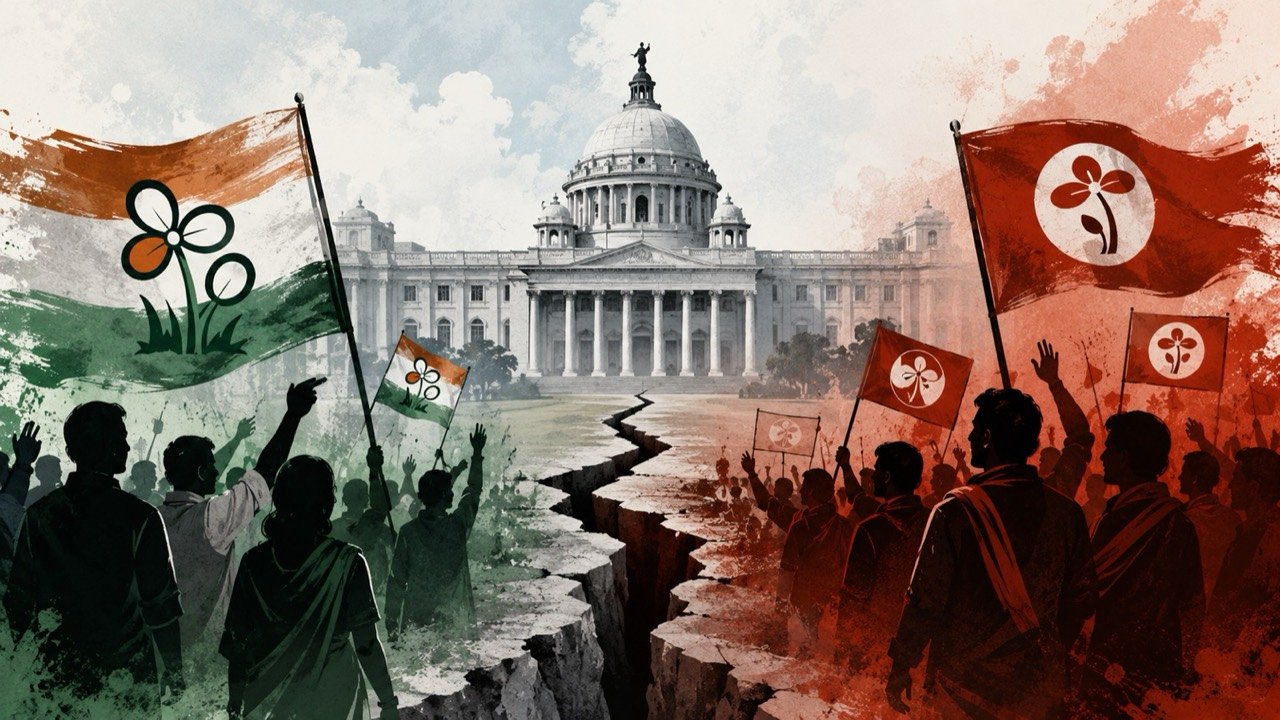
Rebel TMC Bloc Challenges Mamata Banerjee Over Party Control
A rebel Trinamool Congress faction claims it has removed Mamata Banerjee as chairperson and named Arup Roy in her place, setting up a likely fight over the party name and symbol at the Election Commission.
K Kavitha Party Denied TRS Name by Election Commission
The Election Commission has refused to register K Kavitha's Telangana Rakshana Sena under the TRS acronym after objections, forcing a branding reset for the new party at a politically sensitive moment in Telangana.
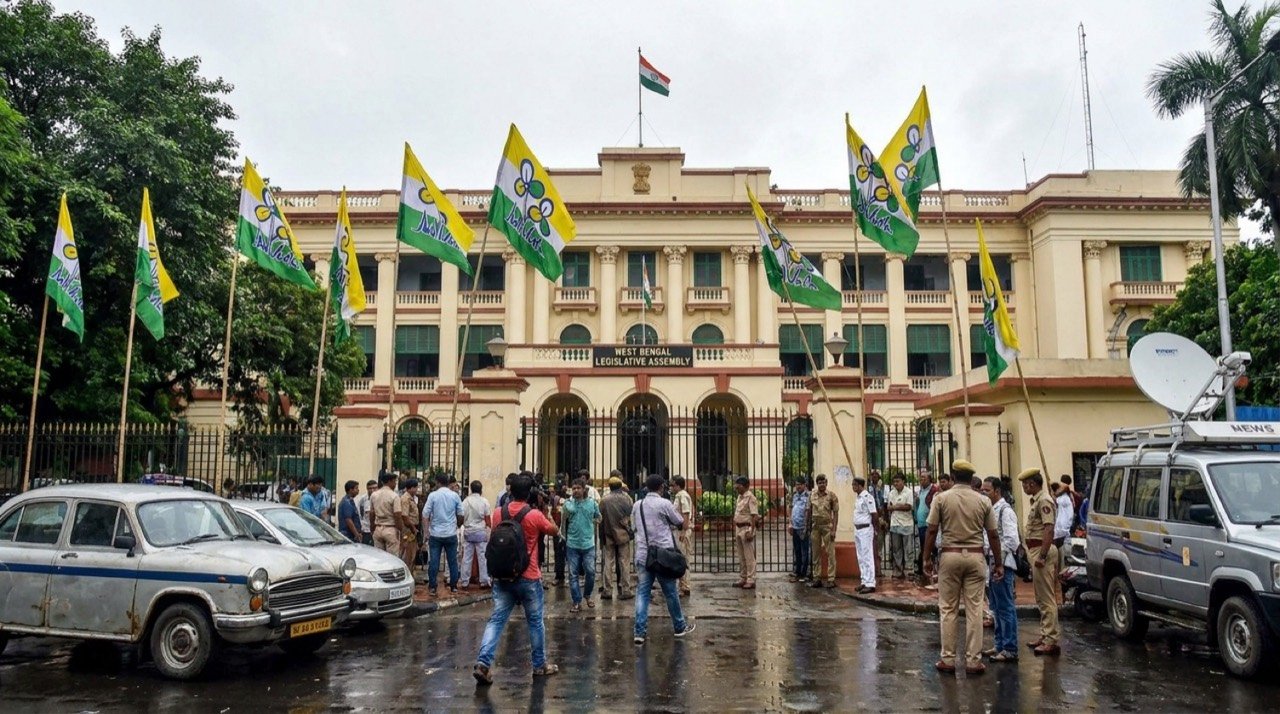
TMC Expels Senior Leaders as West Bengal Party Crisis Deepens
The Trinamool Congress crisis escalated as the party expelled eight senior leaders, including Firhad Hakim, over alleged anti-party activity, after a rebel faction claimed to remove Mamata Banerjee.
More from this section
MoreK Kavitha Party Denied TRS Name by Election Commission
The Election Commission has refused to register K Kavitha's Telangana Rakshana Sena under the TRS acronym after objections, forcing a branding reset for the new party at a politically sensitive moment in Telangana.
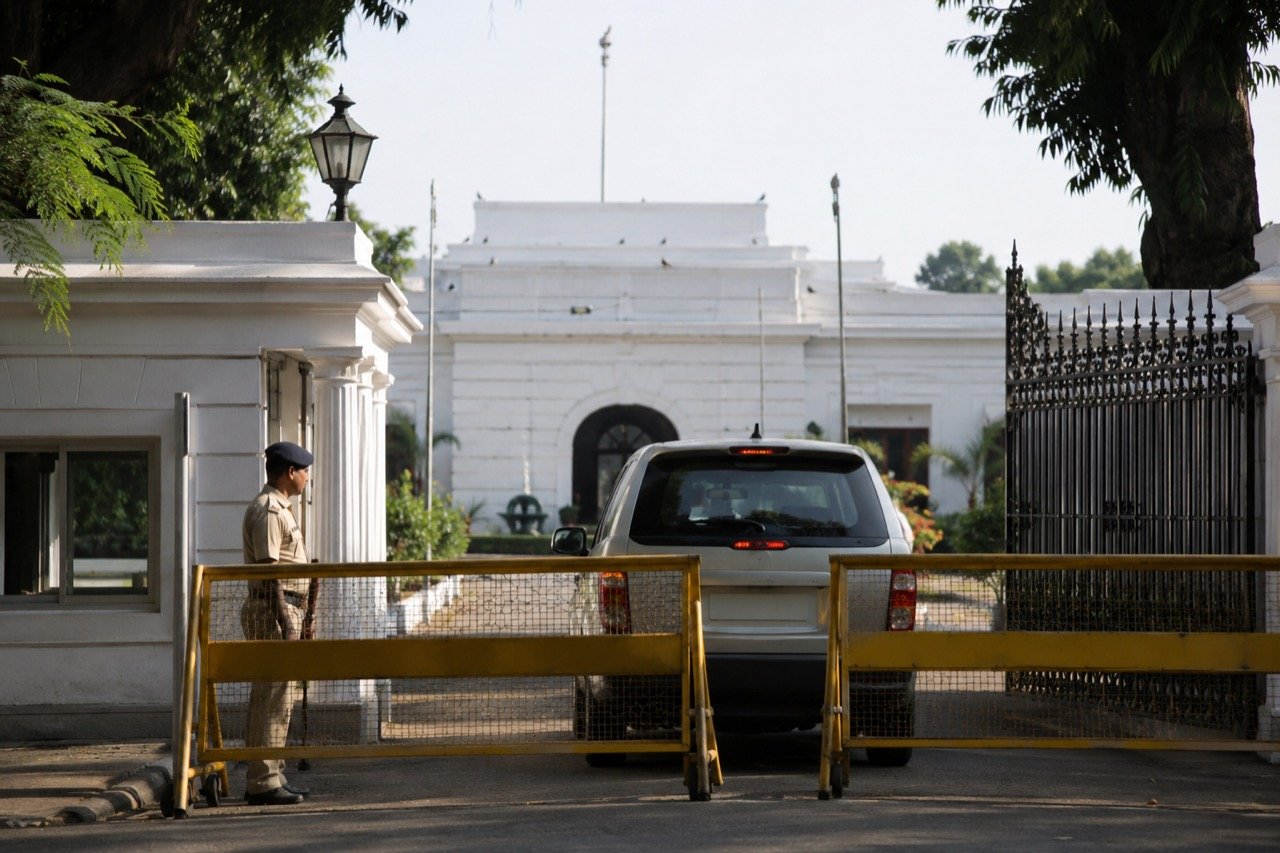
Lalu Prasad Yadav Security Downgrade, Bungalow Order Stir Bihar
A government order downgrading Lalu Prasad Yadav's security cover and asking him to vacate an official bungalow has opened a fresh political flashpoint in Bihar, with the RJD chief's reaction fuelling the row.
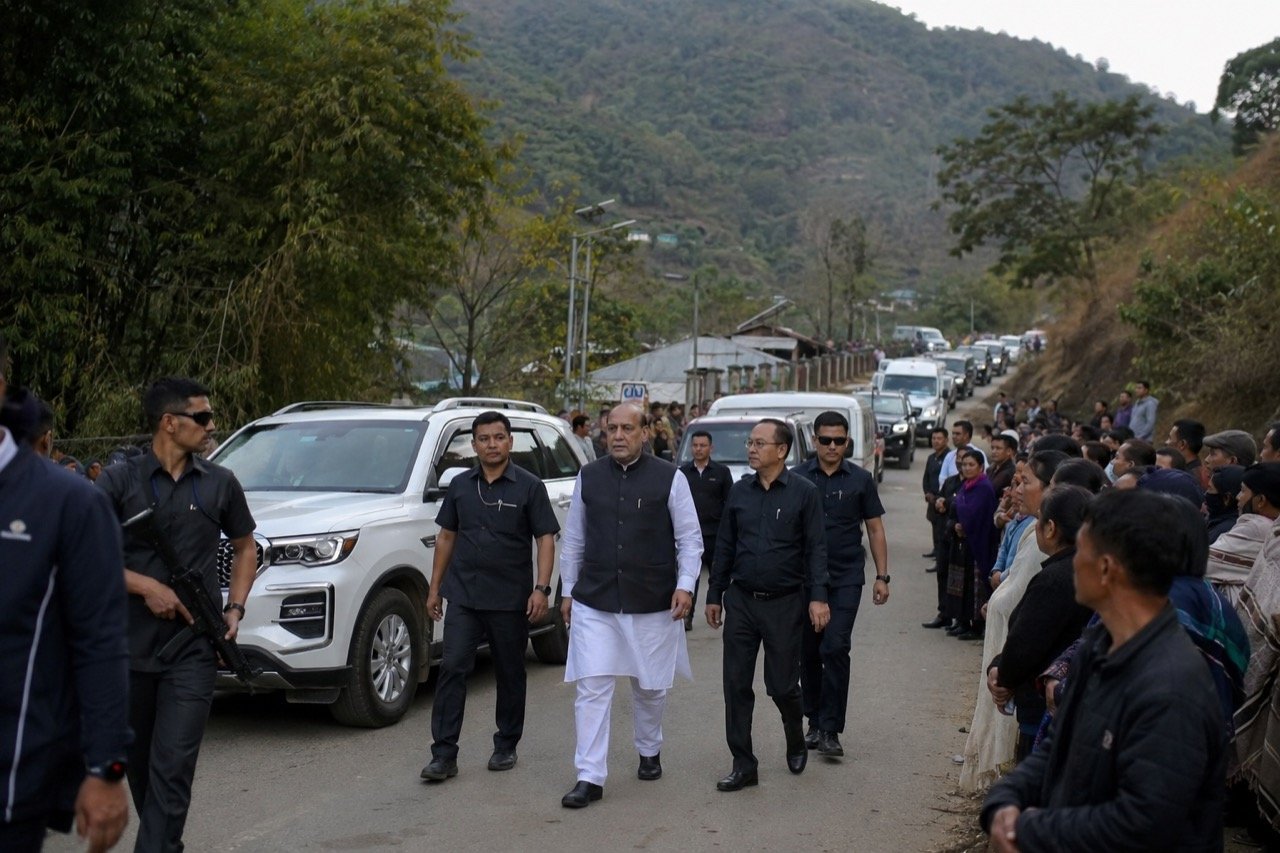
Manipur CM's Churachandpur Visit: First Since 2023 Unrest
The Manipur Chief Minister travelled to Churachandpur for a BJP MLA's funeral, his first visit to the district since the 2023 violence, lending the sombre occasion an unmistakable political significance.