Telegram Faces Fresh India Scrutiny Over Illegal Content and Exam-Security Risks
Indian officials are again examining Telegram over exam-leak misinformation, channels sharing child sexual abuse material and piracy, reopening the debate on encryption, platform accountability and user safety.
The NE Times Technology Desk
Commentary & Analysis ·
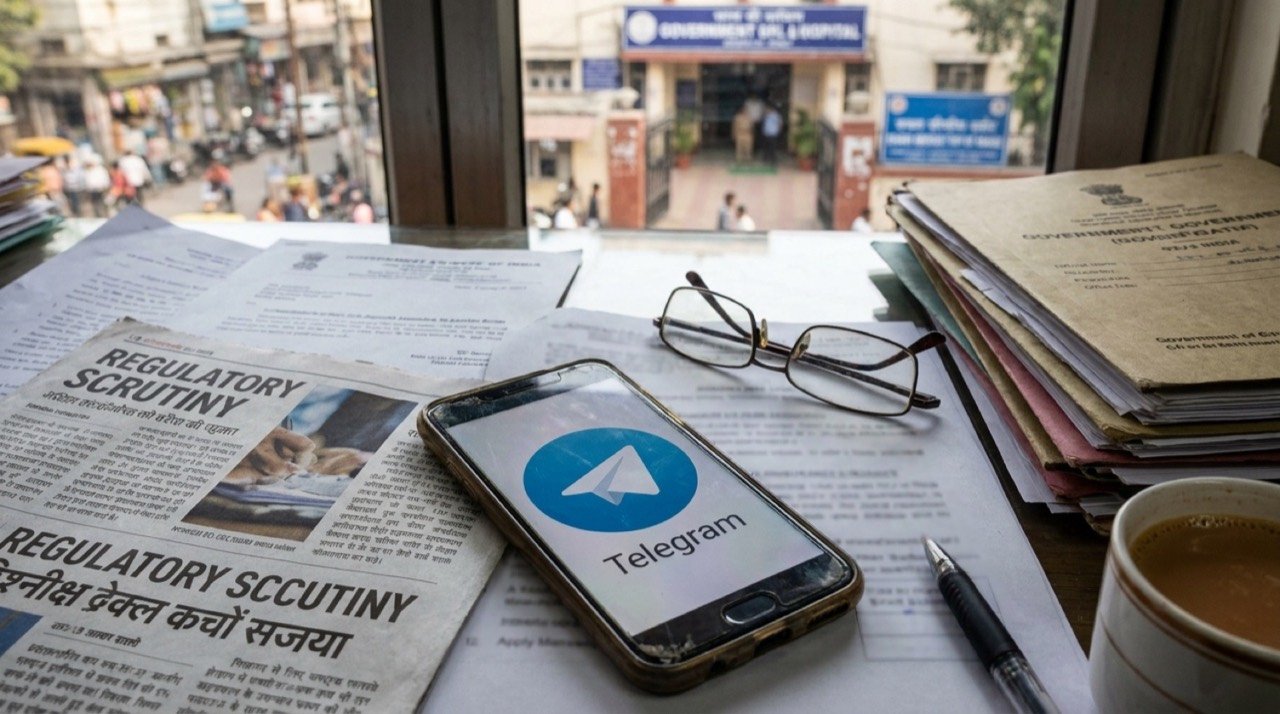
Telegram is once again under Indian scrutiny, as officials and investigators link the messaging platform to a cluster of concerns ranging from exam-security misinformation to channels carrying illegal material. The renewed attention reopens a familiar and difficult question: how India should police harmful content without disrupting the lawful use that millions depend on.
The concerns under examination
Reports said the government has been examining whether stronger action is needed against the platform, citing exam-security misinformation, channels sharing illegal child sexual abuse material and piracy-related content. These issues have surfaced repeatedly in connection with Telegram's large, loosely moderated public channels.
The exam dimension has proved especially sensitive in India, where leaked or fabricated material circulating ahead of high-stakes tests can undermine the integrity of national examinations and rattle lakhs of candidates.
A platform with legitimate uses
At the same time, officials have acknowledged the platform's legitimate use by students, creators, businesses and communities. Telegram serves as a hub for study groups, small-business outreach, hobbyist communities and public information, which complicates any blunt response.
Any aggressive action would affect millions of ordinary users, making the policy calculus far more delicate than a simple crackdown.
The wider balancing act
The debate is not only about one app. It is about how India balances encryption, platform accountability, user safety and lawful investigation, a tension that runs through much of the country's evolving technology policy.
The central question is whether targeted enforcement can curb genuinely illegal channels without sweeping up everyday communication and commerce.
- Authorities are examining exam-security misinformation tied to the platform.
- Channels allegedly sharing child sexual abuse material are a key concern.
- Piracy-related content has also drawn regulatory attention.
- Students, creators, businesses and communities are legitimate users.
- The core dilemma is targeting illegal channels without disrupting lawful use.
“The debate is not only about one app; it is about how India balances encryption, platform accountability, user safety and lawful investigation.”
— The NE Times analysis
How the government proceeds could set a template for dealing with other large messaging platforms. A measured, evidence-led approach that isolates illegal channels would address public-safety fears while preserving the open communication that has made Telegram popular. The outcome will be watched closely by users, regulators and platform operators alike.
The NE Times View
Telegram's encryption is a feature for privacy and a shield for predators and exam mafias alike, and India is right to demand accountability for channels trafficking abuse material and leaks. The NE Times View: the answer is targeted enforcement and clear takedown obligations, not blunt threats to break encryption that would weaken security for every law-abiding user. Platform liability and user safety can coexist; lazy bans serve neither.
This article is original commentary and analysis by The NE Times. Background facts were referenced from Indian Express and The Economic Times.
You may also like to read
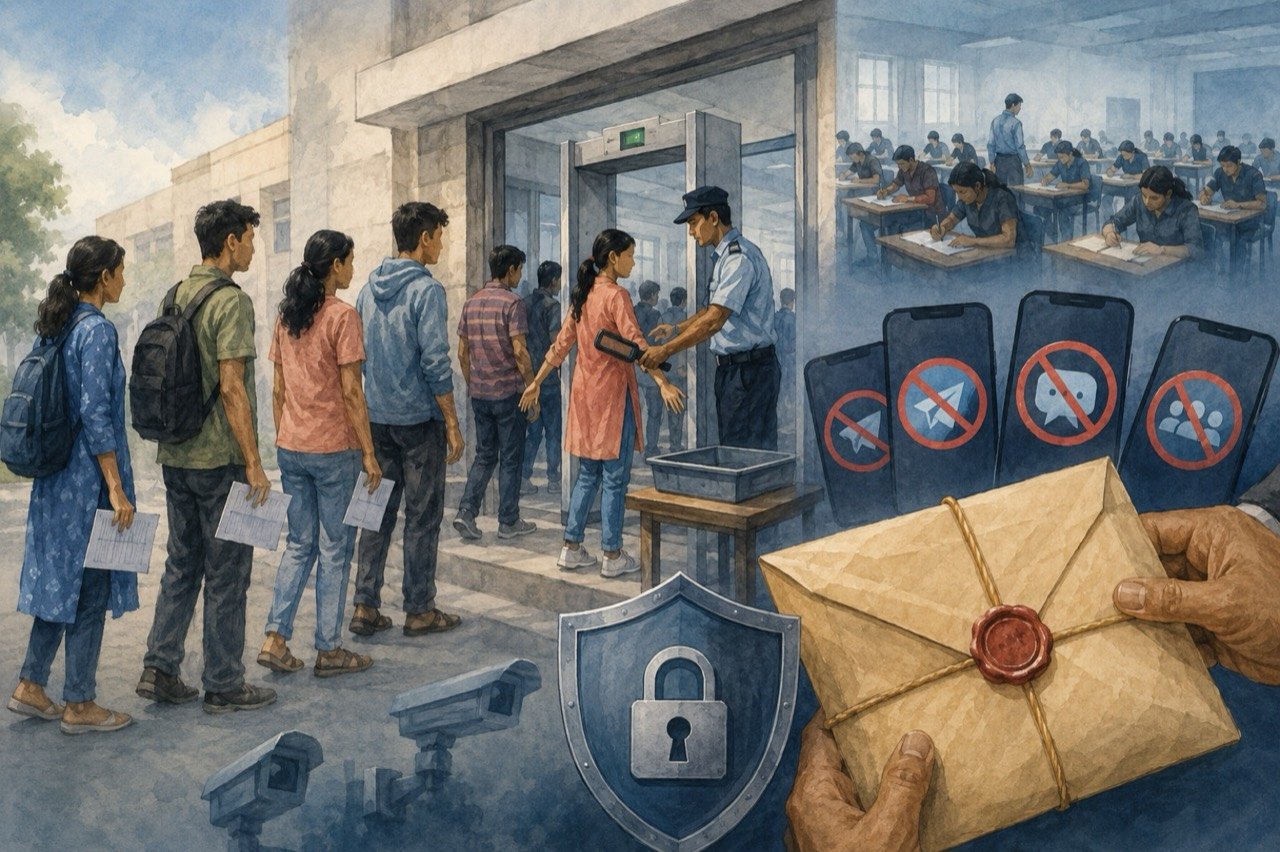
NEET UG Retest Puts Exam Security, Telegram Ban and Misinformation Under Scrutiny
More than two million students resat NEET UG 2026 under tight security after the May paper was scrapped, as the NTA probed a fake video and a temporary Telegram block drew debate.
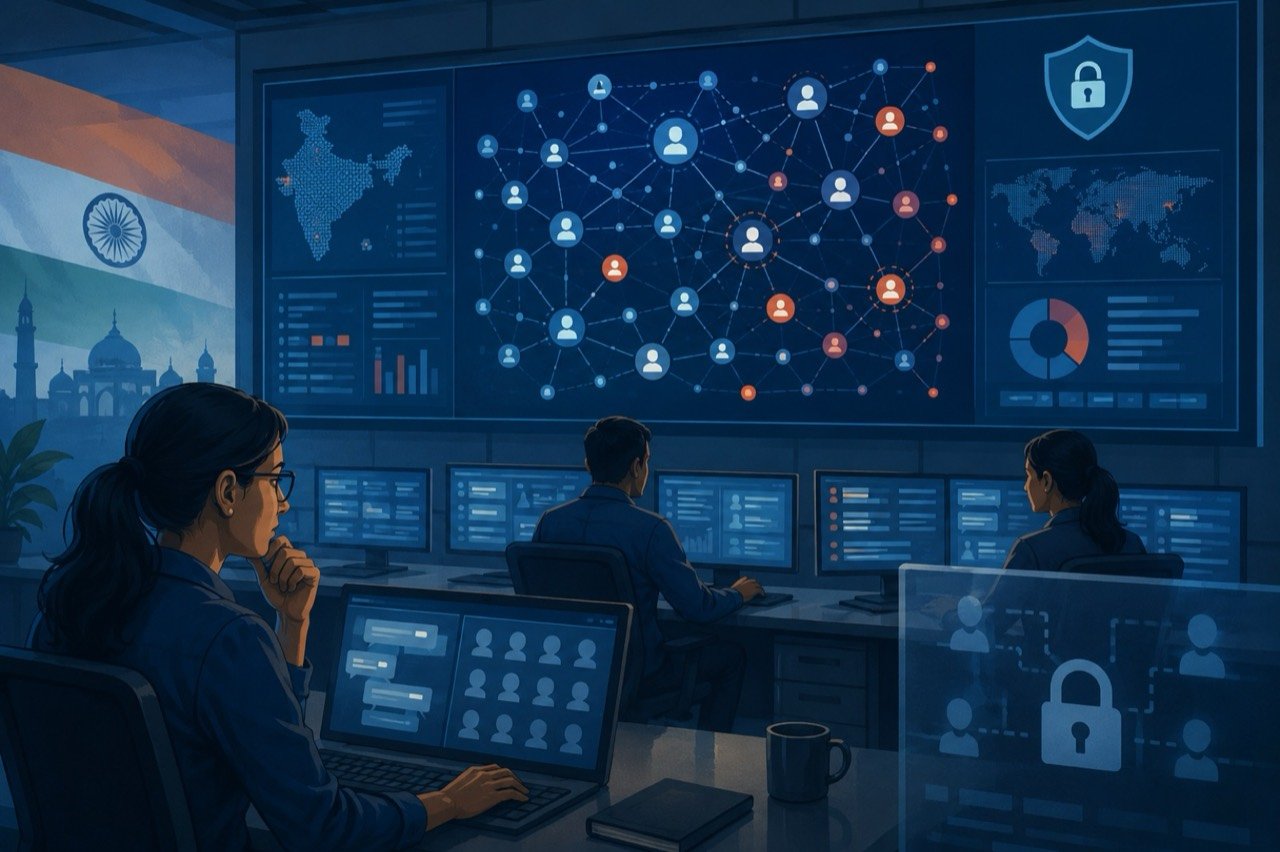
India Monitoring Telegram After Report Flags Illegal Content Risks
A government report cited by Reuters says authorities are proactively tracking Telegram groups over concerns about child abuse material and financial scams.
Telegram Restored in India After Temporary NEET-Linked Block
Telegram is available again for many Indian Android users after a temporary nationwide restriction tied to NEET-UG re-exam integrity, reopening debate on exam security and digital limits.
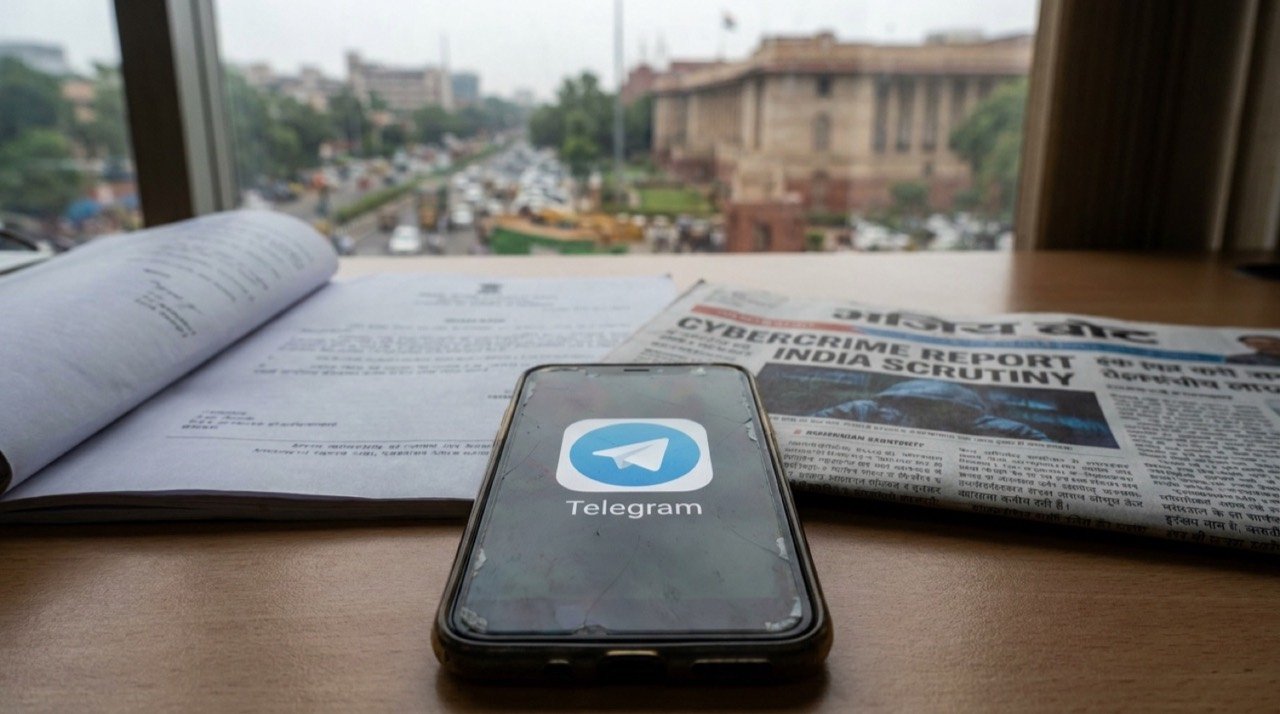
Telegram Faces Growing India Scrutiny After Home Ministry Cybercrime Report
Telegram is under sharper scrutiny in India after a Home Ministry cybercrime report flagged the platform's alleged use for child sexual abuse material and financial fraud across its largest market of 150 million-plus users.
More from this section
More
ISRO Fires Semi-Cryogenic Engine Power Head at 175 Tonnes in Landmark Hot Test
ISRO successfully ran its indigenous semi-cryogenic engine power head at 175 tonnes of thrust, clearing a key hurdle toward powering the LVM3 upgrade and the Next Generation Launch Vehicle.

India Tech Funding Climbs to $7.2 Billion in H1 2026 Even as Deal Count Slumps
Indian tech startups raised $7.2 billion in the first half of 2026, up 12 per cent year-on-year, but the number of funding rounds fell sharply as capital concentrated in a handful of mega-deals.

OnePlus N6 Headlines a Crowded End-June Gadget Calendar in India
The OnePlus N6, with its 8,000mAh battery and sub-Rs 25,000 price tag, leads a busy late-June run of smartphone launches in India spanning OnePlus, Oppo and Samsung.