Telegram Faces Growing India Scrutiny After Home Ministry Cybercrime Report
Telegram is under sharper scrutiny in India after a Home Ministry cybercrime report flagged the platform's alleged use for child sexual abuse material and financial fraud across its largest market of 150 million-plus users.
The NE Times Technology Desk
Commentary & Analysis ·
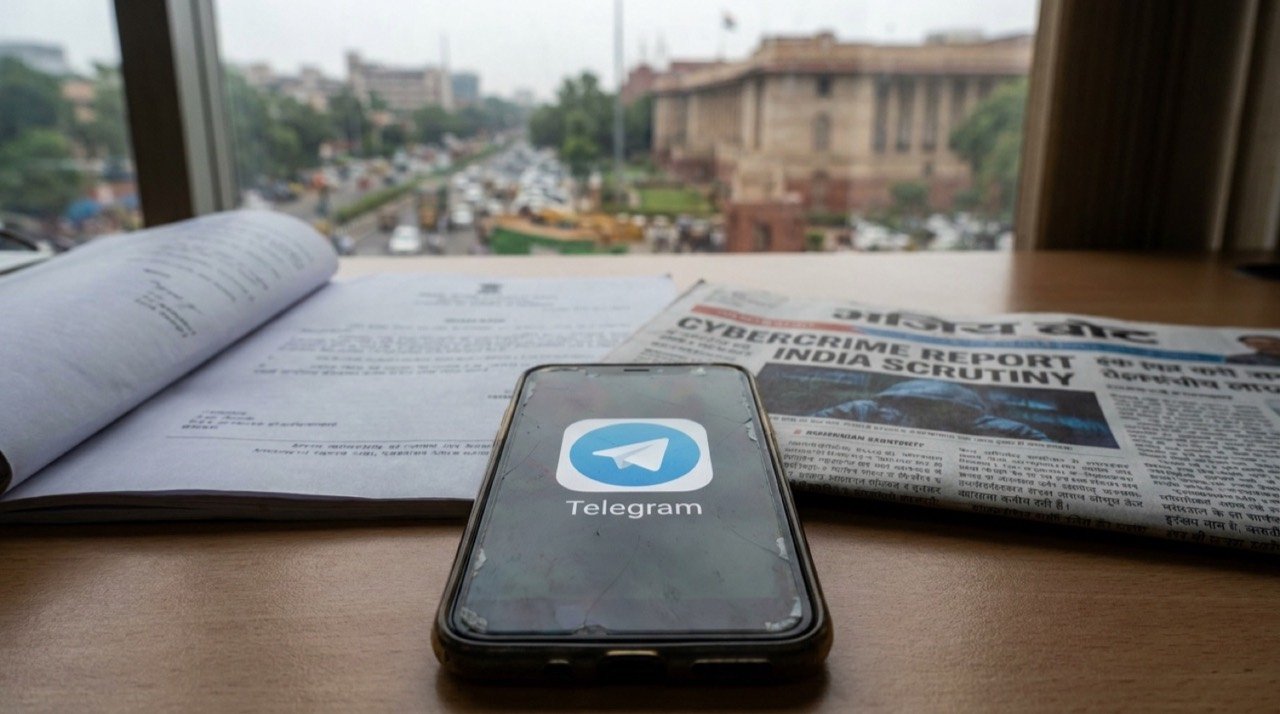
Telegram is facing intensifying scrutiny in India after public reporting cited a Union Home Ministry cybercrime report alleging that the messaging platform was being used to circulate child sexual abuse material and to perpetrate financial fraud. With India described as Telegram's largest market, home to more than 150 million users, the findings have sharpened a long-running debate over how the country should police powerful, lightly moderated communication platforms.
What the report alleges
According to the reporting, the Home Ministry's cybercrime assessment raised serious concerns about the misuse of Telegram's channels and groups for grave offences, including the distribution of child sexual abuse material and a range of financial frauds. The report reportedly formed part of the government's justification for a temporary restriction on the platform.
Authorities said they were proactively monitoring groups and channels for illegal activity, signalling a more hands-on enforcement posture toward a service whose scale and features can make moderation difficult.
Why India matters to Telegram
India's status as Telegram's biggest user base gives the dispute outsized significance for the company. A regulatory clash here carries commercial weight and sets a precedent for how the platform engages with governments globally. For Indian users, the stakes touch both safety and the continuity of a widely used communication tool.
The policy dilemma
The episode revives a familiar tension between protecting users from serious crime and preserving lawful communication and platform rights. Heavy-handed action risks curbing legitimate speech and disrupting millions of ordinary users, while inaction can allow real harms to spread. Striking that balance is the central challenge for regulators and the company alike.
- A Home Ministry cybercrime report flagged misuse of Telegram in India.
- Allegations include child sexual abuse material and financial fraud.
- India is described as Telegram's largest market with 150 million-plus users.
- Authorities said they were proactively monitoring groups and channels.
- The report featured in the government's defence of a temporary ban.
“The hard task is shielding users from grave crime without dismantling lawful communication for millions of ordinary people.”
— Digital-rights policy analyst
The outlook will hinge on how Telegram responds to the government's concerns, whether it strengthens cooperation on illegal content, and how Indian authorities calibrate enforcement against free-communication considerations. The case is likely to become a reference point in India's evolving approach to platform accountability and online safety.
The NE Times View
With 150 million-plus Indian users, Telegram cannot keep treating moderation as someone else's problem; a platform that profits from scale owes its largest market real accountability on child-abuse material and fraud. The state's scrutiny is justified, but the remedy must be lawful cooperation and faster takedowns, not blunt threats that endanger legitimate private communication. Watch whether this produces concrete compliance or merely a familiar standoff.
This article is original commentary and analysis by The NE Times. Background facts were referenced from The Times of India and the Union Home Ministry cybercrime report.
You may also like to read
India Steps Up Telegram Monitoring Over Cybercrime And Fraud Concerns
India's cybercrime agencies are proactively monitoring Telegram groups and channels linked to fraud and illegal content, as the government balances citizen safety against lawful digital communication.
Telegram Faces Fresh India Scrutiny Over Illegal Content and Exam-Security Risks
Indian officials are again examining Telegram over exam-leak misinformation, channels sharing child sexual abuse material and piracy, reopening the debate on encryption, platform accountability and user safety.
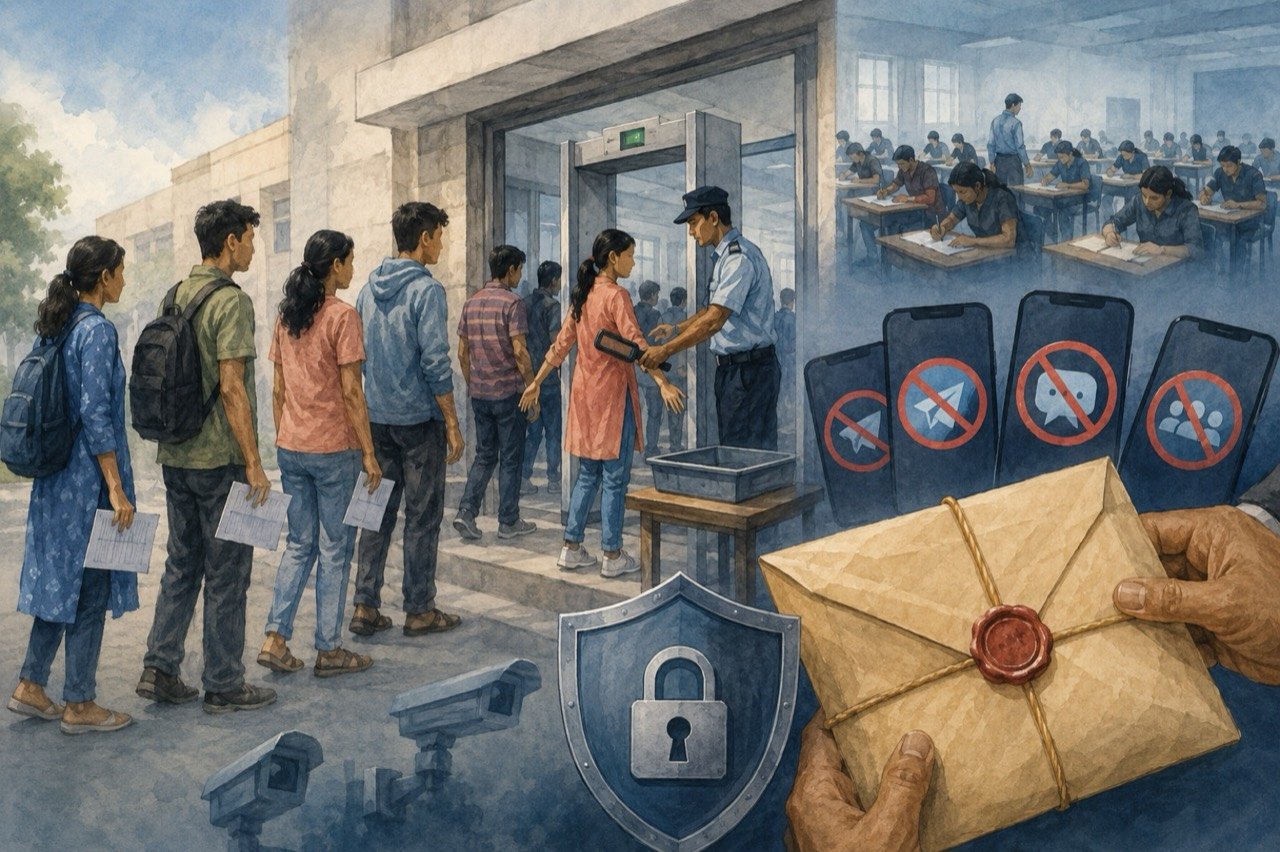
NEET UG Retest Puts Exam Security, Telegram Ban and Misinformation Under Scrutiny
More than two million students resat NEET UG 2026 under tight security after the May paper was scrapped, as the NTA probed a fake video and a temporary Telegram block drew debate.
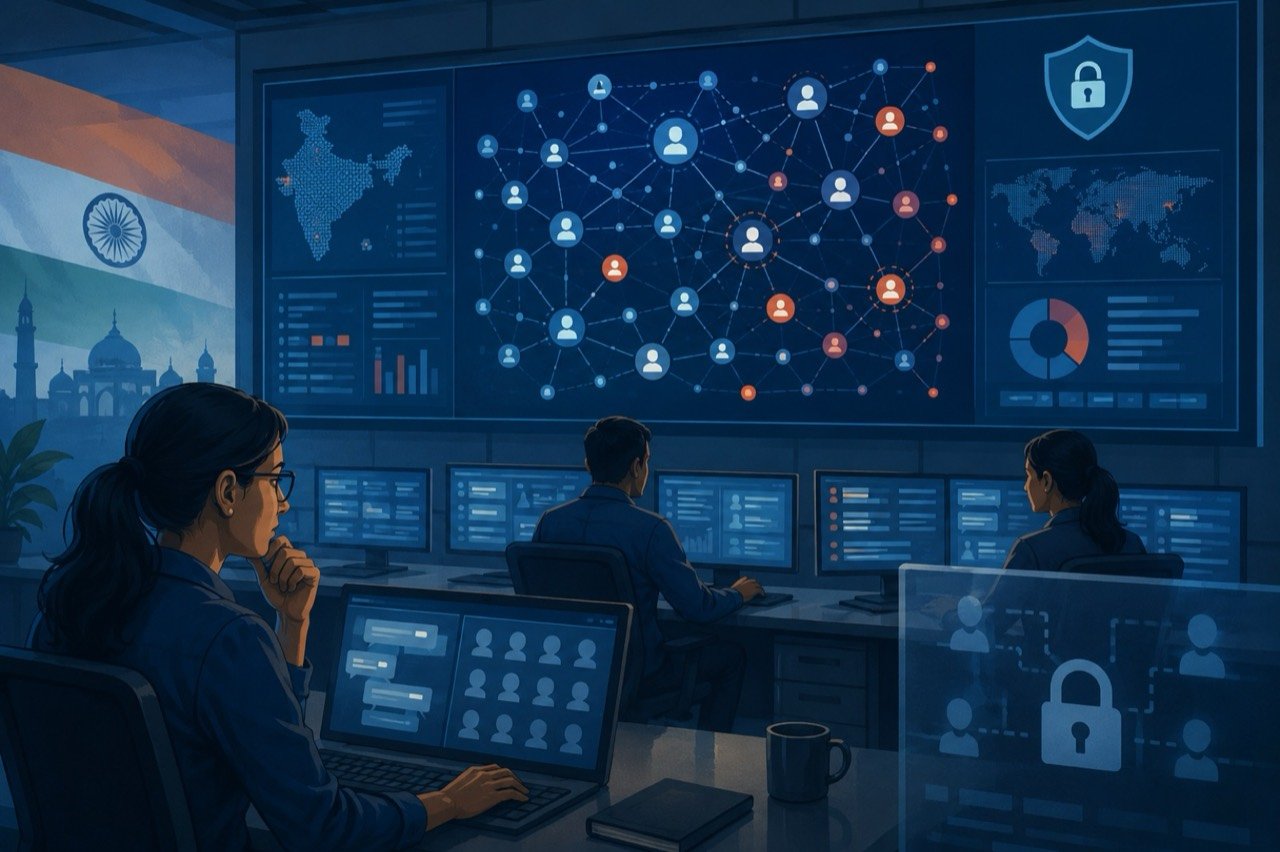
India Monitoring Telegram After Report Flags Illegal Content Risks
A government report cited by Reuters says authorities are proactively tracking Telegram groups over concerns about child abuse material and financial scams.
More from this section
More
ISRO Fires Semi-Cryogenic Engine Power Head at 175 Tonnes in Landmark Hot Test
ISRO successfully ran its indigenous semi-cryogenic engine power head at 175 tonnes of thrust, clearing a key hurdle toward powering the LVM3 upgrade and the Next Generation Launch Vehicle.

India Tech Funding Climbs to $7.2 Billion in H1 2026 Even as Deal Count Slumps
Indian tech startups raised $7.2 billion in the first half of 2026, up 12 per cent year-on-year, but the number of funding rounds fell sharply as capital concentrated in a handful of mega-deals.

OnePlus N6 Headlines a Crowded End-June Gadget Calendar in India
The OnePlus N6, with its 8,000mAh battery and sub-Rs 25,000 price tag, leads a busy late-June run of smartphone launches in India spanning OnePlus, Oppo and Samsung.