Sohail Khan's Childhood Abuse Disclosure Opens a Difficult Conversation About Silence and Support
Sohail Khan's account of childhood sexual harassment is an entertainment headline because of his public profile, but it requires a different editorial approach from ordinary celebrity news.
Commentary & Analysis ·

Key facts
- Sohail Khan said in a recent interview that he experienced sexual harassment as a child and did not speak about it for years.
- He connected the experience to the way he encourages his sons to communicate openly when something feels wrong.
- The account is a personal disclosure reported by entertainment media; details beyond his own statement should not be speculated upon.
A celebrity disclosure that should not become spectacle
Sohail Khan's account of childhood sexual harassment is an entertainment headline because of his public profile, but it requires a different editorial approach from ordinary celebrity news. He said he carried the trauma for years and remained silent at the time. That statement is important without needing sensational reconstruction. Survivors often disclose difficult experiences long after the event, and delayed disclosure does not make an account unusual. Coverage should focus on what Khan chose to say, the effect he described and the wider issue of creating safe channels for children. It should not guess the identity of an alleged perpetrator, demand details he did not offer or convert a painful memory into click-driven gossip.
Why children may remain silent
Children can struggle to name abuse because they may not understand what happened, fear punishment, feel shame or believe adults will not support them. An abuser may exploit authority, familiarity or confusion. Silence can also be reinforced when families avoid age-appropriate conversations about bodily autonomy. Khan's reflection that he did not speak for years illustrates why adults must not expect a child to provide a complete, immediate account in adult language. A child may communicate through behaviour, anxiety, withdrawal or indirect comments. The responsibility is not on children to protect themselves perfectly. It is on adults, institutions and communities to build environments where concerns are heard calmly and acted on safely.
The connection to parenting
Khan reportedly linked his experience to how he speaks with his sons, encouraging them to tell him when something is wrong. That is one of the most constructive elements of the disclosure. Open communication does not require frightening children with constant warnings. It involves teaching that their body belongs to them, that uncomfortable contact can be refused, and that they will not be blamed for reporting a concern. Parents can identify several trusted adults a child may approach if speaking at home feels difficult. They can also avoid forcing physical affection. The aim is to create confidence rather than fear. A child who knows that adults will listen without anger is more likely to seek help early.
Male survivors and the burden of stereotypes
Public discussion of child sexual abuse often overlooks boys and male survivors. Social expectations may tell boys to be tough, dismiss fear or interpret vulnerability as weakness. Those messages can deepen shame and delay disclosure. A male celebrity speaking about childhood abuse does not solve that problem, but it can disrupt the false belief that boys are rarely targeted or should simply forget what happened. News coverage should be careful not to frame his disclosure as surprising because he is a man. The relevant point is that abuse can affect children of every gender and background. Support systems need to recognise different ways survivors express distress and avoid imposing a single narrative of how trauma should look.
Trauma is not a linear story
Khan's phrase about carrying trauma for years reflects a reality that should be reported with care. People may function professionally and socially while still experiencing distress connected to past abuse. Memories and effects can change over time. Some survivors seek therapy; others rely on family, peer support or personal coping strategies. No public figure should be required to describe treatment or prove recovery. It is also unhelpful to imply that speaking publicly automatically produces closure. Disclosure may bring relief, renewed attention or both. The respectful response is to accept the boundaries set by the speaker and recognise that healing is individual rather than a neat sequence with a guaranteed endpoint.
What the entertainment industry can learn
Film and television workplaces regularly involve minors, large crews, travel, private rehearsals and uneven power relationships. Producers should treat child safeguarding as a professional system, not a matter of personal trust. Clear codes of conduct, trained welfare officers, background checks where lawful, controlled access to young performers and confidential reporting channels can reduce risk. Parents and guardians also need transparent schedules and the ability to raise concerns without threatening a child's career. Khan's disclosure concerns his own childhood, not necessarily an industry setting, but the conversation is relevant wherever children enter adult-dominated environments. Good intentions are not a substitute for documented safeguards and accountable procedures.
How media and audiences should respond
The most responsible response avoids interrogation and disbelief while also avoiding unverified additions. Reports should use phrases such as Khan said or Khan disclosed, because the public information comes from his account. Headlines should not include graphic detail. Comment sections require active moderation to remove victim-blaming, jokes and attempts to identify people without evidence. Audiences can acknowledge the courage involved without turning the disclosure into fandom competition. The subject is bigger than one celebrity. Useful coverage can direct attention toward child safety, supportive listening and professional help while respecting privacy. A survivor's story belongs first to the survivor, even when it appears on a highly visible entertainment platform.
The broader significance
The lasting value of this story will depend on whether it encourages better conversations rather than a brief cycle of shock. Parents can review how they discuss consent and trusted adults. Schools can examine reporting systems. Entertainment companies can strengthen child-protection rules. Journalists can adopt trauma-informed language. None of those steps requires speculation about Khan's private history. His central message is that silence can last for years and that children need permission to speak without fear. Treating that message seriously is more valuable than extracting another dramatic quote. The story is trending because a known actor spoke openly; it matters because many survivors are never given a safe opportunity to do the same.
Sources
- The Indian Express - Sohail Khan reveals childhood sexual harassment (16 July 2026)
- Bollywood Hungama - Interview coverage and disclosure context (16 July 2026)
This article is original news analysis and commentary by The NE Times, based on reporting from the sources listed above.
You may also like to read
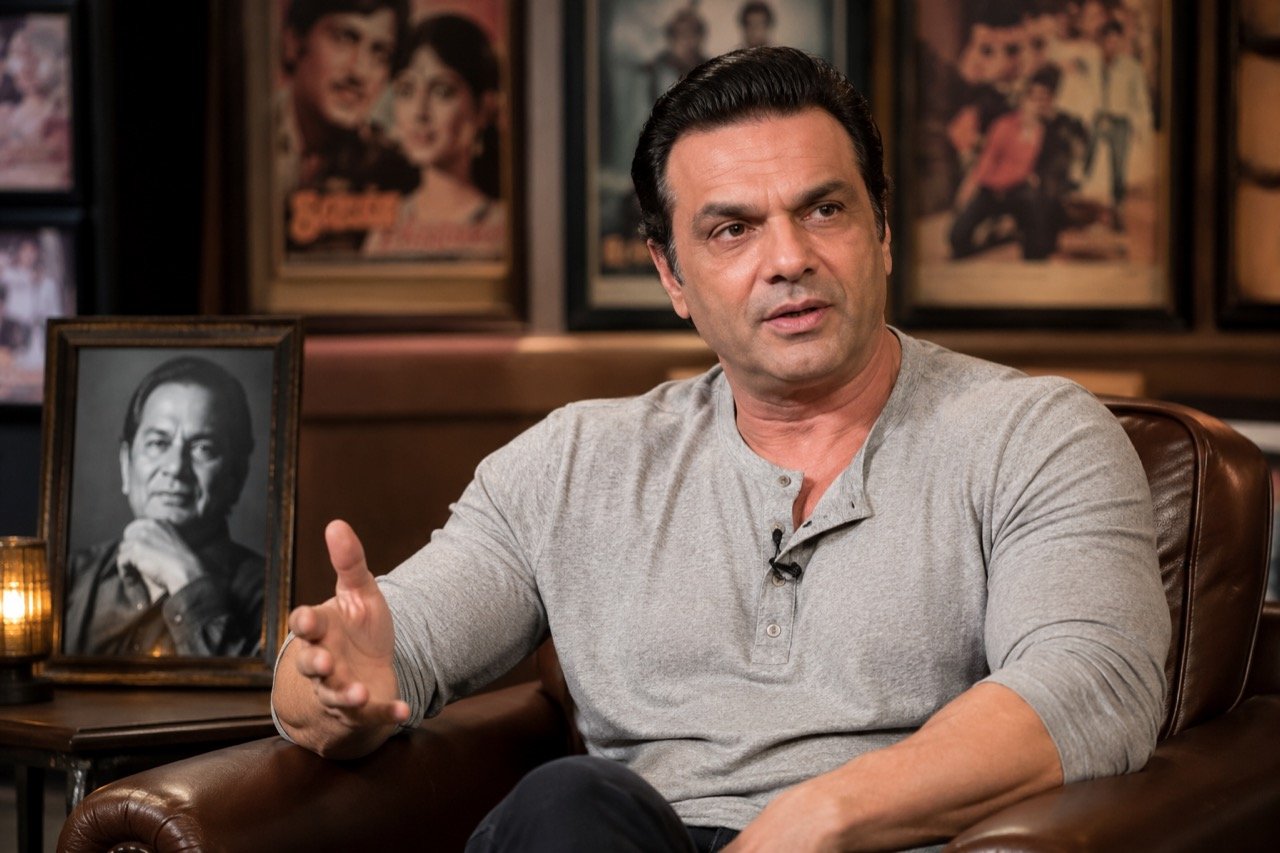
Sohail Khan Recalls Salim Khan Health Scare That Shook the Family
Sohail Khan's emotional account of doctors warning the family they could lose screenwriter Salim Khan during a semi-coma episode has become one of Bollywood's most reflective stories of the day.

Sanjay Dutt's Jungle Exit: Ahmed Khan Breaks His Silence
Director Ahmed Khan has explained why Sanjay Dutt left Welcome to the Jungle after beginning shoot, adding a fresh production-side twist to the Akshay Kumar-led ensemble comedy's already noisy news cycle.

Sonali Kulkarni's National Award Memory Opens a Candid Conversation
Sonali Kulkarni's honest admission about feeling jealous when Tabu won the National Award she wanted offers a rare, refreshing glimpse into the emotional reality of artistic ambition in Indian cinema.
Aamir Khan Rejects 'Love Jihad' Allegations, Says His Marriages Were Civil and Involved No Conversion
Aamir Khan rejects politically charged allegations about his marriage to Gauri Spratt, stressing that his relationships were civil marriages and involved no religious conversion.
More from this section
More
Jana Nayagan Reworked After CBFC Battle as Producer Confirms New Songs and a 'Chief Minister' Title Card for Vijay
The latest Jana Nayagan update is more than a routine promotional announcement. Producer K.

Toxic 'Tabaahi' Backlash Sparks Debate Over Gender Double Standards Around Kiara Advani and Yash
The argument around Tabaahi is no longer limited to whether viewers liked a song.

Vicky Kaushal's Katrina Kaif Birthday Post Goes Viral as the Couple Shares a Rare Family Moment
The image shared by Vicky Kaushal contained none of the usual ingredients of a film campaign: no teaser, release date, brand partnership or red-carpet styling. Its power came from scarcity.