Ranbir Kapoor Responds to Criticism Over Playing Lord Rama
Ranbir Kapoor has addressed criticism surrounding his casting as Lord Rama, placing performance, preparation and audience judgement at the centre of the debate.
Commentary & Analysis ·

Ranbir Kapoor Responds to Criticism Over Playing Lord Rama is one of the most searched entertainment developments in India at the current editorial cut-off of 5 August 2026. The core query, “Ranbir Kapoor Lord Rama casting,” reflects a reader need that is both immediate and practical: audiences want to know what has actually happened, which elements are officially confirmed, where reports remain provisional, and why the development matters beyond a single social-media cycle. Hindustan Times reported Kapoor’s response to criticism over the role. He leads Nitesh Tiwari’s two-part Ramayana adaptation. The purpose of this article is to place those facts in a clear timeline while resisting the exaggeration that often accompanies entertainment coverage.
- Hindustan Times reported Kapoor’s response to criticism over the role.
- He leads Nitesh Tiwari’s two-part Ramayana adaptation.
- Public debate has focused on screen image, personal history and the cultural responsibility of portraying a sacred figure.
The story sits within the wider bollywood market, where release calendars, celebrity statements, trade estimates and fan activity can move faster than formal announcements. Casting mythological characters in India carries a different level of scrutiny from ordinary fictional roles. Audiences often evaluate the actor’s public persona alongside costume, dialogue and performance. That context matters because a headline may be accurate at publication but incomplete a day later. A useful long-form report therefore explains the evidence standard, the business or creative implications and the next verifiable milestones rather than simply repeating a trending phrase.
What is confirmed
The verified foundation is straightforward. Hindustan Times reported Kapoor’s response to criticism over the role. He leads Nitesh Tiwari’s two-part Ramayana adaptation. Public debate has focused on screen image, personal history and the cultural responsibility of portraying a sacred figure. These points come from the source material listed at the end of the article. Where a number is a trade estimate, a casting name is only reported, or a personal statement has not been independently tested, this article labels it accordingly. That distinction protects the reader from confusing publicity, speculation and documented fact.
Timeline and context
The timing is central to understanding the search spike. Casting mythological characters in India carries a different level of scrutiny from ordinary fictional roles. Audiences often evaluate the actor’s public persona alongside costume, dialogue and performance. Entertainment stories often have several overlapping clocks: the date of an announcement, the release or broadcast date, the period during which a quote was given, and the later point when audiences or trade trackers react. Combining those stages without dates can make an old development look new or a provisional report look final.
Why audiences are searching
Search demand around Ranbir Kapoor Lord Rama casting is being driven by a mixture of fandom, practical viewing questions and uncertainty. High-intent searches pair Kapoor’s name with Rama, look, criticism and response. His words are quoted in context below, and the abusive commentary around them is not representative public opinion. The sections above set out those answers as far as they are currently known, with the confirmation status of each point stated.
Creative and industry significance
The development matters to the entertainment business for reasons larger than the personality or title involved. The key question is whether cinema should require performers to resemble an ideal off screen or whether the work should be judged on screen. The controversy also shows how casting debates can dominate years before viewers see a completed film. Inference should still be identified as inference. A release can suggest a platform strategy without proving subscriber growth; a successful opening can indicate demand without establishing lifetime profitability; and a public statement can reveal a person’s position without settling every contested claim.
Business, distribution and audience implications
From an industry perspective, Early controversy can increase awareness but may constrain marketing and create impossible expectations. Producers will need to reveal material gradually while demonstrating visual and cultural seriousness. These effects play out across producers, platforms, exhibitors, advertisers, talent representatives and fan communities. A strong article connects the public-facing headline with those operational consequences while avoiding unsupported budget, salary or revenue claims. It also recognises that the same event can have different meanings in theatrical, streaming, television and music markets.
Platform and format context
Hindi-film coverage also operates inside an intense publicity system. Trailer events, trade estimates, fan edits and interview excerpts can dominate discovery before the complete work is available. Reporting on Ranbir Kapoor Lord Rama casting is strongest when it distinguishes the film or statement itself from the promotional interpretation around it. Social-media volume does not equal broad public approval, and controversy does not automatically predict commercial performance.
Verification and fairness
Verification is especially important because entertainment headlines are frequently recycled. The article uses the status note “Verified reporting; analysis clearly labelled.” It does not treat absence of a response as proof, does not convert reported interest into a contract, and does not present a moving box-office estimate as an audited final total. Sensitive health and relationship material is limited to what the people concerned or reputable reports have made public. If a correction is ever needed, it belongs in the headline and opening, not only in a final paragraph.
What happens next
The next useful checkpoints are concrete. The trailer and first extended scenes will provide the first meaningful basis for performance assessment. Coverage should revisit claims after primary promotional material rather than recycling speculative reactions. The developments that could genuinely change this story are concrete: a platform listing, a producer statement, a medical update, a premiere, an official cast reveal, a final trade total or a public response. Anything short of one of those is rumour rather than news.
Conclusion
At this stage, the most reliable reading of Ranbir Kapoor Lord Rama casting is grounded in the confirmed facts above and the clearly labelled limits of the available evidence. The development is significant because it intersects with audience behaviour, creative choices and the changing economics of Indian entertainment. As the story develops, dates, primary announcements and corrections will matter more than speculation. That is what keeps a report like this useful after the trend moves on.
This article is original commentary and analysis by The NE Times. Background facts were referenced from Hindustan Times.
You may also like to read
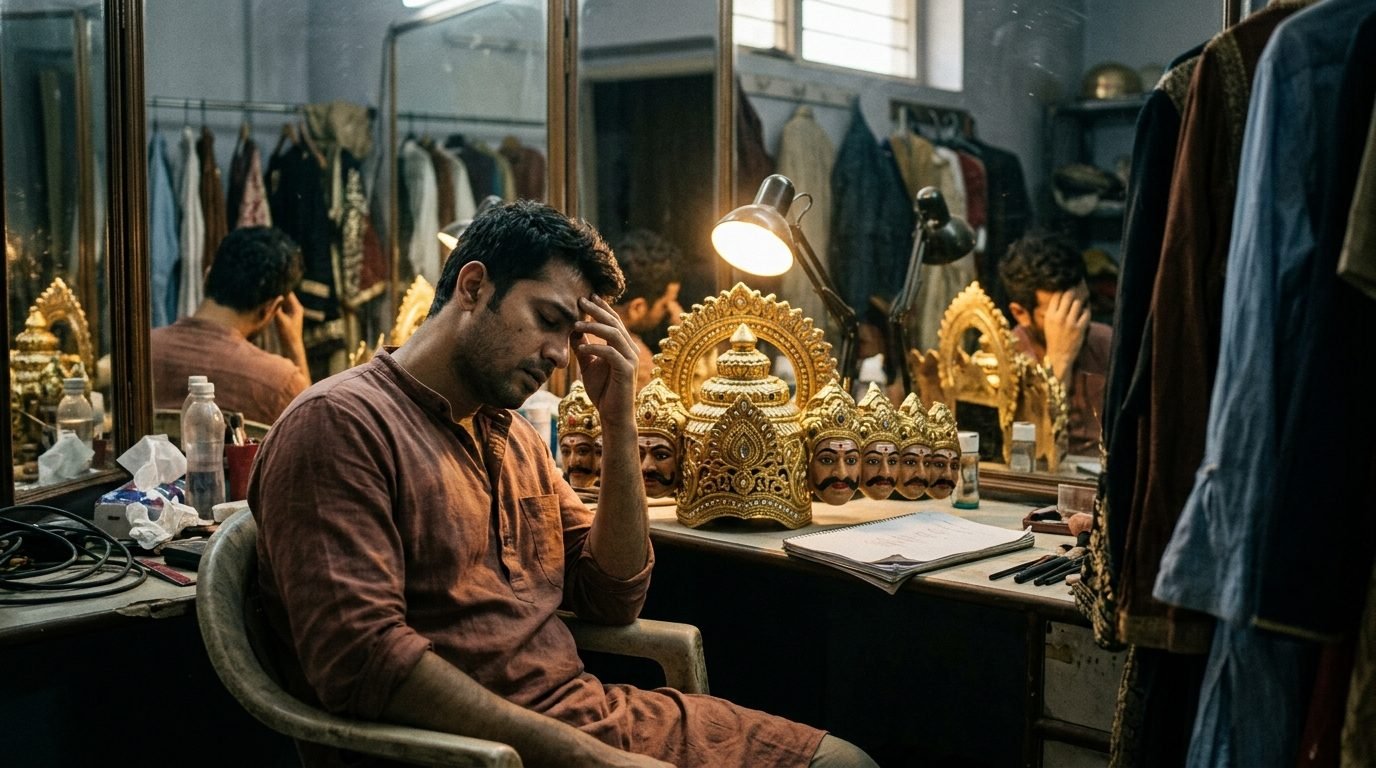
Yash Says Playing Ravana Brings Extra Pressure: The Ramayana Comparison Debate
Yash has acknowledged the extra pressure of playing Ravana, a role shaped by decades of screen interpretations and sharply different cultural readings.

Ranbir Kapoor Denies Dhoom 4 Rumours: What Is Confirmed and What Is Not
Ranbir Kapoor has denied reports linking him to Dhoom 4, offering a reminder that sequel casting speculation is not the same as a studio announcement.

Pooja Meri Jaan Teaser Revives the Delayed Huma Qureshi–Mrunal Thakur Courtroom Drama
After a long delay, Pooja Meri Jaan has resurfaced with a teaser positioning Huma Qureshi and Mrunal Thakur in an unsettling courtroom story.
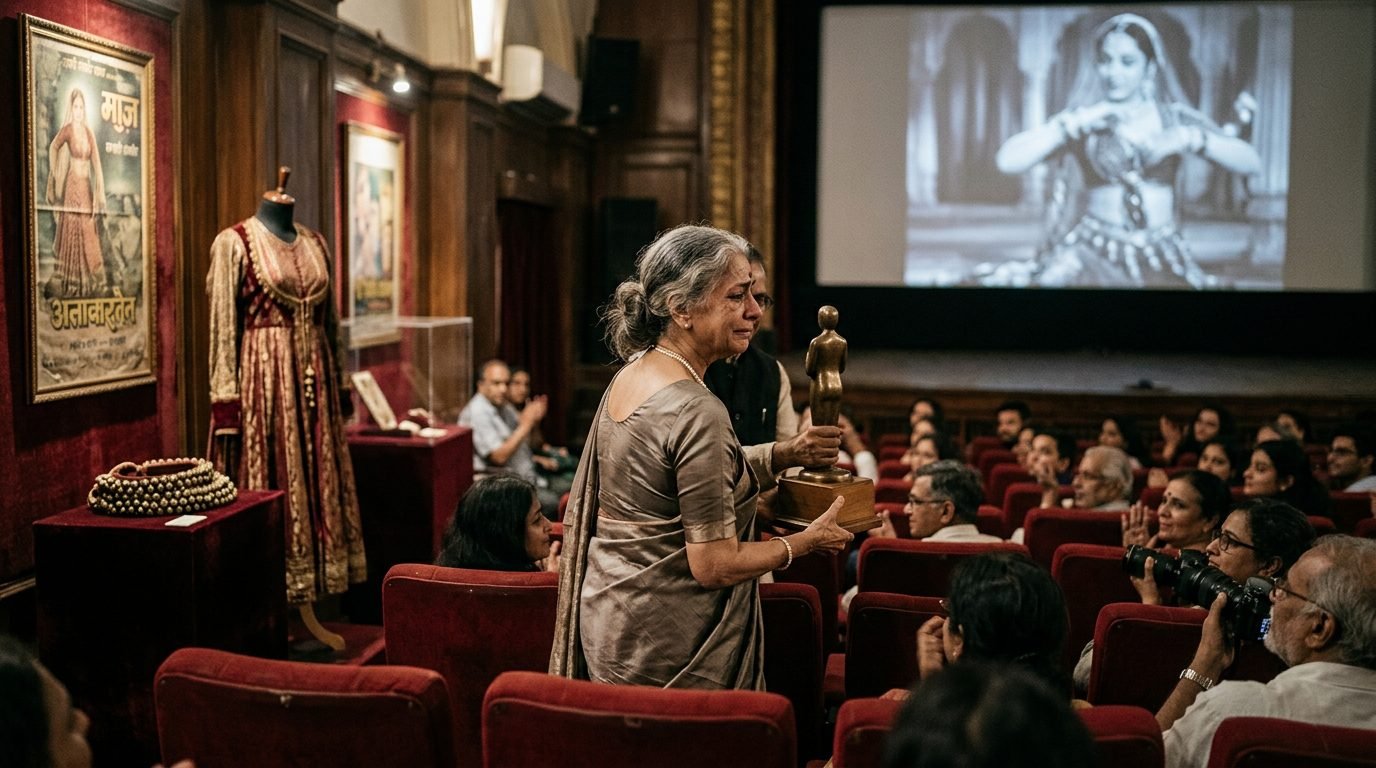
Rekha to Receive IFFM Excellence in Cinema Award as Umrao Jaan Returns to the Screen
Rekha will be guest of honour at IFFM 2026, receive an Excellence in Cinema award and attend a special screening of Umrao Jaan.
More from this section
More
Akanksha Choudhary’s Claim About Yogesh Rawat During the Family Task: Mental-Health Reporting and Reality-TV Boundaries
During a family-and-friends task, Akanksha Choudhary clashed with Suzanne and referred to Yogesh Rawat as having previously been suicidal

Kamya Punjabi Enters Alliance for Kushal Tandon and Clashes With Aly Goni
Kamya Punjabi entered Alliance as a guest supporting Kushal Tandon and openly criticised Aly Goni’s game

The Traitors Season 2 Full 21-Contestant Line-up and August 13 Premiere Guide
The Traitors Season 2 is scheduled to begin streaming on Prime Video on 13 August, with new episodes expected on Thursdays