Akanksha Choudhary’s Claim About Yogesh Rawat During the Family Task: Mental-Health Reporting and Reality-TV Boundaries
During a family-and-friends task, Akanksha Choudhary clashed with Suzanne and referred to Yogesh Rawat as having previously been suicidal
Commentary & Analysis ·
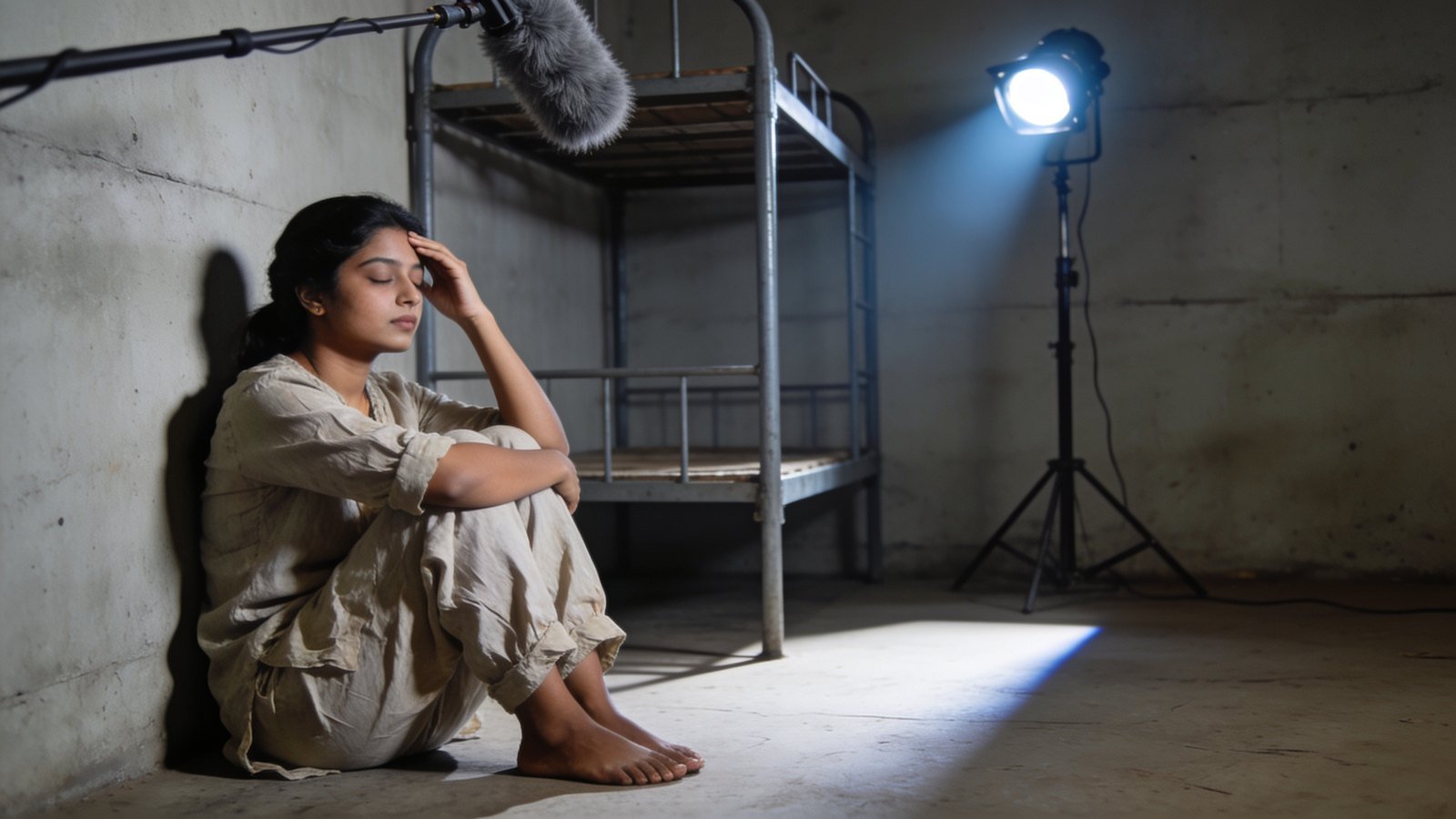
Key facts
- The task involved supporters attempting to push rival contestants into the risk zone.
- Akanksha and Suzanne became involved in a heated confrontation.
- Akanksha made a claim about Yogesh’s past mental state during the exchange.
- The published report did not establish the claim through medical records or a direct, contemporaneous statement from Yogesh.
- Status: an on-show allegation involving sensitive health information.
Overview
During a family-and-friends task, Akanksha Choudhary clashed with Suzanne and referred to Yogesh Rawat as having previously been suicidal. The statement was made during an argument and should not be treated as a clinical diagnosis or independently verified medical history. This is a an on-show allegation involving sensitive health information development and should be published with that status visible in the headline, introduction and key-facts box. The purpose of this article is to give a complete update without copying a viral clip, overstating a claim or repeating information already contained in the original 100-article library. It explains what changed, why the story is attracting attention, how it fits the wider programme or platform cycle, and what evidence would be needed for the next update.
What is confirmed and what is reported
The most reliable points available at the editorial cut-off are as follows. The task involved supporters attempting to push rival contestants into the risk zone. Akanksha and Suzanne became involved in a heated confrontation. Akanksha made a claim about Yogesh’s past mental state during the exchange. The published report did not establish the claim through medical records or a direct, contemporaneous statement from Yogesh. These facts are sufficient to establish the news value of the update, but they do not justify assumptions beyond the cited material. Where the source is a platform newsroom or official title page, the date and basic credits can be treated as confirmed. Where the source is an entertainment report, interview or episode recap, the statements should remain attributed to the speaker or publication. This distinction protects accuracy and makes the article easier to update if a platform changes a date, a contestant disputes a claim or a fuller episode supplies additional context.
Timeline and context
The update belongs to the period immediately after the earlier library’s 29 July cut-off. The family-task format changed the information environment by bringing outsiders into a competitive setting. People close to contestants may possess personal knowledge, but a conflict-driven reveal can remove context and turn private vulnerability into game material. That timing matters because entertainment reporting moves through several stages: an initial promo or clip, a same-day reaction, a longer interview, an episode release and finally an official result or platform listing. Different reports may therefore describe the same subject with different levels of certainty. A clean timeline should use absolute dates, identify whether an event happened during filming or publication, and avoid presenting an older rumour as a new confirmation. For a living master document, the date of verification is part of the story rather than a minor production detail.
Why audiences are searching
Search interest in “Yogesh Rawat mental health claim” is likely to contain several intentions at once. Some readers want a quick answer about date, platform, contestant or episode. Others want the full background, the exact status of a rumour, a cast list, a response from another person, or a spoiler-free explanation. Related phrases such as Akanksha Choudhary Suzanne fight, Lock Upp family task, Yogesh Rawat suicidal claim, Lock Upp 2 risk zone, reality TV mental health should appear naturally in subheadings and context paragraphs rather than being repeated mechanically. The article can rank for both breaking and evergreen searches by opening with the current answer, then adding a verified timeline, a clear uncertainty note and a short section on what to watch next. Misleading certainty may generate a click, but it damages the page when the programme or platform later publishes a different outcome.
People, power and editing
This development occurred inside or around a competitive reality format, where private experience is converted into public narrative. The family-task format changed the information environment by bringing outsiders into a competitive setting. People close to contestants may possess personal knowledge, but a conflict-driven reveal can remove context and turn private vulnerability into game material. Contestants, relatives, guests and hosts do not participate from equal positions: some have access to outside information, some are reacting to edited clips, and some are speaking under game pressure. A responsible article should identify those differences. It should also distinguish an emotional statement, a strategic accusation and a verified event, because the programme may place all three in the same dramatic sequence. That distinction is essential when the subject involves relationships, health, reputation or allegations that can follow a participant long after an episode ends.
What the development means for the show
The incident raises questions about consent, privacy and duty of care. Platforms benefit from emotional intensity, but they also carry responsibility for how mental-health claims are edited, promoted and repeated by outside media. In reality television, a single exchange can alter nominations, fan campaigns and the public identity assigned to a contestant. The programme may revisit the scene in promos, host commentary or recap packages, giving it a longer life than the original conversation. At the same time, social-media audiences can detach a clip from its episode context and turn it into a binary loyalty test. The strongest coverage explains the competitive consequences without treating popularity as proof of truth. It also leaves room for later clarification, because participants may not see the outside discussion until after filming or eviction.
OTT and business implications
The commercial significance of the update lies in attention, retention and cross-platform conversation. OTT services use reality episodes, star interviews, release calendars and weekend premieres to create repeated reasons for users to return. Entertainment outlets extend that cycle through explainers, reactions, cast profiles and viewing guides. A strong article can participate in the search wave without becoming promotional copy: it should state the platform, release pattern and audience relevance while remaining independent about quality and performance. No claim about ratings, subscriber growth, record viewership or commercial success should be made without a named measurement source, a platform statement clearly labelled as such, or comparable chart data.
Verification and fairness
The main editorial safeguard for this story is: Use careful language such as “Akanksha claimed” and avoid diagnostic labels. Do not speculate about self-harm risk. A responsible article can discuss the ethics of disclosure without amplifying graphic or instructional detail. Headline wording should reflect whether the information is confirmed, reported, alleged, expected or available to stream. Direct quotations should be kept brief and attributed. Private relationships, sexuality, health, alleged abuse, criminal cases and mental-health disclosures require additional restraint because repetition can cause harm even when the original statement aired publicly. For viewing guides, catalogue availability should be checked in India, not assumed from a global announcement. For real-event dramas and true crime, the article should distinguish a platform synopsis from the historical or legal record.
What happens next
The next meaningful signals are straightforward. Look for a clarification from Yogesh, a response from the programme, or evidence that welfare professionals reviewed the incident. If no clarification appears, the claim should remain explicitly unverified. Editors should update the existing page when those signals appear instead of publishing a nearly identical article with a new speculative headline. A timestamped update note can preserve search value and reader trust. If a claim is denied, a release date moves, a contestant withdraws or a platform title page changes, the correction should be visible. If no further evidence appears, the current level of uncertainty should remain rather than being gradually erased through repetition.
Conclusion
Akanksha Choudhary’s Claim About Yogesh Rawat During the Family Task: Mental-Health Reporting and Reality-TV Boundaries is a distinct addition to the master OTT library because it advances the record beyond the 29 July edition. The article’s value comes from combining the immediate answer with context, search guidance and verification. Readers should leave knowing what is supported, what remains attributed or uncertain, and why the development matters inside the wider lock upp update cycle. That approach is more durable than a short recap and safer than an exaggerated headline. It also gives publishers a reusable structure for future updates: verify the new fact, preserve the date, explain the consequences, link to earlier coverage and identify the next source that could change the story.
Sources
- Times of India: Akanksha Choudhary makes claim about Yogesh Rawat during family task
- Body word count: 1336 words
This article is original news analysis and commentary by The NE Times, based on reporting from the sources listed above.
You may also like to read

Ram Kapoor’s Physical-Affection Controversy: Consent and Boundaries on Reality TV
Ram Kapoor’s physical interactions with female inmates became a consent-and-boundaries debate after Apoorva Makhija publicly reacted to the behaviour
Akanksha Chamola’s Bisexuality Disclosure and the Career Debate Around It
Akanksha Chamola’s reported disclosure about her sexuality led to discussion about representation, stigma and the professional risks public

Yogesh Rawat’s Shoplifting Confession and Farah Khan’s Reaction
Yogesh Rawat’s reported shoplifting confession drew attention both for the disclosure itself and for Farah Khan’s response during the judgement

‘Rise and Fall’: Ashneer Grover’s Hierarchy Game Is Reality TV as Class Warfare
Most reality shows pretend everyone starts equal.
More from this section
More
Superstar Singer and the Delicate Business of Putting Children on Reality TV
There is no reality format that requires more care than one built around children — and few that generate more genuine emotion when they get it right.
Gautami Kapoor Apologises Over Ram Kapoor’s Hugs and Kisses: The Lock Upp Consent Debate Reopens
Gautami Kapoor entered Lock Upp during the family segment and apologised on behalf of Ram Kapoor to women who may have felt uncomfortable with his hugging and forehead-kissing

Dheeraj Dhoopar and Ram Kapoor’s Task Fight: Aggression Under Pressure
A reported clash between Dheeraj Dhoopar and Ram Kapoor during a task raised questions about competitive aggression, rule enforcement and the