DFP 2026 Unveiled: Rajnath Singh Moves to Fast-Track Defence R&D
Defence Minister Rajnath Singh has released the Defence Framework Procedure 2026, a revised procurement framework meant to push research and development outputs into the armed forces faster and deepen ties with industry and academia.
The NE Times National Desk
Commentary & Analysis ·
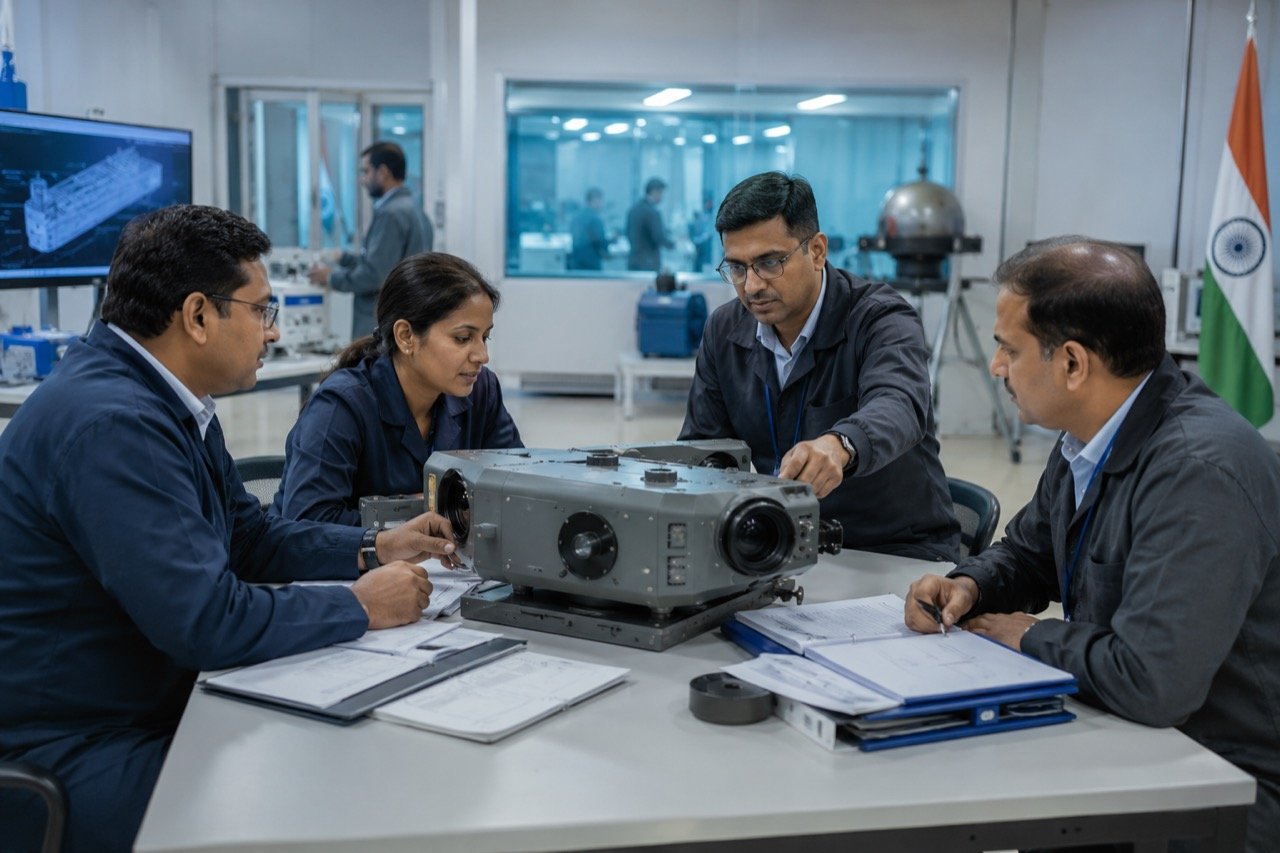
Defence Minister Rajnath Singh has released the Defence Framework Procedure 2026, a revised framework designed to accelerate the journey of research and development outputs into India's armed forces. The Defence Ministry has pitched DFP 2026 as a tool to improve efficiency, empower decision-making and strengthen collaboration with industry and academia.
The significance of the new procedure lies in the gap it targets. India runs a large defence research ecosystem, yet promising technologies routinely stall on the road from laboratory to field. Procurement rules, long approval chains and patchy coordination between researchers, industry partners and the services often decide whether a system reaches soldiers in time — or at all.
Part of the self-reliance push
DFP 2026 is positioned squarely within the Aatmanirbhar Bharat agenda. The framework is not merely about buying equipment faster; it is about building domestic technological capacity. Done well, quicker R&D procurement lets Indian companies and academic institutions engage with defence users earlier and with more predictability, rather than waiting years for requirements to crystallise.
Execution is the hard part
A framework can create authority and process clarity, but outcomes hinge on budgets, timelines, accountability and how sharply the services define their needs. Defence innovation also carries inherent risk: not every prototype becomes a deployable system. A sound procurement regime has to leave room for experimentation without diluting oversight of public money.
The NE Times View
India has no shortage of procurement reforms on paper — what it lacks is proof that they change timelines on the ground. DFP 2026 will earn its keep only if a start-up or DRDO lab can point, two years from now, to a system that reached a forward unit measurably faster because of it. The government should commit to publishing induction timelines under the new procedure so progress can be audited, not asserted. For a country facing two difficult borders, the distance between a successful trial and a fielded capability is a strategic variable, and shrinking it matters more than any launch event.
This article is original commentary and analysis by The NE Times. Background facts were referenced from Indian Express.
You may also like to read

DAC Clears Rs 52,000 Crore Push for India's Defence Modernisation
The Defence Acquisition Council has approved procurement proposals worth over Rs 52,000 crore, signalling sustained investment in aircraft, radar and capability upgrades across India's armed forces.

Defence Ministry overhauls spending rules, doubles financial powers of military commanders
The new Delegation of Financial Powers to Defence Services framework, in force from 8 June, lets field commanders clear urgent purchases worth more than Rs 1.25 lakh crore through the revenue route.

BrahMos Talks With Indonesia Sharpen India's Defence Export Push
A possible BrahMos missile agreement with Jakarta, in focus ahead of Prime Minister Modi's Indonesia engagement, underlines India's ambition to become a serious defence exporter across Southeast Asia.

India-Japan Summit Widens Ties Across AI, Defence and Chips
At their annual summit in New Delhi, Prime Ministers Modi and Takaichi unveiled a roadmap deepening cooperation on maritime security, artificial intelligence, semiconductors, shipbuilding and critical technologies.
More from this section
More
Ahmedabad Bullet Train Station Gets Kite-Inspired Multimodal Hub Plan
Ahmedabad's bullet train station is set to be developed as a multimodal transport hub with a kite-inspired design, giving India's high-speed rail project a distinctive urban landmark rooted in local identity.
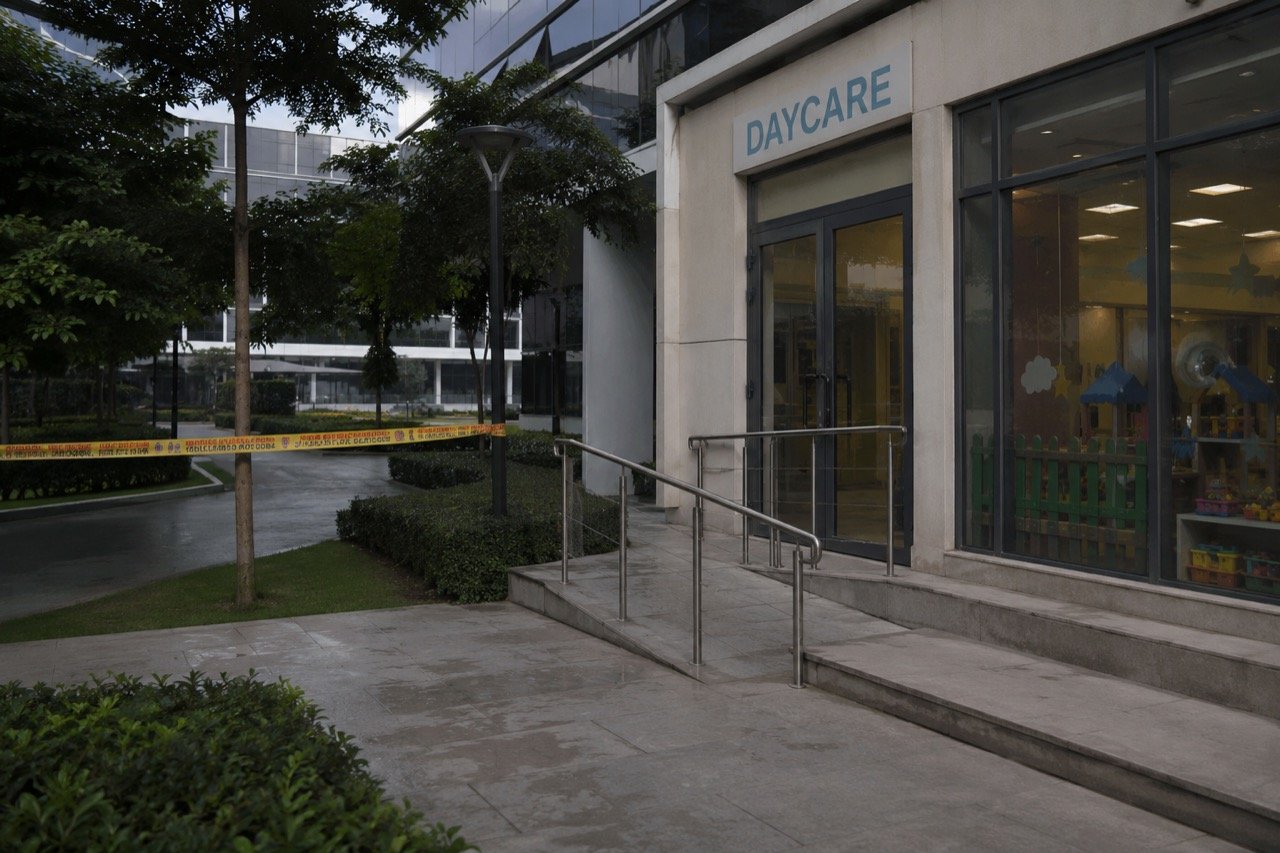
Arrest in Bengaluru Daycare Case Deepens Child Safety Questions
Bengaluru police have arrested a woman connected to the daycare case at a Capgemini campus facility, sharpening scrutiny of caregiver vetting, oversight and accountability at workplace-linked childcare centres.

Assam Case Shows PAN and Voter Cards Are Not Citizenship Proof
A man declared a foreigner in Assam despite holding multiple identity documents has highlighted a crucial legal distinction: everyday IDs establish identity, not citizenship, when a person's legal status is challenged.