A.R. Rahman and Imtiaz Ali Reunite for 'Main Vaapas Aaunga', a Soundtrack Steeped in Punjab's Musical Heritage
The full eight-track album for the Partition-era romance, released in mid-June, marks another collaboration between the composer, director and lyricist Irshad Kamil, with Imtiaz Ali calling it a celebration of Punjab's folk and Western influences.
Commentary & Analysis ·

Some creative partnerships develop a shorthand that audiences come to anticipate. The pairing of composer A.R. Rahman, director Imtiaz Ali and lyricist Irshad Kamil is one of them, and their latest collaboration has just been unveiled in full. The complete soundtrack to 'Main Vaapas Aaunga', a Partition-era romantic drama, arrived in mid-June following the film's theatrical release.
For Indian music listeners, a new Rahman soundtrack tied to an Imtiaz Ali film is an event in itself. The two have a history of producing albums that outlive the films they accompany, and early reactions suggest 'Main Vaapas Aaunga' is being received in that tradition, with the soundtrack praised as a thoughtful, cohesive body of work.
A Period Romance Set in 1947
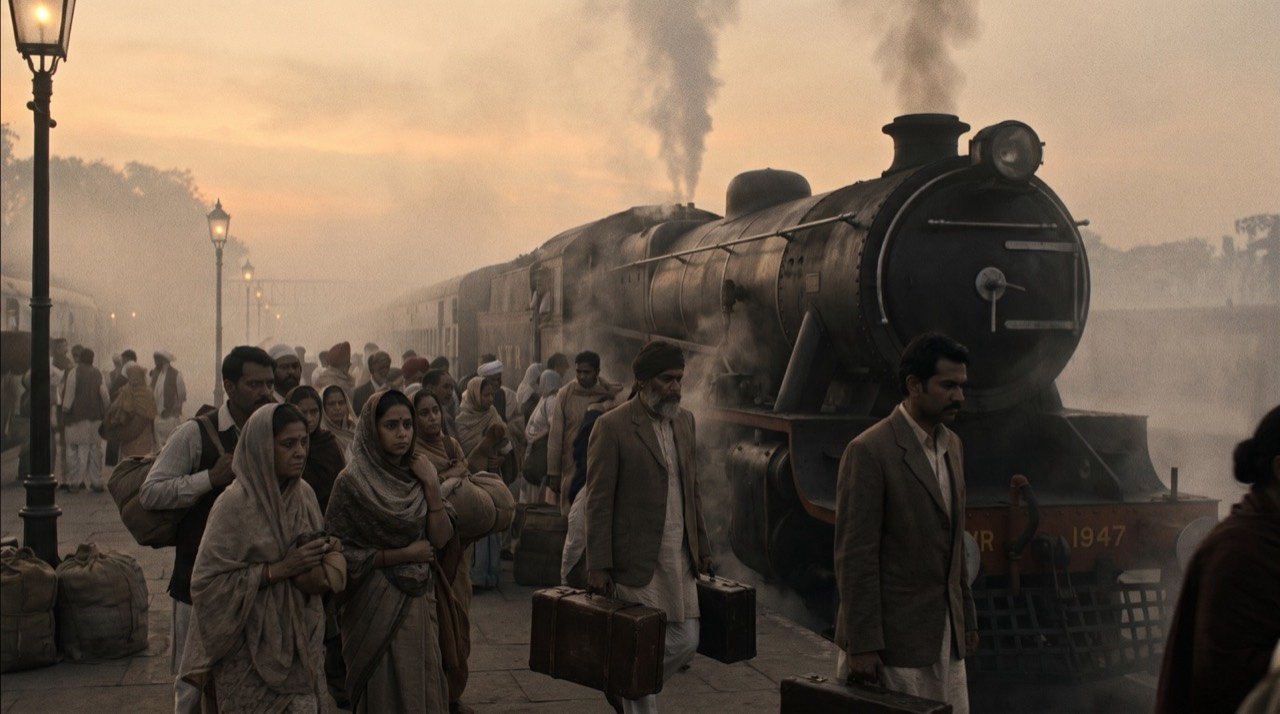
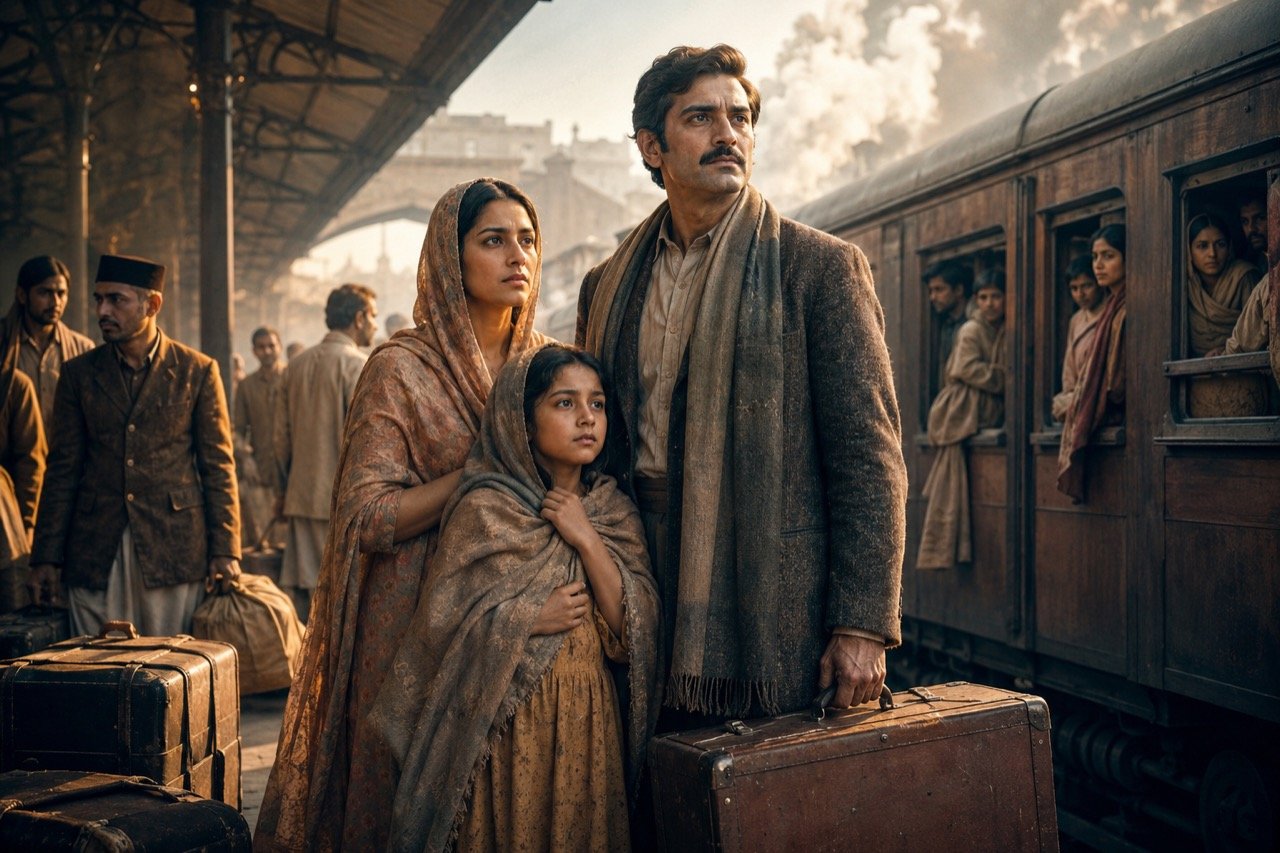
'Main Vaapas Aaunga' is a Hindi-language period romantic drama directed by Imtiaz Ali, set against the backdrop of 1947 and the Partition. The cast brings together Diljit Dosanjh, Naseeruddin Shah, Vedang Raina and Sharvari, a lineup that spans established gravitas and rising star power. The era setting shapes the music as much as the narrative, anchoring the songs in a specific time and place.
Period films present a particular challenge for composers, who must evoke an era without slipping into pastiche. Rahman's approach, by his own account, has been to listen for what the story leaves unsaid and give it sound, an instinct well suited to a romance set amid historical upheaval.
Rooted in Punjab's Sound
Imtiaz Ali has described the album as a celebration of Punjab's musical heritage, noting that the Punjab of 1947 carried both folk traditions and Western influences. That duality runs through the record, which moves between rootsy textures and more contemporary arrangements. Tracks such as 'Ishq Mastana' and 'Maskara' draw on that blend, reflecting a region whose music has always absorbed outside currents.
The framing matters because it positions the soundtrack as more than film accompaniment. By presenting it as a tribute to a regional musical identity, the makers invite listeners to engage with the songs on their own terms, separate from the screen.
The Tracklist
The full album runs to eight songs across roughly half an hour, with lyrics by Irshad Kamil. Several tracks were released in stages ahead of the complete unveiling, building anticipation over a couple of months.
- 'Kya Kamaal Hai', the first single, released in mid-April
- 'Maskara', the second single, which arrived in early May
- 'Dheere Dheere', 'Tere Paas Main' and 'Dariya', among the songs expanding the album's range
- 'Ishq Mastana', cited as an example of the record's folk-meets-Western character
Rahman on the Role of Music
Rahman articulated his approach to the project in characteristically reflective terms. 'There are certain stories where music becomes the language of the unspoken,' he said. 'It expresses what cannot be explained and reveals what cannot always be shown.' He described the songs and score as an attempt to listen to the silence within the story and give it a voice, a statement that captures the contemplative register much of the album occupies.
That philosophy aligns with the kind of soundtrack work that has defined the most enduring Rahman-Imtiaz Ali collaborations, where the music carries emotional weight the dialogue cannot reach.
A Soundtrack Built to Last
Early critical response has been warm, with the collaboration between Ali, Rahman and Kamil singled out as a high point and the album described in glowing terms. Whether the songs achieve the long afterlife of the trio's best-known work will depend on how listeners return to them once the film's release dust settles.
For now, 'Main Vaapas Aaunga' adds another chapter to one of Indian cinema's most reliable musical partnerships, and gives audiences a richly textured album rooted in a pivotal moment of the subcontinent's history.
The NE Times View
Rahman and Imtiaz Ali turning to Punjab's folk roots for a Partition-era romance is a heartening corrective to film music's drift toward interchangeable pop. Grounding a soundtrack in regional heritage honours a tradition too often flattened. With Irshad Kamil completing the trio, this is the kind of culturally rooted scoring Indian cinema should champion far more often.
This article is original commentary and analysis by The NE Times. Background facts were referenced from Bollywood Hungama and Times of India.
You may also like to read
Imtiaz Ali's Partition Drama 'Main Vaapas Aaunga' Builds On A Soft Start
Diljit Dosanjh's emotionally charged Partition-era film opened flat but gained ground over its first weekend on positive word of mouth.

Main Vaapas Aaunga Box Office: Diljit Film Crosses Rs 40 Crore
Diljit Dosanjh's Main Vaapas Aaunga has reportedly crossed Rs 40 crore worldwide after a weekend jump, keeping the Hindi release alive in trade conversation well beyond its opening frame.
Main Vaapas Aaunga Rides Word Of Mouth Past Rs 70 Crore Worldwide
Diljit Dosanjh's Partition-era drama has crossed Rs 70 crore worldwide in its third week, turning a modest opener into one of 2026's most talked-about word-of-mouth successes in Hindi cinema.

Mahesh Bhatt's Praise Fuels Main Vaapas Aaunga's Quiet Rise
Mahesh Bhatt's appreciation for Imtiaz Ali's Diljit Dosanjh-led drama has added a cultural stamp to a film whose word-of-mouth box-office turnaround is fast becoming part of its identity.
More from this section
More
72nd National Film Awards: Fans Back Mammootty, Allu Arjun, Sai Pallavi
Speculation around the 72nd National Film Awards is intensifying as fan communities across India's language film industries champion favourites including Mammootty, Allu Arjun and Sai Pallavi ahead of any official announcement.

Aamir Khan Marries Gauri Spratt in Private Pali Hill Ceremony
Aamir Khan and Gauri Spratt tied the knot at the actor's Pali Hill home in Mumbai on July 5, turning a deliberately small family ceremony into Bollywood's biggest story of the day.

Akanksha Chamola's Lock Upp 2 Confession Sets Reality TV Abuzz
A personal revelation by Akanksha Chamola ahead of Lock Upp 2 has handed the reality show a viral talking point, underlining how confession-driven formats continue to dominate Indian television conversation.