OPEC+ Agrees Bigger August Output Hike: What It Means for Oil Prices
OPEC Plus members have signed off on a larger production increase for August, a supply-side shift that puts crude benchmarks, India's import bill and fuel-linked costs firmly back in the market spotlight.
The NE Times Business Desk
Commentary & Analysis ·
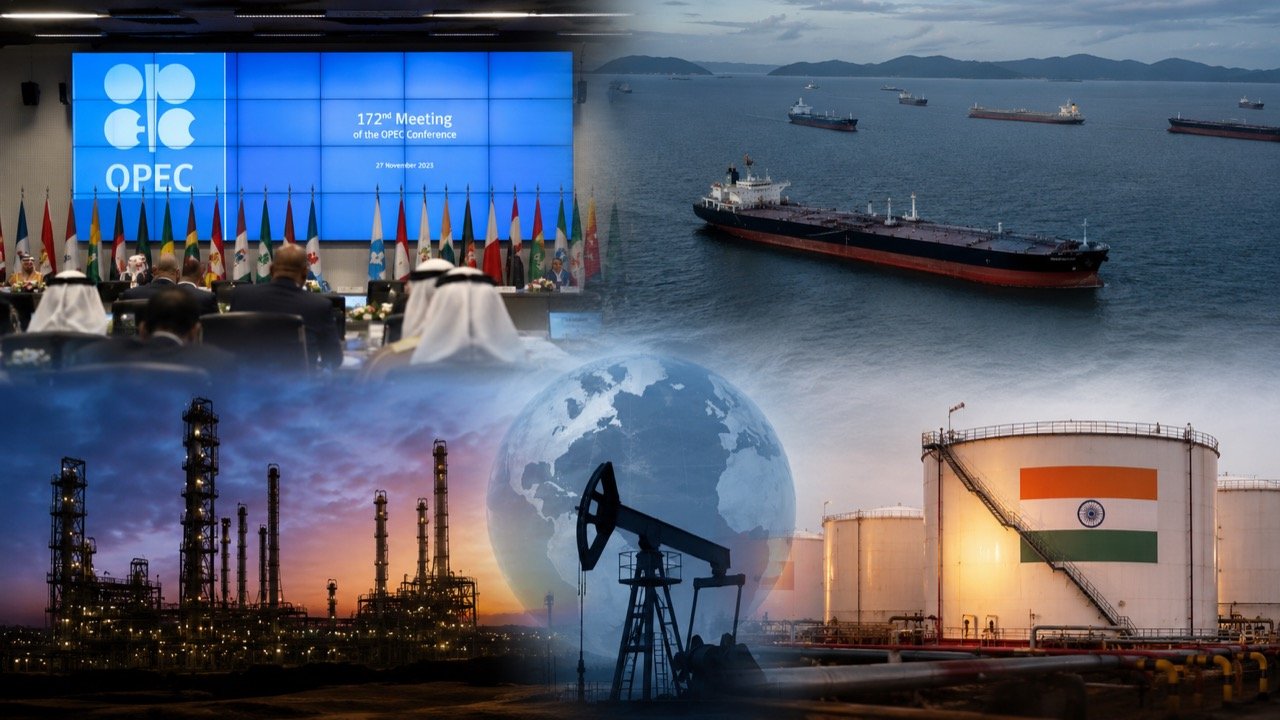
OPEC Plus has agreed to raise output by a larger margin in August, handing global energy markets a fresh supply-side signal at a delicate moment. The decision, reported by Business Standard alongside improving shipping conditions, is being read closely by crude importers — and few countries watch these meetings more anxiously than India.
Why India watches every barrel
India imports the overwhelming bulk of the crude it consumes, so the direction of oil prices feeds almost directly into the country's import bill, inflation expectations and the cost base of fuel-dependent industries. Softer or more stable crude eases pressure on refiners, airlines, transport operators and household budgets alike; a volatile market complicates planning for all of them.
The August increase adds supply at a time when shipping conditions are also improving, which in theory supports smoother flows and steadier landed costs for Indian buyers. For a government managing fuel taxation and subsidy trade-offs, calmer benchmarks would be a welcome backdrop.
More supply does not guarantee cheaper oil
The sober reading is that an output hike is a signal, not a settlement. Demand trends, geopolitics, shipping routes and inventory levels will continue to shape where benchmarks actually settle. Markets have seen production increases absorbed quickly before, leaving prices little changed — the announcement matters, but so does everything that follows it.
The NE Times View
For India, the OPEC Plus decision is quietly consequential even if pump prices never move a rupee. Every dollar shaved off a barrel of crude strengthens the current account, gives the RBI breathing room on inflation and lowers costs across transport-heavy supply chains. But policymakers should treat this as a window, not a windfall: supply decisions can reverse as quickly as they arrive, and India's real insurance remains diversified sourcing, strategic reserves and a steady push on domestic and renewable energy. Consumers, meanwhile, should not expect immediate relief — the transmission from cartel communiqué to fuel pump is long and rarely generous.
This article is original commentary and analysis by The NE Times. Background facts were referenced from Business Standard.
You may also like to read
Iran's Crude Outreach Puts Indian Refiners Back in Market Focus
Tehran's renewed pitch to oil buyers has pulled Indian refiners into fresh talks, but sanctions, payment channels, insurance and freight still stand between exploratory contact and confirmed cargoes.

FMCG Demand Outlook Brightens on Rural Recovery and Stable Prices
Consumer goods companies are turning more upbeat as rural demand recovers, input costs hold steady and everyday purchases pick up, offering a telling read on the health of Indian household spending.

World Bank Approves $1.5 Billion to Back India's Reforms and Jobs
The World Bank's $1.5 billion development policy loan aims to support structural reforms, private-sector growth and job creation as millions of young Indians enter the labour market each year.
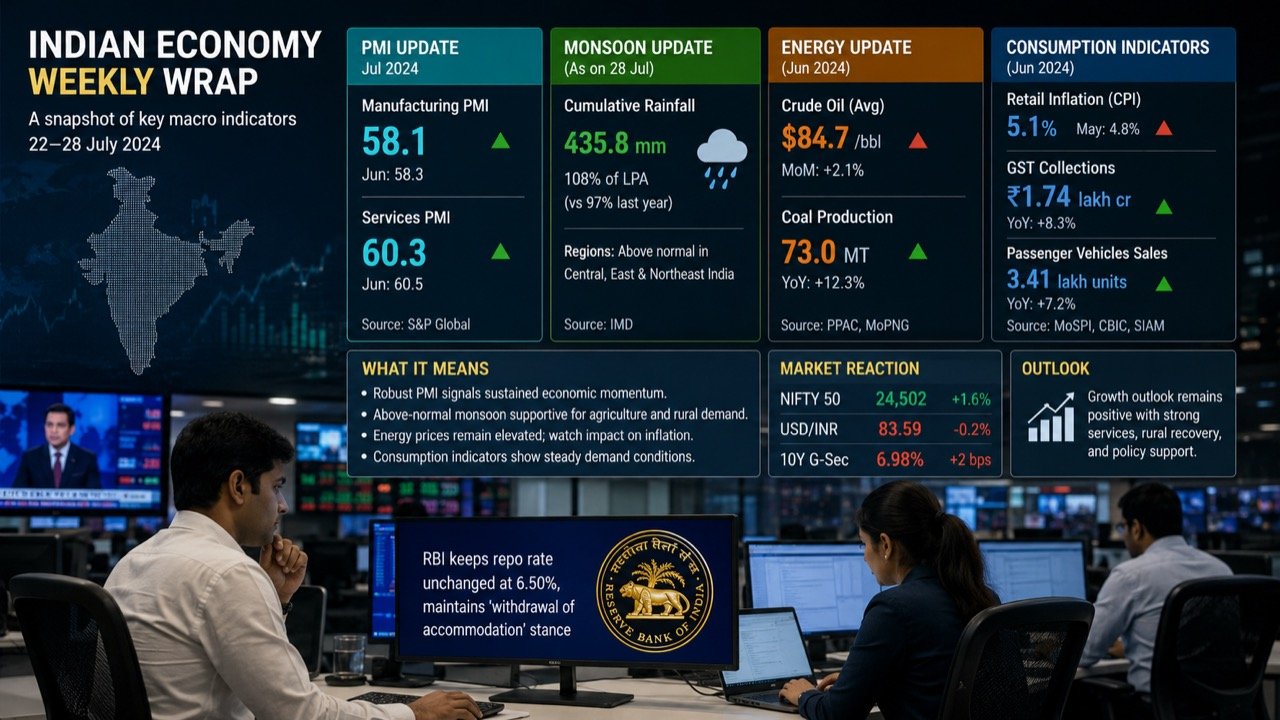
India Economy This Week: Energy Relief, PMI and Monsoon Demand
India's near-term growth picture is being read through a dashboard of indicators this week, with energy costs, PMI activity readings and monsoon-linked rural demand each pulling the conversation in different directions.
More from this section
More
Adani Case: US DOJ Pushes for Permanent Dismissal of Charges
The US Department of Justice has urged a judge to permanently dismiss charges against Gautam Adani, calling the case legally flawed — a reversal with consequences for markets, diplomacy and cross-border enforcement.

Akasa Air Inducts 40th Aircraft in Indian Aviation Scale-Up
Akasa Air's 40th aircraft, ferried to Bengaluru via Seattle, Reykjavik and Cairo, marks a fleet milestone for the young carrier and a fresh signal that India's aviation market remains firmly in expansion mode.

BARC Ratings Suspension Leaves Indian TV Industry Flying Blind
BARC's pause on television ratings has put India's broadcast measurement system under fresh scrutiny, leaving broadcasters, advertisers and media planners without the weekly audience data that anchors the TV economy.