NSE-Bharat Metal Exchange Pact Aims to Deepen India's Metal Derivatives Market
The NSE has signed an MoU with Bharat Metal Exchange to develop non-ferrous metal derivatives, pairing exchange infrastructure with physical-market links to widen price-risk hedging in copper and aluminium.
Commentary & Analysis ·
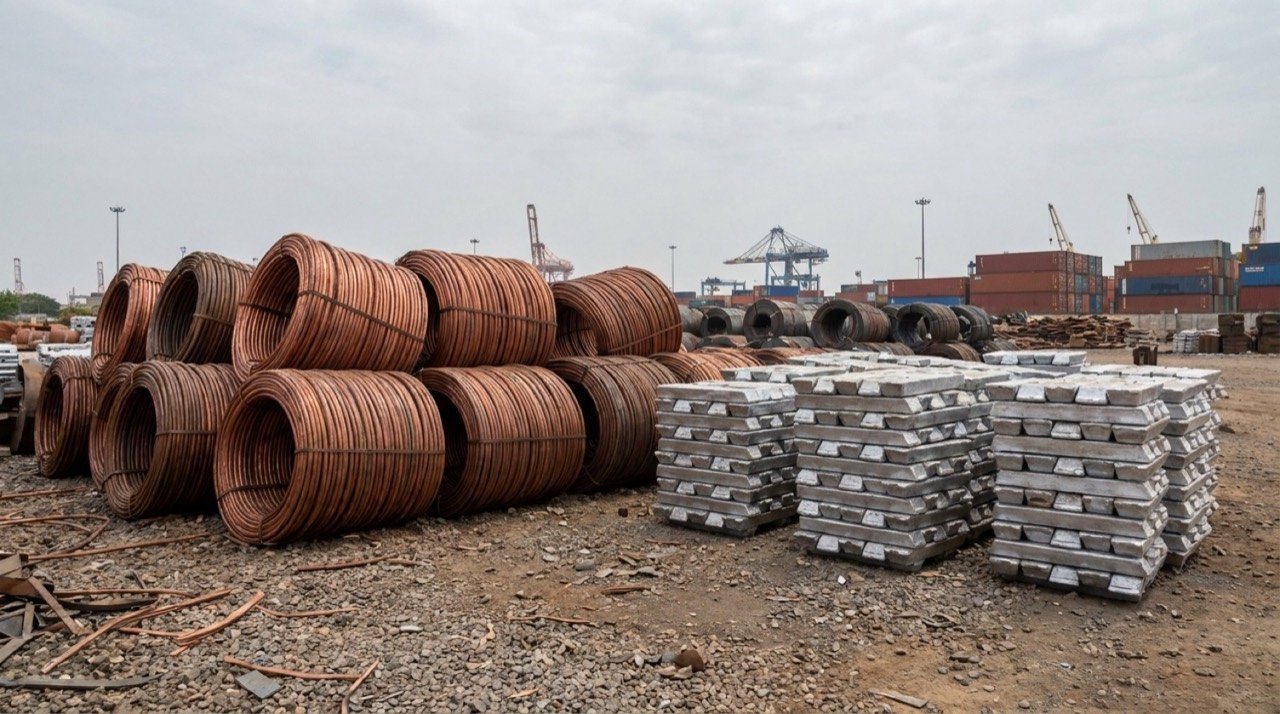
The National Stock Exchange of India has signed a memorandum of understanding with Bharat Metal Exchange to develop and promote non-ferrous metal derivatives, a move aimed at building a deeper, more accessible market for hedging price risk in metals such as copper and aluminium. The pact seeks to marry the NSE's established derivatives infrastructure with BME's links to the physical non-ferrous metals ecosystem. On the face of it, this is a technical, back-office arrangement between two market institutions. Looked at more carefully, it speaks to a longstanding gap in India's commodity finance architecture: the absence of a genuinely deep, domestically anchored venue where industry can manage the price risk inherent in metals it uses every day.
What the partnership combines
The logic of the tie-up is complementary strength. The NSE brings trading systems, clearing capacity and a large investor base built up over decades of running India's equity and derivatives markets. Bharat Metal Exchange, for its part, contributes proximity to the physical metals trade, where producers, fabricators and traders set and feel real-world prices day to day. Bridging the financial and physical sides of a market is not a cosmetic detail; it is essential for derivatives that genuinely reflect underlying conditions rather than trading as an abstraction divorced from the metal actually changing hands in warehouses and factories. A derivatives contract that does not track physical reality tends to be shunned by the very hedgers it is meant to serve, so the credibility of this link is arguably the single most important design question the two institutions now face.
The stated focus of the collaboration spans awareness, industry engagement, price-risk management and broader participation in instruments tied to non-ferrous metals. Each of these is a distinct workstream. Awareness-building implies outreach to companies that may never have used a derivatives contract before. Industry engagement suggests consultation with producers and consumers on contract design, delivery mechanisms and settlement. Price-risk management is the ultimate product being sold. And broader participation is the yardstick by which success or failure will eventually be judged.
Why hedging tools matter
For manufacturers, traders and investors, a deeper derivatives market offers a way to lock in costs and protect margins when commodity prices swing sharply. Metals such as copper and aluminium are inputs across construction, electrical goods, automobiles and renewable-energy supply chains, so volatility in their prices ripples far beyond the metals trade itself. A construction firm pricing a multi-year contract, an electrical goods manufacturer setting wholesale prices, or an automotive components maker planning capital expenditure all carry exposure to metal price movements that can undermine planning if left unmanaged.
Reliable hedging instruments let such businesses plan with greater certainty, reducing the chance that a sudden price move erodes profitability or disrupts contracts already signed with customers or suppliers. This matters more than it might appear at first glance, because India's manufacturing and infrastructure sectors are widely seen as central to the country's growth ambitions, and unmanaged commodity risk is a quiet but persistent drag on that growth. A domestic venue for hedging copper and aluminium, if it works, gives businesses of varying sizes a tool that has historically been available mainly to those with the scale and sophistication to access international exchanges.
The challenge ahead
The harder task will be building genuine liquidity, transparent and standardised contracts, and enough user confidence that risk management becomes practical not only for large industrial players but also for smaller participants. This is where many well-intentioned market initiatives falter. A derivatives contract can be technically sound, regulatorily approved and enthusiastically launched, yet still fail to attract the trading volumes needed to make it useful. Thin or opaque markets can deter the very users such instruments are meant to serve, because a hedger who cannot enter or exit a position at a fair price gains little protection from the exercise. Liquidity, in other words, is not a secondary feature of a derivatives market; it is close to the entire point.
Smaller participants deserve particular attention in this respect. Large industrial groups typically have the treasury expertise, capital and relationships to access hedging tools wherever they are available, including overseas. It is small and mid-sized manufacturers and traders who stand to gain the most from a well-functioning domestic market, precisely because they are the ones currently priced out of more established but distant venues. A commodities market expert cited in connection with this pact put the point plainly: a credible metals derivatives market succeeds only when smaller players, not just industrial giants, can hedge with confidence. That is a useful test to keep in mind as this collaboration develops, since it is easy for a new market to look successful on paper while remaining, in practice, a venue used only by the largest and best-resourced firms.
What success would look like
If the collaboration can deliver liquid, trustworthy contracts, it could strengthen India's position in commodity risk management and give domestic industry better tools to weather global price swings. This would be a meaningful shift. India today is a large consumer of non-ferrous metals but has historically leaned on international price benchmarks and, at times, overseas hedging venues to manage the associated risk. A domestic market that genuinely works would reduce that dependence, keep a greater share of the value chain around metals trading within the country, and potentially make Indian metal prices more directly responsive to Indian supply and demand conditions rather than purely imported signals.
The early test will be whether participation broadens steadily, turning the MoU's ambitions into a functioning, dependable marketplace. An MoU itself is only a starting point: it establishes intent and a framework for cooperation, but it does not by itself create trading volume, contract standardisation, or trust among market participants. Those things are built over months and years, through consistent execution, regulatory support, and a track record of contracts settling as expected. Observers will be watching for concrete markers of progress, such as growing trading volumes, wider participation beyond a handful of large firms, and evidence that prices discovered on this venue are being referenced by industry as a genuine benchmark.
The NE Times View
India imports price volatility along with its copper and aluminium, so a domestic hedging venue is overdue. Pairing NSE's market plumbing with physical-market links could finally let manufacturers lock in costs instead of importing benchmarks set in London. The catch is liquidity: derivatives markets live or die on participation. If hedgers and speculators show up, this deepens India's commodity sovereignty; if not, it is another well-intentioned MoU. The distinction between these two outcomes will not be settled by the signing ceremony but by the unglamorous, incremental work of contract design, outreach and confidence-building that follows it. Given how many market reforms in India have promised depth and delivered thinness, a measure of caution alongside the cautious optimism seems warranted.
Key takeaways
- NSE and Bharat Metal Exchange have signed an MoU to develop non-ferrous metal derivatives, focused initially on metals such as copper and aluminium.
- The partnership combines NSE's derivatives trading and clearing infrastructure with BME's links to the physical metals trade.
- Deeper hedging tools could help manufacturers and traders across construction, electrical goods, automobiles and renewable energy manage cost volatility.
- Liquidity, contract transparency and participation from smaller players, not just large industrial firms, will determine whether the initiative succeeds.
- The real test lies ahead: whether the MoU's ambitions translate into a functioning, trusted marketplace over time.
You may also like to read

NSE IPO Filing With SEBI Moves India's Top Exchange Closer to Listing
The National Stock Exchange has filed draft IPO papers with SEBI for an offer estimated near Rs 30,000 crore, a long-delayed move that could rank among India's biggest-ever public issues if cleared.
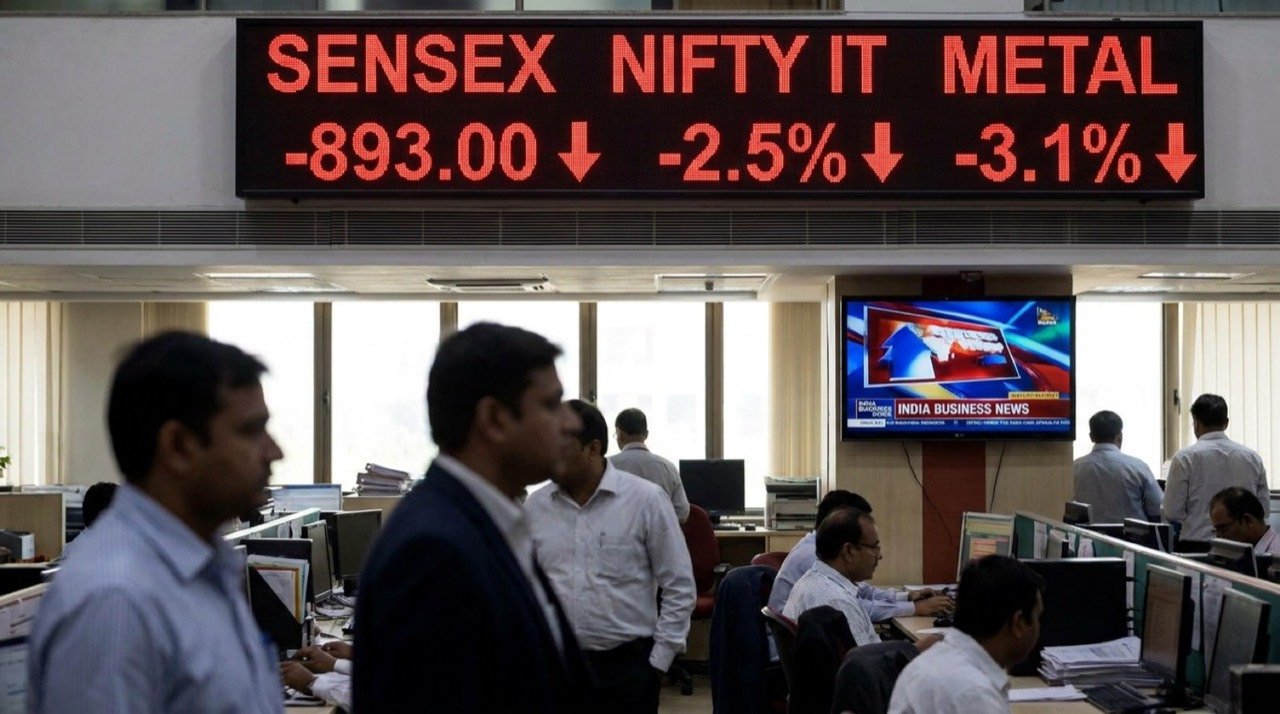
Sensex Tumbles 893 Points as IT and Metal Stocks Lead Broad Market Selloff
Indian equities slid sharply on 23 June, with the Sensex down 893 points and the Nifty closing at 23,824, as IT, metals and PSU banks led a broad-based selloff driven by weak global cues.
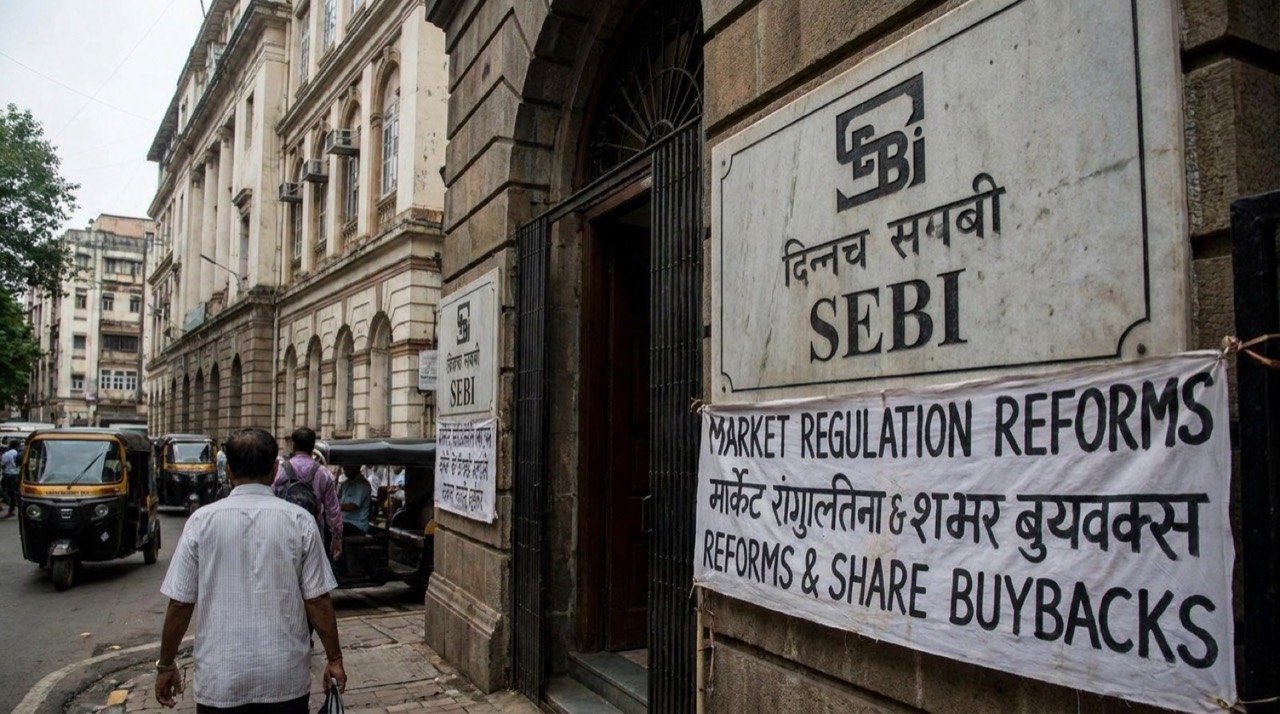
SEBI Reform Push Aims to Simplify Market Plumbing and Revive Open-Market Buybacks
SEBI has proposed a simpler rulebook for stock exchanges and clearing corporations and cleared the return of open-market share buybacks from August 1, signalling a lighter-touch yet sturdier market framework.
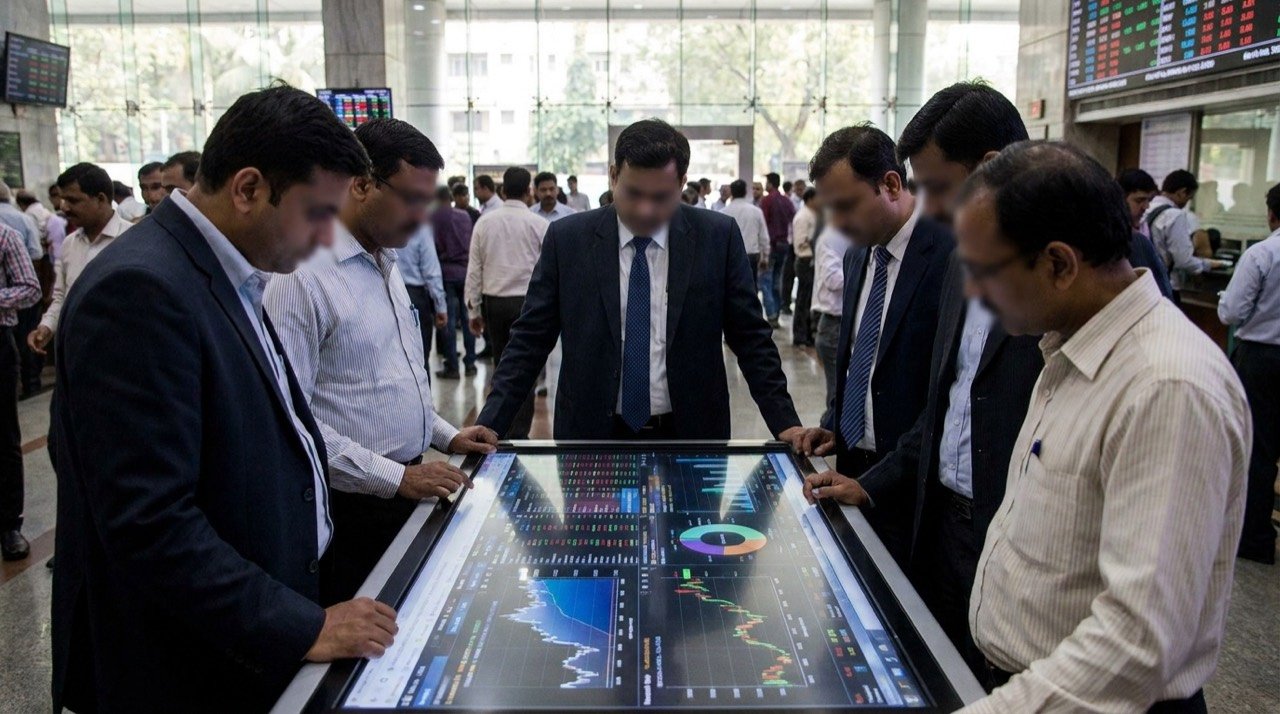
Jio, NSE And Zepto Anchor A Crowded IPO Pipeline As 2026 Listing Wave Builds
With Reliance Jio, NSE, Zepto and dozens of startups in the queue, India's IPO pipeline looked unusually deep in June 2026 even as smaller SME issues kept the primary market humming.
More from this section
More
Adani Case: US DOJ Pushes for Permanent Dismissal of Charges
The US Department of Justice has urged a judge to permanently dismiss charges against Gautam Adani, calling the case legally flawed — a reversal with consequences for markets, diplomacy and cross-border enforcement.

Akasa Air Inducts 40th Aircraft in Indian Aviation Scale-Up
Akasa Air's 40th aircraft, ferried to Bengaluru via Seattle, Reykjavik and Cairo, marks a fleet milestone for the young carrier and a fresh signal that India's aviation market remains firmly in expansion mode.
BARC Ratings Suspension Leaves Indian TV Industry Flying Blind
BARC's pause on television ratings has put India's broadcast measurement system under fresh scrutiny, leaving broadcasters, advertisers and media planners without the weekly audience data that anchors the TV economy.