Mumbai Suburbs Drenched: 100 mm Overnight Rain Snarls Commute
Heavy overnight monsoon showers dumped more than 100 mm of rain on several Mumbai suburbs in a short window, triggering waterlogging and traffic disruption and renewing scrutiny of the city's monsoon preparedness.
The NE Times National Desk
Commentary & Analysis ·
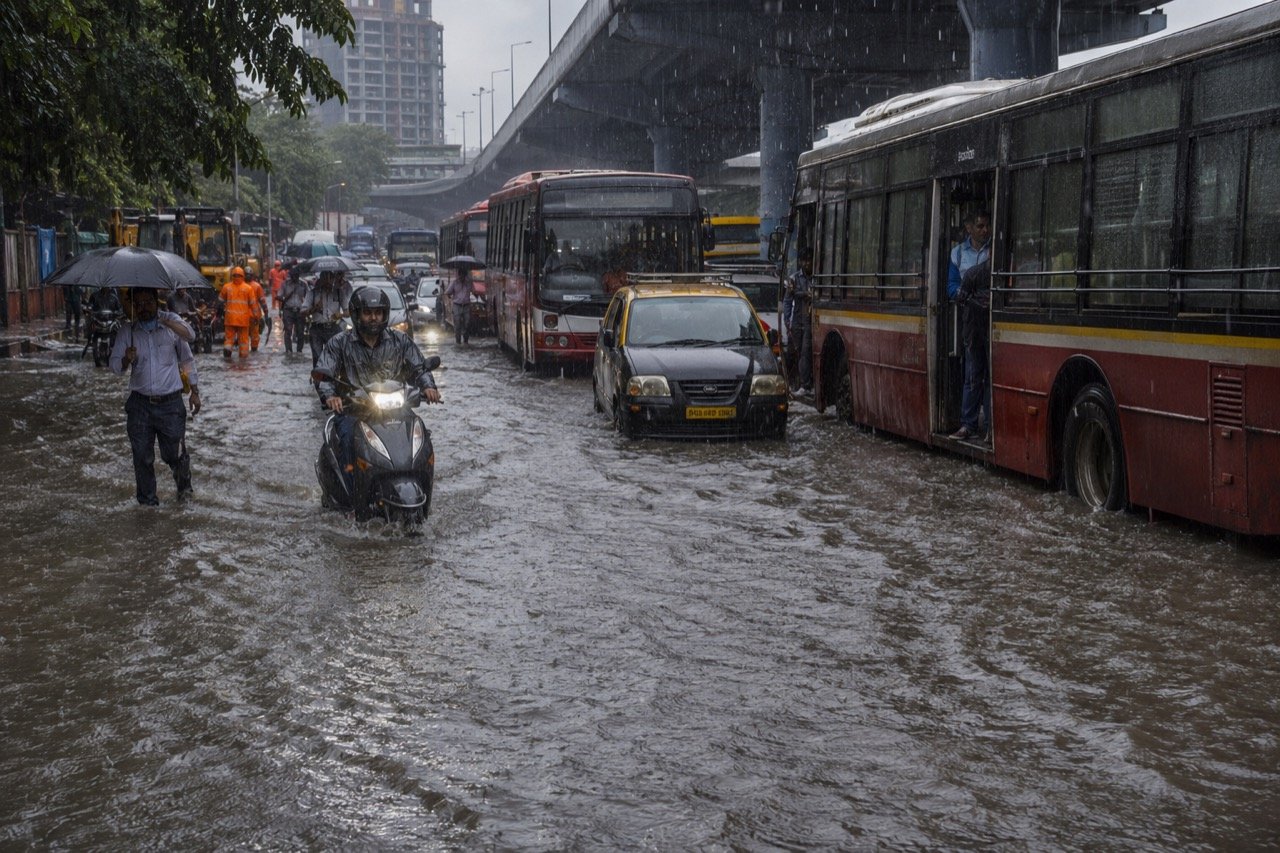
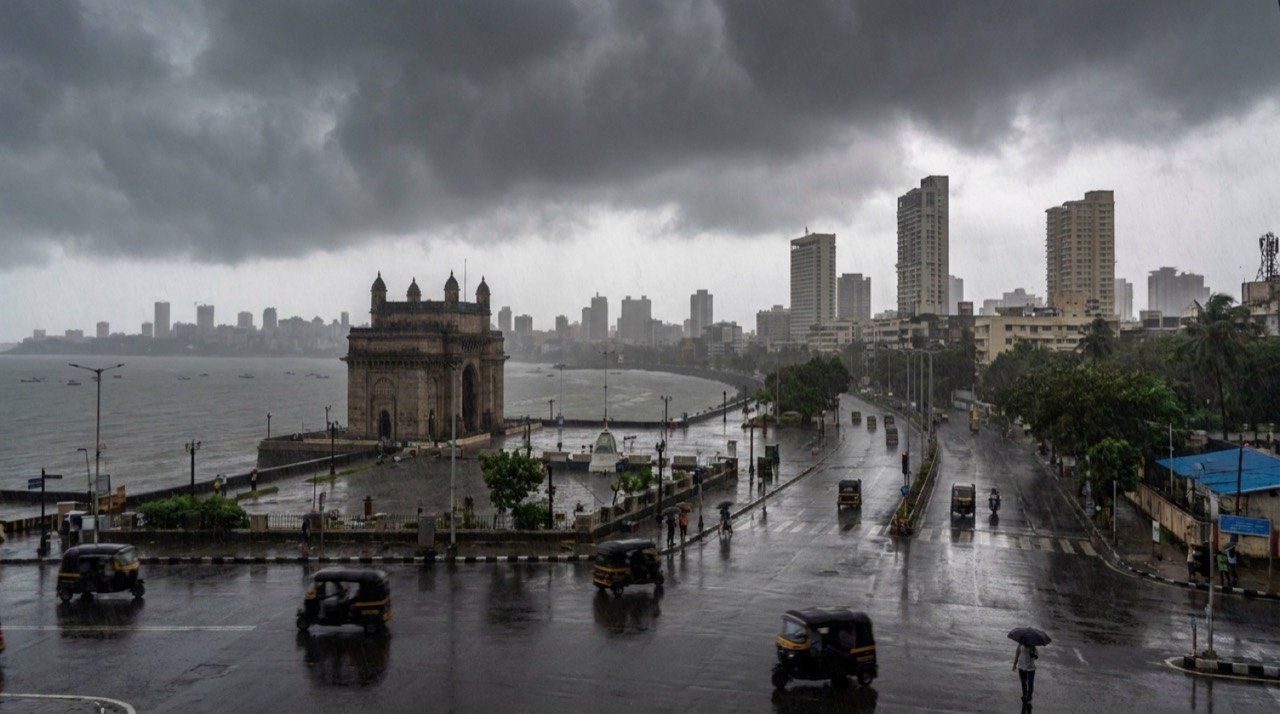
Heavy overnight rain lashed Mumbai's suburbs, with several areas recording more than 100 mm within a short window, according to civic-linked reports. The intense spell left junctions waterlogged and traffic crawling, once again putting the city's annual monsoon preparedness under public scrutiny.
For commuters the fallout was familiar: delayed buses, slow-moving road traffic, flooded intersections and uncertainty over suburban train services. For civic authorities, the immediate checklist ran through pumping stations, drain clearance, traffic diversions and the timeliness of public warnings.
It is never just about the rainfall total
Mumbai's rain story is rarely about seasonal totals alone. What matters is how quickly roads, drains, rail corridors and low-lying neighbourhoods can absorb sudden, intense bursts. A four-hour spell above 100 mm can overwhelm local drainage even when pre-monsoon preparation has been completed on schedule.
The latest downpour also underlines why hyperlocal rainfall data matters. One suburb can face serious waterlogging while a neighbouring area sees entirely manageable rain, which means public communication has to be neighbourhood-specific rather than citywide.
Climate variability has made short-duration cloudbursts a central concern of urban planning. Mumbai's infrastructure must now be judged not only on how it handles total monsoon rainfall, but on how it copes with rapid bursts that strike during commuting hours. Residents are advised to follow civic and weather advisories for route-specific conditions.
The NE Times View
Every monsoon, Mumbai relearns the same lesson: the city's resilience is decided drain by drain, not in citywide averages. The encouraging news is that data now exists at the ward level to predict which junctions will flood first; the frustration is how slowly that intelligence translates into targeted drainage investment and neighbourhood-level alerts. As short, violent bursts of rain become the norm rather than the exception, India's financial capital needs to treat stormwater capacity as core economic infrastructure. A city that loses a working day to four hours of rain is paying a tax it can engineer away.
This article is original commentary and analysis by The NE Times. Background facts were referenced from The Times of India and The Economic Times.
You may also like to read
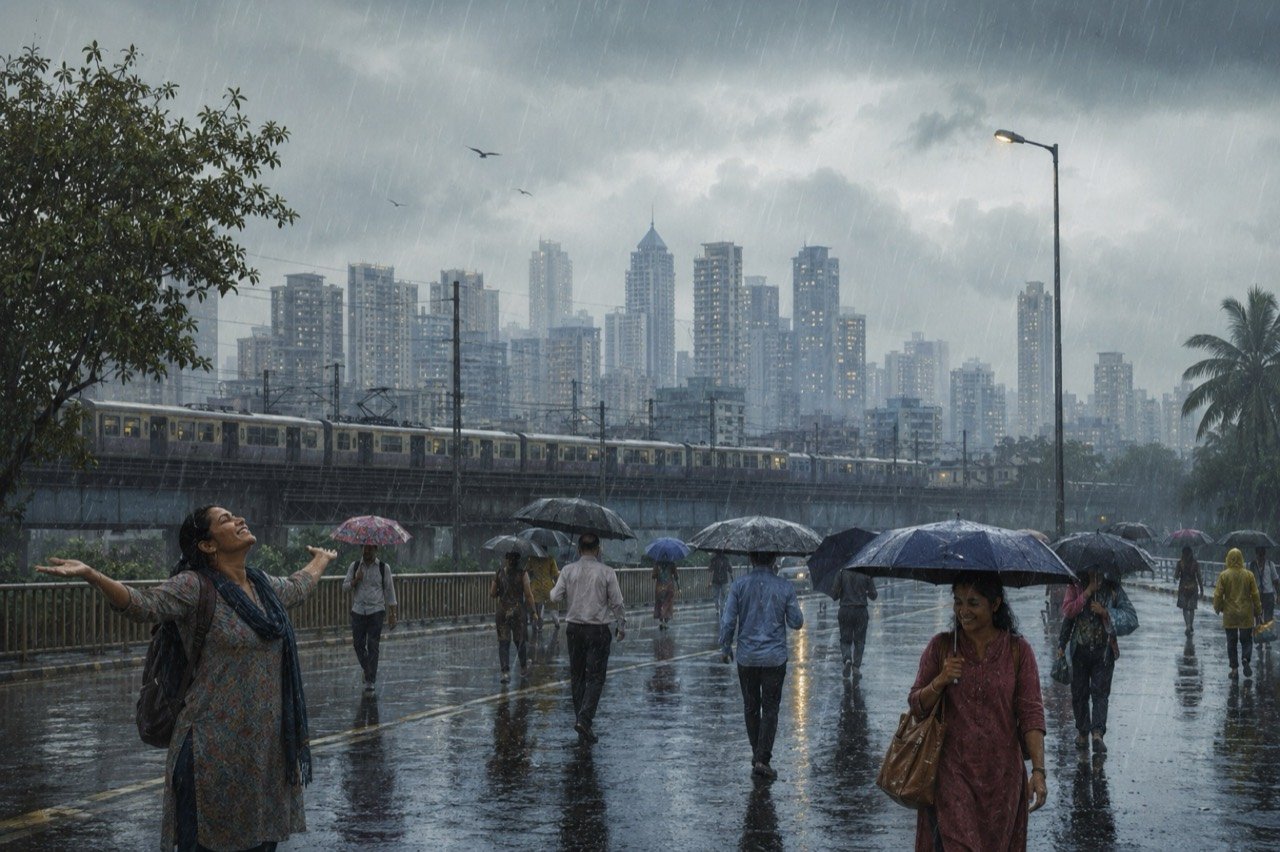
Mumbai Rain Brings Relief as Official Monsoon Onset Is Still Awaited
Heavy showers swept Mumbai on 22 June 2026, easing weeks of humid heat and lifting hopes of monsoon advance, even as forecasters held off on a formal onset declaration.
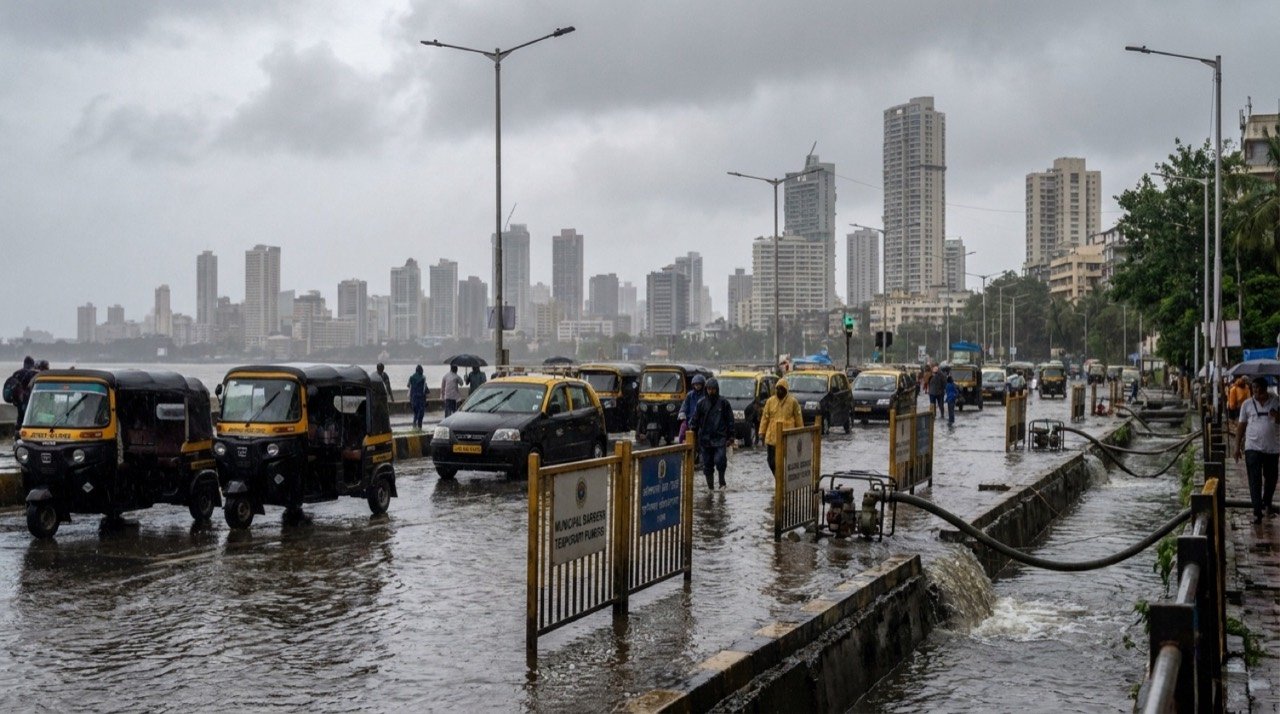
Mumbai Monsoon Arrives After Delay, Testing the City's Civic Readiness
The southwest monsoon has reached Mumbai after a near two-week delay, bringing relief from humidity even as it reopens familiar questions about drainage, local trains and flood preparedness.
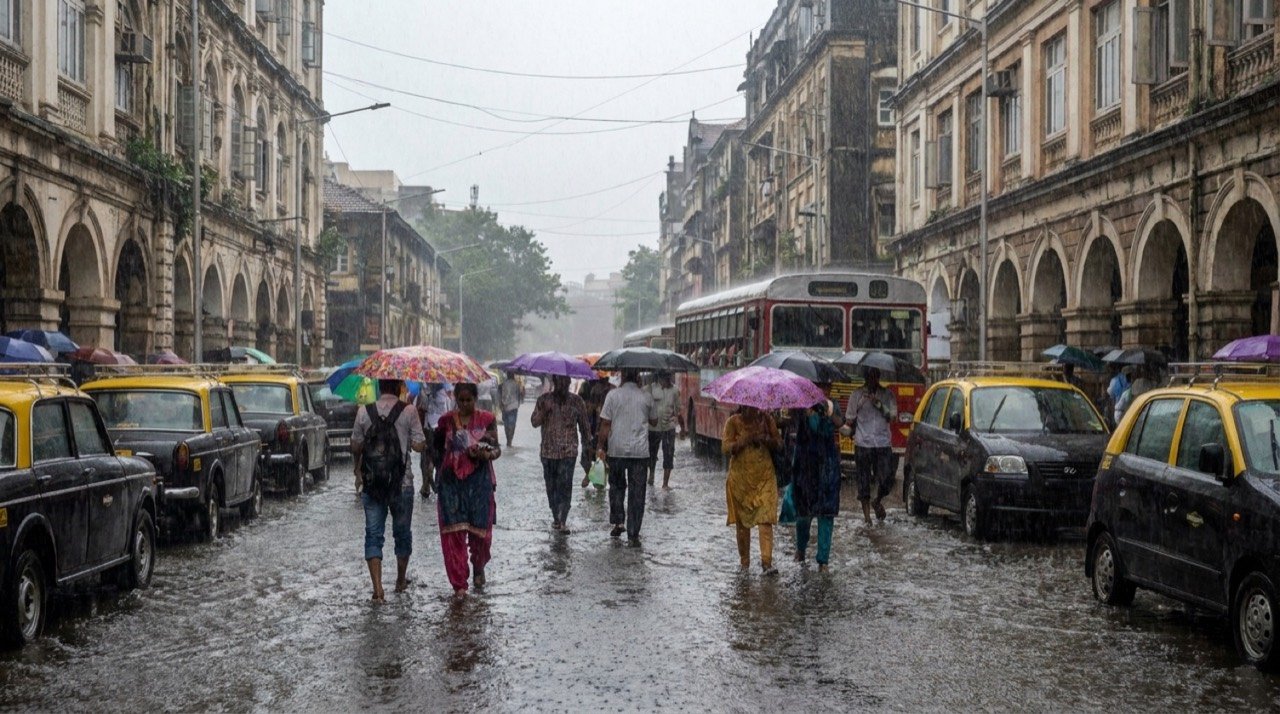
Monsoon Advances Toward Mumbai and Eastern India as Rain Alerts Issued
The southwest monsoon has resumed its march after a brief pause, with weather agencies forecasting widespread and locally heavy rain across Mumbai, Maharashtra, eastern and central India.
IMD Confirms Southwest Monsoon Onset Over Mumbai After Delayed Spell
The India Meteorological Department has confirmed the Southwest Monsoon's arrival over Mumbai on June 23, bringing relief after a dry, unusually warm early June and pushing the city into full monsoon readiness.
More from this section
More
Ahmedabad Bullet Train Station Gets Kite-Inspired Multimodal Hub Plan
Ahmedabad's bullet train station is set to be developed as a multimodal transport hub with a kite-inspired design, giving India's high-speed rail project a distinctive urban landmark rooted in local identity.
Arrest in Bengaluru Daycare Case Deepens Child Safety Questions
Bengaluru police have arrested a woman connected to the daycare case at a Capgemini campus facility, sharpening scrutiny of caregiver vetting, oversight and accountability at workplace-linked childcare centres.

Assam Case Shows PAN and Voter Cards Are Not Citizenship Proof
A man declared a foreigner in Assam despite holding multiple identity documents has highlighted a crucial legal distinction: everyday IDs establish identity, not citizenship, when a person's legal status is challenged.