Mumbai Rains: Red Alert and Flight Diversions Test Monsoon Readiness
A red alert for heavy rainfall in Mumbai and reports of flight diversions have renewed scrutiny of the city's monsoon preparedness, from airport operations to local trains and drainage.
The NE Times National Desk
Commentary & Analysis ·
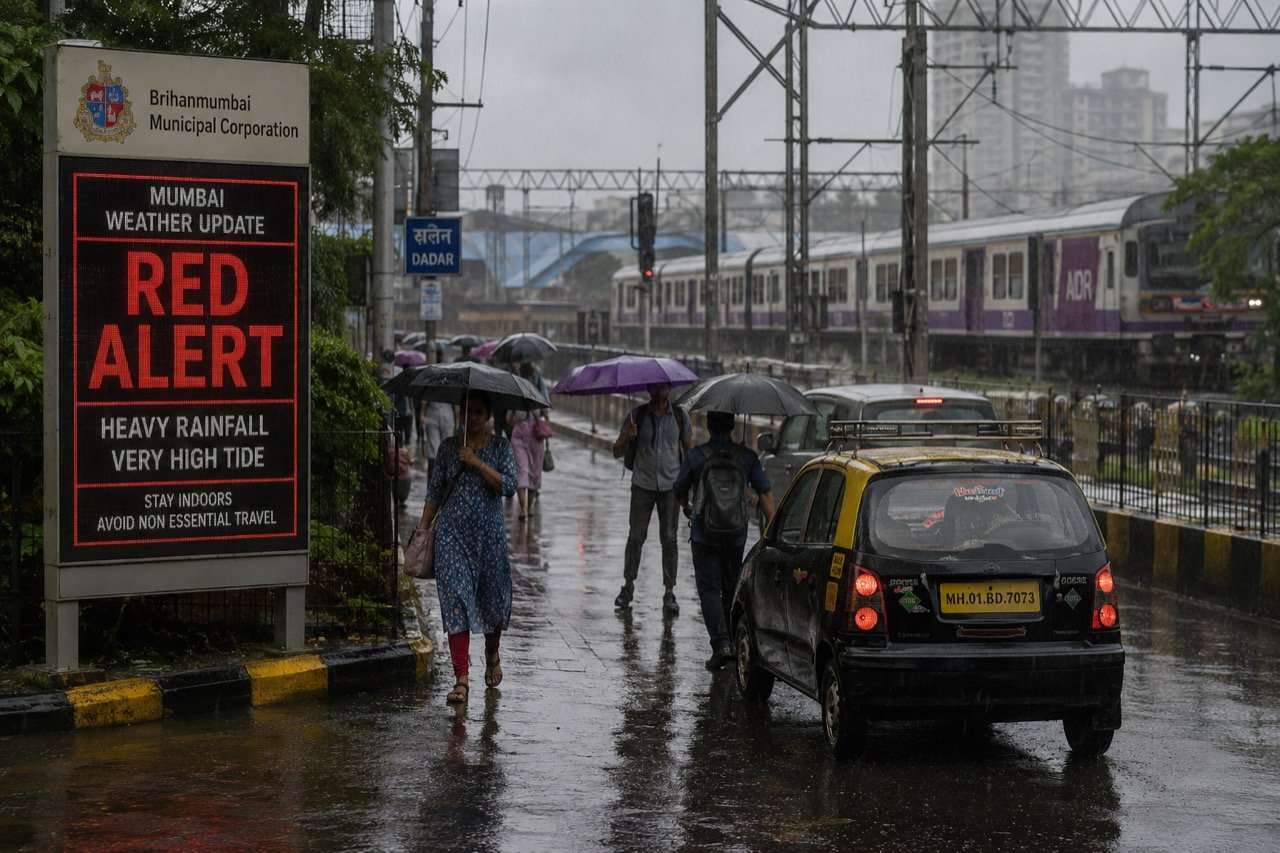
Mumbai's monsoon is once again national news, and for good reason: a red alert for the city is never an abstract weather bulletin. With the India Meteorological Department flagging intense rainfall and reports of flights being diverted away from the city's airport, the latest spell has turned into a practical civic story for millions of residents and travellers.
In Mumbai, rainfall alerts translate directly into everyday consequences — the functioning of local trains, road travel, office attendance, airport operations and the speed of the municipal response. That is why searches for updates on the red alert, diverted flights and live monsoon conditions spike the moment such warnings are issued.
Why the airport angle matters
Flight diversions are among the most disruptive knock-on effects of heavy rain. When aircraft bound for Mumbai are sent to other cities, schedules ripple across the national network, affecting passengers far beyond the city itself. Intense rain also tests runway operations, visibility, road access to terminals and the last-mile transport that gets flyers to and from the airport.
For commuters on the ground, the same downpour can mean waterlogged streets, slower suburban trains and significantly longer journey times. The advice from officials remains consistent: check airline and civic updates before leaving home, and treat alert levels as guidance that changes with each forecast window.
A recurring test of urban resilience
As the spell develops, the key indicators to watch are the functioning of local trains, how quickly airport operations recover, rainfall intensity across forecast windows and the municipal corporation's advisories. Preparedness is not only about warnings — it includes drainage maintenance, traffic management and clear, timely communication with the public.
The NE Times View
Mumbai knows the monsoon better than any Indian city, yet every intense spell remains a live audit of its urban resilience. The real measure of preparedness is not whether a red alert is issued, but how quickly trains, roads and the airport bounce back once the clouds pass. India's financial capital cannot afford a system where a heavy forecast routinely means diverted flights and stranded commuters. The lesson for civic authorities is that monsoon readiness is a year-round infrastructure discipline, not a seasonal scramble — and residents deserve communication that is as reliable as the rain itself.
This article is original commentary and analysis by The NE Times. Background facts were referenced from Hindustan Times, IMD and Indian Express Mumbai.
You may also like to read
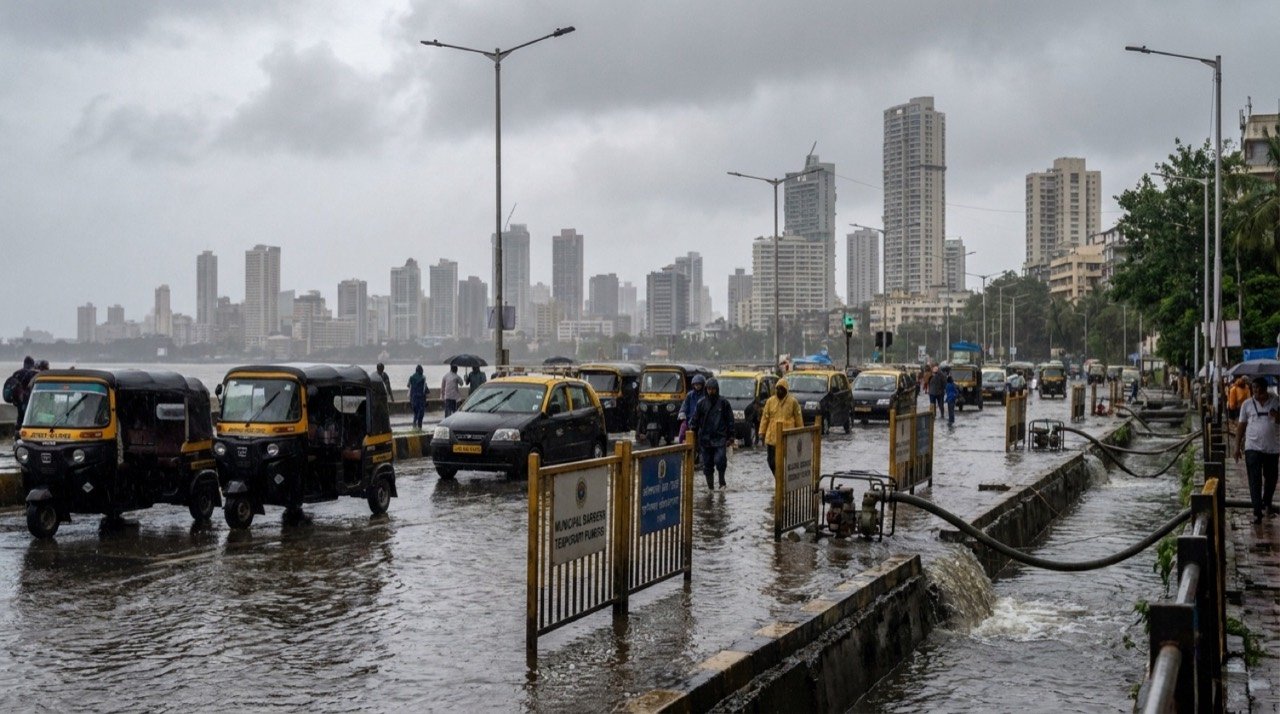
Mumbai Monsoon Arrives After Delay, Testing the City's Civic Readiness
The southwest monsoon has reached Mumbai after a near two-week delay, bringing relief from humidity even as it reopens familiar questions about drainage, local trains and flood preparedness.
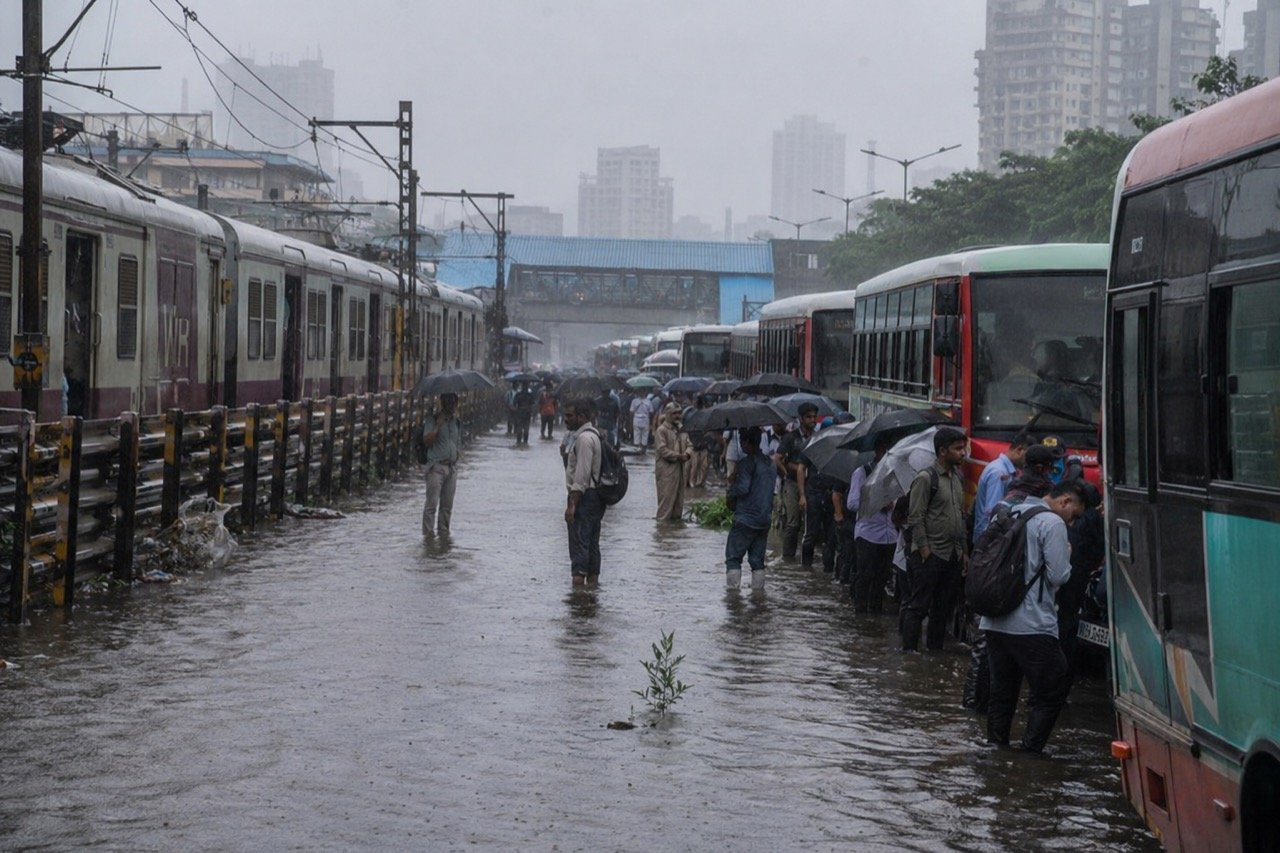
Mumbai Floods: Red Alert Rain Disrupts Roads, Trains and Metro
Heavy rain of over 200 mm in about 10 hours triggered a red alert in Mumbai, flooding roads and disrupting local trains and Metro services in a fresh test of the city's monsoon preparedness.
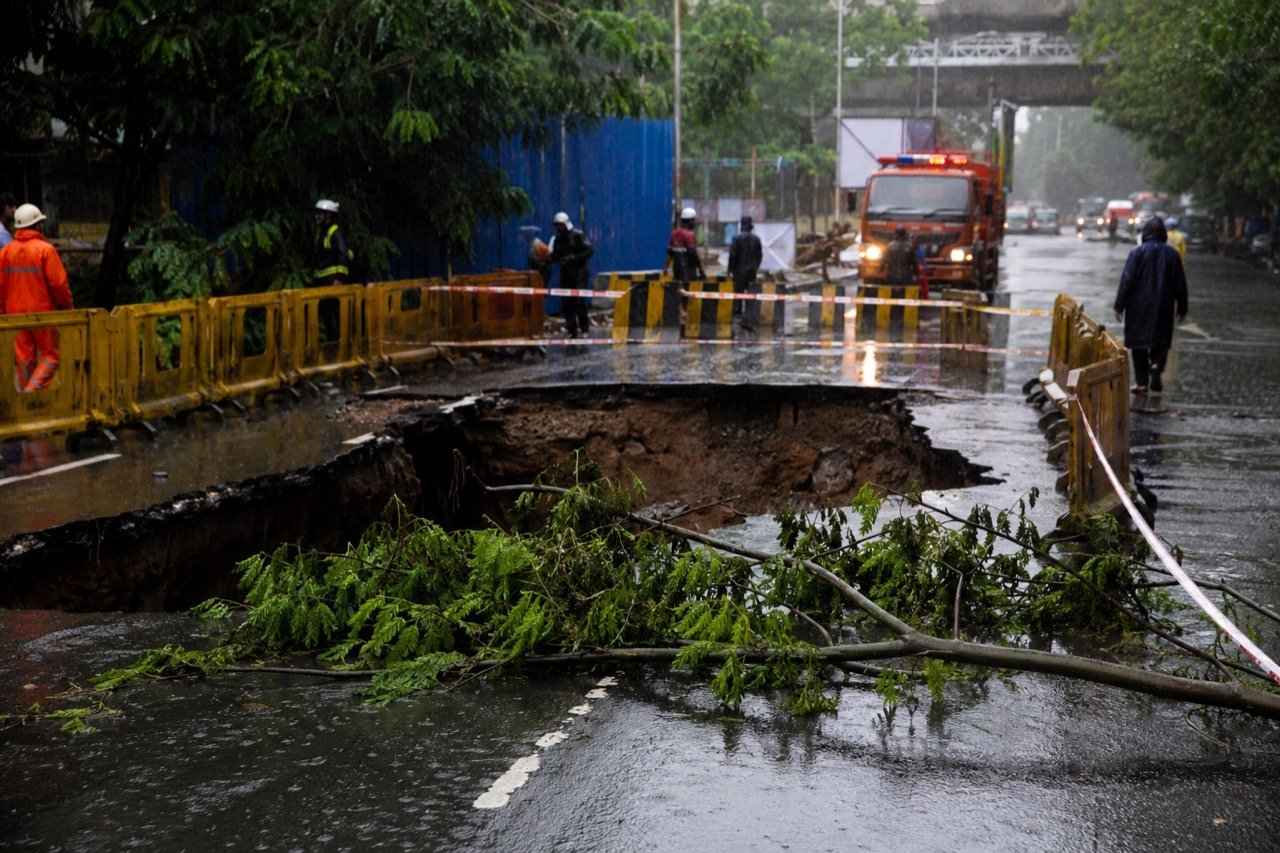
Mumbai Rains: Bhandup Road Cave-In Renews Monsoon Safety Fears
A stretch of LBS Marg in Bhandup West collapsed during intense monsoon rain, sending a vehicle into an excavation pit and reviving hard questions about Mumbai's construction safety and drainage readiness.
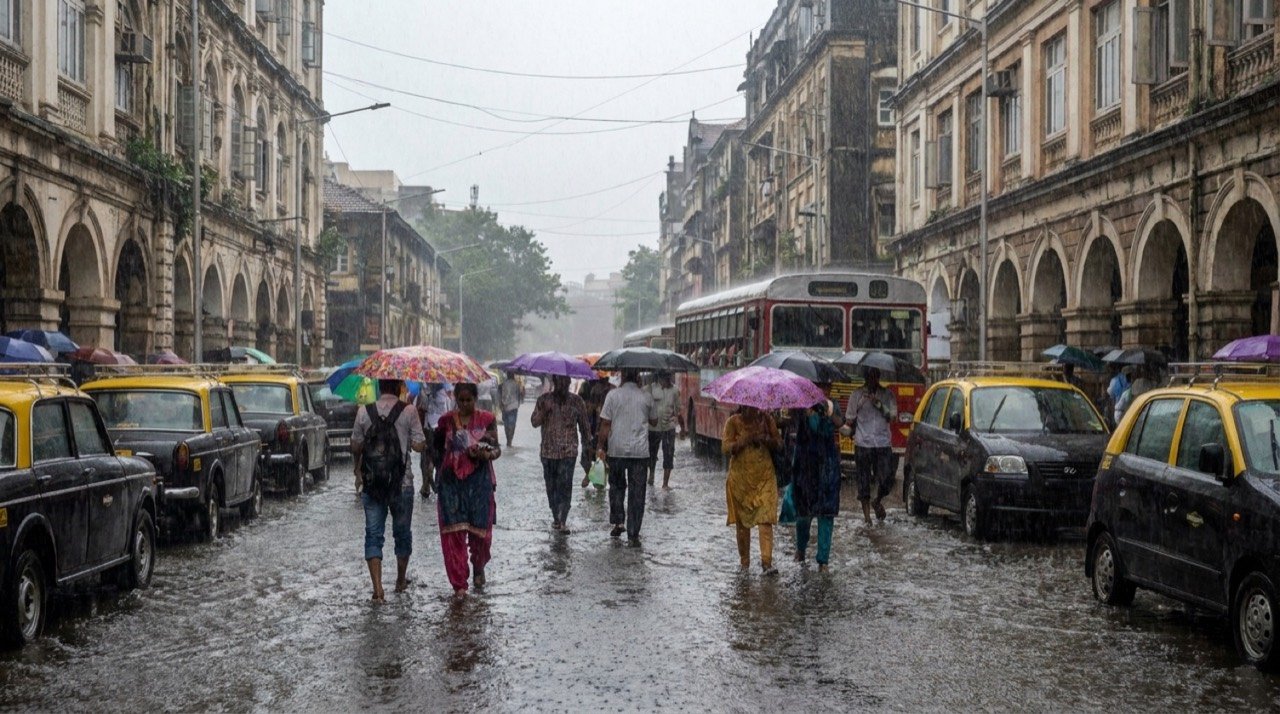
Monsoon Advances Toward Mumbai and Eastern India as Rain Alerts Issued
The southwest monsoon has resumed its march after a brief pause, with weather agencies forecasting widespread and locally heavy rain across Mumbai, Maharashtra, eastern and central India.
More from this section
More
AICTE Industry Fellowship 2026: Rs 1.5 Lakh Scheme Closes July 5
The AICTE Industry Fellowship Programme 2026, which places technical-education faculty inside leading companies on a Rs 1.5 lakh monthly stipend, reached its application deadline on July 5.
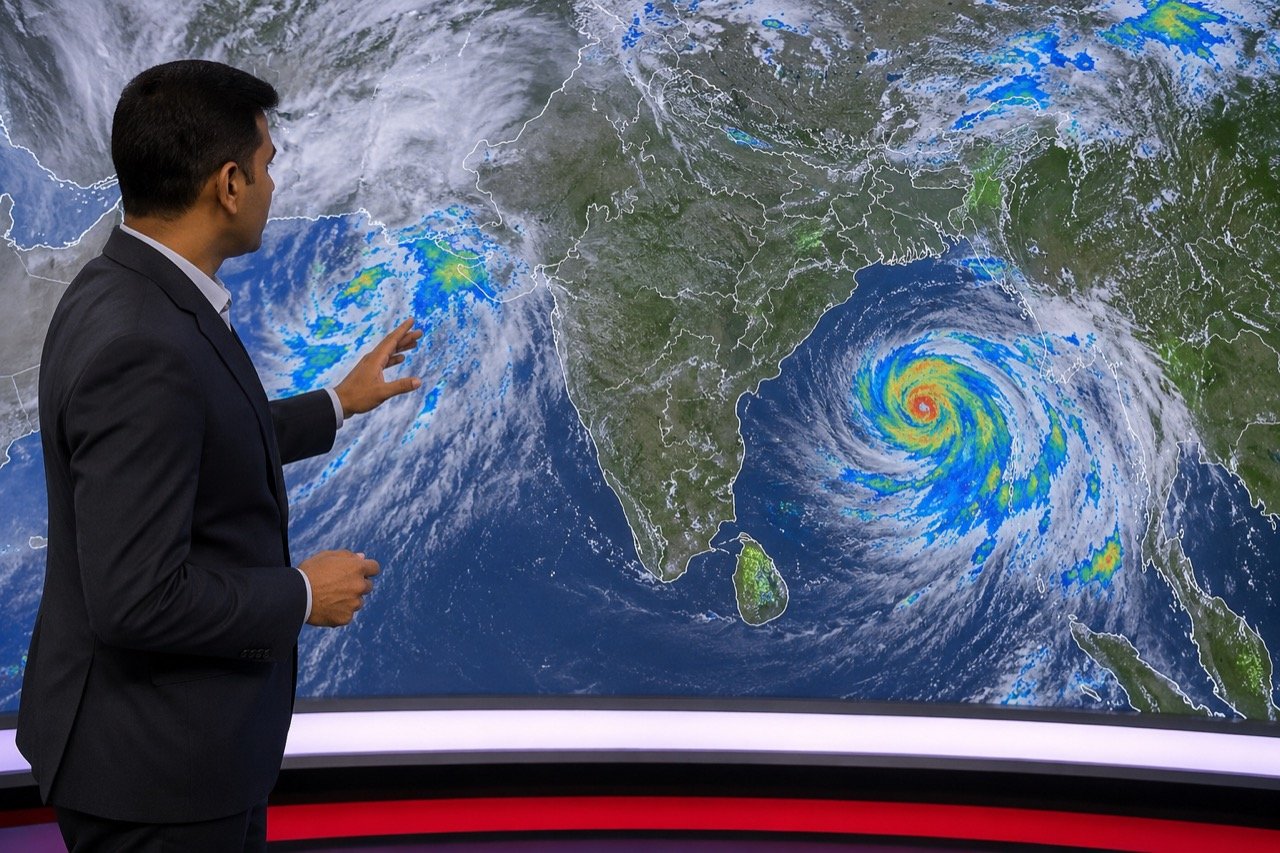
Bay of Bengal Low Pressure System Revives Monsoon Over Western India
A low-pressure system over the Bay of Bengal has pushed the monsoon back into an active phase, bringing steady heavy rain to Kerala, coastal Karnataka and Maharashtra, and putting Mumbai and Pune on preparedness watch.
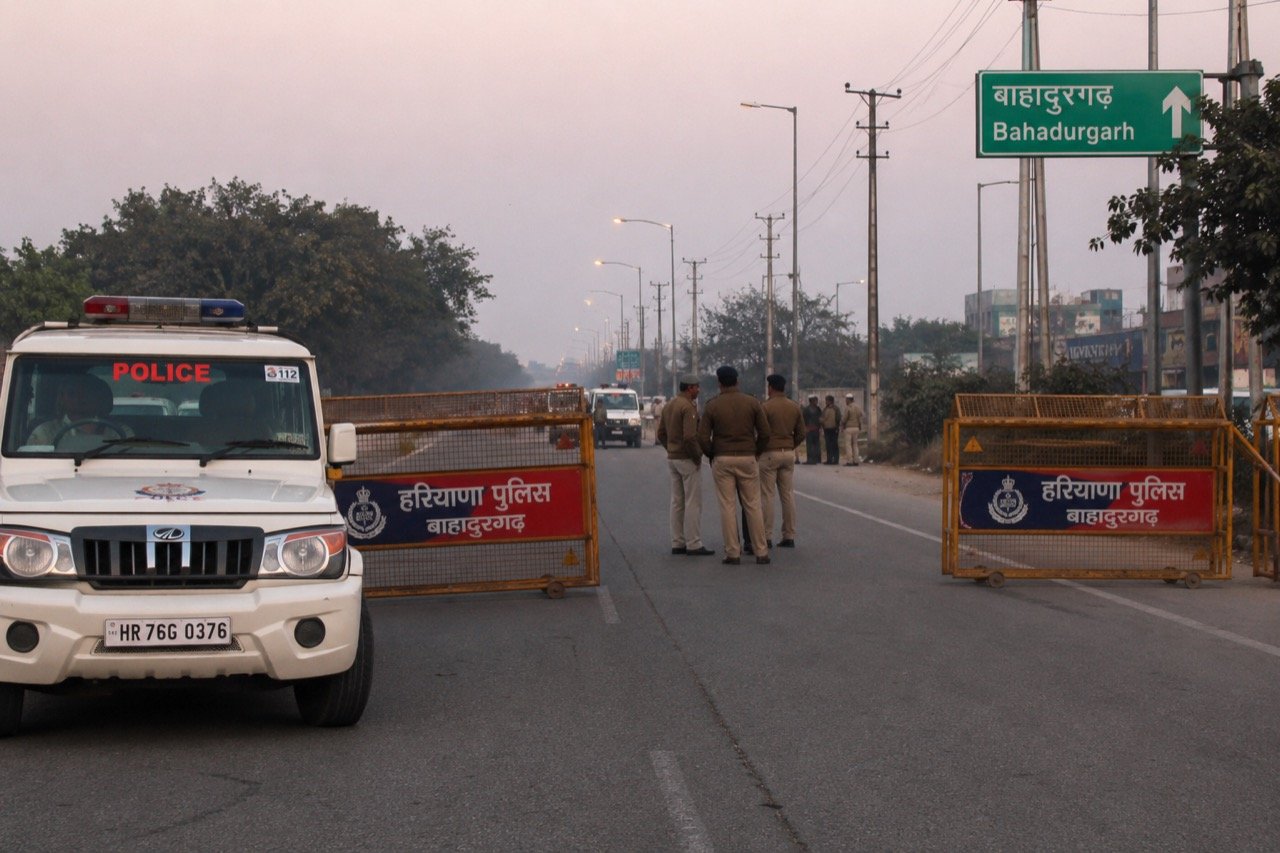
Bishnoi Gang Suspects Injured in Haryana Encounter as Police Tighten Net
A joint Haryana-Delhi Police operation in Bahadurgarh left two suspected Lawrence Bishnoi gang members injured, spotlighting the multi-state coordination now central to India's fight against organised crime networks.