Microdrama Boom in India: Why Short Episodic Stories Are Becoming a Mainstream Viewing Habit
A ShareChat/Moj and Kantar study cited in business reporting said 80% of surveyed Indians were embracing microdrama.
Commentary & Analysis ·
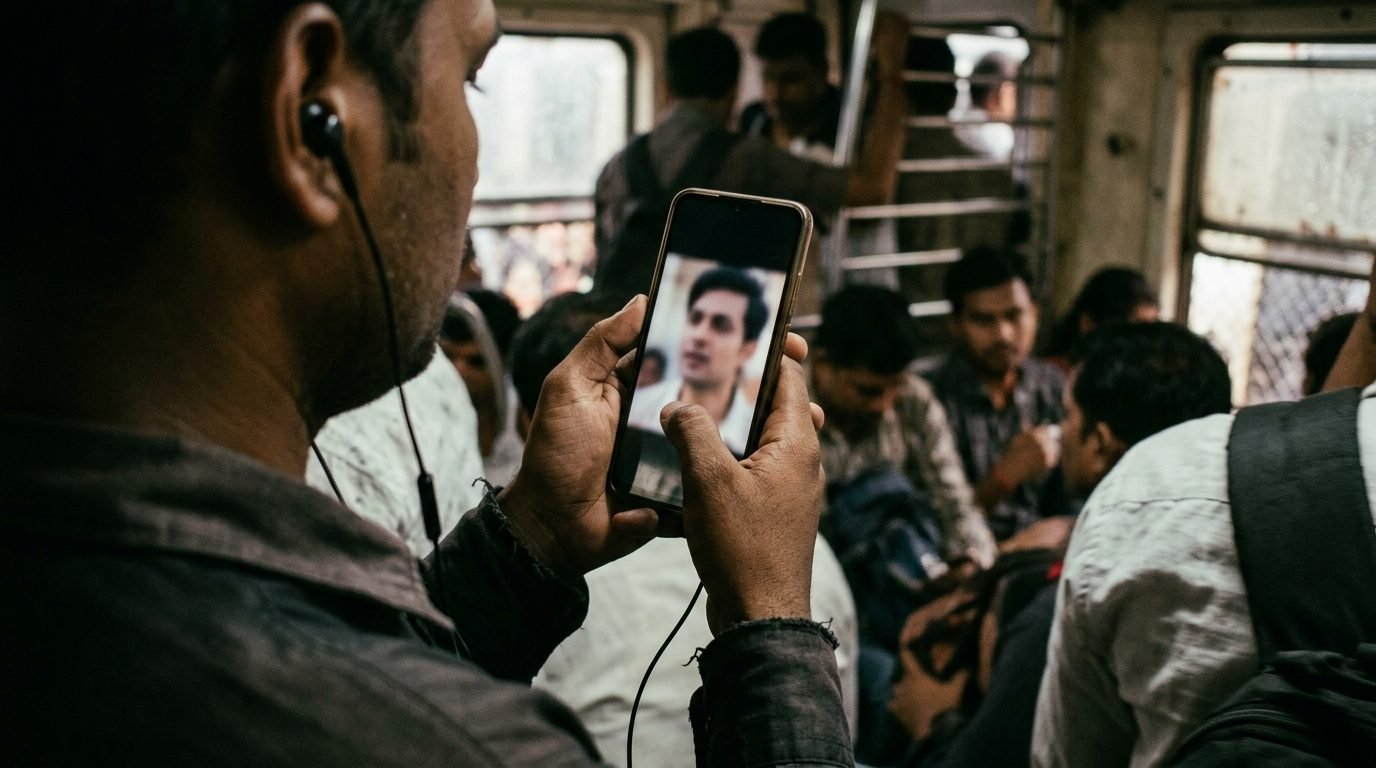
VERIFIED KEY FACTS
• A ShareChat/Moj and Kantar study cited in business reporting said 80% of surveyed Indians were embracing microdrama.
• The same reporting said 86% of users spent more than 15 minutes a day with the format.
• The figures come from a commissioned survey rather than a census of all Indian viewers.
Overview
Microdrama Boom in India: Why Short Episodic Stories Are Becoming a Mainstream Viewing Habit is part of the fast-moving entertainment cycle captured in this update through 13 August 2026. A ShareChat/Moj and Kantar study cited in business reporting said 80% of surveyed Indians were embracing microdrama. The same reporting said 86% of users spent more than 15 minutes a day with the format. The figures come from a commissioned survey rather than a census of all Indian viewers. The aim is a durable explanation that still holds once the first social-media spike has passed, with the immediate question answered clearly and early.
What is confirmed
The confirmed foundation is narrow and explicit. A ShareChat/Moj and Kantar study cited in business reporting said 80% of surveyed Indians were embracing microdrama. The same reporting said 86% of users spent more than 15 minutes a day with the format. The figures come from a commissioned survey rather than a census of all Indian viewers. Those points are the factual spine of this story. Anything beyond them—future box-office performance, private motivations, unannounced casting, medical interpretation, or the meaning of a teaser—is analysis, or stays attributed to the source that reported it. This distinction matters especially in ott & streaming, where promotional material and fan speculation can circulate faster than official statements. The evidence status of each claim is stated where it appears rather than buried near the end.
Timeline and context
The timing explains much of the current interest in microdrama India. The story arrives during a crowded August entertainment calendar, when Independence Day releases, weekly streaming drops, reality-show premieres and major South-cinema campaigns are competing for the same attention. In that environment, even a single trailer, contestant revelation or schedule change can become a search catalyst. The useful context is short-form serial storytelling and mobile-first monetisation. That context helps readers understand why this item is surfacing now, and it prevents the article from becoming a thin rewrite of one quote or one social post.
Why audiences are searching
Search behaviour around “microdrama India” is usually driven by several overlapping questions. Fans may want a release date, cast list, episode outcome, health update, trailer explanation or clarification of a viral claim. Casual readers may encounter the story through Google Trends or social media and need a fast explanation of who the person is and why the name is suddenly visible. The most pressing question is answered in the opening paragraphs. Where a Google Trends snapshot is cited, it is a time-bound signal of unusual search activity, not lifetime demand or market share.
Creative and industry significance
The development has significance beyond the immediate headline. In Indian entertainment, star power now moves between cinema, streaming, television, reality formats, music clips and social platforms with very little friction. A ott & streaming story can therefore affect discovery in another medium within hours. For microdrama India, the larger issue is how franchises, personalities and platforms convert attention into viewing intent. Creative choices, promotional timing and casting can reinforce one another, but publicity volume is not evidence of artistic quality. Good analysis should explain the industrial mechanism without turning marketing claims into conclusions.
Business, distribution and audience implications
From a business perspective, the story sits inside a competition for screens, subscriptions, homepage placement, advertiser attention and search visibility. Release timing can influence theatre allocation and streaming recommendations; a trending personality can lift older catalogue titles; and a reality-show clip can create search demand for an entire franchise. That does not mean every spike becomes revenue. For microdrama India, the useful commercial questions are whether the attention changes viewing behaviour, whether distribution is confirmed across India, and whether the story has enough staying power to matter after the first news cycle. Trade figures should be dated and attributed because they can move quickly.
Search and Google Trends context
The trend note for this article is: Current editorial interest; not a paid-volume estimate. Google’s Trending Now product describes active queries as searches occurring more often than usual in the selected period, which is different from saying a title is the most popular entertainment property overall. Trend data is a signal of attention, not proof of quality, success or public approval.
Verification and fairness
Verification is particularly important in this story because entertainment coverage often blends official announcements, trade reporting, anonymous-source claims, promotional interviews and fan interpretation. The evidence label for this article is “Survey-based industry reporting; methodology should remain attributed.” That label applies throughout: words like “reported,” “may,” “said,” and “claimed” are used deliberately and are not definitive statements. Personal relationships and health matters are treated with privacy and attribution in mind, box-office and rights figures are named as estimates or reports, and trailer or song coverage describes what is visible or announced rather than asserting unseen plot points.
What happens next
The next checkpoint is practical: official release, platform or production updates are what can change the hard facts here. Entertainment stories can become misleading when an old headline remains live after the facts change, so the date on any update matters. For release-driven questions, official platform and distributor pages are the reliable reference; for reality television, broadcast events differ from material reported during advance filming; for trade figures, what counts is when the estimate was captured.
Conclusion
The current evidence supports the key facts set out above, while the broader significance comes from the way India’s entertainment ecosystem now combines theatrical launches, streaming discovery, celebrity fandom and algorithmic search. Readers benefit when the article tells them exactly what happened, what is still uncertain and what they should watch next.
This article is original commentary and analysis by The NE Times. Background facts were referenced from Times of India.
You may also like to read
Operation Safed Sagar Now Streaming: What Changed After Release Week
Operation Safed Sagar moved from pre-release promotion into its active Netflix viewing window after the August 7 premiere.
Mirzapur: The Movie Trailer Turns a Streaming Franchise Into a Theatrical Event
The Mirzapur: The Movie trailer has been released, bringing major characters associated with the streaming franchise into a theatrical feature.
Awarapan 2 Leads Batwara 1947 in Advance Booking as Independence Day Clash Heats Up
Current trade reporting says Awarapan 2 moved ahead of Batwara 1947 in early advance-booking indicators.
Batwara 1947 First Reviews: Sunny Deol and Preity Zinta Return to the Centre of the Conversation
Early reviews and social reactions have begun circulating ahead of/around Batwara 1947’s release window.
More from this section
More
Akanksha Choudhary’s Claim About Yogesh Rawat During the Family Task: Mental-Health Reporting and Reality-TV Boundaries
During a family-and-friends task, Akanksha Choudhary clashed with Suzanne and referred to Yogesh Rawat as having previously been suicidal

Kamya Punjabi Enters Alliance for Kushal Tandon and Clashes With Aly Goni
Kamya Punjabi entered Alliance as a guest supporting Kushal Tandon and openly criticised Aly Goni’s game

The Traitors Season 2 Full 21-Contestant Line-up and August 13 Premiere Guide
The Traitors Season 2 is scheduled to begin streaming on Prime Video on 13 August, with new episodes expected on Thursdays