Meghalaya Sports Conclave 2026 Lays Out a Youth-First Vision for Grassroots Sport
The Meghalaya Sports Conclave 2026 set out a roadmap to use sport as an engine of youth development, infrastructure growth and community participation across the state's hill and tribal regions.
Commentary & Analysis ·
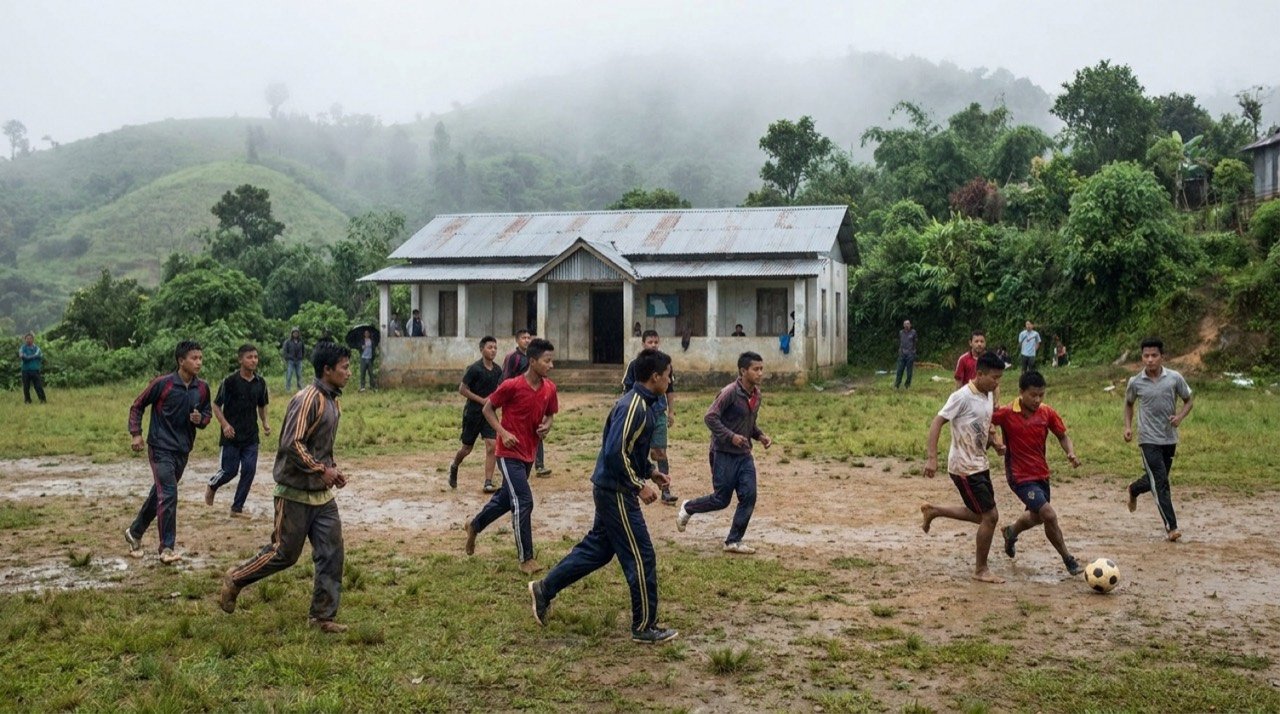
The Meghalaya Sports Conclave 2026, held on June 23, set out a plan to harness sport as a driver of youth development, infrastructure growth and community participation. Rather than chasing medals alone, the gathering framed sport as a tool to transform the prospects of young people across the state's tribal, rural and hill communities. That framing matters. In a state defined by dispersed hill settlements and a young population, the conclave's organisers appear to have understood that a narrow, medals-first approach to sport policy tends to concentrate resources in a handful of urban centres and elite academies, leaving the majority of young people untouched. By contrast, a youth-development lens asks a different question altogether: not how many podium finishes Meghalaya can produce, but how many young people can be given a structured, healthy and purposeful pathway through sport, regardless of where they live.
Who came together and what they discussed
According to reports, policymakers, educators, sports professionals and other stakeholders came together to discuss grassroots training, athlete support, the integration of sport into schools, and public-private partnerships. The breadth of participants reflected a recognition that building a sporting culture requires alignment across government, education and the private sector. No single actor can deliver this alone: government can fund infrastructure and set policy, educators can embed sport into the daily rhythm of school life, sports professionals can bring technical training standards, and private partners can supply the capital and management discipline that public budgets often lack. The emphasis on school integration is notable, embedding sport in everyday education is often the most reliable way to widen participation and spot talent early. When sport is treated as an occasional extracurricular activity rather than a core part of the school timetable, it inevitably becomes the preserve of families who can already afford private coaching or travel to distant academies. Folding sport into the standard school day, by contrast, reaches every enrolled child, including those in Meghalaya's more remote tribal and rural settlements who would otherwise have no exposure to structured training at all.
More than medals
For Meghalaya, the conversation was deliberately bigger than podium finishes. Sport can support physical health, instil discipline, open employment pathways and build social confidence among young people, benefits that matter especially in communities where opportunities can be limited. Framed this way, investment in sport becomes a form of social and economic policy, not just an athletic ambition. This is a meaningful distinction for a state government to make explicit. Physical health benefits are the most obvious, but the discipline and structure that organised sport instils, regular training schedules, teamwork, coaching relationships, can carry over into classroom behaviour and long-term life habits. Employment pathways, meanwhile, extend well beyond the handful of young people who might go on to compete professionally: a functioning sports ecosystem also needs coaches, physiotherapists, groundskeepers, administrators and event organisers, all of which represent potential livelihoods rooted in local communities rather than requiring migration to larger cities. And social confidence, though harder to measure than medal counts, is precisely the kind of intangible benefit that tends to matter most in communities where young people have historically had fewer platforms to be seen, recognised and rewarded for effort.
The challenge of execution
The harder task is implementation. Facilities must be built and, crucially, maintained over time. Coaches need proper training, talent has to be identified early, and girls must be given genuinely equal access if the model is to be inclusive. A conclave can set direction, but only funded, well-run programmes can deliver results. This is where ambitious sporting visions across India, and indeed globally, have historically stumbled. It is far easier to announce a stadium or a training centre than to sustain the annual maintenance budget it requires years after the ribbon-cutting ceremony has been forgotten. Coaching quality is a similarly persistent bottleneck: without a pipeline of properly trained and fairly compensated coaches, even well-built facilities can sit underused. Early talent identification requires scouting systems that reach beyond district headquarters into the hill and rural communities the conclave says it wants to serve, which in turn requires transport, communication and a degree of administrative reach that is not trivial in Meghalaya's terrain. And on gender access, simply declaring an intention toward equal access for girls is not the same as building the changing rooms, providing the safe transport, or shifting the community attitudes that make consistent participation possible for young women in practice.
The role of public-private partnerships
Public-private partnerships were flagged at the conclave as key to funding and delivery, and this deserves closer scrutiny given how central such partnerships are likely to be to whatever comes next. Government budgets in a small hill state are inevitably constrained, and infrastructure of the kind envisioned, playing fields, training centres, equipment, coaching salaries, is capital-intensive and recurring in cost. Private partners can supply capital, corporate social responsibility funding, or specialist expertise that the state may lack in-house. But partnerships of this kind also carry risk: private involvement can skew toward sports or regions with greater commercial visibility, potentially working against the inclusive, grassroots ambitions the conclave articulated. Whether Meghalaya can structure these partnerships so that private capital serves the stated goal of reaching tribal and remote communities, rather than simply subsidising already-visible urban programmes, will be one of the more revealing tests of how seriously the vision is being pursued.
What success would look like
If the conclave's ideas translate into funded, sustained programmes, Meghalaya could build a distinctive sports model rooted in its local geography and the aspirations of its youth. The next test will be whether the vision survives contact with budgets and execution, turning a day of discussion into facilities, coaches and opportunities that endure. A useful way to think about this is in stages: first, whether budget allocations actually follow the conclave's stated priorities in the coming state budget cycles; second, whether school integration moves from a talking point into curriculum and timetabling changes that reach rural schools and not only urban ones; and third, whether monitoring mechanisms exist to check, a year or two on, whether facilities announced at the conclave have actually been built, staffed and kept in usable condition. Absent such follow-through, conclaves of this kind risk becoming a recurring ritual, well-intentioned gatherings that generate goodwill and headlines but leave the underlying delivery gap untouched.
The NE Times View
Treating sport as an engine of youth development and infrastructure, rather than just medals, is the right frame for a state with Meghalaya's young population and hill terrain. The NE Times view is that the vision is sound, but conclaves are cheap and grassroots delivery is hard; the test is whether playing fields, coaches and sustained funding actually reach tribal and remote regions, turning a roadmap into participation that outlasts the headlines this event generated. As one conclave participant put it, "For Meghalaya, sport is not only about winning medals; it is about giving young people health, discipline and a pathway to opportunity." That sentiment captures the ambition well. Whether it becomes reality now rests not on further declarations of intent but on budgets, appointments and maintenance schedules, the unglamorous machinery through which policy vision either becomes lived experience or quietly fades from view.
Key takeaways
- The Meghalaya Sports Conclave 2026, held on June 23, framed sport as a driver of youth development, infrastructure and community participation rather than a pursuit of medals alone.
- Policymakers, educators, sports professionals and other stakeholders discussed grassroots training, athlete support, school integration and public-private partnerships.
- Sport was positioned as social and economic policy, offering health, discipline, employment pathways and confidence to young people in communities with limited opportunities.
- Execution risks include maintaining facilities over time, training coaches, identifying talent early and ensuring genuinely equal access for girls.
- The lasting measure of success will be whether funded, sustained programmes reach tribal and remote communities, not whether the conclave itself generated positive headlines.
You may also like to read
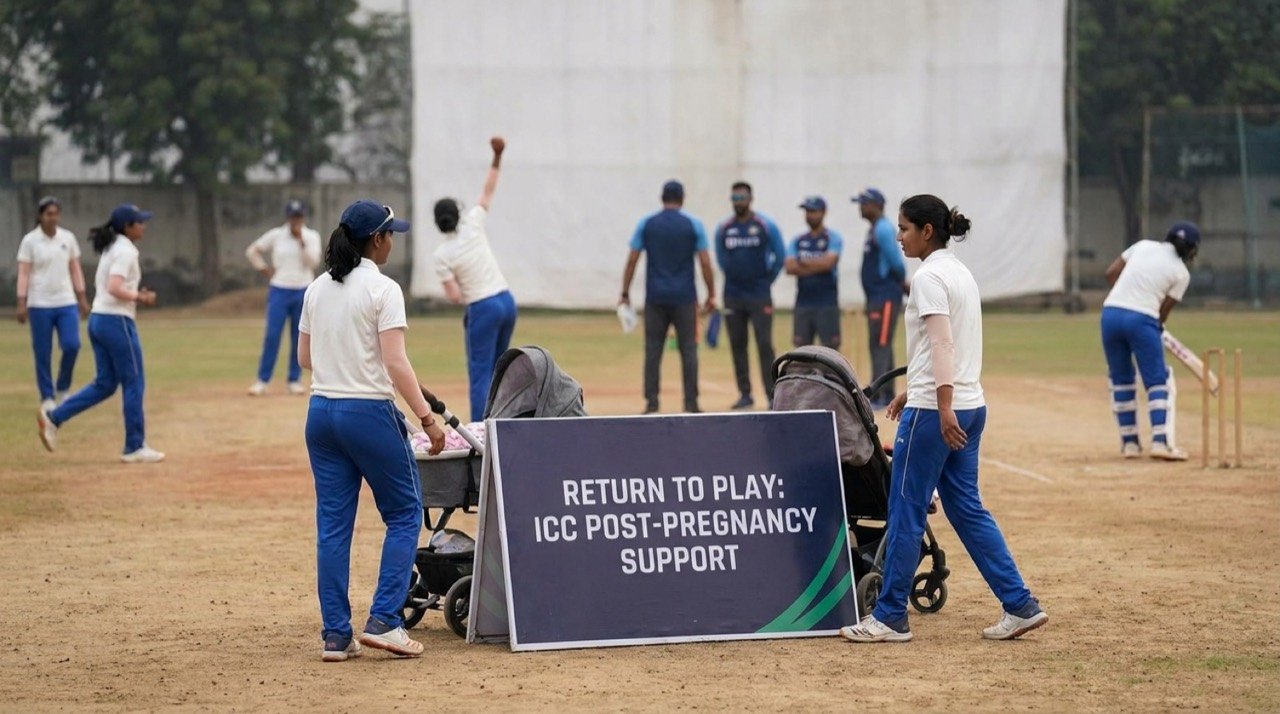
Deepika Padukone Backs ICC Maternity Return Policy for Women Cricketers
Actor Deepika Padukone has welcomed the ICC's new post-pregnancy return-to-play guidelines, calling them a landmark step for women in sport that pairs motherhood with elite competitive careers.
India Beat England by Six Wickets in First ODI as Axar Patel Delivers Match-Winning All-Round Show
India chased 259 at Edgbaston to beat England by six wickets, led by Axar Patel's 4/62 and unbeaten 57, Shubman Gill's 80 and Washington Sundar's 52 not out.
PV Sindhu in Focus on World Badminton Day as India Eyes New First
World Badminton Day turned the spotlight on PV Sindhu, with fresh coverage placing the two-time Olympic medallist on the brink of another historic first and underlining how far Indian badminton has travelled.

Axar Patel Becomes First Indian Spinner With 100 T20I Wickets
Axar Patel reached 100 T20 international wickets in the second T20I against England, becoming the first Indian spinner to hit the mark and cementing his standing as one of India's most durable white-ball performers.
More from this section
More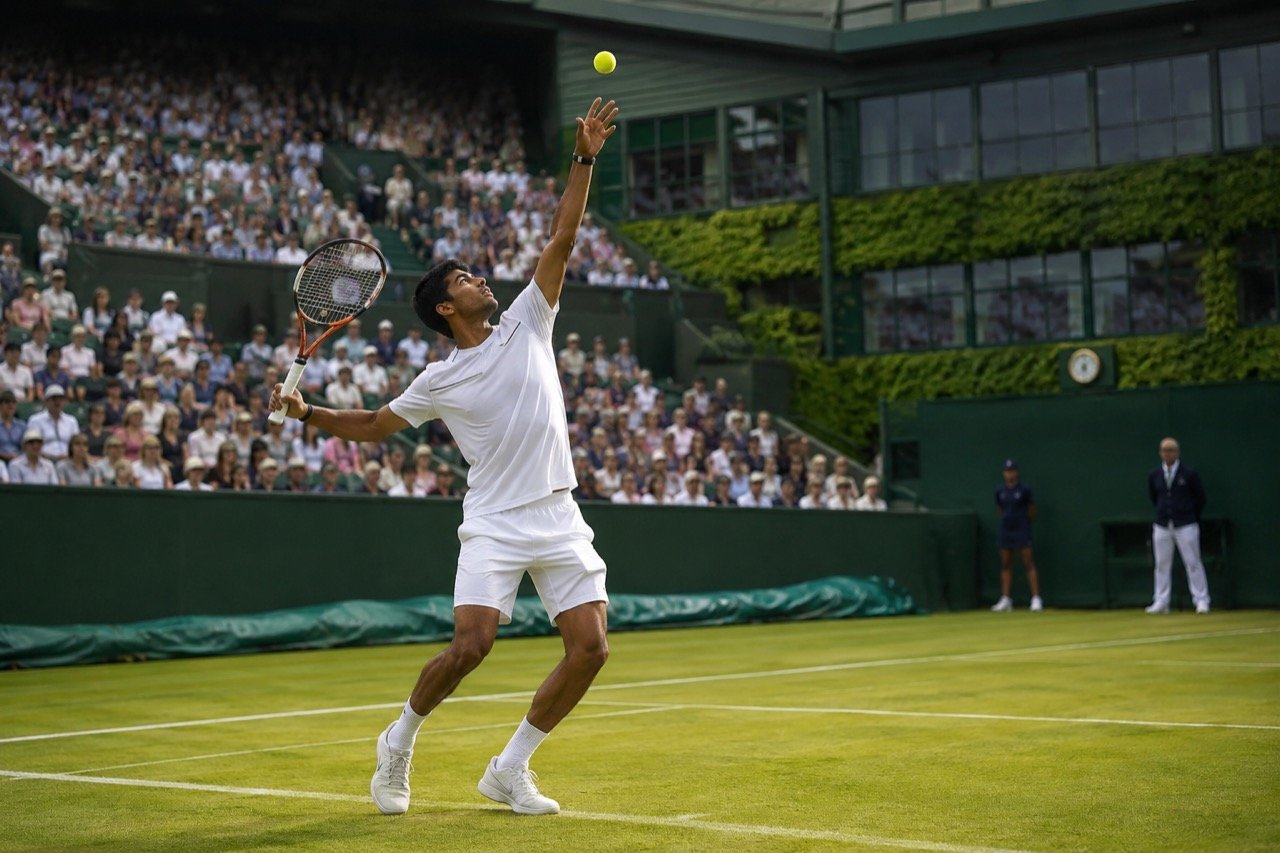
Arnav Paparkar Advances at Wimbledon Boys' Singles in Boost for India
Indian junior Arnav Paparkar has moved into the second round of the Wimbledon boys' singles with a commanding serving display, handing Indian tennis a rare and encouraging grass-court result at the sport's biggest stage.
Axar Patel Becomes First Indian Spinner With 100 T20I Wickets
Axar Patel reached 100 T20 international wickets in the second T20I against England, becoming the first Indian spinner to hit the mark and cementing his standing as one of India's most durable white-ball performers.
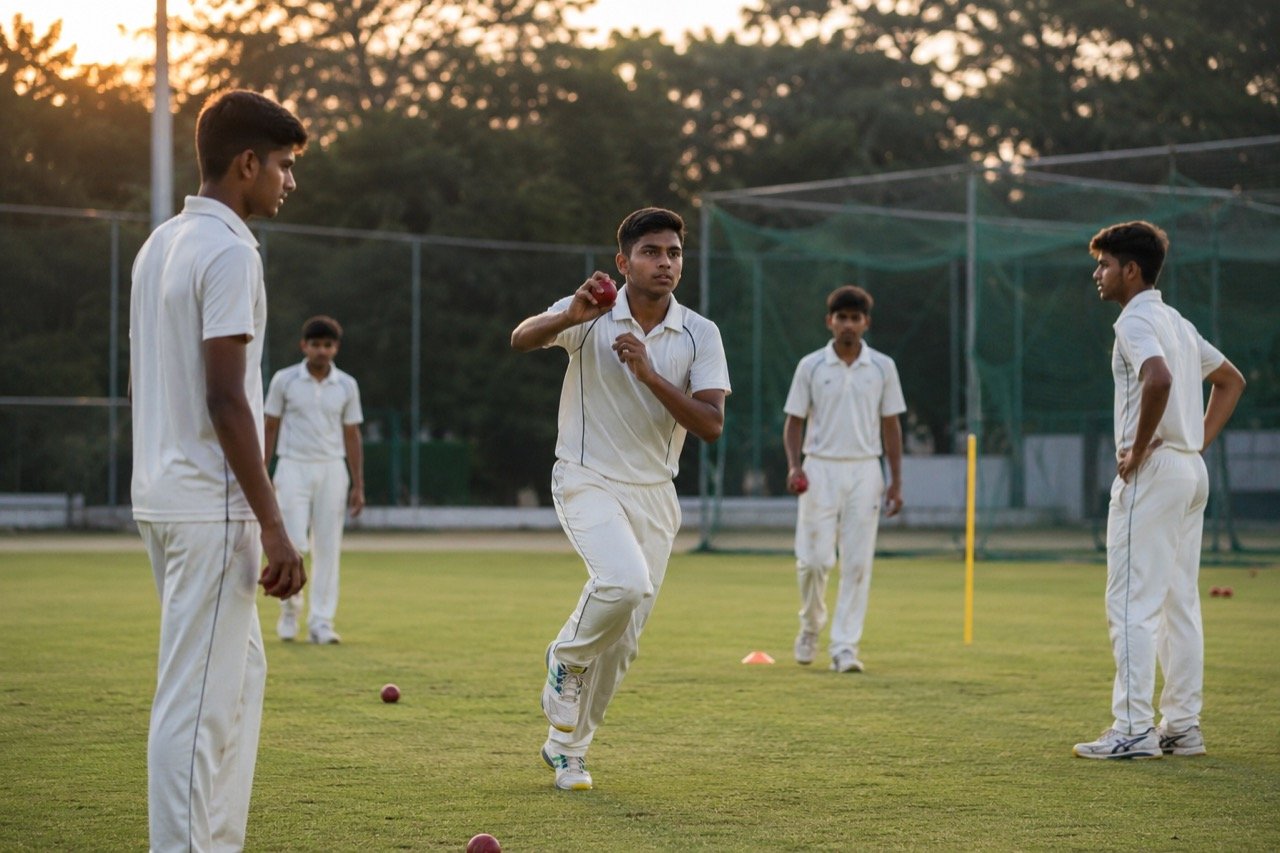
BCCI Emerging Men's Tournament to Hunt Test Prospects in Bengaluru
The BCCI's red-ball Emerging Men's Tournament, running at the Centre of Excellence in Bengaluru through July, is designed to give selectors a longer, harder look at India's next generation of Test cricketers.