Maharashtra Orders Statewide Blood Centre Checks After FDA Shutdowns
After the Food and Drug Administration shut two blood centres, Maharashtra has ordered inspections of every facility in the state, putting blood-bank safety, licensing and public trust in health infrastructure under fresh scrutiny.
The NE Times Health Desk
Commentary & Analysis ·

Maharashtra has directed inspections of all blood centres across the state after its Food and Drug Administration shut down two facilities, according to public reports. The sweep puts blood-bank regulation back under the spotlight and raises pointed questions about licensing, safety standards and public confidence in health infrastructure.
Blood centres sit at one of the most sensitive junctions in healthcare. They underpin emergency care, surgery, cancer treatment, complicated childbirth and accident response. A lapse in screening, storage, documentation or licensing at even one facility can ripple far beyond its walls — which is why a statewide inspection order commands attention from hospitals, patients and regulators alike.
Isolated lapses or a systemic problem?
The inspection drive is best read as a public-health governance move rather than routine paperwork. Comprehensive checks can establish whether the failures found at the two shuttered facilities were one-off breaches or symptoms of wider weakness — particularly at smaller centres that may lack the staff, equipment and compliance culture needed to operate safely.
The trust question
For patients, the core issue is trust. Few people ever see the chain of collection, testing, storage and distribution behind a unit of blood; they simply assume regulation makes it safe. When facilities are closed, authorities owe the public clear communication about what was found, what corrective action is required and whether blood supply will be affected in the meantime.
The broader lesson is that healthcare quality depends on constant supervision rather than crisis response. A transparent inspection drive can genuinely strengthen the system — but only if it ends in corrective action, updated records and durable compliance.
The NE Times View
Maharashtra has done the right thing by widening the net, but the real test starts now. Inspection orders in India too often produce headlines first and follow-through later, with findings buried in files while deficient facilities quietly resume operations. The state should publish what its inspectors find, set deadlines for remediation and be willing to keep unsafe centres closed even when that is inconvenient. Blood safety is one area where the public's tolerance for regulatory theatre should be zero — a single contaminated unit can destroy a life and, with it, faith in the entire system.
This article is original commentary and analysis by The NE Times. Background facts were referenced from Indian Express.
You may also like to read
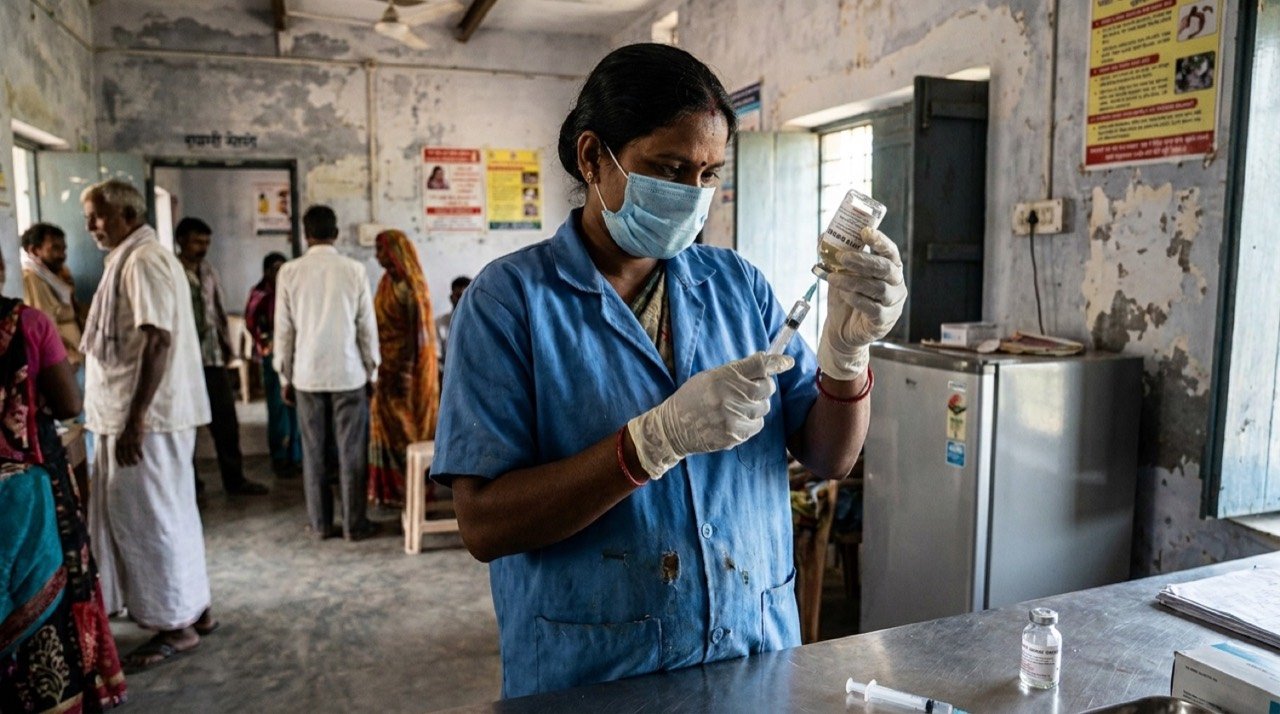
Pune Toddler's Death Renews Focus on India's Snakebite Reporting and Treatment Rules
A cobra bite that killed a toddler in Pune district has reopened questions about hospital reporting, fast anti-venom access and the deadly cost of delayed treatment in rural India.
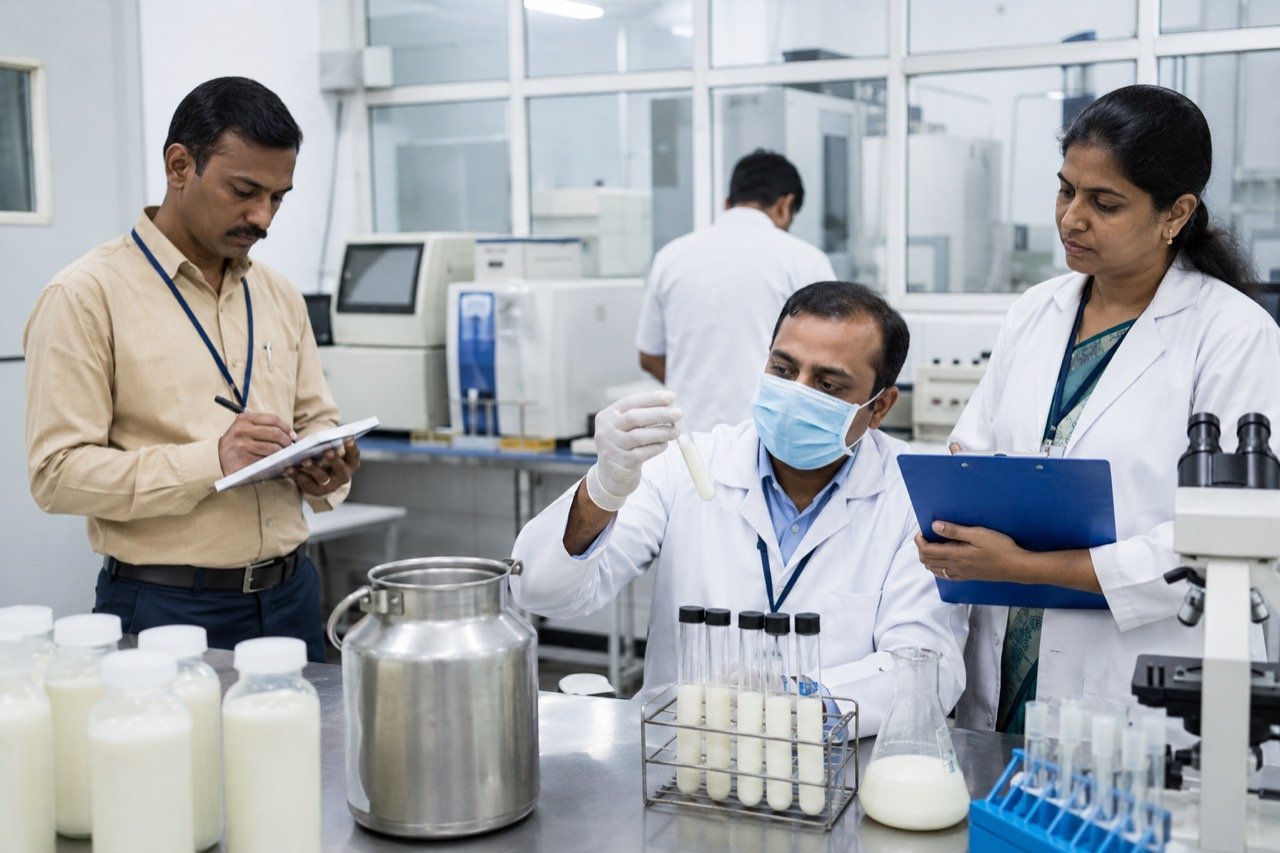
Maharashtra Milk Crackdown Puts Food Safety Back on the Agenda
Enforcement drives against milk adulteration in Maharashtra have revived public debate on food quality, spotlighting the need for regular testing, supply-chain vigilance and consumer awareness across India's most-consumed daily staple.
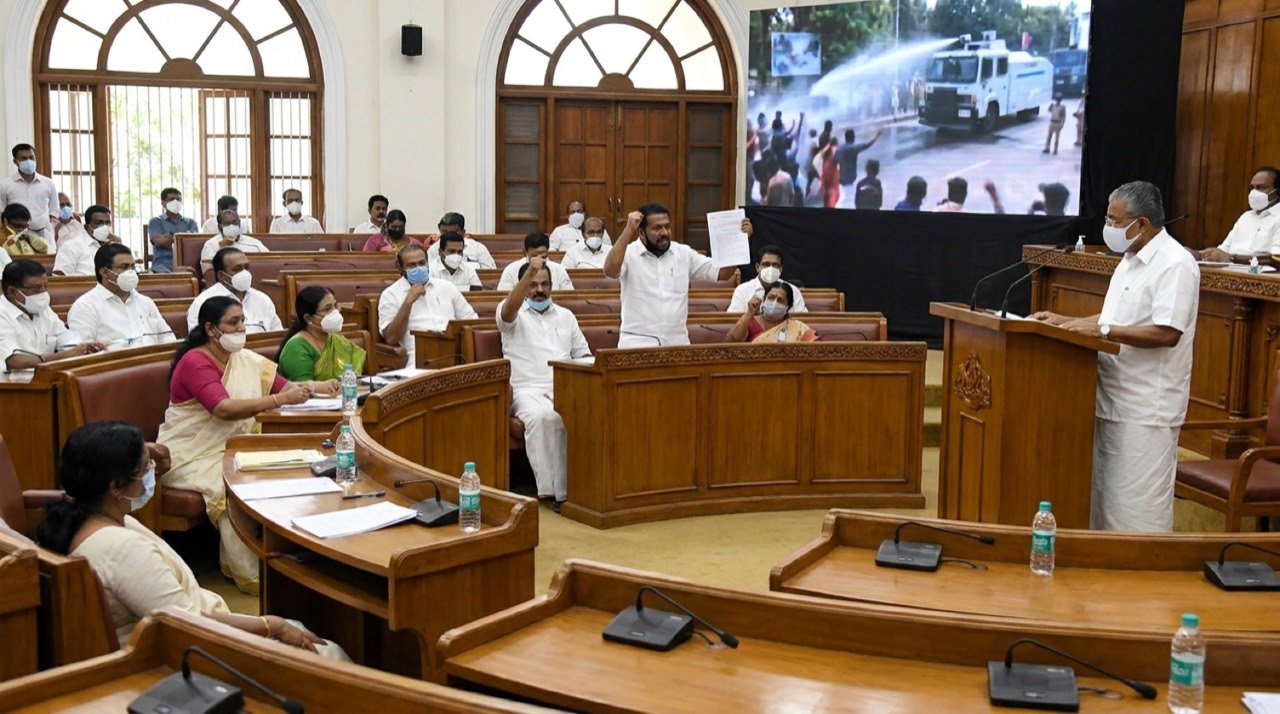
Kerala Water Cannon Row Raises Questions Over Protest Policing and Public Health
A bottle held up inside the Kerala Assembly has turned a student protest into a wider debate over police crowd-control methods, water quality and official accountability.
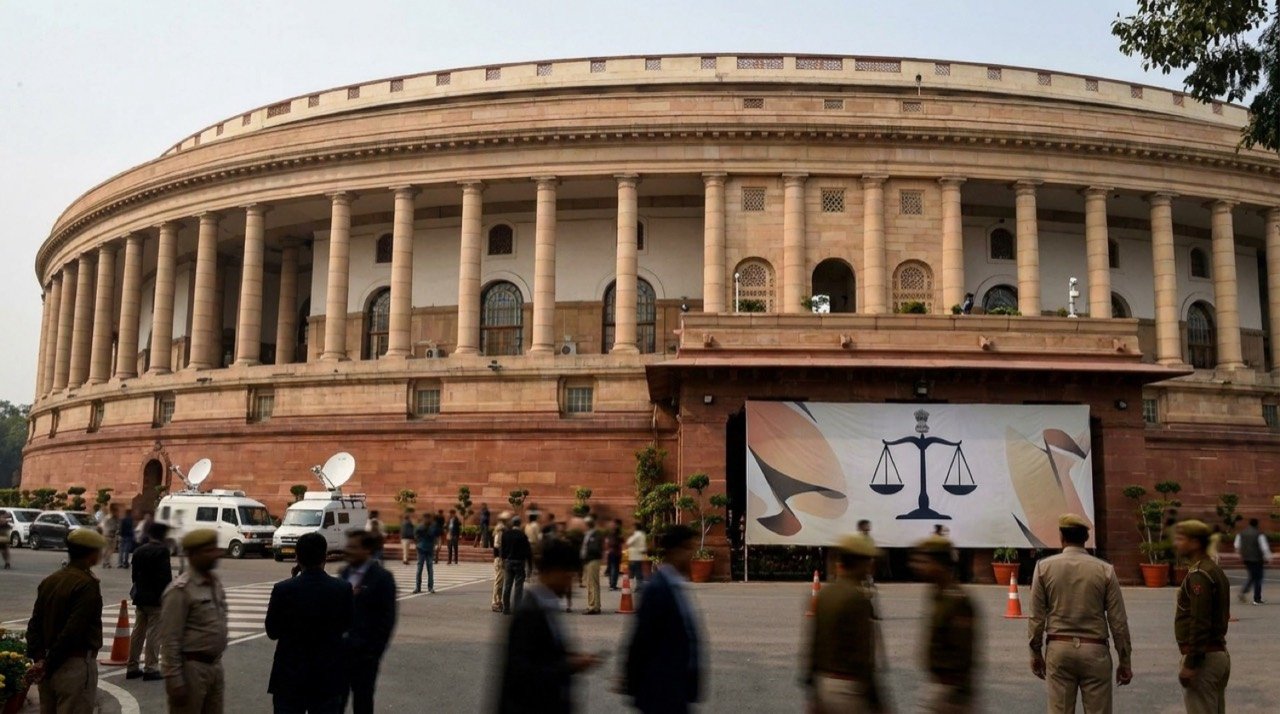
Sena UBT Defections Await Speaker's Recognition in Fresh Maharashtra Twist
A reported bid by six Shiv Sena UBT MPs to be recognised as a separate group has opened a new front in Maharashtra's party-split politics, with the Lok Sabha Speaker's call now pivotal.
More from this section
More
Aarogya Setu 2.0 Returns as India's Personal Health Record App
The pandemic-era contact tracing app has been relaunched as a personal health record platform, betting that portable medical data can find a place in India's growing digital health ecosystem.
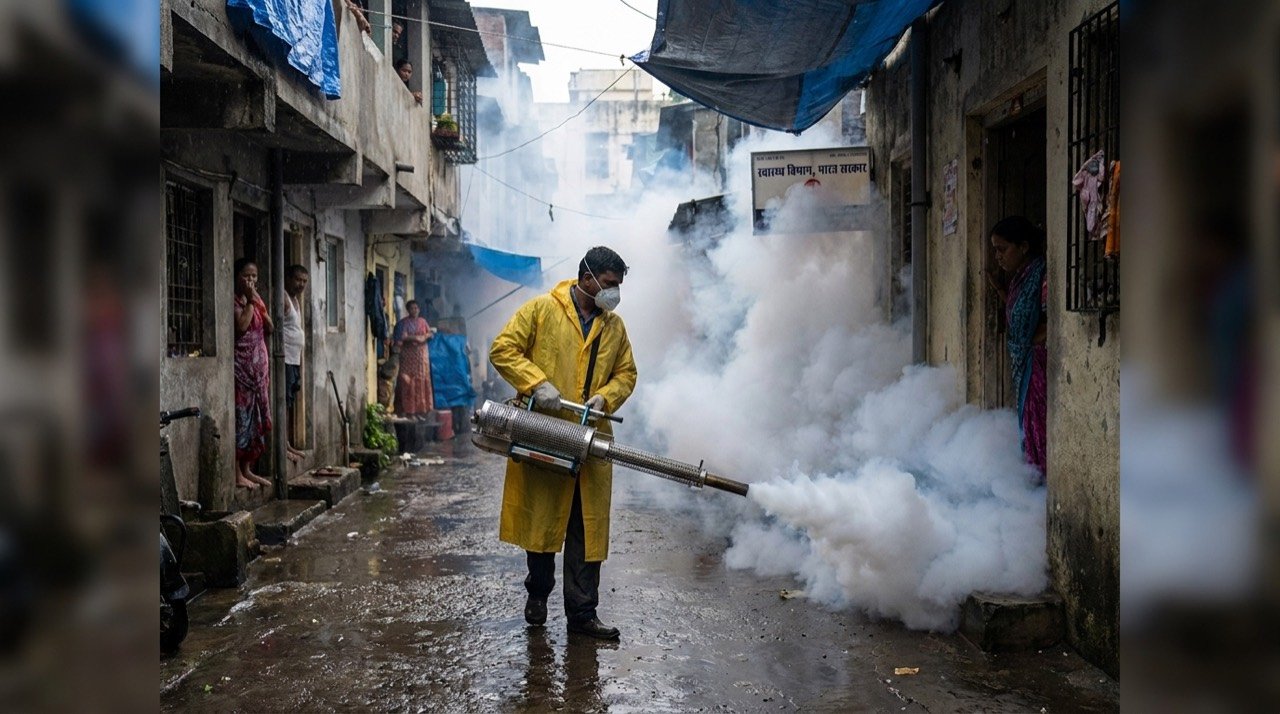
India Braces for Monsoon Disease Season as Cities Ramp Up Vector Surveillance in 2026
With dengue, malaria and chikungunya cases historically peaking after the rains, civic bodies led by Delhi are activating sentinel hospitals and stepping up mosquito control ahead of the dangerous monsoon months.
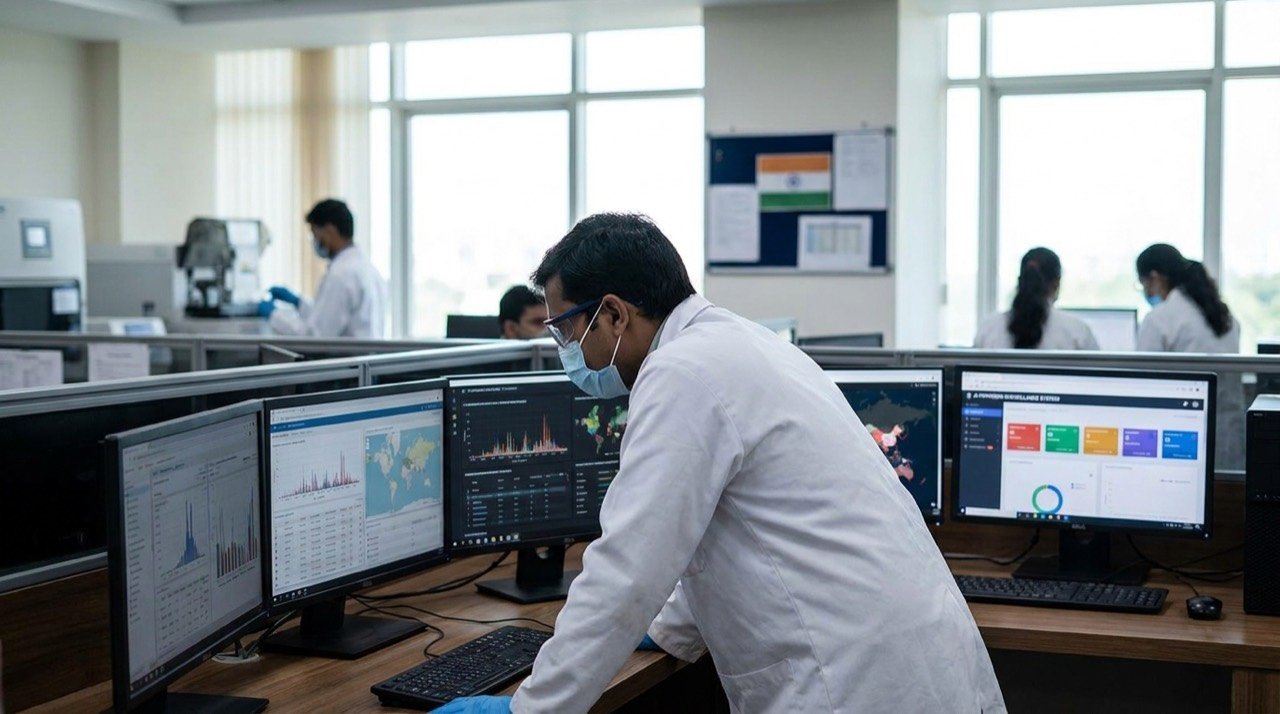
India Bets on AI to Catch the Next Outbreak Under One Health Mission in 2026
Drawing on the hard lessons of COVID-19, the ICMR is inviting proposals for AI systems to detect emerging pathogens across people, animals and the environment, in a bid to predict outbreaks rather than react to them.