Maharashtra Milk Crackdown Puts Food Safety Back on the Agenda
Enforcement drives against milk adulteration in Maharashtra have revived public debate on food quality, spotlighting the need for regular testing, supply-chain vigilance and consumer awareness across India's most-consumed daily staple.
The NE Times National Desk
Commentary & Analysis ·
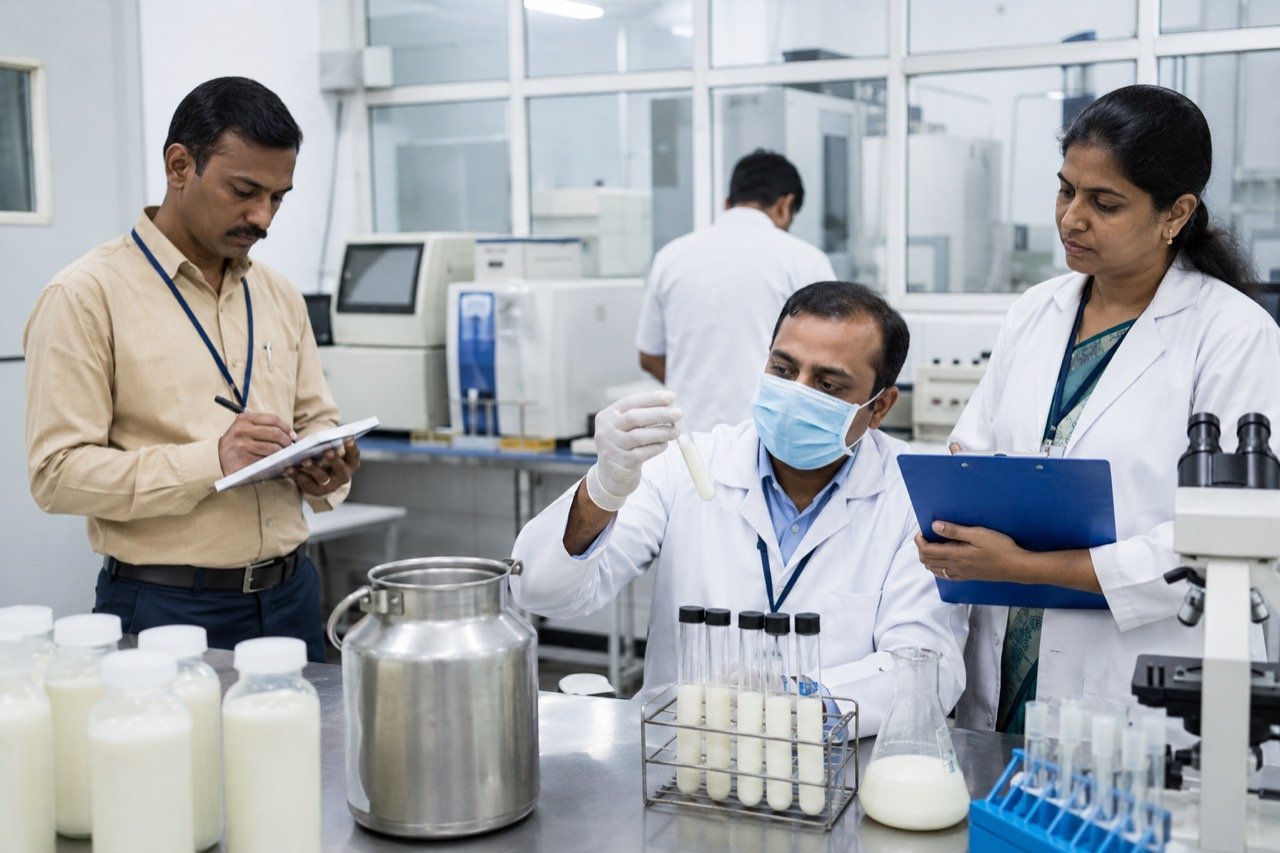
Milk quality has re-entered Maharashtra's civic conversation after a spell of enforcement action and official messaging around adulteration and testing. Civic coverage of the drive has served as a reminder that food safety is not a niche regulatory matter but a household concern cutting across income groups.
Why milk is the front line
Milk is among the most widely consumed daily products in Indian homes, which means any lapse — adulteration, contamination or mislabelling — can escalate into a public-health problem with unusual speed. Effective enforcement depends on routine sampling, adequate laboratory capacity, transparent reporting of results and visible action against violators.
Crucially, quality control cannot stop at the retail counter. The integrity of milk has to be protected across the entire supply chain: at collection centres, in transport, during processing, and in retail storage. A failure at any single link undermines the rest.
The economics of trust
There is an economic dimension too. When adulteration scandals erode public trust, it is honest dairy farmers and small vendors who pay the price alongside consumers. Robust, well-publicised testing regimes protect households while shoring up the credibility of legitimate producers — a rare policy where consumer and producer interests align.
The NE Times View
Periodic enforcement blitzes make headlines, but food safety is won through boring consistency, not seasonal crackdowns. Maharashtra should treat this moment as an opportunity to institutionalise what works: publish sampling data on a regular schedule, expand accredited lab capacity beyond the big cities, and make penalties swift enough to change commercial behaviour. Residents, for their part, can amplify enforcement by buying from reliable suppliers and reporting suspect products through official channels. The lesson for the rest of India is straightforward — regulation and public awareness are strongest when they move together, and milk is the right place to prove it.
This article is original commentary and analysis by The NE Times. Background facts were referenced from Indian Express.
You may also like to read
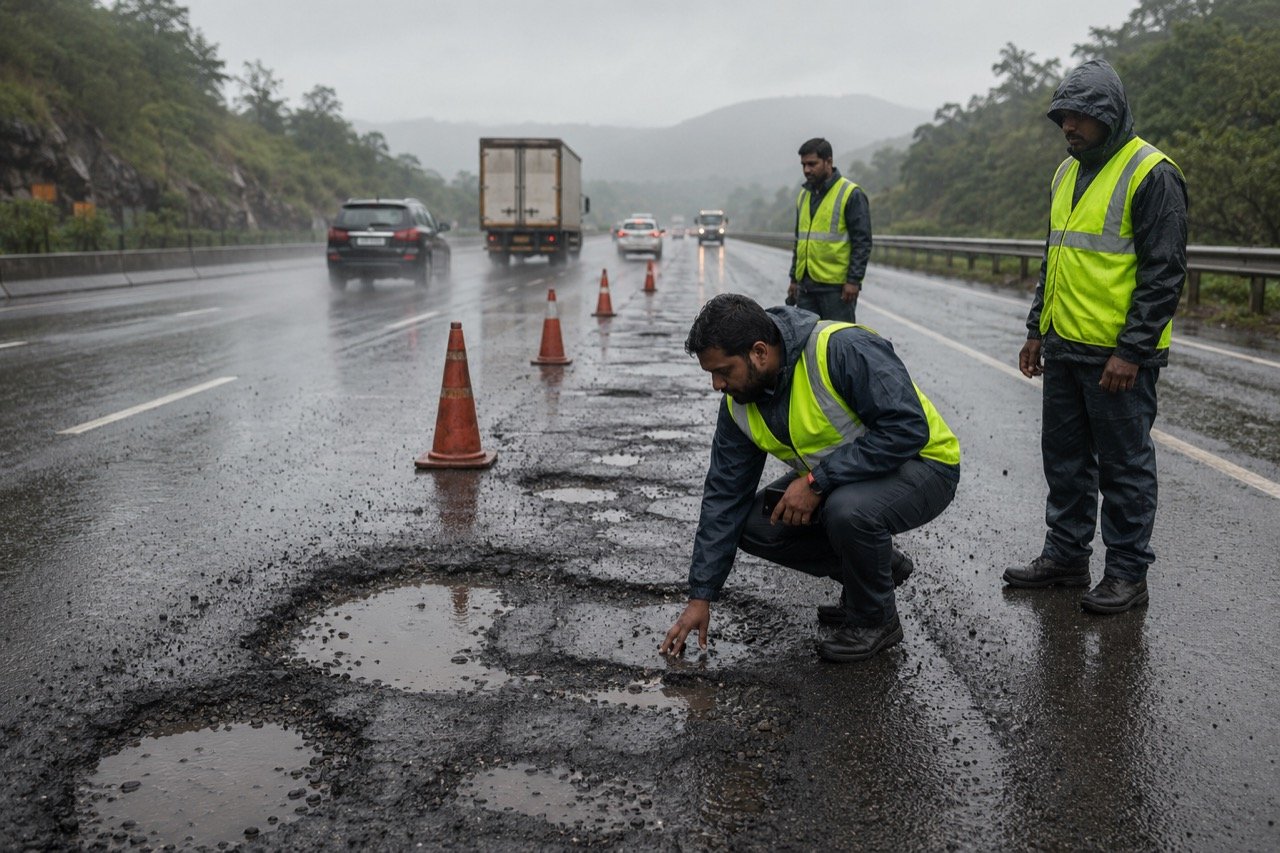
Expressway Pothole Row Puts Maharashtra Road Upkeep in Spotlight
Chief Minister Devendra Fadnavis' reported claim that the Pune-Mumbai Expressway has only two potholes has escalated a monsoon maintenance complaint into a statewide debate over highway accountability.
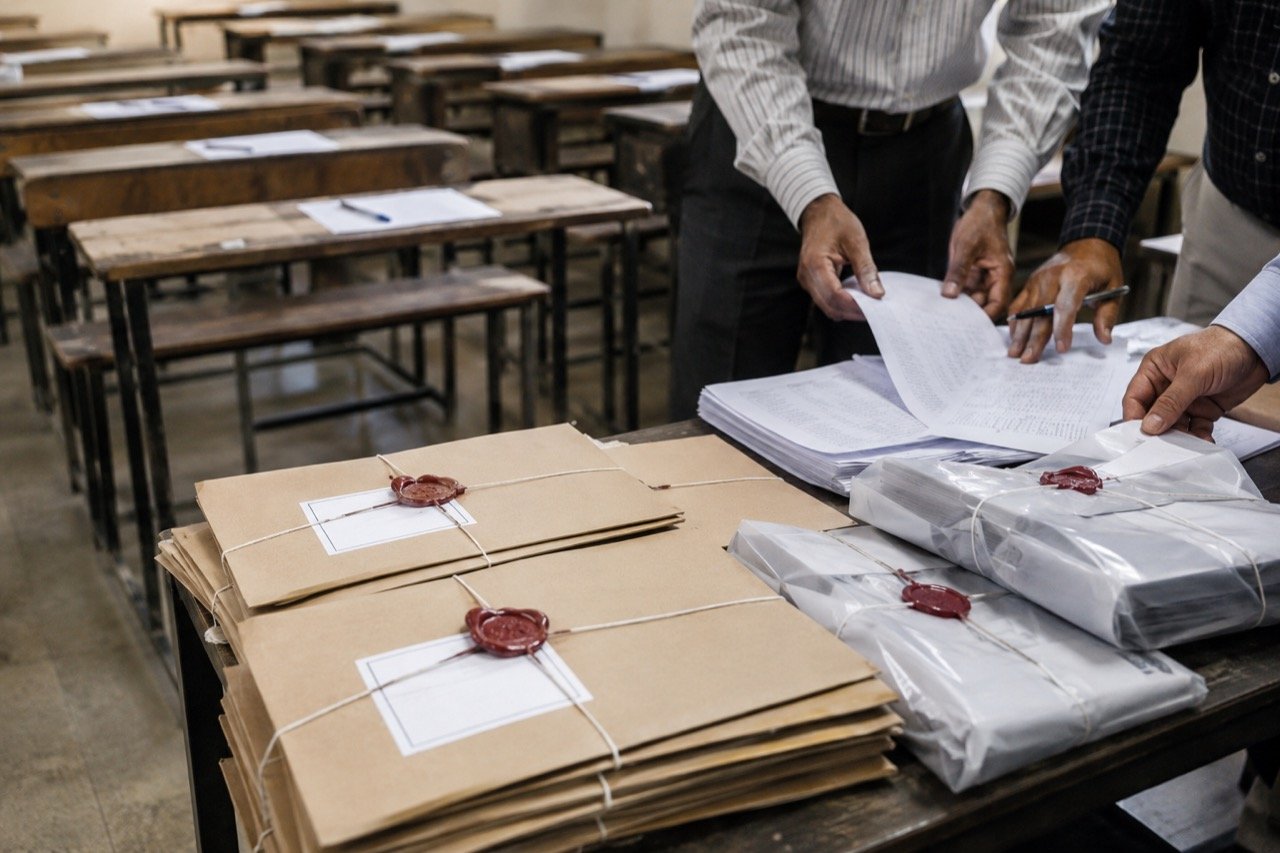
Maharashtra Weighs MCOCA Charges In TET Paper Leak Crackdown
Maharashtra may invoke the stringent organised crime law MCOCA against those accused in the TET exam paper leak, while a chief secretary-led panel examines whether state exams should move online.

Parbhani Temple Roof Collapse Kills Several, Reigniting Questions Over Construction Safety at Religious Sites
A roof section at an under-construction temple in Maharashtra's Parbhani district collapsed during a gathering, killing at least five to six devotees and injuring many more, exposing gaps in construction oversight.

Maharashtra Clears AI Policy 2026, Targeting Rs 10,000 Crore And 1.5 Lakh Jobs
The Fadnavis cabinet has approved an ambitious artificial intelligence framework promising centres of excellence, innovation cities, a GPU pool and a startup fund to position the state at the front of India's AI race.
More from this section
More
Ahmedabad Bullet Train Station Gets Kite-Inspired Multimodal Hub Plan
Ahmedabad's bullet train station is set to be developed as a multimodal transport hub with a kite-inspired design, giving India's high-speed rail project a distinctive urban landmark rooted in local identity.
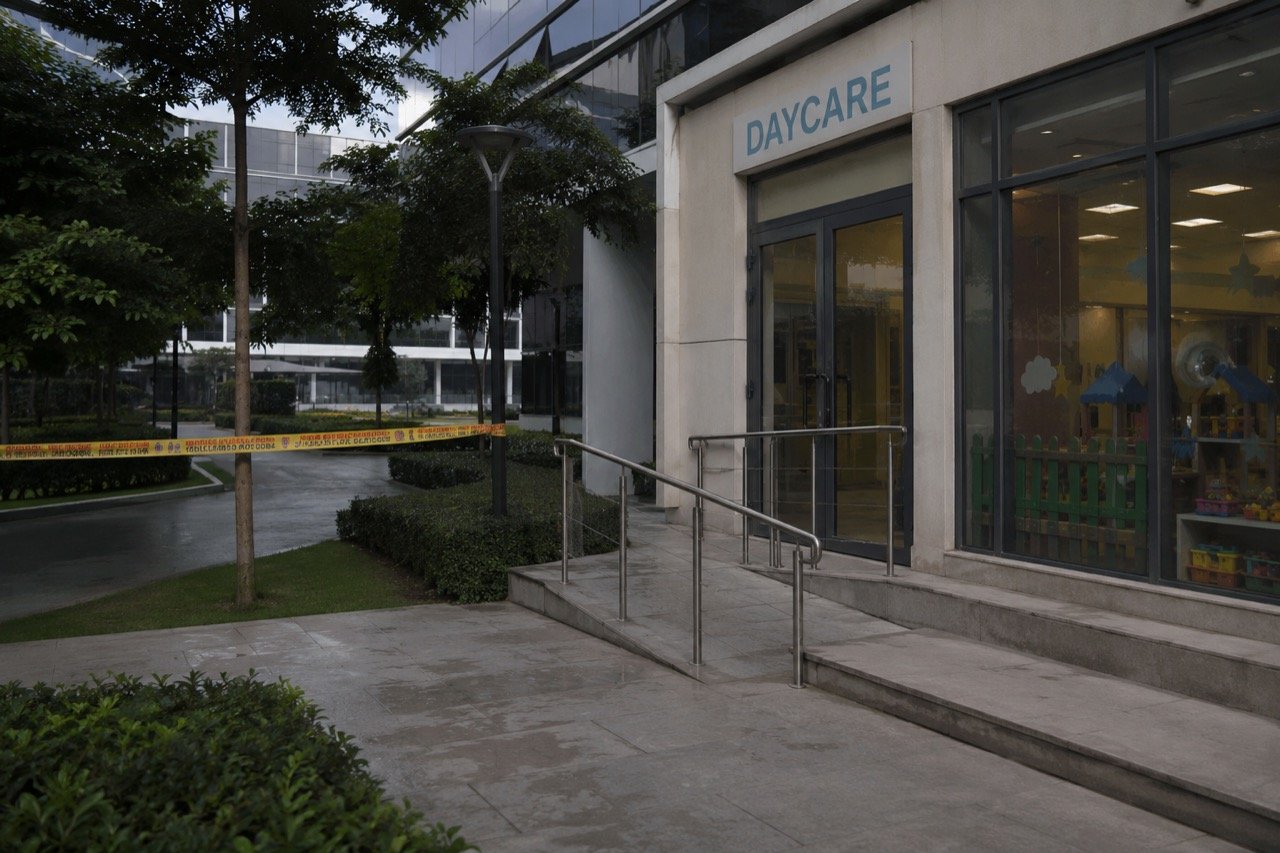
Arrest in Bengaluru Daycare Case Deepens Child Safety Questions
Bengaluru police have arrested a woman connected to the daycare case at a Capgemini campus facility, sharpening scrutiny of caregiver vetting, oversight and accountability at workplace-linked childcare centres.

Assam Case Shows PAN and Voter Cards Are Not Citizenship Proof
A man declared a foreigner in Assam despite holding multiple identity documents has highlighted a crucial legal distinction: everyday IDs establish identity, not citizenship, when a person's legal status is challenged.