Lock Upp’s Confession Economy: Is Personal Trauma Becoming Game Currency?
Lock Upp repeatedly turned secrets, family conflict, abuse disclosures and relationship revelations into central episode material, raising a
Commentary & Analysis ·

Key facts
- Multiple contestants made sensitive personal disclosures during the season.
- Promos and news coverage often elevated those moments as headline events.
- There is no basis to assume a disclosure is strategic merely because it occurs in a game show.
Overview
Lock Upp repeatedly turned secrets, family conflict, abuse disclosures and relationship revelations into central episode material, raising a larger editorial question about welfare and entertainment. This article examines the comparison and media analysis in full, using the latest verifiable information available at the editorial cut-off of 29 July 2026. The central question is not only what happened, but why the development matters inside Lock Upp: Sach Ya Sazaa and the wider Indian streaming market. Because OTT reality and entertainment stories often move through short clips, fan accounts and promotional interviews, the report keeps confirmed facts, attributed claims and interpretation in separate lanes.
What is confirmed
The strongest confirmed points are these: Multiple contestants made sensitive personal disclosures during the season. Promos and news coverage often elevated those moments as headline events. There is no basis to assume a disclosure is strategic merely because it occurs in a game show. Those details create the factual spine of the story. They are stated near the top because readers arriving mid-story usually need immediate clarity. Where an announcement comes from a platform or production house, it is identified as a company statement; where the information comes from entertainment reporting, it remains attributed to that report rather than being upgraded into an official declaration.
Timeline and context
The development belongs to a longer timeline rather than a single viral moment. Lock Upp: Sach Ya Sazaa has been shaped by casting announcements, episode drops, wildcard entries, exits, public reactions and rapid changes in audience attention. In the case of Lock Upp’s Confession Economy: Is Personal Trauma Becoming Game Currency?, the important context is how the event follows earlier storylines and alters what viewers expect next. A useful chronology runs from the original launch or casting information, through the episode or report that triggered the current interest and the immediate reaction, to any later clarification. This prevents a recycled clip from being mistaken for a new event.
Why audiences are searching
The value lies in connecting the event to format design, audience behaviour and streaming strategy. The practical questions are answered first here, followed by the emotional, strategic or industrial significance, with the platform, status and central development kept in front rather than buried beneath speculation. Readers also tend to compare the story with Bigg Boss, The Traitors, Khatron Ke Khiladi and other familiar franchises, so a short comparison can improve understanding without implying that all formats use the same rules.
People, power and editing
Reality programming turns private conversation into public material, and editing can compress hours of interaction into a few minutes. That makes power, consent and context central to responsible coverage. Participants may be speaking competitively, emotionally or performatively, while hosts and producers control tasks, episode structure and access to outside information. For this story, what can honestly be described is the observable action and the attributed response; a contestant’s private intention, mental state or off-camera behaviour is not knowable unless independently documented.
What the story means for the show
Within Lock Upp: Sach Ya Sazaa, the development can affect alliances, audience sympathy, episode promotion and the perceived credibility of the format. A launch or casting story builds expectations; an exit changes game arithmetic; a personal disclosure tests the programme’s welfare standards; and a controversy tests whether the show provides context and a meaningful right of reply. Even when the incident does not change formal rules, it can change which contestants dominate conversation and which clips platforms use to bring viewers back between full episodes.
OTT and business implications
For streaming platforms, unscripted and personality-led shows are valuable because they generate frequent episodes, social discussion and searchable names. The commercial aim is not simply one premiere-night audience. It is repeated engagement across clips, interviews, companion content and news coverage. Lock Upp’s Confession Economy: Is Personal Trauma Becoming Game Currency? illustrates how a single development can travel beyond the programme into entertainment desks, influencer pages and fan communities. That visibility can support retention, but it also raises the cost of weak verification or insensitive promotion because errors spread at the same speed as successful clips.
Verification and fairness
The standard applied to this story: clearly label interpretation and avoid turning correlation into proof. Quotations should be short and accurately attributed. Allegations must not be written as findings. Personal disclosures involving health, sexuality, abuse, family conflict or bereavement require restrained language and no unnecessary detail. Reported guest appearances, contestant negotiations and future seasons must be labelled “reported” until a platform or authorised representative confirms them. If later reporting contradicts an early account, the correction belongs in plain sight rather than in a silent rewrite.
What happens next
The next meaningful update may come from a new episode, a platform promo, a participant’s verified account, an interview, an elimination, or an official slate announcement. Watch for whether the show directly addresses the issue, whether the people involved offer clarification, and whether the development changes casting or episode structure. For release and industry stories, the key signals are a dated platform announcement, a trailer, a title page, a production-completion update or a measurable performance statement with a clearly identified source.
Conclusion
Lock Upp’s Confession Economy: Is Personal Trauma Becoming Game Currency? is best understood as a specific, documented development inside a much larger OTT news cycle. The interest is real, but a useful report does more than repeat a viral headline. It tells readers what is confirmed, where the information came from, how the development fits the programme, what remains uncertain and what to monitor next. That combination of speed, context and restraint creates an article that can rank for current interest without becoming misleading when the story evolves.
Sources
- Harshad Chopda discloses childhood sexual assault
- Shreya Kalra discloses childhood abuse
- Shilpa Shinde discusses family estrangement
- Ram Kapoor discusses helping his father plan his final days
- Alliance
This article is original news analysis and commentary by The NE Times, based on reporting from the sources listed above.
You may also like to read

Lock Upp 2 Reported Top Five Finalists Leak: What Is Confirmed and What Is Not
A media report published on 28 July said the Lock Upp 2 race had reportedly narrowed to five finalists after a media-round shoot

Gautami Kapoor Apologises Over Ram Kapoor’s Hugs and Kisses: The Lock Upp Consent Debate Reopens
Gautami Kapoor entered Lock Upp during the family segment and apologised on behalf of Ram Kapoor to women who may have felt uncomfortable with his hugging and forehead-kissing

Gaurav Khanna’s Lock Upp Visit: Conflicting Marriage Narratives Explained
Gaurav Khanna entered Lock Upp as a special visitor to meet Akanksha Chamola, placing competing public narratives about their marriage inside
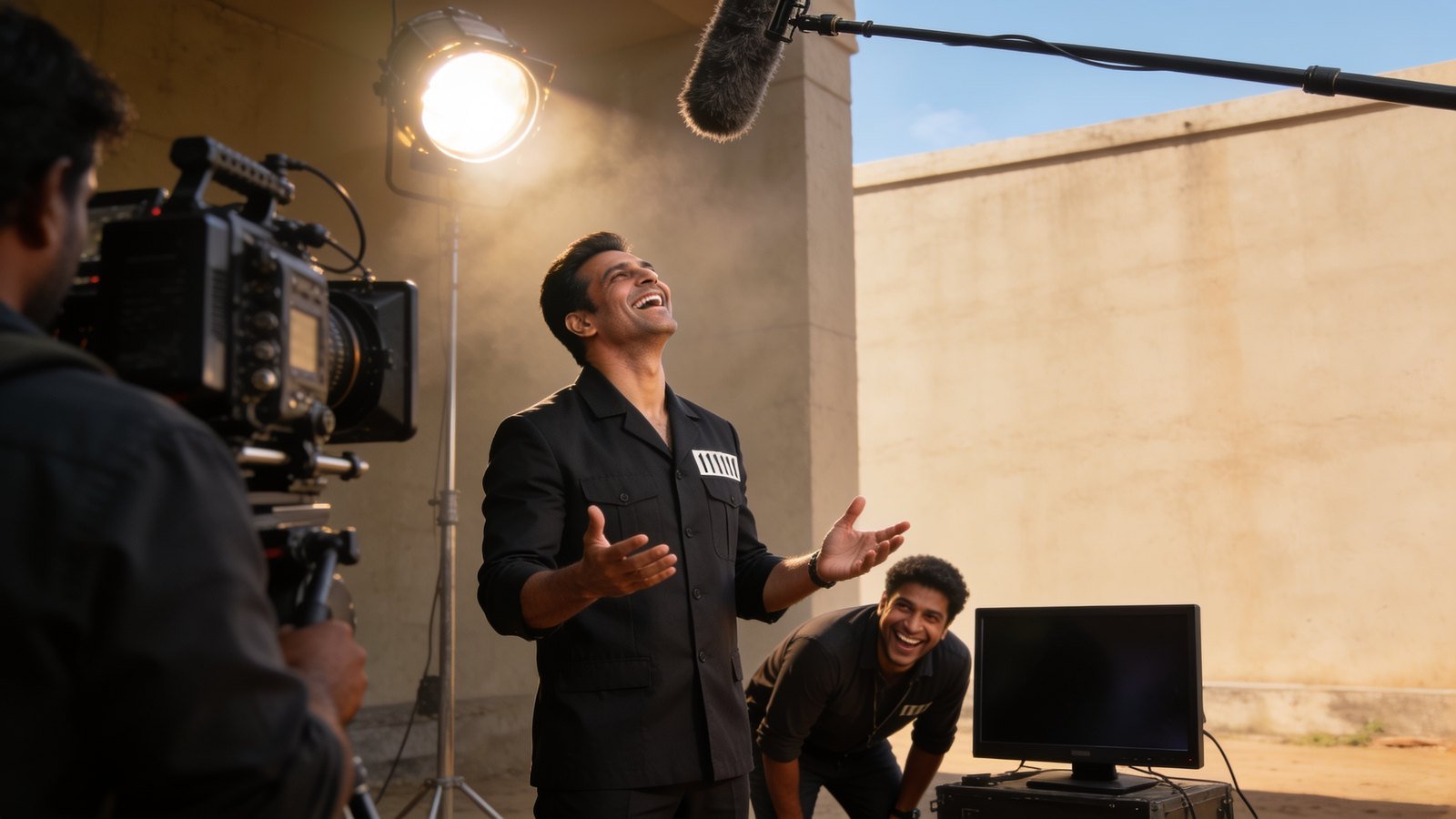
Riteish Deshmukh’s Ravi Kishan Joke Connects Lock Upp and Alliance
A joke by Riteish Deshmukh involving Ravi Kishan became a cross-franchise moment because Lock Upp and Alliance were competing for the same
More from this section
More
Netflix’s Indian Unscripted Strategy: Lock Upp, Desi Bling and Kapil Sharma
Netflix is building a wider Indian unscripted portfolio through captive reality, luxury docu-soap storytelling and a long-running comedy-talk

Alliance Versus Lock Upp: Which Reality Format Is Winning and Why?
Lock Upp and Alliance launched into the same crowded OTT-reality conversation but offered different engines: captive confession and punishment

‘Rise and Fall’: Ashneer Grover’s Hierarchy Game Is Reality TV as Class Warfare
Most reality shows pretend everyone starts equal.