Kharif sowing gap narrows to 16 per cent as rains revive, but soybean and cotton stay deep in deficit
India's Supreme Court imposed Rs 3 lakh costs on Samay Raina, Ranveer Allahbadia and Ashish Chanchlani after finding non-compliance with directions in a disability-related case.
Commentary & Analysis ·

Verified key facts
- Total kharif area stood at 350.85 lakh hectares as of 5 July 2026, down 20.8 per cent from 442.80 lakh hectares a year earlier
- The acreage gap narrowed to about 16 per cent in the week ended 10 July as rainfall improved, Business Standard reported
- Soybean area fell nearly 40 per cent to 47.80 lakh hectares; cotton dropped 23 per cent to 63.18 lakh hectares
- The national rainfall deficit improved from about 40 per cent in June to around 20 per cent by 6 July
- The Centre is holding a seed reserve of about 1.75 lakh quintals and pushing Kisan Credit Card enrolment
Sowing gap narrows but stays wide
Kharif sowing accelerated in the week ended 10 July 2026 as rainfall improved across the main growing belts. Business Standard reported that the gap with last year's acreage narrowed to about 16 per cent, from almost 21 per cent in the week ended 5 July. The recovery is real but partial, and farmers are working with a shrunken window for several major crops.
Union agriculture ministry data showed total kharif area at 350.85 lakh hectares as of 5 July, against 442.80 lakh hectares a year earlier, according to Rural Voice. That shortfall of nearly 92 lakh hectares set the baseline for the current catch-up phase.
The kharif season, sown with the summer rains and harvested from October, accounts for roughly half of India's annual foodgrain output. It also carries nearly all of the country's soybean, cotton and groundnut production. A slow start therefore ripples through edible oil, feed and textile markets.
Oilseeds and cotton bear the brunt
The decline is not evenly spread. Soybean, the largest kharif oilseed, fell to 47.80 lakh hectares from 79.20 lakh hectares, a drop of nearly 40 per cent, the ministry data cited by Rural Voice showed. Groundnut acreage was down about 39 per cent. Cotton fell 23 per cent, to 63.18 lakh hectares from 82 lakh hectares.
Paddy, the anchor foodgrain of the season, was about 9 per cent below last year as of 10 July, Business Standard reported. Pulses were down close to 22 per cent at the earlier count. Maize, at roughly 6 per cent below, held up best among the major crops.
The soybean lag matters beyond farm incomes. India imports over half its edible oil, and a weak domestic oilseed crop typically widens the import bill. The central soybean belt was among the regions where early-season rains disappointed most.
A delayed start, then a late surge
The season began badly. The cumulative rainfall deficit stood near 40 per cent in June before improving to about 20 per cent by 6 July, according to Rural Voice. Rain then spread across the sowing belts in the second week of July, letting farmers move quickly.
Sowing behaves non-linearly in such years. Once soil moisture arrives, planting compresses into days rather than weeks, which is why the acreage gap can close fast. A report by ICICI Bank economists, cited in regional coverage, expects the rainfall recovery to keep supporting kharif sowing through July.
Bizz Buzz reported that sowing momentum improved across most crop groups as rains spread, with officials expecting the gap to narrow further by late July. The ministry's weekly progress releases have become the market's main gauge of how much lost ground is being recovered.
What the government has deployed
The Centre has leaned on contingency measures rather than new schemes. Rozana Spokesman reported that the agriculture ministry is maintaining a national seed reserve of about 1.75 lakh quintals, positioned for re-sowing and for short-duration varieties if the planting window shrinks further.
Under the Khet Bachao Abhiyan run in June, more than 1.24 lakh outreach programmes reached over 80 lakh farmers with advisories on crop choice and water management, according to the same report. The ministry has also stepped up Kisan Credit Card enrolment so late-sowing farmers can finance inputs quickly.
The measures follow a familiar deficit-year playbook: keep seed moving, keep credit flowing and keep advisories current. What is different this year is the scale of early acreage loss, which at its peak exceeded 90 lakh hectares, and the speed at which officials say it is being clawed back.
What is at stake for output and prices
Acreage is not output, and July rains will decide how much of the early loss converts into lower production. Late-sown soybean and cotton typically yield less. Paddy is more forgiving, because transplanting extends into late July across the eastern belt.
The price channel is the one to watch. Edible oil imports respond within months to a weak soybean crop, and cotton arrivals shape textile margins by winter. Food price risk sits mainly in pulses, where the sowing gap remains large and import options are thinner.
- Total kharif area: 350.85 lakh hectares as of 5 July, down 20.8 per cent
- Gap narrowed to about 16 per cent by the week ended 10 July
- Soybean down nearly 40 per cent; cotton down 23 per cent; paddy about 9 per cent
- National seed reserve of about 1.75 lakh quintals on standby
The weeks that will decide the season
Two checkpoints lie ahead. The ministry's next weekly release will show whether the 16 per cent gap keeps shrinking. The end-July picture, once paddy transplanting peaks, will then fix the season's shape more or less irrevocably. A near-normal outcome is still possible for rice and maize; oilseeds have less room.
Nothing in the current data forces a supply emergency, but the margin for error has gone. A stall in the rains in late July would leave oilseeds and pulses with losses too large to recover. That would shift the policy debate from sowing support to import management.
Sources
- Business Standard - Kharif sowing picks up pace but acreage gap still remains big enough (13 July 2026)
- Rural Voice - India's kharif sowing area down 21 per cent as delayed monsoon hits farming (July 2026)
- Rozana Spokesman - Kharif sowing drops 16 per cent as weak monsoon hits agriculture: ministry data (14 July 2026)
- Bizz Buzz - Kharif sowing picks up pace as rainfall improves (July 2026)
You may also like to read
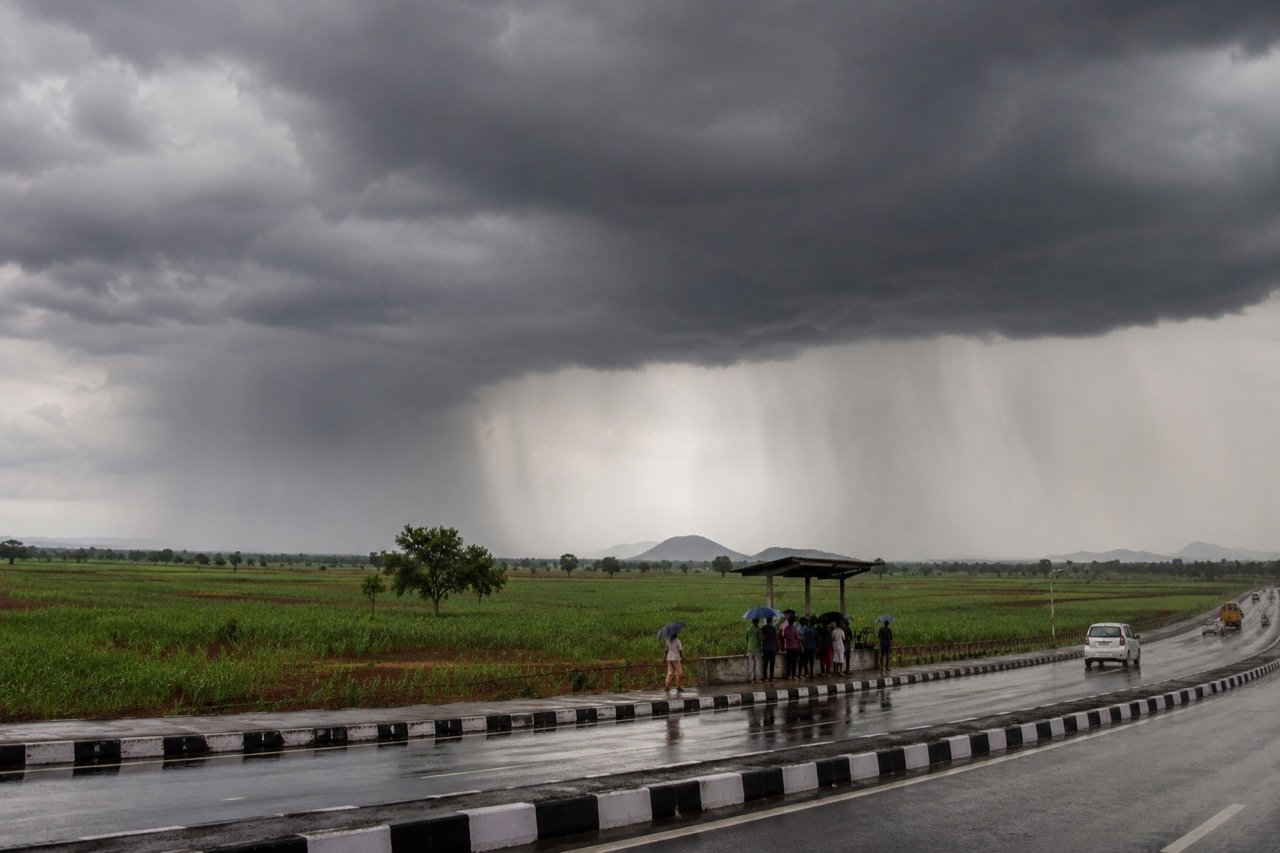
IMD Forecast: Active Monsoon Over Central India Narrows Rain Deficit
The IMD expects the southwest monsoon to stay active over central India for four to five days, driven by a Bay of Bengal low-pressure system that has sharply narrowed the season's rainfall deficit.
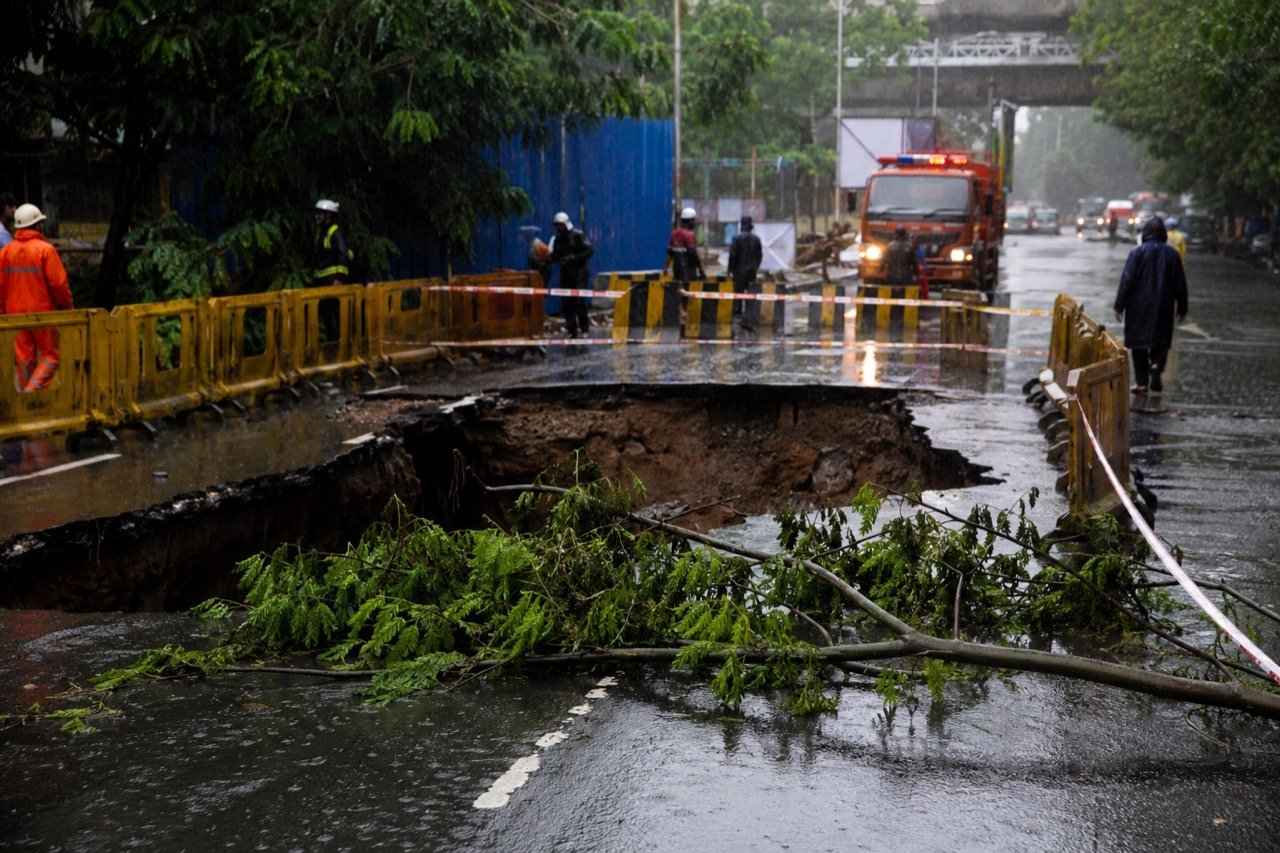
Mumbai Rains: Bhandup Road Cave-In Renews Monsoon Safety Fears
A stretch of LBS Marg in Bhandup West collapsed during intense monsoon rain, sending a vehicle into an excavation pit and reviving hard questions about Mumbai's construction safety and drainage readiness.
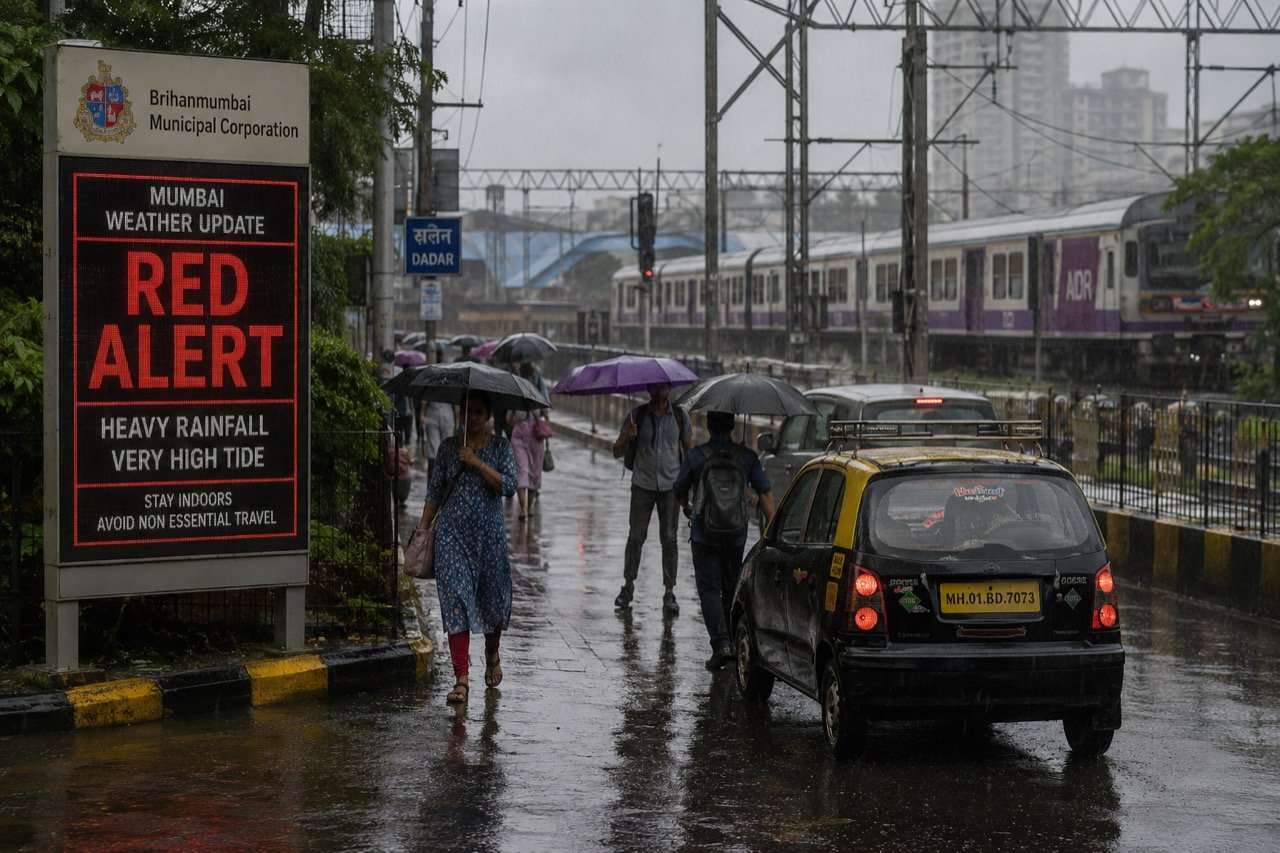
Mumbai Rains: Red Alert and Flight Diversions Test Monsoon Readiness
A red alert for heavy rainfall in Mumbai and reports of flight diversions have renewed scrutiny of the city's monsoon preparedness, from airport operations to local trains and drainage.
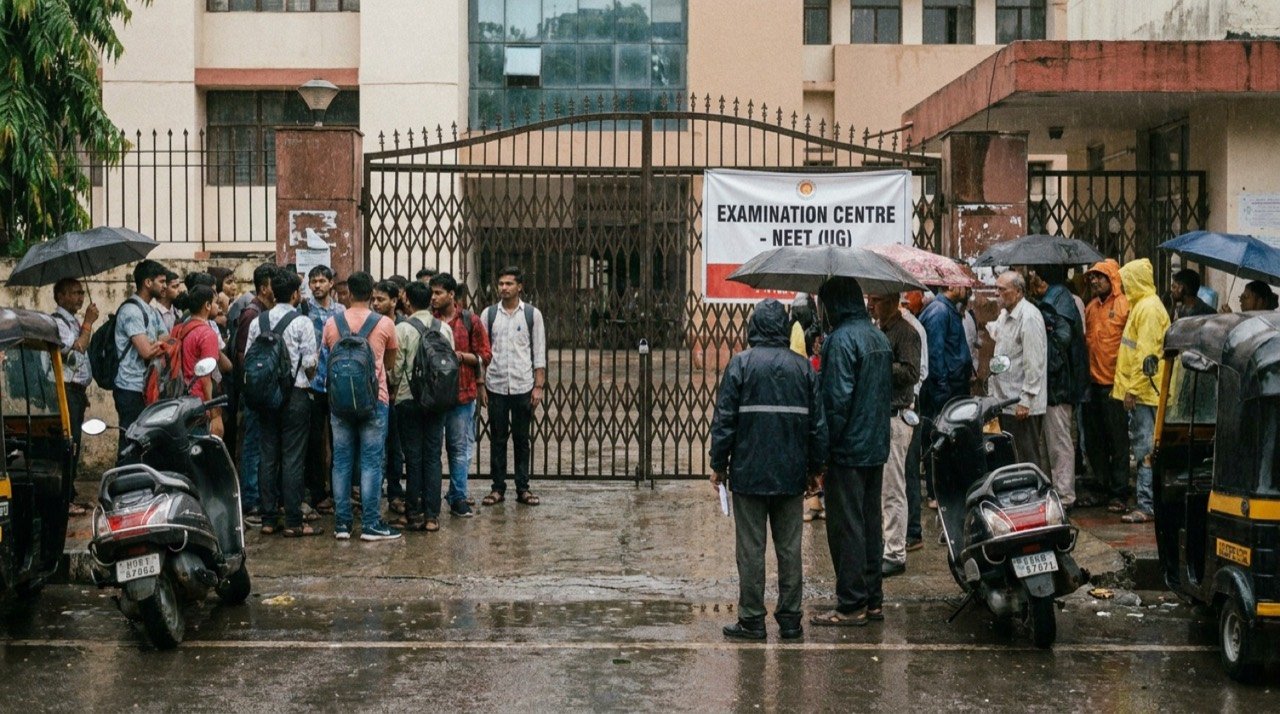
NEET Re-Test Gate Closures Revive Debate Over Exam Fairness
Students turned away minutes late at the NEET re-test have reignited a hard question for India's high-stakes exams: how should rigid rules and uniform deadlines accommodate real-life disruption?