Siya, Chetan Decline Polygraph as Ketan Agarwal Probe Deepens
The investigation into Ketan Agarwal's murder has taken a fresh turn after two key figures, Siya and Chetan, reportedly refused to undergo polygraph tests, narrowing the tools available to investigators in a case already marked by coded chats.
The NE Times National Desk
Commentary & Analysis ·

The murder of Ketan Agarwal has returned to the centre of public attention after reports that Siya and Chetan, two individuals connected to the investigation, declined to take polygraph tests requested by the police. The refusal marks the latest twist in a case that has resisted easy resolution.
Why the polygraph refusal matters
A polygraph examination in India cannot be administered without the consent of the person being tested, and courts have long held that its results are not admissible as standalone evidence. The refusal is therefore entirely within the law. Its significance lies elsewhere: it closes off one investigative avenue and forces the police to lean harder on forensic material, digital records and witness statements.
Earlier reporting on the case had already pointed to unusual elements, including references to signs and coded language in chat conversations recovered during the inquiry. Those details have fed public fascination, but they remain leads under examination rather than established facts.
An investigation, not a verdict
It is worth stressing that declining a polygraph is not an indicator of guilt or innocence. Legal safeguards exist precisely because such tests are scientifically contested. The meaningful milestones ahead are forensic findings, court filings, formal police statements and any confirmed recovery of evidence — not the theatre of who agrees to be strapped to a machine.
The NE Times View
The Ketan Agarwal case is fast becoming a test of how India consumes crime news. Every procedural detail — a refused polygraph, a coded chat — is being amplified into a verdict on social media long before investigators have finished their work. That appetite is understandable, but it is corrosive: it pressures police into premature disclosures and puts families and suspects alike on public trial. The responsible position is patience. This is an evolving investigation, and the facts that will actually decide it will emerge in forensic reports and courtrooms, not in trending hashtags.
This article is original commentary and analysis by The NE Times. Background facts were referenced from Hindustan Times.
You may also like to read

Pune Lohagad Trek Death Turns Into Murder Probe As Fiancée, Friend Arrested
Police arrested a Pune businessman's fiancée and her friend after fresh evidence reframed his fatal fall at Lohagad Fort from an accident into a suspected murder investigation.
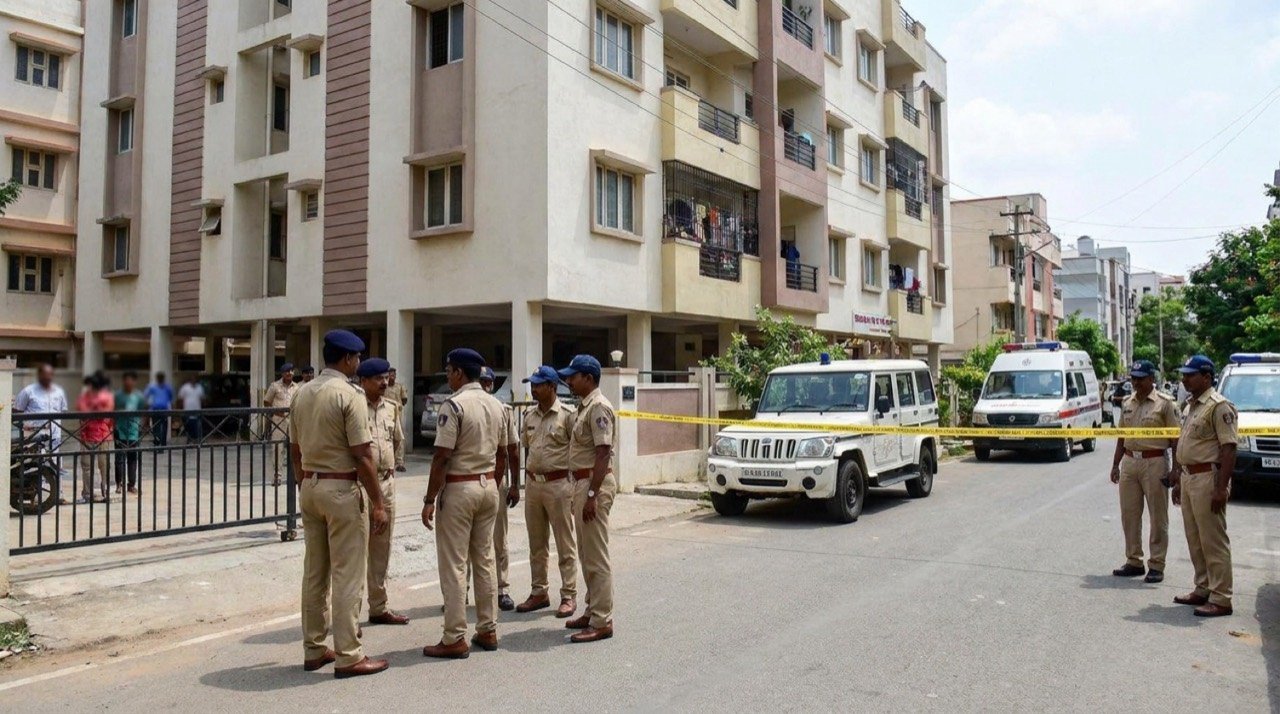
Bengaluru Triple Murder Probe Focuses On Daughter And Her Live-In Partner
Police investigating the killing of an elderly couple and their 19-year-old daughter in Bengaluru are examining whether family opposition to a relationship escalated into extreme violence.
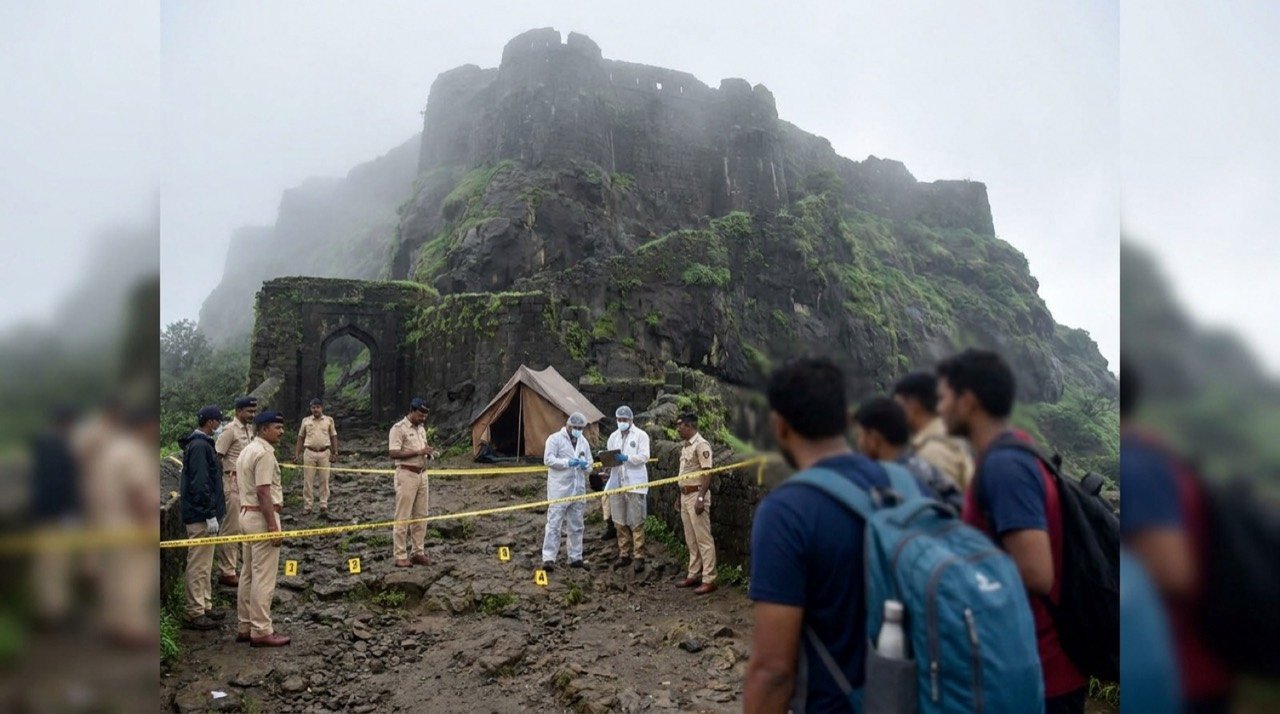
Lohagad Fort Death Near Pune Turns Into Murder Probe After Two Arrests
A fall at the popular Lohagad Fort trekking site, first treated as an accident, has become a murder investigation after Pune police arrested the victim's fiancee and an alleged associate.

Pune Lohagad Fort Death Turns Into a Murder Investigation
Maharashtra police have reclassified businessman Ketan Agrawal's fall at Lohagad Fort as a murder probe, alleging his fiancee and her partner staged the trek as an accident.
More from this section
More
Ahmedabad Bullet Train Station Gets Kite-Inspired Multimodal Hub Plan
Ahmedabad's bullet train station is set to be developed as a multimodal transport hub with a kite-inspired design, giving India's high-speed rail project a distinctive urban landmark rooted in local identity.
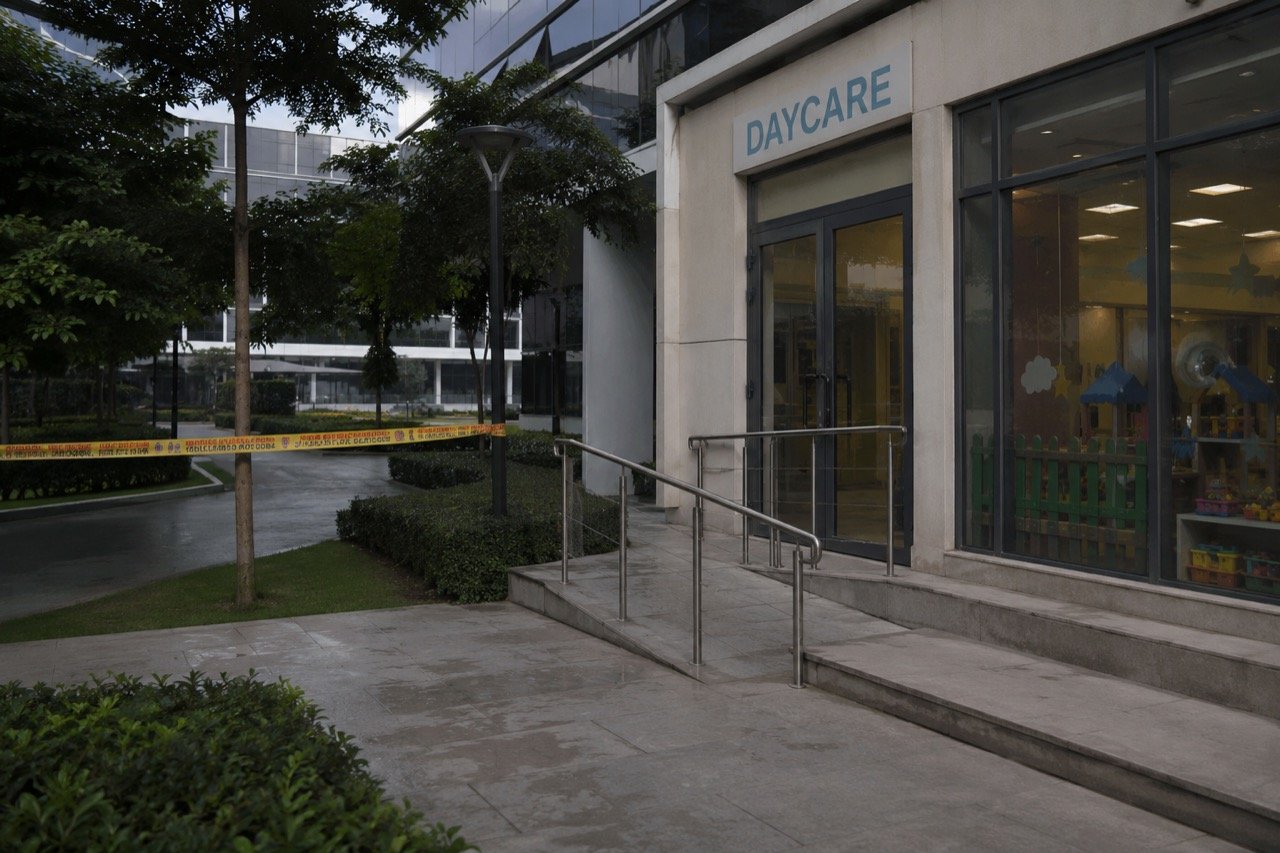
Arrest in Bengaluru Daycare Case Deepens Child Safety Questions
Bengaluru police have arrested a woman connected to the daycare case at a Capgemini campus facility, sharpening scrutiny of caregiver vetting, oversight and accountability at workplace-linked childcare centres.

Assam Case Shows PAN and Voter Cards Are Not Citizenship Proof
A man declared a foreigner in Assam despite holding multiple identity documents has highlighted a crucial legal distinction: everyday IDs establish identity, not citizenship, when a person's legal status is challenged.