Karnataka Rain Alert: Bengaluru and Coastal Districts on Watch
Strengthening monsoon rain has put Karnataka on alert, with Bengaluru commuters bracing for waterlogged roads, coastal districts watching for intense spells, and farmers tracking every millimetre for sowing.
The NE Times National Desk
Commentary & Analysis ·
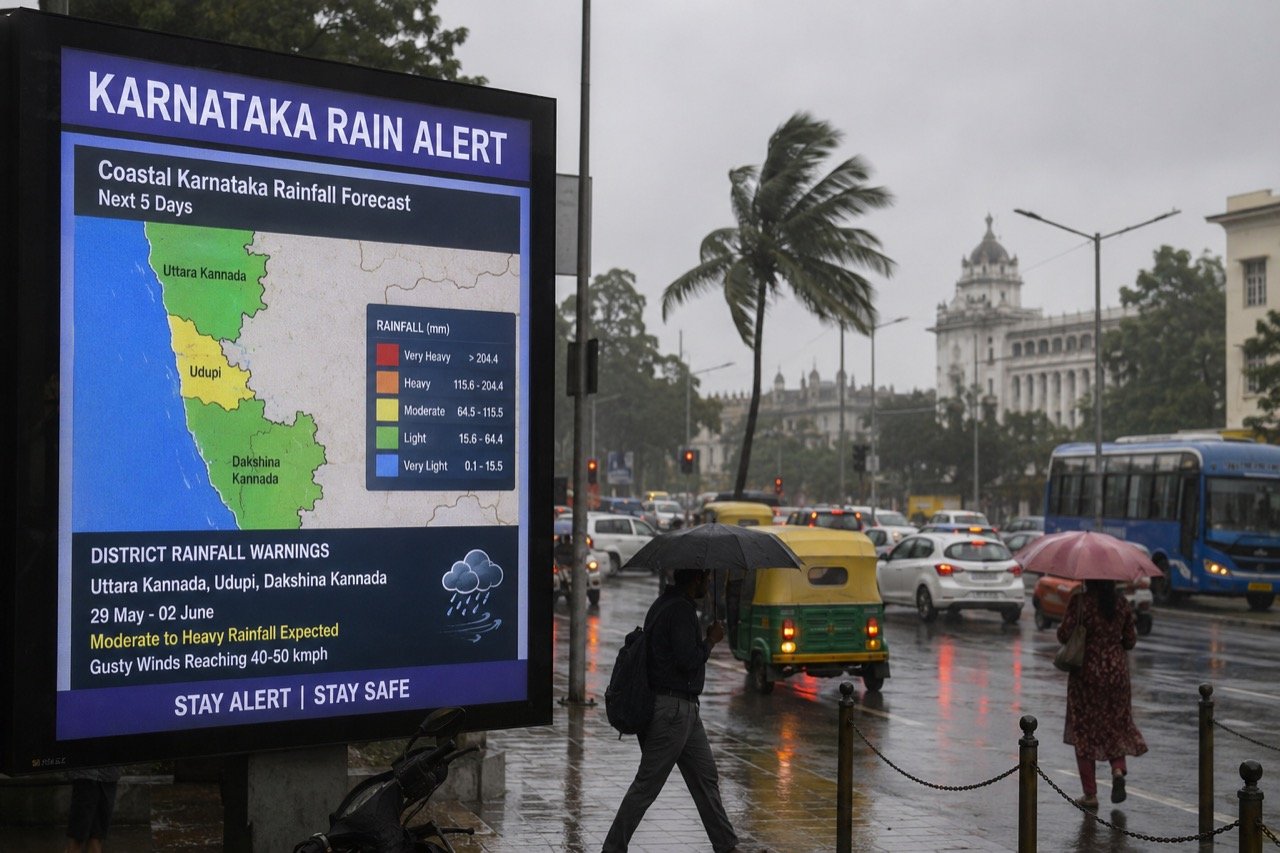
Karnataka's latest rain alerts have placed very different parts of the state on a common weather watch. As the monsoon spell strengthens, Bengaluru's traffic-heavy urban core, the rain-vulnerable coastal belt and the agricultural interior are each reading the forecasts for their own reasons.
Three geographies, three risks
In Bengaluru, intense showers translate quickly into traffic snarls, waterlogged underpasses and treefall — familiar disruptions that can paralyse the city's commute within an hour. The coastal districts face a different calculus: rainfall intensity combined with terrain can create local hazards that warrant sharper, district-level warnings.
For the interior, the same rain is an economic signal rather than a hazard. Farmers track rainfall distribution closely for sowing decisions and soil moisture, making the monsoon's spread across the state as important as its intensity.
Reading the alerts sensibly
Officials and forecasters, including the India Meteorological Department's Bengaluru centre, issue graded alerts precisely so that responses can be proportionate. Not every forecast is a crisis, but local impacts can be serious, and residents are best served by checking their own district advisories. The next signals to watch are rainfall distribution, any school or traffic advisories, and local emergency updates.
The NE Times View
Karnataka's monsoon is both a necessity and an annual civic examination, and the state keeps sitting the same paper. Bengaluru's waterlogging map barely changes from year to year, which means the problem is drainage investment and enforcement, not the rain. The coast, meanwhile, needs hyper-local warning systems that reach fishing communities and hillside settlements faster than a state-wide alert can. Treating each alert as a test of infrastructure — and publishing what failed after every heavy spell — would turn routine weather coverage into genuine accountability.
This article is original commentary and analysis by The NE Times. Background facts were referenced from Hindustan Times, IMD Bengaluru and Deccan Herald.
You may also like to read
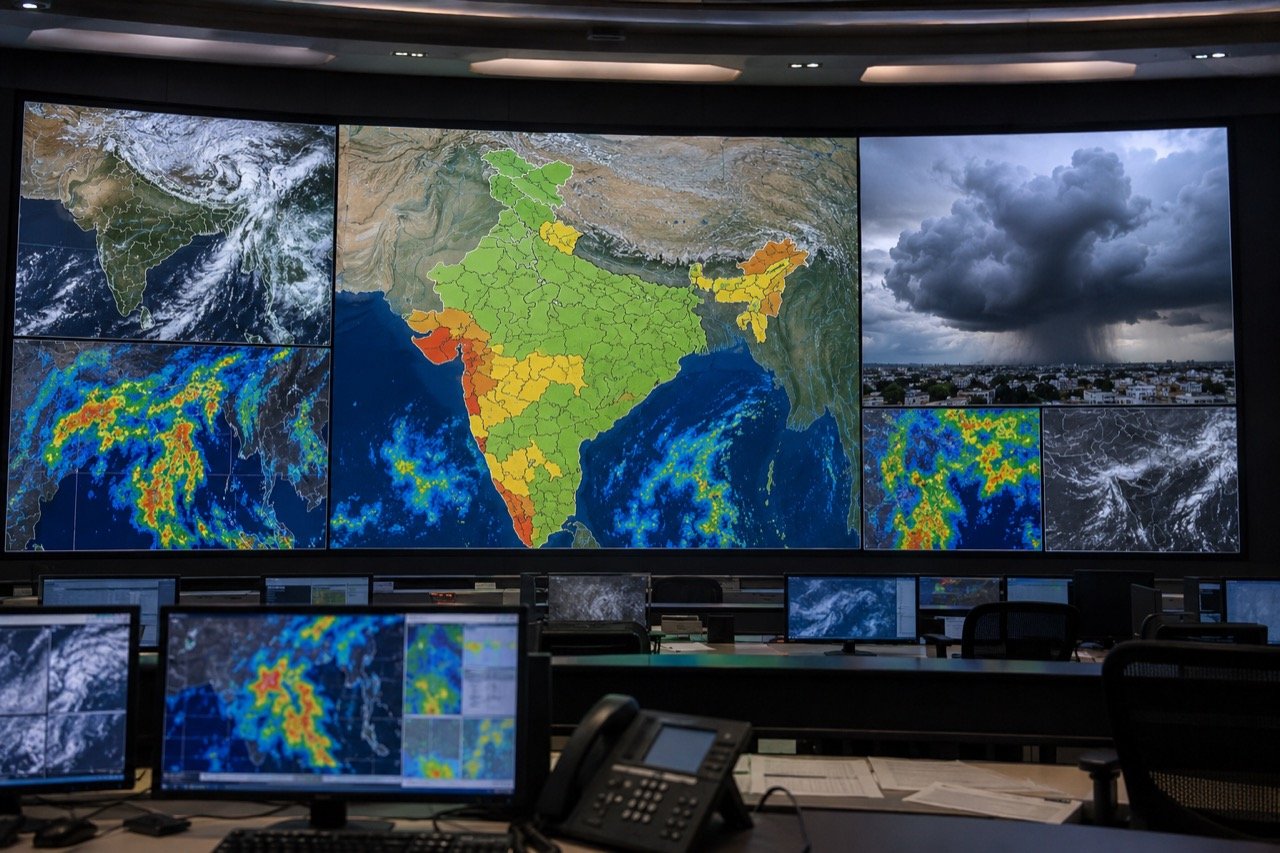
India Monsoon Alerts: Heavy Rain Warnings for Konkan, Gujarat, North
India's monsoon remains active with heavy rainfall alerts spanning Konkan, Gujarat, parts of Maharashtra and northern states, as forecasters warn of isolated extremely heavy spells that could disrupt transport and daily life.
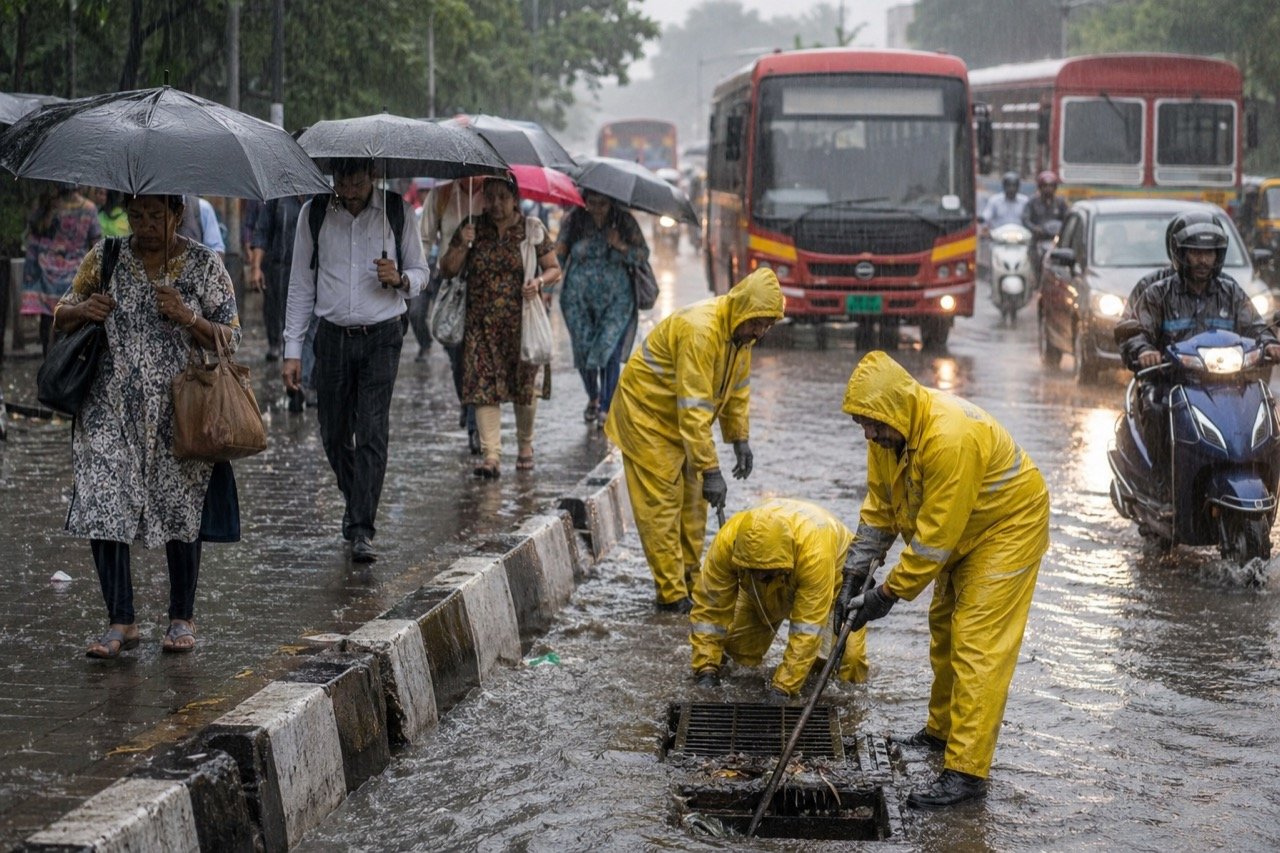
Mumbai and Thane on Alert as IMD Warns of Very Heavy Weekend Rain
The IMD has forecast heavy to very heavy rainfall with isolated extremely heavy spells over Mumbai and Thane on July 4 and 5, putting transport, drainage and emergency systems on weekend watch.
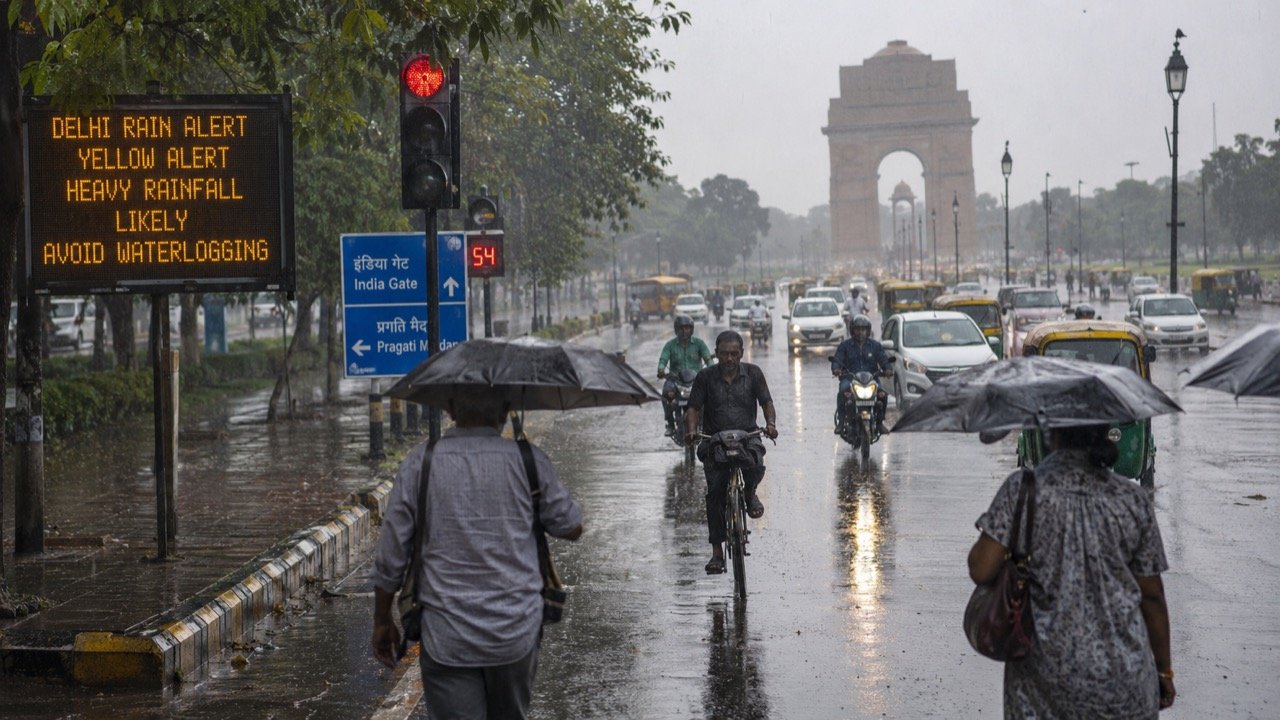
Delhi Rain Alert: Monsoon Travel and Civic Readiness Under Watch
Delhi's monsoon rain watch has residents tracking weather alerts and traffic advisories, as even moderate showers test the capital's drainage, underpasses and last-mile travel networks.
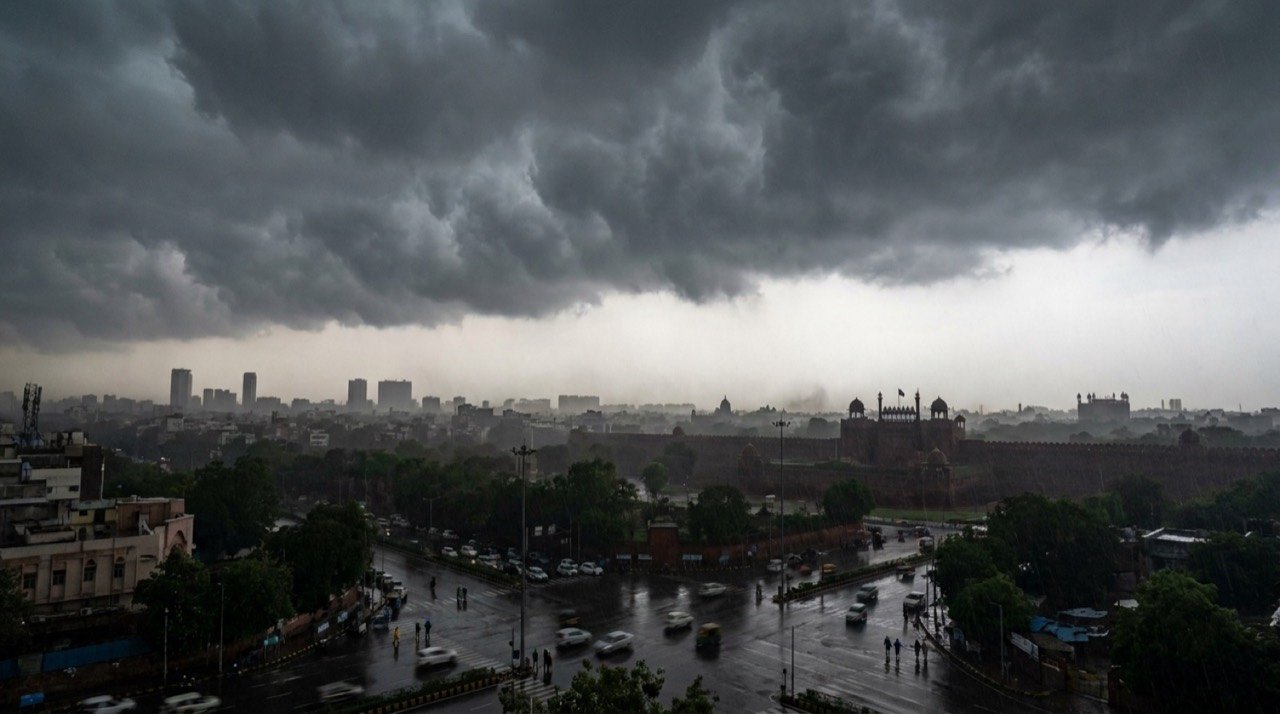
Delhi-NCR Weather Alert: Thunderstorms, Lightning and Strong Winds Forecast Across Capital Region
The India Meteorological Department has placed Delhi-NCR under a heightened weather watch, warning of thunderstorms, lightning, gusty winds and rain that could disrupt traffic, flights and power supply.
More from this section
More
AICTE Industry Fellowship 2026: Rs 1.5 Lakh Scheme Closes July 5
The AICTE Industry Fellowship Programme 2026, which places technical-education faculty inside leading companies on a Rs 1.5 lakh monthly stipend, reached its application deadline on July 5.
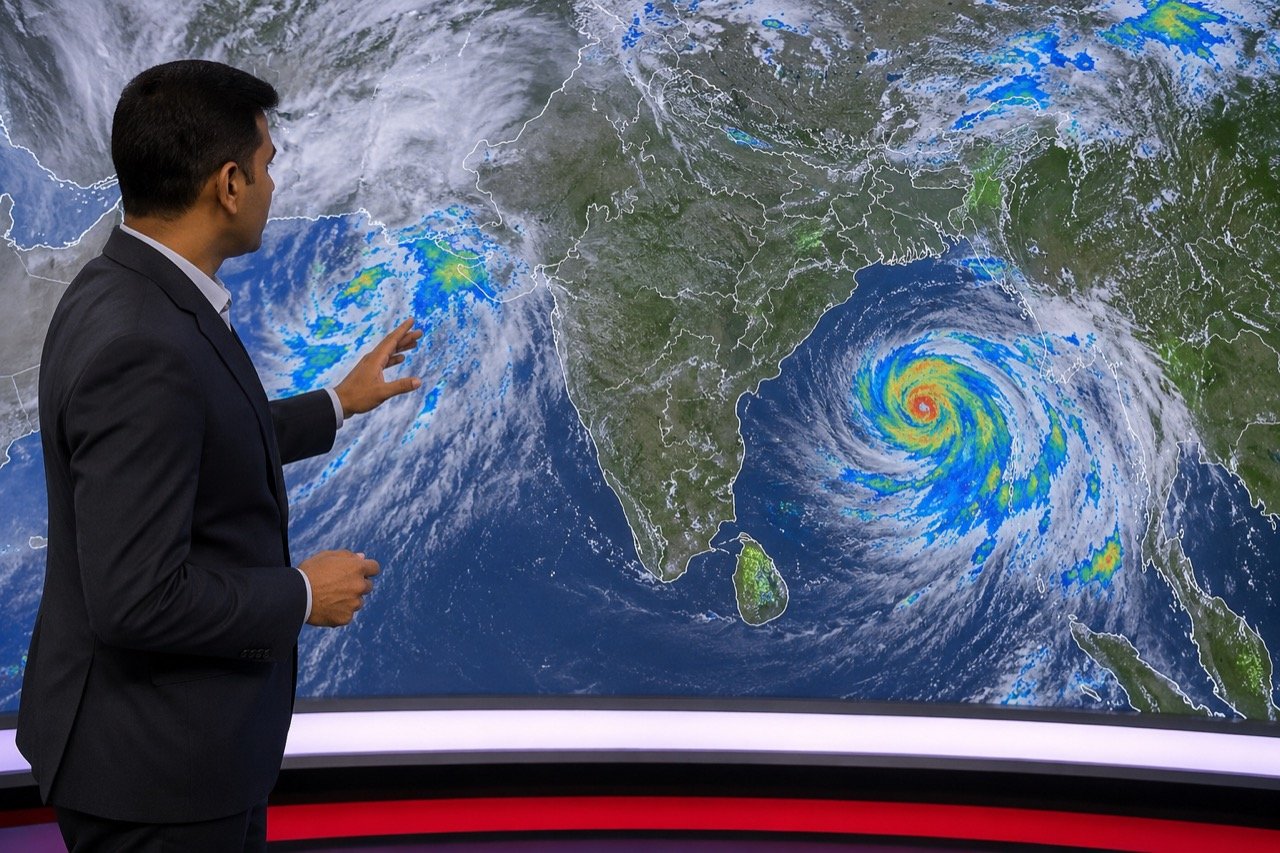
Bay of Bengal Low Pressure System Revives Monsoon Over Western India
A low-pressure system over the Bay of Bengal has pushed the monsoon back into an active phase, bringing steady heavy rain to Kerala, coastal Karnataka and Maharashtra, and putting Mumbai and Pune on preparedness watch.
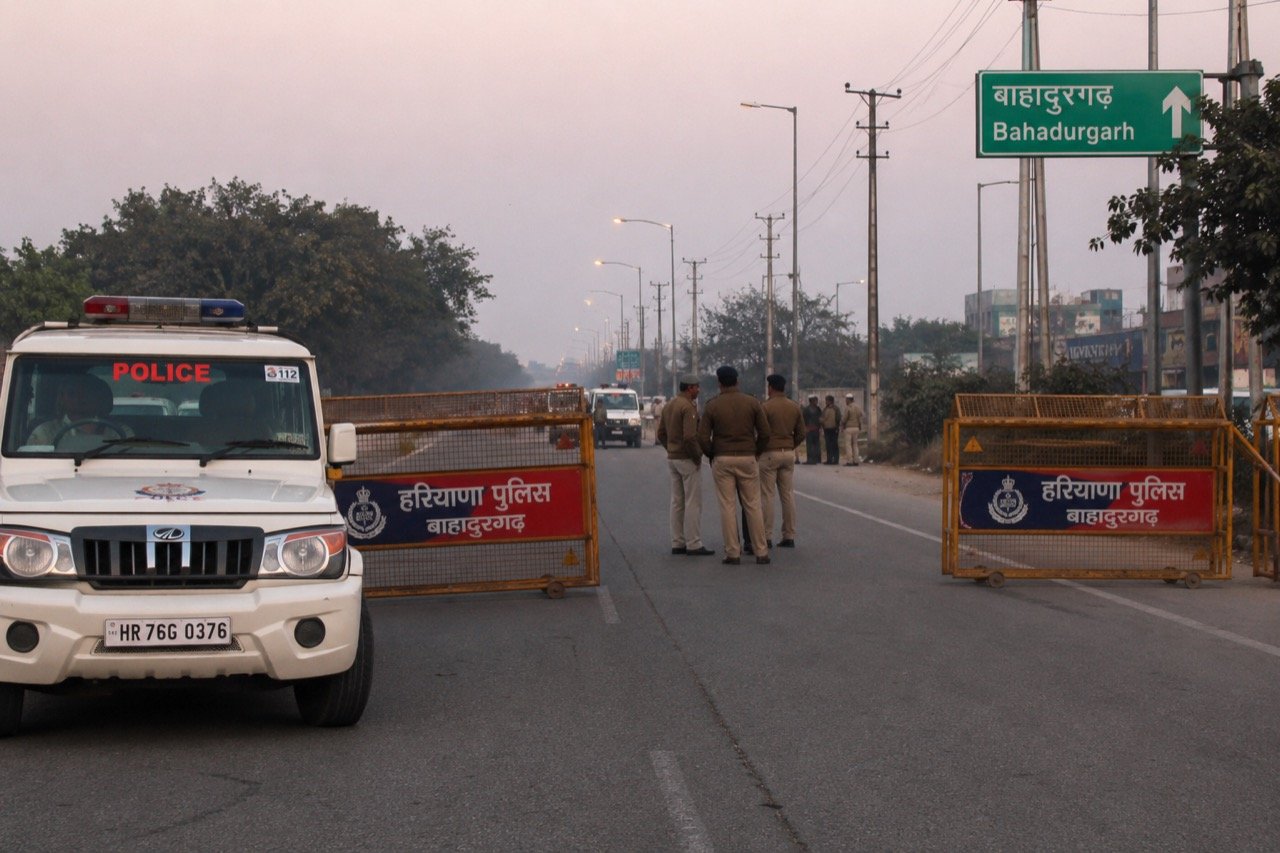
Bishnoi Gang Suspects Injured in Haryana Encounter as Police Tighten Net
A joint Haryana-Delhi Police operation in Bahadurgarh left two suspected Lawrence Bishnoi gang members injured, spotlighting the multi-state coordination now central to India's fight against organised crime networks.