Kamal Haasan's Avvai Shanmugi Salary Gamble: A Tamil Cinema Case Study
A revived report that Kamal Haasan skipped a Rs 1.5 crore fee for Avvai Shanmugi and earned three times as much from its success has reopened debate on star pay and profit-sharing in Indian cinema.
The NE Times Entertainment Desk
Commentary & Analysis ·

A production story from 1990s Tamil cinema is doing the rounds again: Kamal Haasan reportedly gave up a Rs 1.5 crore salary for Avvai Shanmugi — and ended up earning roughly three times that amount when the comedy became a hit. The anecdote, revived in entertainment coverage on July 5, has travelled fast because it fuses star lore, film economics and 1990s nostalgia in a single detail.
The point is not simply that a major actor deferred a fee. A fixed star salary protects the actor but loads risk onto the producer before release; a profit-linked deal reverses that logic, asking the talent to bet on the film's commercial future and wait for the audience verdict. In the Avvai Shanmugi telling, that gamble is remembered as a shrewd creative-business call.
Why the anecdote fits Kamal Haasan's career
Avvai Shanmugi endures in Tamil popular culture as a broad comedy built around a high-concept performance vehicle. Kamal Haasan's career has always swung between mainstream entertainment and formal experiment, and this story extends that pattern off screen — an actor investing not just labour but financial confidence in a project he believed would outlast opening-week curiosity.
A 1990s deal that reads like a modern one
The story resurfaces at a moment when Indian cinema is again arguing over star fees, ballooning marketing costs, theatrical uncertainty and streaming negotiations. Younger readers may recognise the arrangement as an early version of the back-end participation model now standard in global film industries. But the takeaway should not be flattened into a formula: profit-sharing rewards success and equally exposes talent to the downside, and it works only when star, producer and distributor share realistic expectations.
The NE Times View
The lesson worth keeping from this story is about aligned risk, not heroic sacrifice. Indian film budgets today are strained less by craft than by fixed star costs that must be recovered before a single ticket is sold, and Kamal Haasan's Avvai Shanmugi arrangement shows an alternative that predates Hollywood-style back-end deals becoming fashionable here. Not every actor can afford to wait for a film's verdict, and producers should not expect them to. But if more of India's biggest stars tied part of their pay to outcomes, budgets would breathe easier and greenlights might follow conviction rather than clout. Landmark films, this anecdote reminds us, are often shaped by choices made long before audiences buy tickets.
This article is original commentary and analysis by The NE Times. Background facts were referenced from Indian Express.
You may also like to read
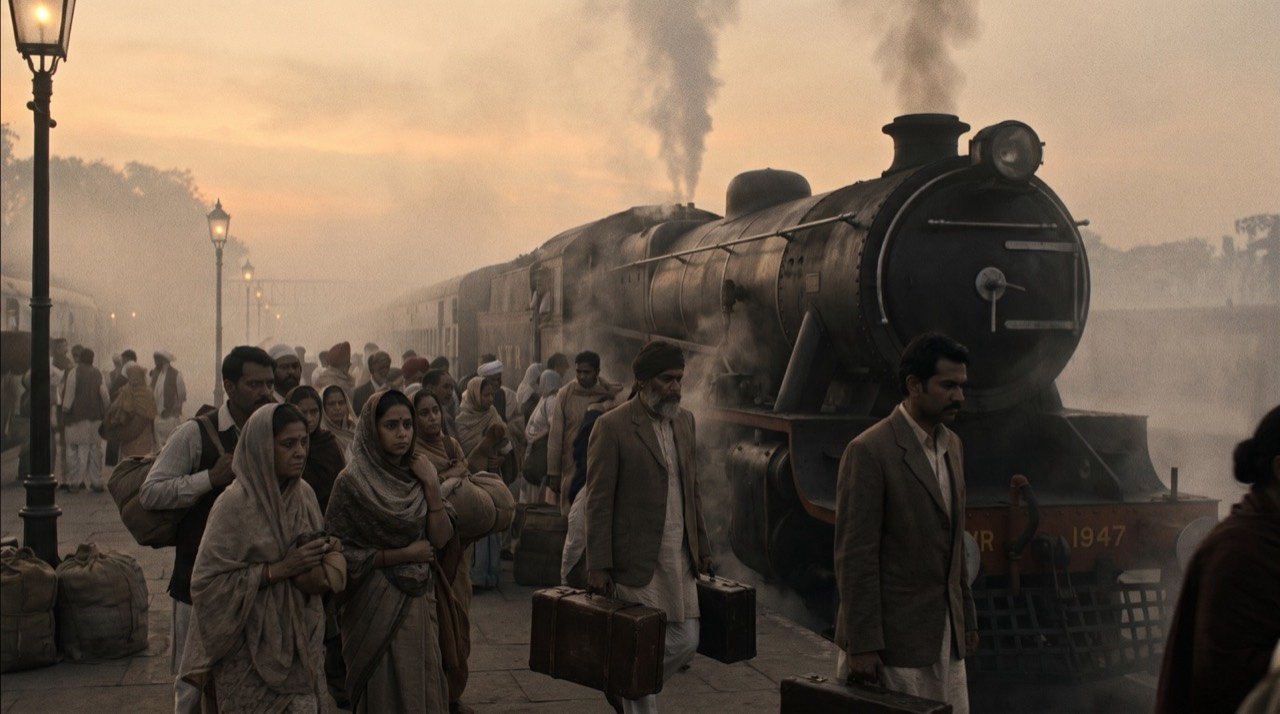
Thalaivar 173: Rajinikanth and Kamal Haasan Set to Reunite After Decades for a Pongal Spectacle
The two pillars of Tamil cinema are coming together on screen for the first time in over four decades, with Kamal Haasan producing under Raaj Kamal Films International and Rajinikanth confirming his shoot will begin once Jailer 2 is done.

K Bhagyaraj: Screenplay Master Who Shaped Tamil Cinema Storytelling
The passing of veteran actor, writer and director K Bhagyaraj has prompted a wider reassessment of his screenplay craft and the lasting imprint he left on mainstream Tamil film language.
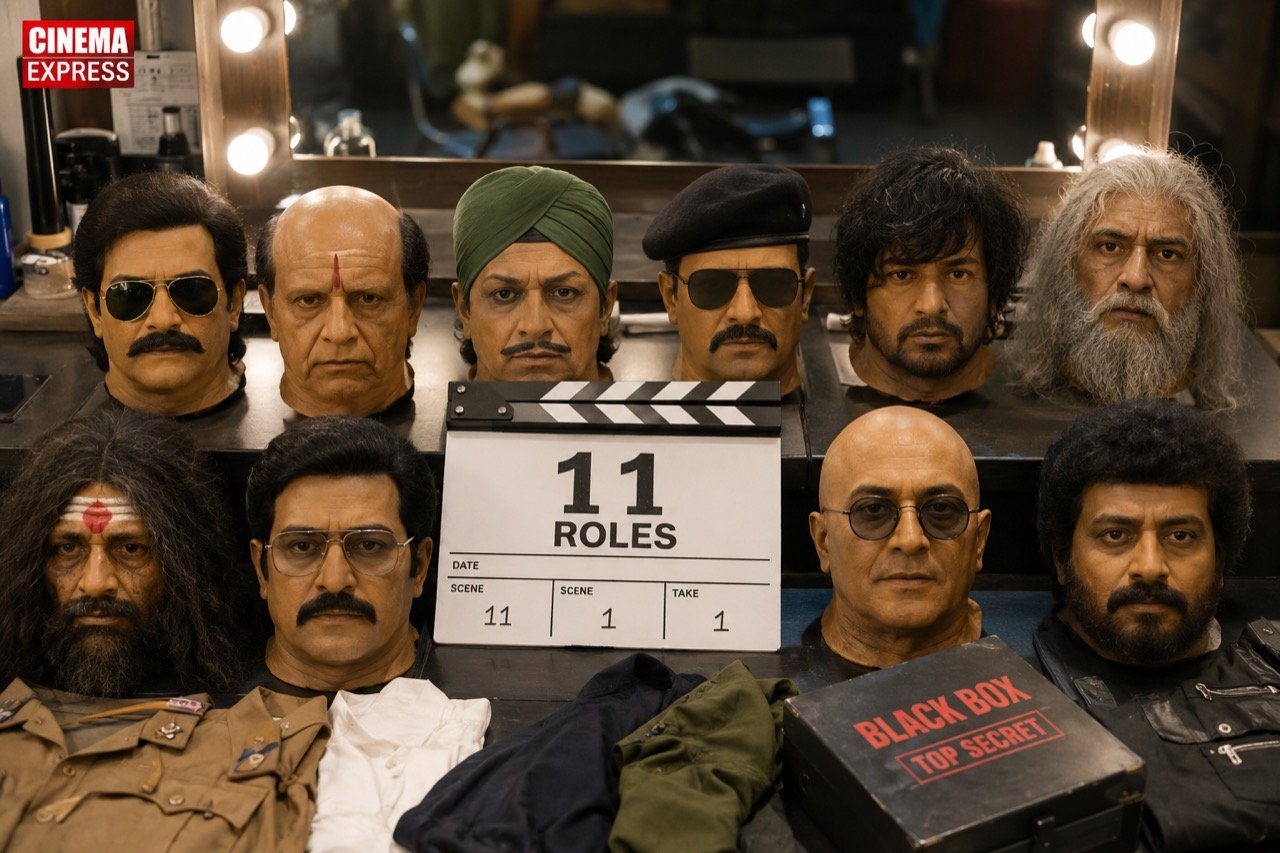
Yogi Babu to Play 11 Roles in Action Thriller, Tamil Cinema Abuzz
Reports that comedian-turned-leading-man Yogi Babu will take on eleven roles in a new action thriller have made the project one of Tamil cinema's most talked-about experiments this week.
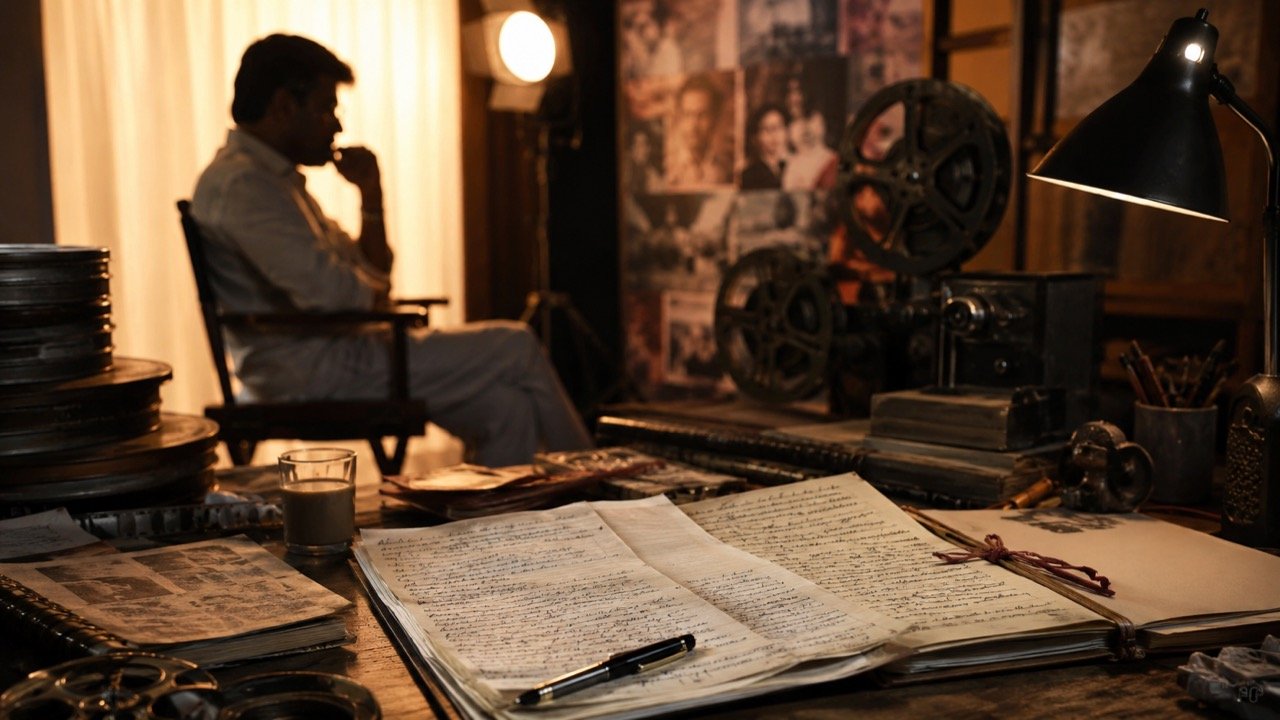
K Bhagyaraj: Why Tamil Cinema Still Calls Him Screenplay King
A renewed Indian Express spotlight on K Bhagyaraj examines how his narrative precision, domestic storytelling and comedic timing earned him the enduring title Thirai Kathai Mannan in Tamil cinema.
More from this section
More
72nd National Film Awards: Fans Back Mammootty, Allu Arjun, Sai Pallavi
Speculation around the 72nd National Film Awards is intensifying as fan communities across India's language film industries champion favourites including Mammootty, Allu Arjun and Sai Pallavi ahead of any official announcement.

Aamir Khan Marries Gauri Spratt in Private Pali Hill Ceremony
Aamir Khan and Gauri Spratt tied the knot at the actor's Pali Hill home in Mumbai on July 5, turning a deliberately small family ceremony into Bollywood's biggest story of the day.

Akanksha Chamola's Lock Upp 2 Confession Sets Reality TV Abuzz
A personal revelation by Akanksha Chamola ahead of Lock Upp 2 has handed the reality show a viral talking point, underlining how confession-driven formats continue to dominate Indian television conversation.