K Bhagyaraj: Why Tamil Cinema Still Calls Him Screenplay King
A renewed Indian Express spotlight on K Bhagyaraj examines how his narrative precision, domestic storytelling and comedic timing earned him the enduring title Thirai Kathai Mannan in Tamil cinema.
Commentary & Analysis ·
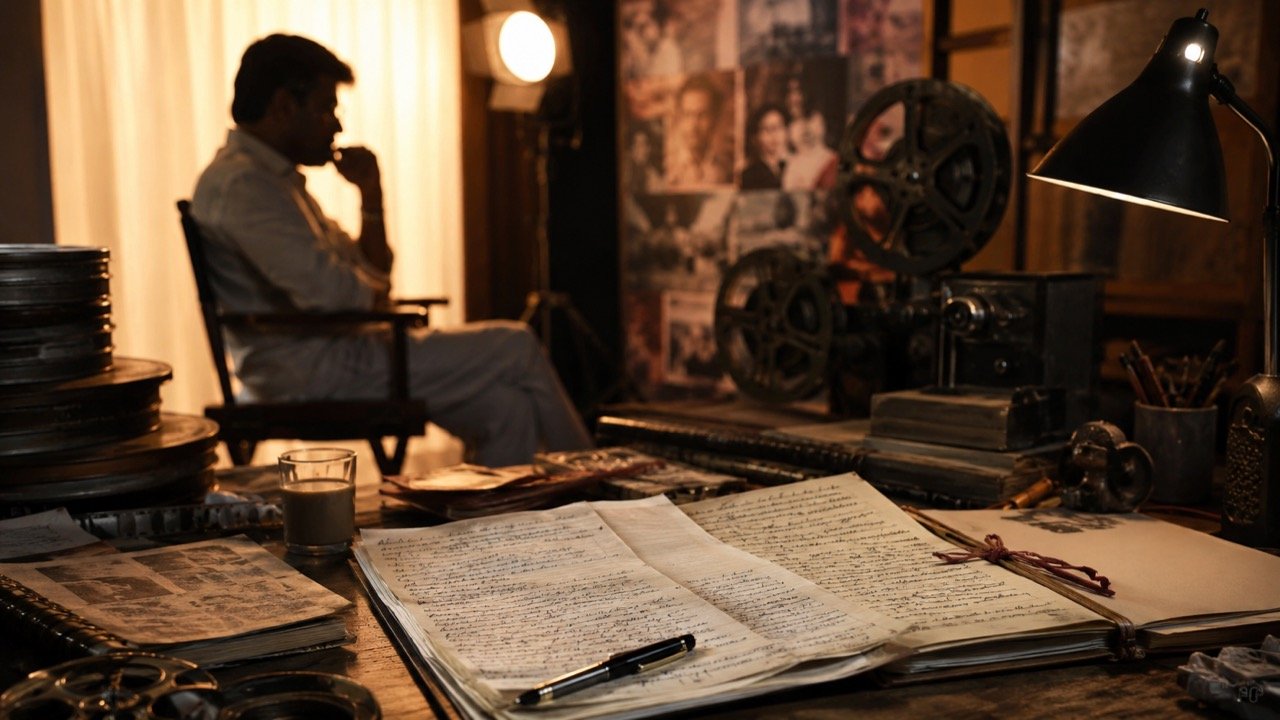
A fresh Indian Express spotlight on K Bhagyaraj has brought renewed attention to why Tamil cinema still calls him Thirai Kathai Mannan — the screenplay king. The phrase has endured not because of nostalgia alone, but because Bhagyaraj's films were built from something more durable than star power: they were built from structure. That a decades-old body of work can still generate a fresh editorial feature says something about the durability of craft over the fleeting churn of contemporary content cycles, and it is worth asking, in some detail, why this particular filmmaker keeps being pulled back into the conversation.
A Signature Written in Everyday Drama
Where many of his contemporaries leaned on spectacle, Bhagyaraj drew drama from domestic spaces, moral knots and emotional misunderstandings. His characters were ordinary people caught in recognisable situations, yet the plots moved with the precision of suspense thrillers. This combination is harder to achieve than it sounds. Spectacle can paper over a thin plot with scale and noise; a domestic drama has nowhere to hide. Every scene has to earn its place because the audience is watching people who could plausibly be their neighbours, not larger-than-life figures whose choices can be excused by exceptional circumstance. Bhagyaraj used humour not as relief but as a structural tool — a way to delay information, reset tension and land a payoff that felt both surprising and inevitable. That distinction, between comedy as decoration and comedy as mechanism, is precisely what separates a well-told story from a merely well-performed one.
Craft Over Scale
Tamil cinema has produced many strong writer-directors across the decades, but Bhagyaraj occupies a distinct position because audiences could recognise his narrative signature. This is a meaningful achievement in an industry where writing credit is often overshadowed by performance and music. The rhythm of his stories — how he set up conflicts, withheld resolutions and trusted the script before the budget — made him a model for aspiring writers. Younger screenwriters in Kollywood still study his work for lessons in timing and payoff, which suggests that his influence has never really receded from the industry's working memory, even during periods when his name may not have topped headlines. It is worth pausing on what "trusting the script before the budget" actually implies for a working filmmaker. It means resisting the temptation to solve a narrative problem with a bigger set-piece, and instead solving it on the page, through character logic and structural discipline. That is a discipline that does not automatically renew itself with each generation of filmmakers; it has to be actively studied and passed on, which is exactly the role that retrospectives and spotlights of this kind now play.
Regional Film History Finds a Digital Audience
The renewed attention on Bhagyaraj also reflects a broader cultural moment. Regional film histories are being reintroduced to younger audiences through social media clips, anniversary essays and editorial spotlights. This is not a phenomenon unique to Tamil cinema, but it is especially consequential there, given how much of Kollywood's golden-era output exists largely in memory, in television reruns, and in scattered archival prints rather than in the algorithmically promoted spaces where younger viewers now discover culture. For artists whose influence may be larger than their current headline count, these pieces serve as vital preservation — ensuring that craft, not just celebrity, gets remembered. There is also a practical dimension here: as streaming platforms and social media compilations increasingly shape which parts of film history remain visible, pieces like the Indian Express spotlight function as a kind of curatorial counterweight, nudging attention back toward figures whose contribution was structural rather than merely photogenic.
Why This Recognition Took the Form It Did
It is instructive that the framing chosen for this renewed attention was specifically about screenplay craft rather than, say, box-office nostalgia or a career retrospective built around anecdotes. That choice of angle matters. It treats Bhagyaraj's contribution as a body of technique that can be studied, taught and applied, not simply as a set of fond memories for older audiences. This is the same kind of treatment that Hollywood screenwriters or European art-house auteurs routinely receive in film criticism and academic writing, where plot construction, pacing and dialogue economy are analysed with the same rigour applied to visual style. Tamil cinema's writer-directors have rarely been given that same sustained critical vocabulary, which makes a piece like this one more than a nostalgia exercise — it is an attempt to build the analytical scaffolding that regional cinema criticism has often lacked.
The NE Times View
Bhagyaraj's story is a reminder that commercial storytelling is never accidental. The films that last are the ones built on construction, rhythm and the courage to trust a script before committing to scale. In a content landscape that often rewards speed and sensation, revisiting his body of work is not mere nostalgia — it is instruction. Tamil cinema's golden-era writers deserve the same analytical attention given to their counterparts in Hollywood or European art cinema, and spotlights like this one are a step in the right direction. If anything, the more interesting question going forward is whether this kind of attention translates into sustained institutional efforts — retrospectives, formal film-school curricula, restored prints — or whether it remains confined to periodic editorial moments that flare up and fade. The durability of Bhagyaraj's reputation suggests the raw material for such institutional memory already exists; what is less certain is whether the industry and its cultural custodians will build on it consistently rather than rediscovering it anew every few years.
Key takeaways
- K Bhagyaraj is still referred to in Tamil cinema as Thirai Kathai Mannan, the screenplay king, owing to the structural discipline of his storytelling rather than star power or spectacle.
- His films drew drama from domestic, everyday situations and used humour as a structural device to delay information and deliver payoffs, rather than as mere comic relief.
- Younger Kollywood screenwriters continue to study his work for lessons in narrative timing and payoff, underlining his lasting influence on the craft.
- Renewed attention on his career, via an Indian Express spotlight and wider digital and social media reintroduction of regional film history, reflects a broader effort to preserve craft-based legacies alongside celebrity-driven narratives.
- The NE Times view is that such retrospectives function as instruction, not nostalgia, and that Tamil cinema's golden-era writers merit the same sustained analytical attention long afforded to Hollywood and European art-cinema counterparts.
You may also like to read

K Bhagyaraj: Screenplay Master Who Shaped Tamil Cinema Storytelling
The passing of veteran actor, writer and director K Bhagyaraj has prompted a wider reassessment of his screenplay craft and the lasting imprint he left on mainstream Tamil film language.
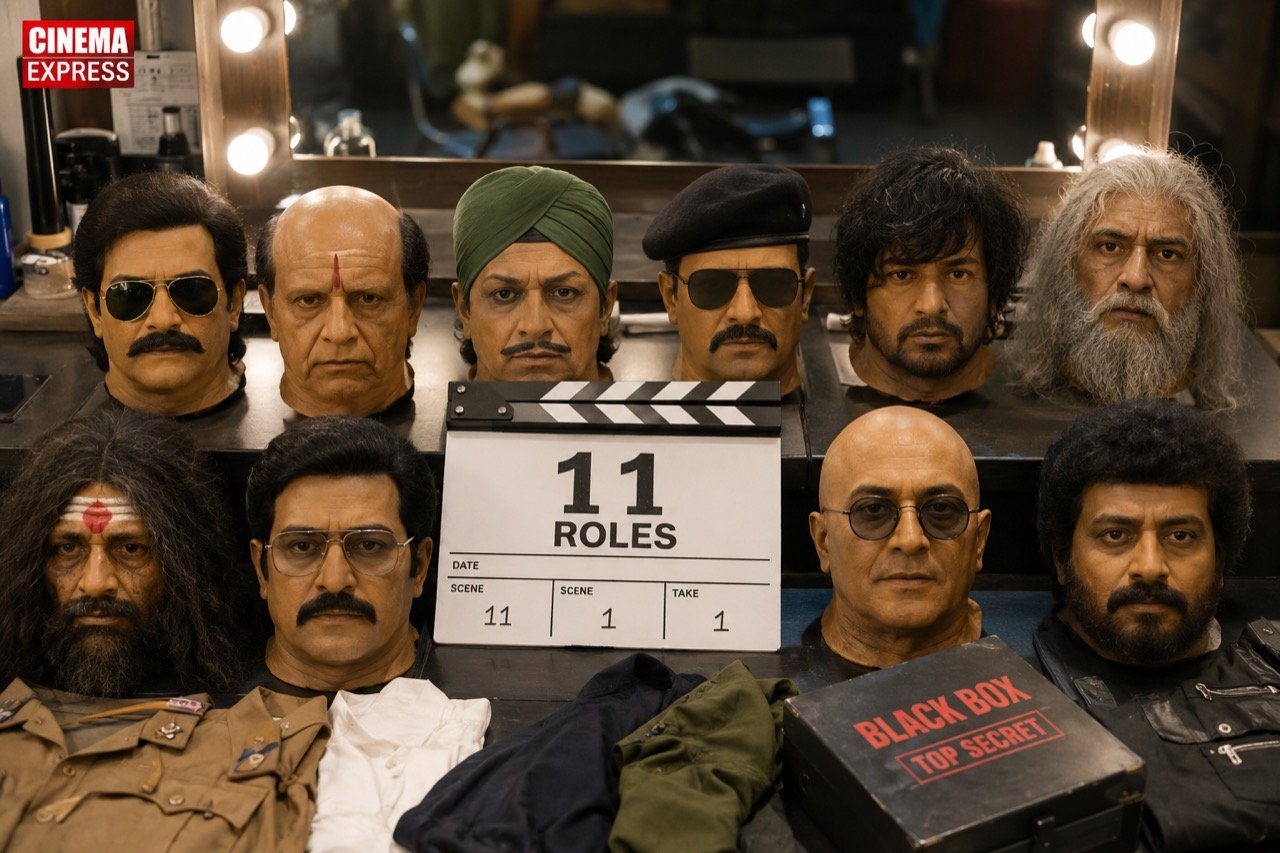
Yogi Babu to Play 11 Roles in Action Thriller, Tamil Cinema Abuzz
Reports that comedian-turned-leading-man Yogi Babu will take on eleven roles in a new action thriller have made the project one of Tamil cinema's most talked-about experiments this week.

Sivakarthikeyan's Parasakthi Anchors Tamil Cinema's Big-Budget June
With a reported budget near 375 crore and a wide June release, Sivakarthikeyan's Parasakthi has become the centrepiece of an unusually crowded month for Tamil cinema.
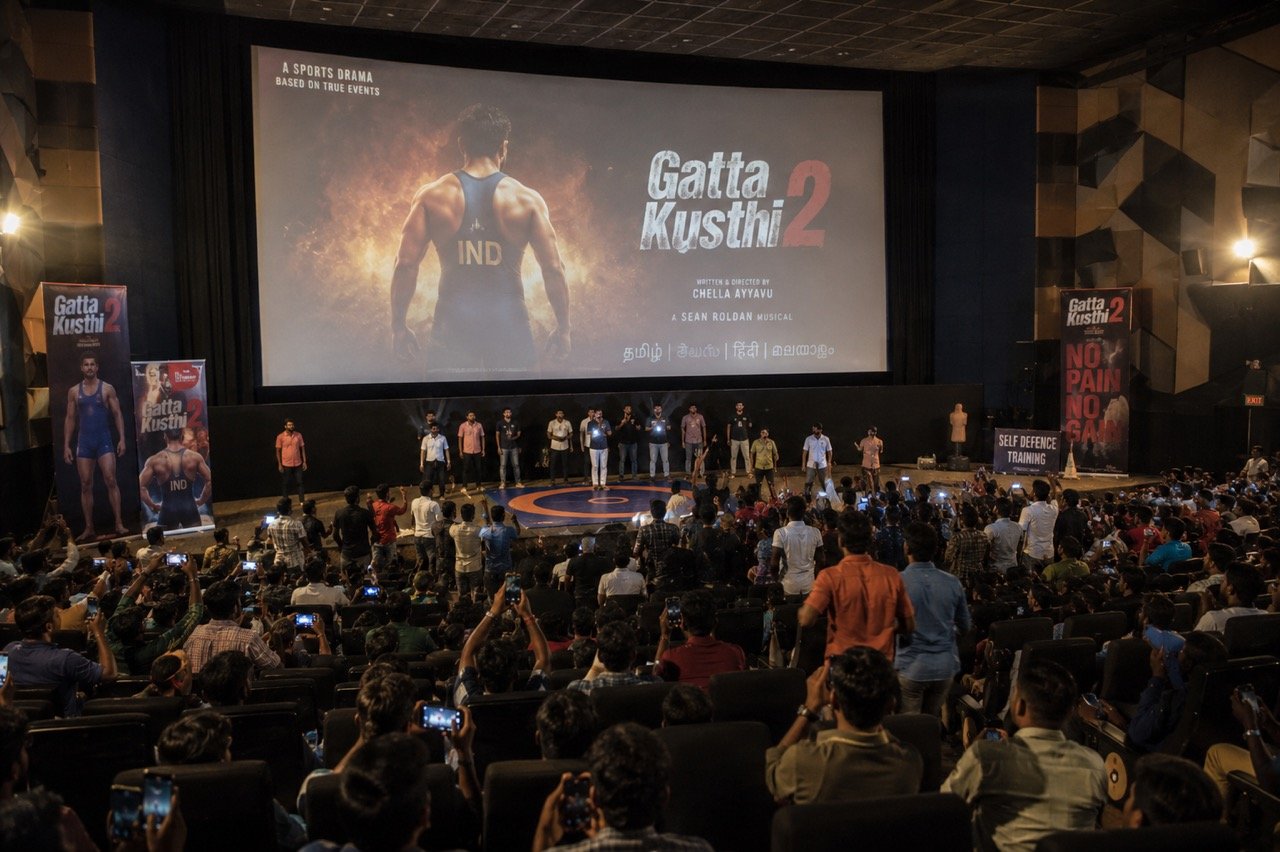
Gatta Kusthi 2 Buzz: Screening Puts Tamil Sports Sequel in Focus
Fresh screening coverage has pushed Gatta Kusthi 2 back into Tamil cinema conversations, spotlighting the wrestling franchise's mix of sport, humour and its running commentary on women's agency.
More from this section
More
72nd National Film Awards: Fans Back Mammootty, Allu Arjun, Sai Pallavi
Speculation around the 72nd National Film Awards is intensifying as fan communities across India's language film industries champion favourites including Mammootty, Allu Arjun and Sai Pallavi ahead of any official announcement.

Aamir Khan Marries Gauri Spratt in Private Pali Hill Ceremony
Aamir Khan and Gauri Spratt tied the knot at the actor's Pali Hill home in Mumbai on July 5, turning a deliberately small family ceremony into Bollywood's biggest story of the day.

Akanksha Chamola's Lock Upp 2 Confession Sets Reality TV Abuzz
A personal revelation by Akanksha Chamola ahead of Lock Upp 2 has handed the reality show a viral talking point, underlining how confession-driven formats continue to dominate Indian television conversation.