K Bhagyaraj: Screenplay Master Who Shaped Tamil Cinema Storytelling
The passing of veteran actor, writer and director K Bhagyaraj has prompted a wider reassessment of his screenplay craft and the lasting imprint he left on mainstream Tamil film language.
The NE Times Entertainment Desk
Commentary & Analysis ·

The death of K Bhagyaraj has turned attention back to one of Tamil cinema's most distinctive creative careers. Tributes to the veteran actor, screenwriter and director have framed him above all as a screenplay figure — a craftsman whose sense of structure and timing quietly shaped mainstream Tamil filmmaking for decades.
More than an obituary
The coverage that followed his passing reads less like a routine obituary and more like a legacy reassessment. Bhagyaraj's reputation rested on the mechanics of storytelling: tight construction, comic timing and an instinct for building films around everyday situations that gradually opened into larger emotional or humorous turns.
He belonged to a generation of film artists who could write, direct and perform in equal measure, which gave his body of work a recognisable authorial stamp. That triple-threat versatility is increasingly rare, and it explains why the industry's response to his death has been so uniformly respectful.
Why the craft conversation matters
His passing has naturally revived discussion of screenplay craft in an industry where conversation is often dominated by star power and box-office numbers. For audiences rediscovering his films, the enduring interest lies in how his scripts moved — the setups, the payoffs, and the ordinary lives they dignified with sharp structure.
The NE Times View
Tamil cinema's collective memory is usually built around actors and hit songs, but Bhagyaraj's death is a reminder that writers shape how stories move — and how they endure. If the tributes send younger filmmakers back to his screenplays, that would be the most fitting memorial. Indian cinema is in a moment of scale and spectacle; the Bhagyaraj tradition argues that craft on the page still decides what lasts. Honouring that tradition means teaching it, archiving it and crediting it, not just eulogising it.
This article is original commentary and analysis by The NE Times. Background facts were referenced from Times of India.
You may also like to read
K Bhagyaraj: Why Tamil Cinema Still Calls Him Screenplay King
A renewed Indian Express spotlight on K Bhagyaraj examines how his narrative precision, domestic storytelling and comedic timing earned him the enduring title Thirai Kathai Mannan in Tamil cinema.
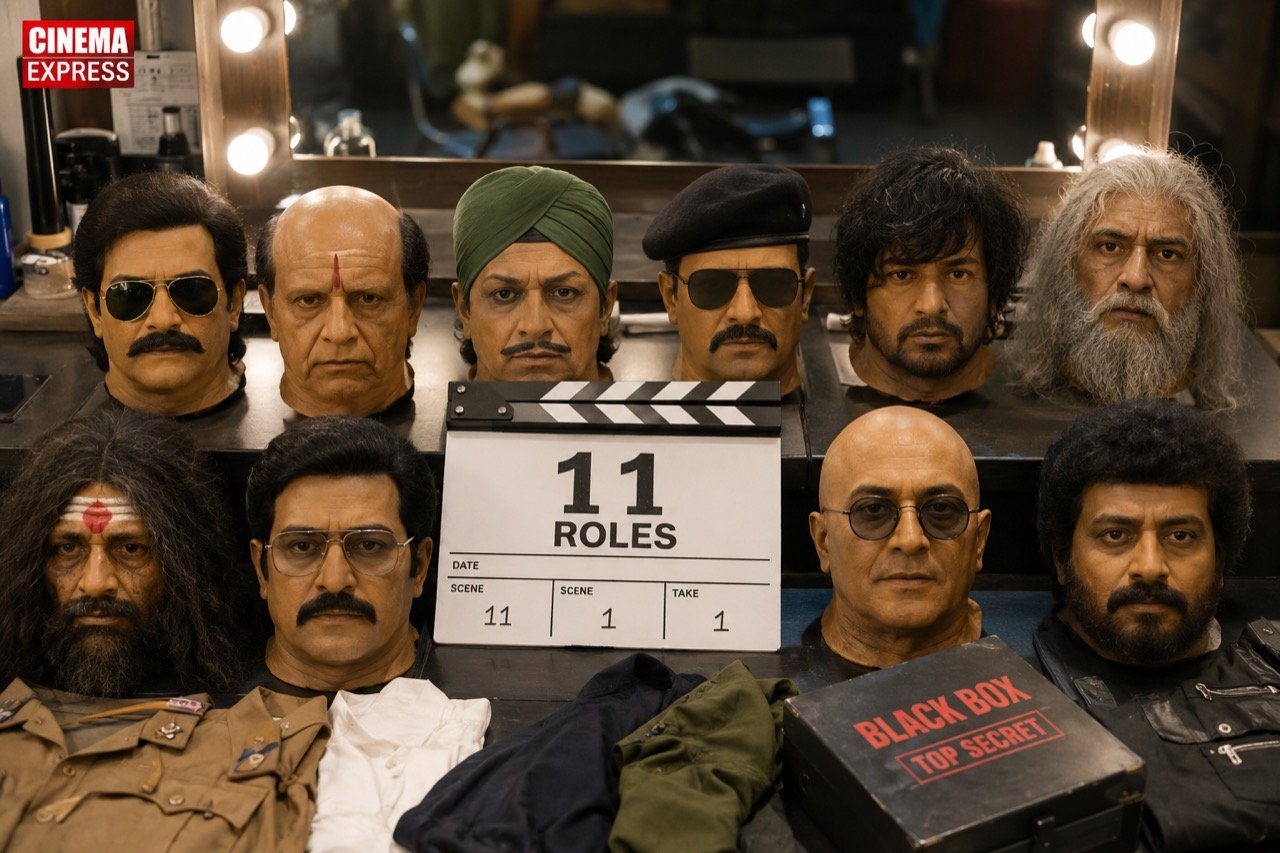
Yogi Babu to Play 11 Roles in Action Thriller, Tamil Cinema Abuzz
Reports that comedian-turned-leading-man Yogi Babu will take on eleven roles in a new action thriller have made the project one of Tamil cinema's most talked-about experiments this week.

Sivakarthikeyan's Parasakthi Anchors Tamil Cinema's Big-Budget June
With a reported budget near 375 crore and a wide June release, Sivakarthikeyan's Parasakthi has become the centrepiece of an unusually crowded month for Tamil cinema.
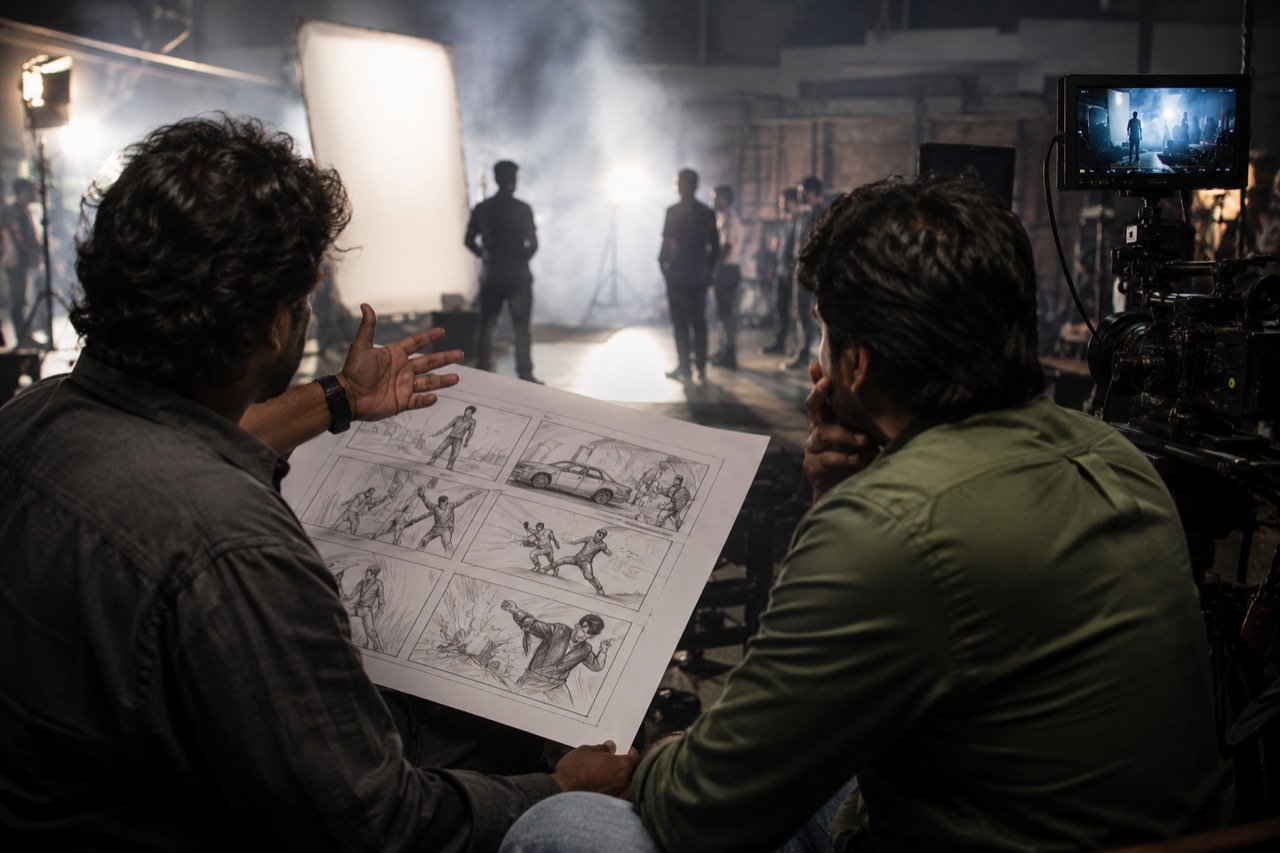
Atharvaa and Hari Reported to Team Up for Tamil Action Entertainer
Reports of a first-time collaboration between actor Atharvaa and director Hari have sparked fresh buzz in Tamil cinema, with the project tipped to be a fast-paced commercial entertainer awaiting official confirmation.
More from this section
More
72nd National Film Awards: Fans Back Mammootty, Allu Arjun, Sai Pallavi
Speculation around the 72nd National Film Awards is intensifying as fan communities across India's language film industries champion favourites including Mammootty, Allu Arjun and Sai Pallavi ahead of any official announcement.

Aamir Khan Marries Gauri Spratt in Private Pali Hill Ceremony
Aamir Khan and Gauri Spratt tied the knot at the actor's Pali Hill home in Mumbai on July 5, turning a deliberately small family ceremony into Bollywood's biggest story of the day.

Akanksha Chamola's Lock Upp 2 Confession Sets Reality TV Abuzz
A personal revelation by Akanksha Chamola ahead of Lock Upp 2 has handed the reality show a viral talking point, underlining how confession-driven formats continue to dominate Indian television conversation.