Nine Films, Four Fridays, Rs 1,400 Crore at Stake: Inside Bollywood's Most Crowded Month Ever
Trade experts are sounding the alarm over June 2026, an unprecedented logjam of major Hindi releases competing for the same screens, with warnings that the pile-up could trigger screen wars and cannibalise everyone's earnings.
Commentary & Analysis ·
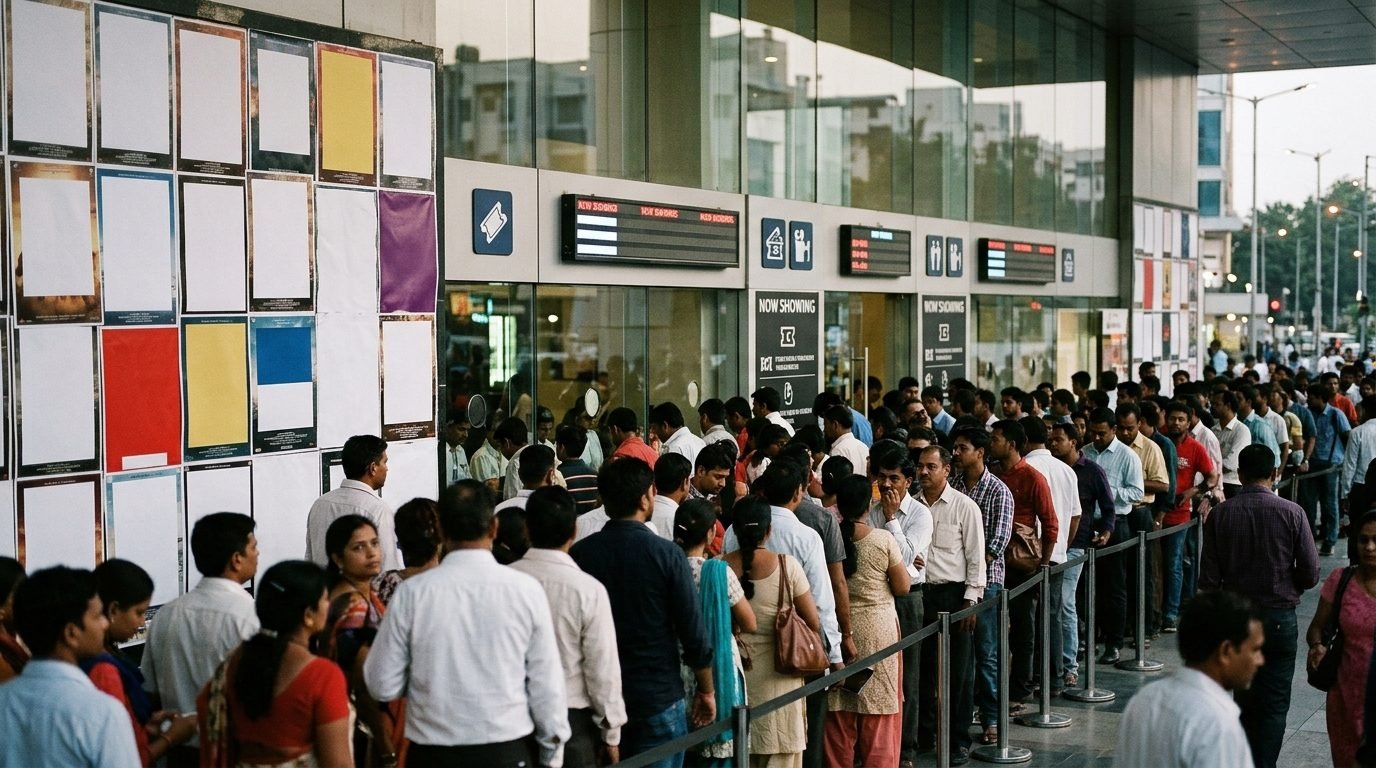
Every so often the Hindi film calendar produces a month so congested that the industry itself stops to marvel at the gridlock. June 2026 is that month. With a cluster of major releases jostling across four consecutive Fridays and a combined sum reported to be in excess of Rs 1,400 crore riding on the outcome, trade analysts have described the period as the biggest and most fiercely competitive stretch the box office has ever seen.
The numbers alone are staggering. Nine significant films are slated to arrive within a single month, an unprecedented density that has left even seasoned observers expressing a mixture of awe and alarm. What was once a comfortably spaced release schedule has become a high-stakes scramble, and the consequences of so much firepower being deployed in such a narrow window are only beginning to come into focus.
Too many films, too few screens
The fundamental problem is arithmetic. India's exhibition infrastructure, while substantial, has a finite number of screens, and when several big-budget films land within days of one another, they are forced to compete not only for audiences but for the screens on which to reach them. Trade experts have warned that this scarcity could trigger genuine screen wars, with distributors fighting over allocations and smaller titles squeezed out entirely.
The fear, articulated bluntly by industry insiders, is that the films will end up cannibalising one another. Even a strong performer can be hobbled if it cannot secure enough showings, and a crowded weekend means the available audience and screen time are sliced ever thinner. Far from lifting the overall market, the worry is that the glut could depress the collective haul as films cut into each other's business.
A reflection of the Khan-led year
The traffic jam is, in part, a symptom of a uniquely loaded year. For the first time in the better part of a decade, 2026 features films headlined by all three of Bollywood's biggest Khans, alongside a wave of other star vehicles and ambitious productions that have all converged on the post-summer window. The result is a calendar bursting at the seams, with studios reluctant to blink first and cede prime release dates.
Adding to the pressure is the presence of major Hollywood titles slated for the same period, further intensifying the competition for screens and footfall. Where local and international tentpoles collide, the squeeze on mid-sized films becomes acute, and the question of which titles hold their dates and which retreat becomes a high-stakes game of chicken played out in trade columns.
Will anyone blink?
Historically, such pile-ups resolve themselves through a flurry of last-minute date changes, as producers recalculate the risk of a head-on clash and quietly shift their films to calmer waters. Trade experts anticipate that not all nine films will ultimately hold their announced dates, and that some reshuffling is almost inevitable as the month draws nearer and the realities of screen availability set in.
Yet there is also a contrarian view. Some argue that a packed calendar reflects renewed confidence in theatrical exhibition after years of uncertainty, and that a strong slate can energise the moviegoing habit even if individual films take a hit. A rising tide, in this optimistic reading, might lift footfall overall, drawing audiences back to cinemas with the sheer abundance of choice.
- Nine major releases packed across four consecutive Fridays
- Combined stakes reported to exceed Rs 1,400 crore
- Trade experts warn of screen wars and mutual cannibalisation
- 2026 uniquely features films from all three major Khans
- Hollywood tentpoles add further pressure on screen allocation
Whether June 2026 is remembered as a triumphant celebration of theatrical cinema or a cautionary tale of overcrowding will depend on how audiences respond and how nimbly the industry manages its dates. What is certain is that the month has become a fascinating real-time experiment in the economics of exhibition, a test of just how much blockbuster ambition the market can absorb at once. For an industry that has spent recent years fretting about the health of the box office, the problem of too many big films is, at the very least, a more enviable dilemma than the alternative.
The NE Times View
This logjam is self-inflicted and entirely predictable. Indian cinema's chronic inability to coordinate release dates turns a strong slate into a zero-sum scramble, where good films die for want of screens rather than audiences. Rs 1,400 crore chasing the same Fridays is not confidence; it is collective denial. Until distributors treat the calendar as shared infrastructure, every crowded month will leave fewer survivors than the math allows.
This article is original commentary and analysis by The NE Times. Background facts were referenced from Bollywood Hungama, 123telugu, Koimoi.
You may also like to read

June 2026 Becomes Bollywood's Most Crowded Box-Office Month
A pile-up of Hindi releases across four consecutive Fridays, sharing screens with major Hollywood titles, has turned June into the year's most contested theatrical window.

Welcome To The Jungle Powers Franchise Past Rs 400 Crore Worldwide
Akshay Kumar's ensemble comedy has lifted the Welcome franchise past the Rs 400 crore worldwide mark, giving the long-running brand a fresh commercial headline as new releases crowd the box office.

Main Vaapas Aaunga Box Office: Diljit Film Crosses Rs 40 Crore
Diljit Dosanjh's Main Vaapas Aaunga has reportedly crossed Rs 40 crore worldwide after a weekend jump, keeping the Hindi release alive in trade conversation well beyond its opening frame.

Welcome to the Jungle Nears Rs 100 Crore as Alpha Joins the Fray
Akshay Kumar's comedy adventure has crossed roughly Rs 154 crore worldwide and is closing in on the Rs 100 crore domestic mark, even as the new spy-universe release Alpha reshapes the weekend box office battle.
More from this section
More
72nd National Film Awards: Fans Back Mammootty, Allu Arjun, Sai Pallavi
Speculation around the 72nd National Film Awards is intensifying as fan communities across India's language film industries champion favourites including Mammootty, Allu Arjun and Sai Pallavi ahead of any official announcement.

Aamir Khan Marries Gauri Spratt in Private Pali Hill Ceremony
Aamir Khan and Gauri Spratt tied the knot at the actor's Pali Hill home in Mumbai on July 5, turning a deliberately small family ceremony into Bollywood's biggest story of the day.

Akanksha Chamola's Lock Upp 2 Confession Sets Reality TV Abuzz
A personal revelation by Akanksha Chamola ahead of Lock Upp 2 has handed the reality show a viral talking point, underlining how confession-driven formats continue to dominate Indian television conversation.