J&K School Library Books Row: Officials Suspended, Authors Blacklisted
Jammu and Kashmir's education administration has suspended eight officials and blacklisted the authors and publishers of two school library books, turning a content controversy into a wider test of curriculum oversight and procurement checks.
The NE Times National Desk
Commentary & Analysis ·
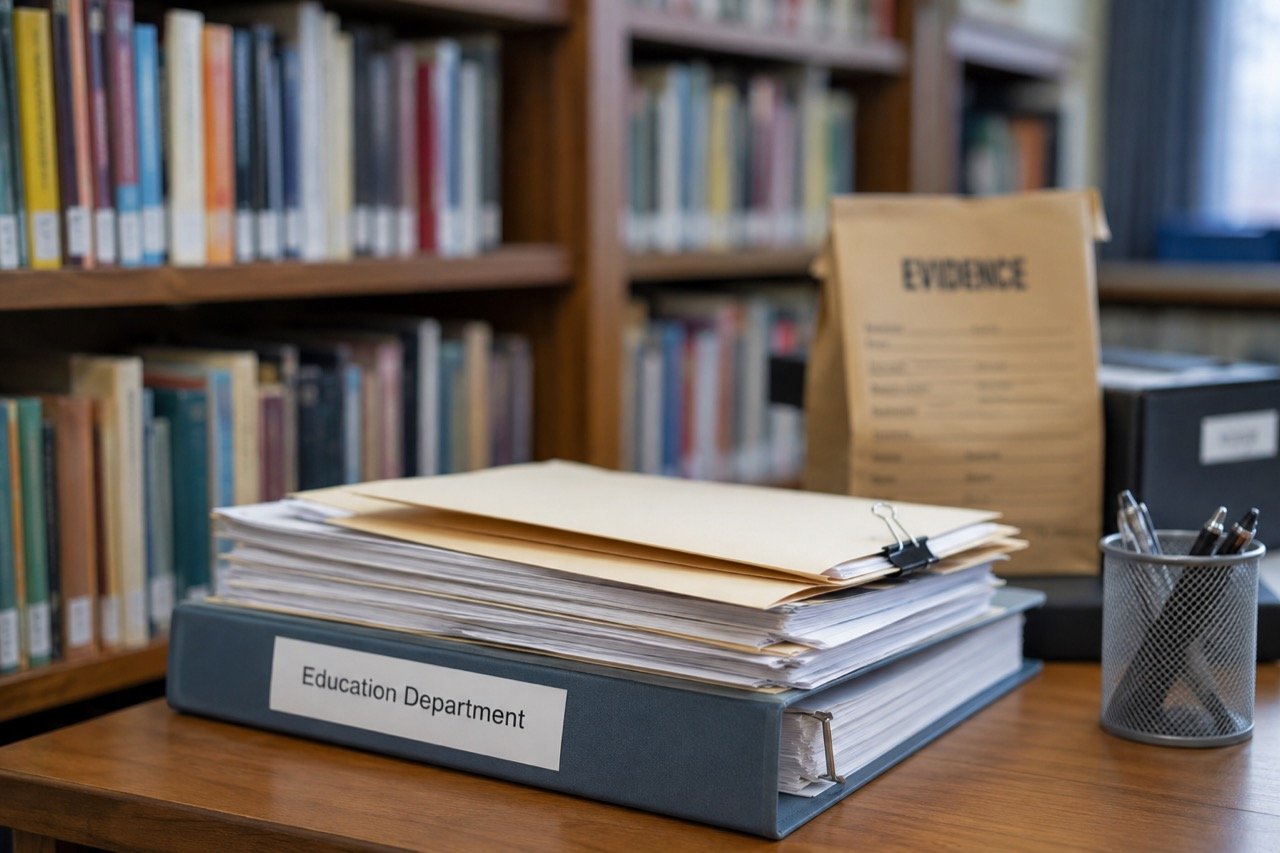
Jammu and Kashmir's education administration is under sharp scrutiny after a minister vowed strict action over two school library books that authorities allege glorify separatists. According to reporting by the Indian Express, eight officials of the school education department have already been suspended, while the authors and publishers of the books have been blacklisted and police are searching for one publisher.
What action has been taken
The administrative response has moved on two tracks. Internally, the suspensions signal that officials responsible for approving or procuring the titles are being held to account. Externally, the blacklisting of authors and publishers — backed by a police search — extends the consequences beyond the department to the supply chain that put the books on school shelves.
Why this is an oversight story
Beneath the political heat, this is fundamentally a civic and education-governance story. School libraries carry institutional endorsement: whatever sits on their shelves reaches students with the implicit approval of the state. That makes content selection, procurement checks and review systems the central questions — how were the books approved, who purchased them, and what vetting, if any, was applied before distribution.
Authorities have made allegations about the books' content, but responsibility and process failures will only be established by the ongoing inquiry. A fair reading of the episode keeps official claims attributed rather than treating them as settled conclusions, while recognising that suspensions and blacklisting are serious administrative signals in their own right.
The questions that remain
The most useful questions now are procedural: were existing vetting mechanisms followed or bypassed, which officers signed off on the purchases, and what safeguards will govern future procurement? The answers will determine whether this ends as an isolated lapse or exposes a systemic gap in how school reading material is curated across the Union Territory.
The NE Times View
The instinct to respond to a controversy with suspensions and blacklists is understandable, but it is not a substitute for fixing the system that let the books through. India's school procurement processes are often opaque, and J&K's episode shows how quickly that opacity can become a security and accountability crisis. The real measure of this government's response will be whether it publishes clear, transparent vetting rules for school libraries — not just how many officials it punishes. Students are best served by review systems that are educationally sound and legally compliant, applied consistently rather than only after headlines.
This article is original commentary and analysis by The NE Times. Background facts were referenced from Indian Express.
You may also like to read

CBSE's Gulf Class 12 Assessment Formula Explained for Overseas Indian Students
With thousands of CBSE students in the Gulf, the board's assessment formula for Class 12 has drawn fresh attention over how marks are computed for schools outside India.
India to teach AI and computational thinking from Class 3 in new school curriculum
Under a curriculum drafted for Classes 3 to 12, students will begin with logic puzzles, pattern recognition and basic algorithmic thinking from the foundational stage, with the rollout for Classes 3 to 8 set for the 2026-27 academic year.
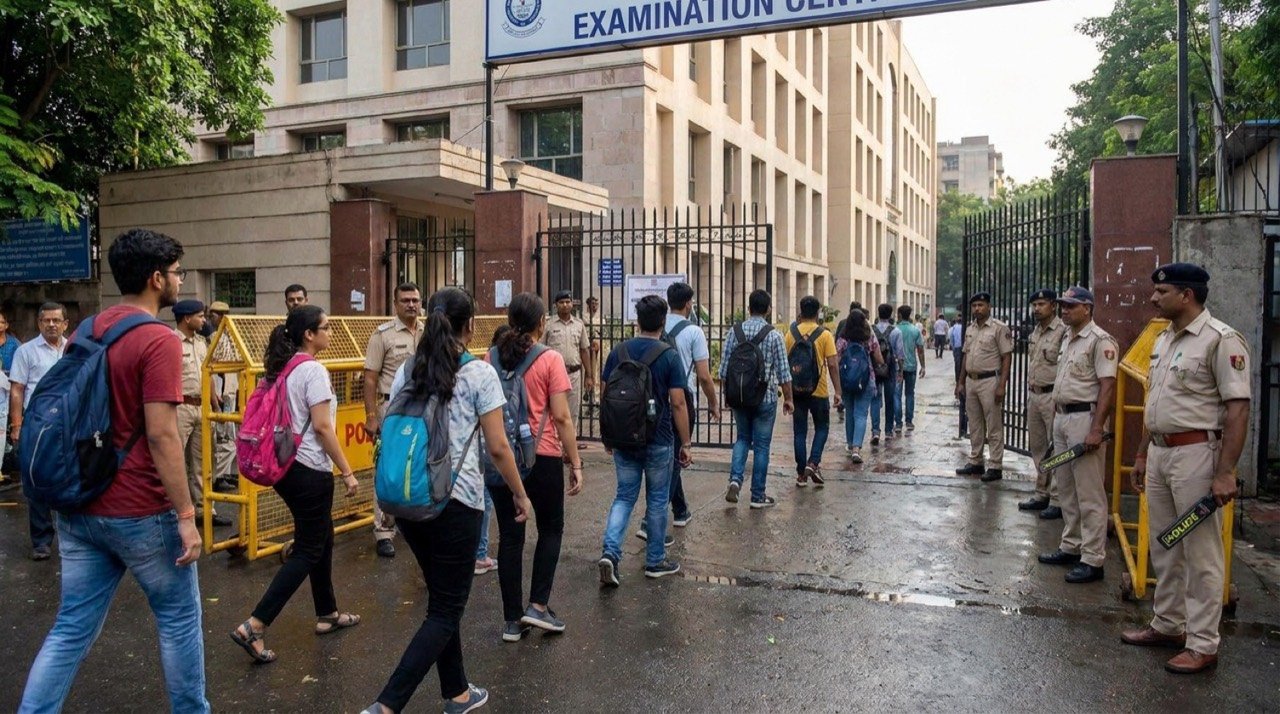
NTA Says NEET-UG 2026 Re-Exam Was Error-Free After Tight Security Checks
The National Testing Agency has declared the NEET-UG 2026 re-examination flawless, citing biometric and facial authentication, as it works to rebuild trust among lakhs of medical aspirants.
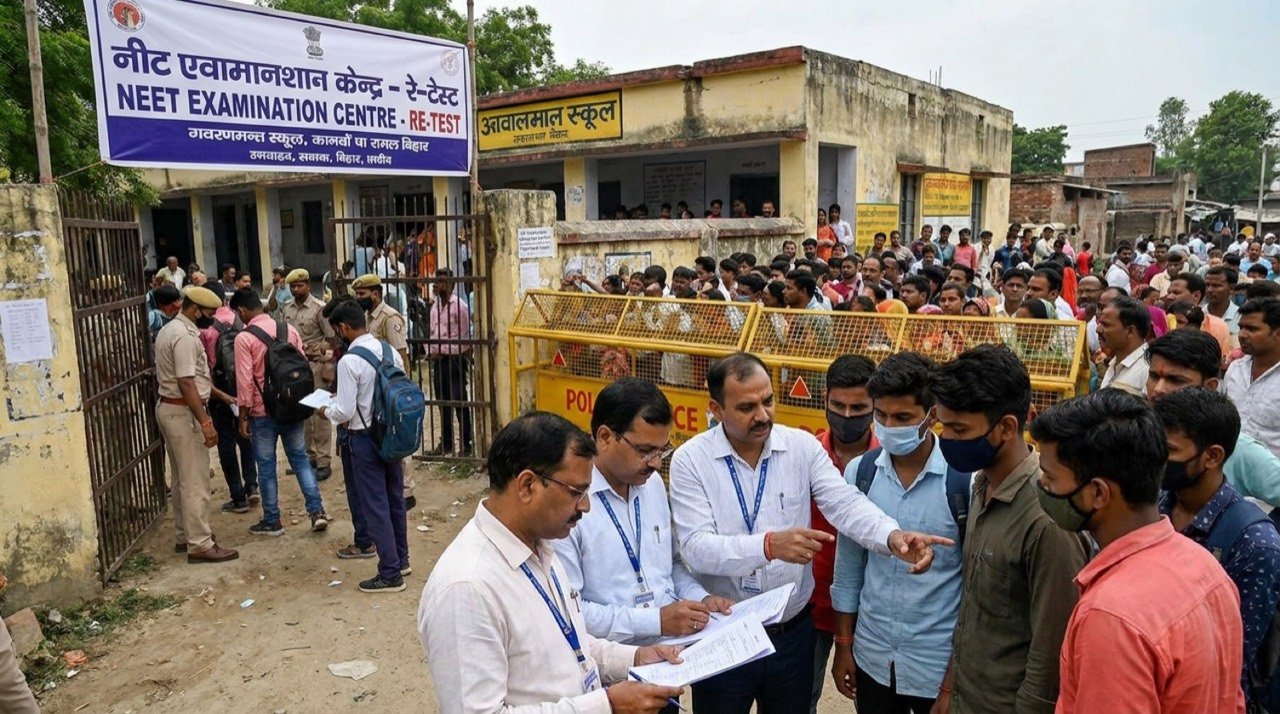
Bihar NEET Re-Test Arrests Expose Alleged Dummy Candidate Racket
Police in Bihar's Lakhisarai district have arrested 30 people over alleged impersonation during the NEET-UG 2026 re-test, citing fake Aadhaar cards and the involvement of biometric verification staff.
More from this section
More
AICTE Industry Fellowship 2026: Rs 1.5 Lakh Scheme Closes July 5
The AICTE Industry Fellowship Programme 2026, which places technical-education faculty inside leading companies on a Rs 1.5 lakh monthly stipend, reached its application deadline on July 5.
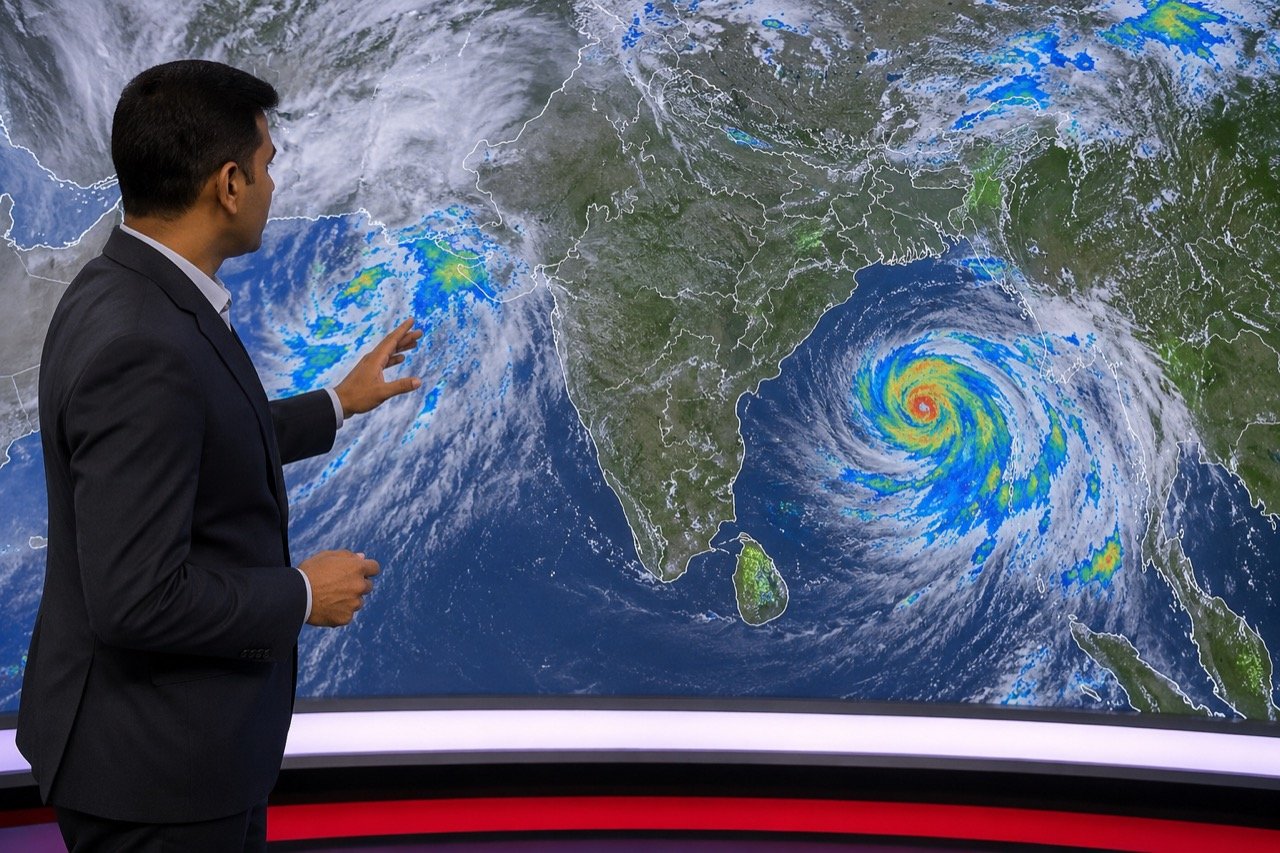
Bay of Bengal Low Pressure System Revives Monsoon Over Western India
A low-pressure system over the Bay of Bengal has pushed the monsoon back into an active phase, bringing steady heavy rain to Kerala, coastal Karnataka and Maharashtra, and putting Mumbai and Pune on preparedness watch.
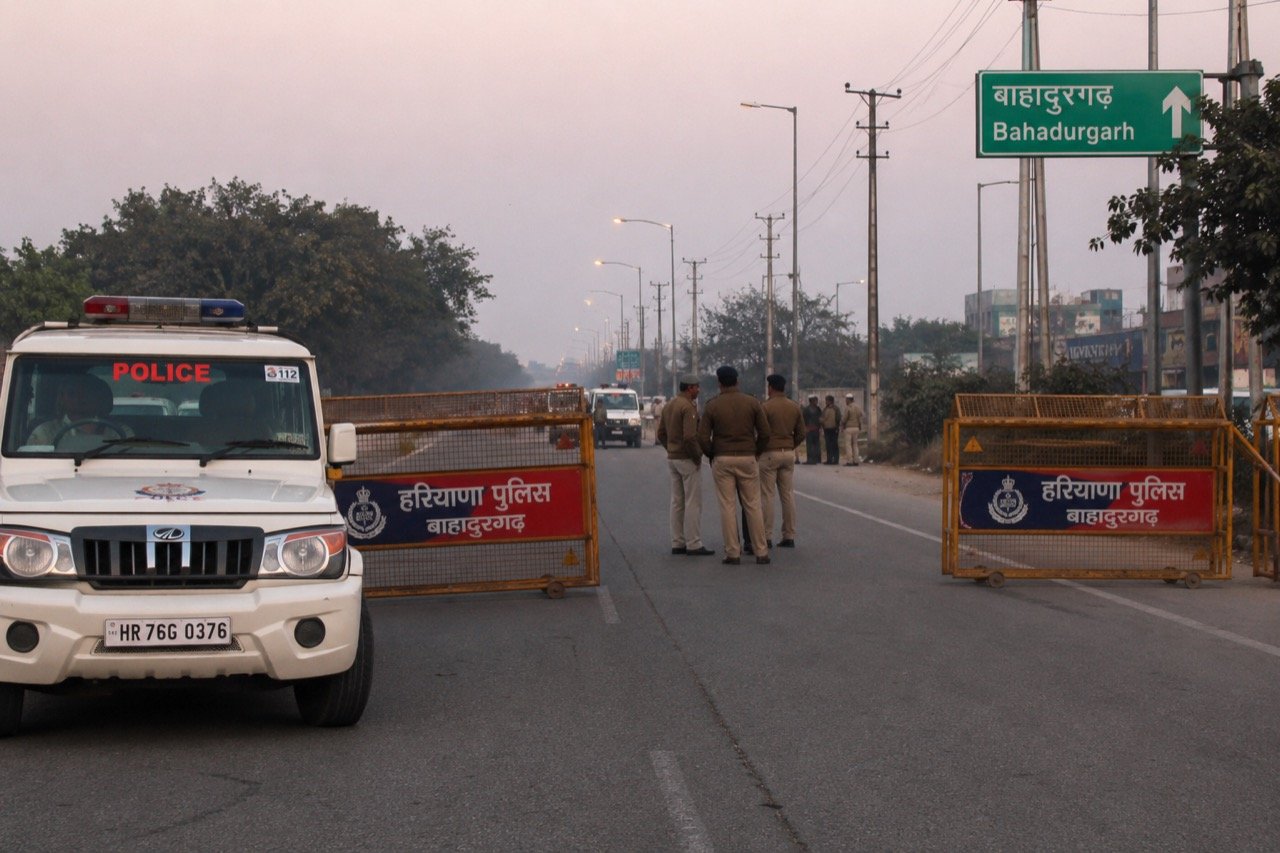
Bishnoi Gang Suspects Injured in Haryana Encounter as Police Tighten Net
A joint Haryana-Delhi Police operation in Bahadurgarh left two suspected Lawrence Bishnoi gang members injured, spotlighting the multi-state coordination now central to India's fight against organised crime networks.