ISRO Successfully Launches Next-Generation Navigation Satellite
The mission strengthens India's homegrown positioning system, with applications spanning aviation, disaster response and everyday navigation.
The NE Times Technology Desk
Commentary & Analysis ·
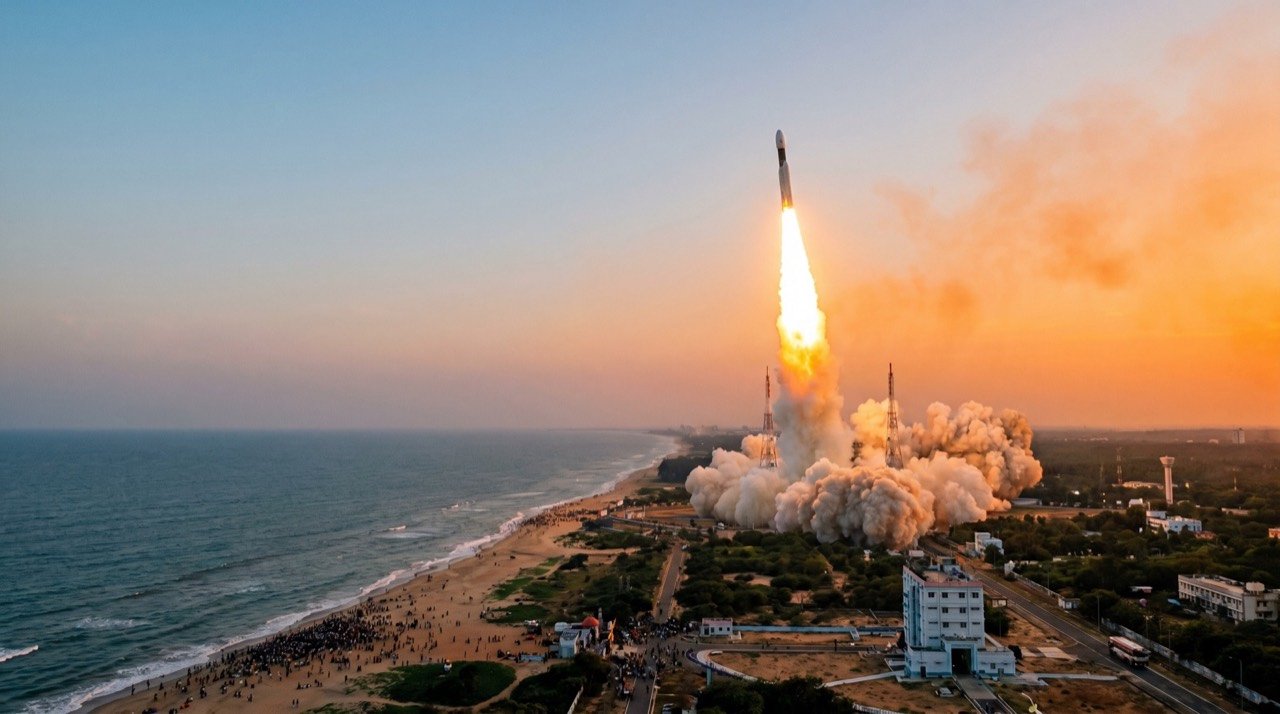
The Indian Space Research Organisation successfully placed a next-generation navigation satellite into orbit, marking another step in the country's drive to build a self-reliant positioning system independent of foreign networks. The mission adds to a steadily growing constellation designed to give India sovereign control over a capability that underpins a wide range of civilian and strategic services.
The new satellite carries upgraded payloads designed to improve accuracy and reliability across the subcontinent and surrounding waters — capabilities with direct benefits for aviation, maritime traffic, agriculture and disaster management. By strengthening a home-grown network, the launch reduces reliance on positioning signals operated by other nations, an objective that carries both practical and strategic weight.
Building India's own positioning network
The regional navigation constellation has steadily matured over the past decade, and the latest addition is expected to extend coverage and resilience. A robust constellation requires periodic replenishment as older satellites age, and each new launch helps ensure continuity of service while incorporating improvements developed in the intervening years.
Engineers described the textbook launch as a reflection of growing confidence in indigenous systems. The ability to design, build and deploy such satellites domestically represents a significant capability, one that has been cultivated through successive missions and that supports a broadening ecosystem of suppliers and specialists.
“Every launch like this brings critical services closer to home — from guiding emergency responders to powering the maps in your pocket.”
— A mission scientist
Everyday and strategic uses
Precise positioning has become woven into daily life and critical infrastructure alike. The same signals that guide navigation apps on smartphones also help aircraft and ships chart safe routes, allow farmers to manage fields more efficiently, and enable rescue teams to locate people and coordinate relief when disaster strikes.
- Aviation and maritime navigation across the region
- Disaster response and emergency coordination
- Precision applications in agriculture
- Everyday consumer mapping and location services
A widening space programme
The launch also underscores India's expanding ambitions in space, where the agency is balancing scientific missions with a fast-growing commercial launch business. Alongside exploratory and research missions, the space programme has increasingly positioned itself as a competitive provider of launch services, blending national objectives with commercial opportunity.
As the constellation grows and the agency takes on more varied work, observers will watch how India sustains the reliability of its navigation services while pursuing larger scientific and commercial goals — a balancing act that this latest, smoothly executed mission suggests it is managing with confidence.
The NE Times View
Strengthening NavIC is strategically shrewd: relying on foreign positioning systems for aviation, disaster response and defence is a vulnerability no serious power should accept. The harder challenge is downstream adoption, getting Indian chipsets, phones and devices to actually use the system at scale. ISRO has proven it can launch; the unfinished mission is building the commercial ecosystem so this homegrown capability becomes part of everyday life, not just an orbital asset.
You may also like to read
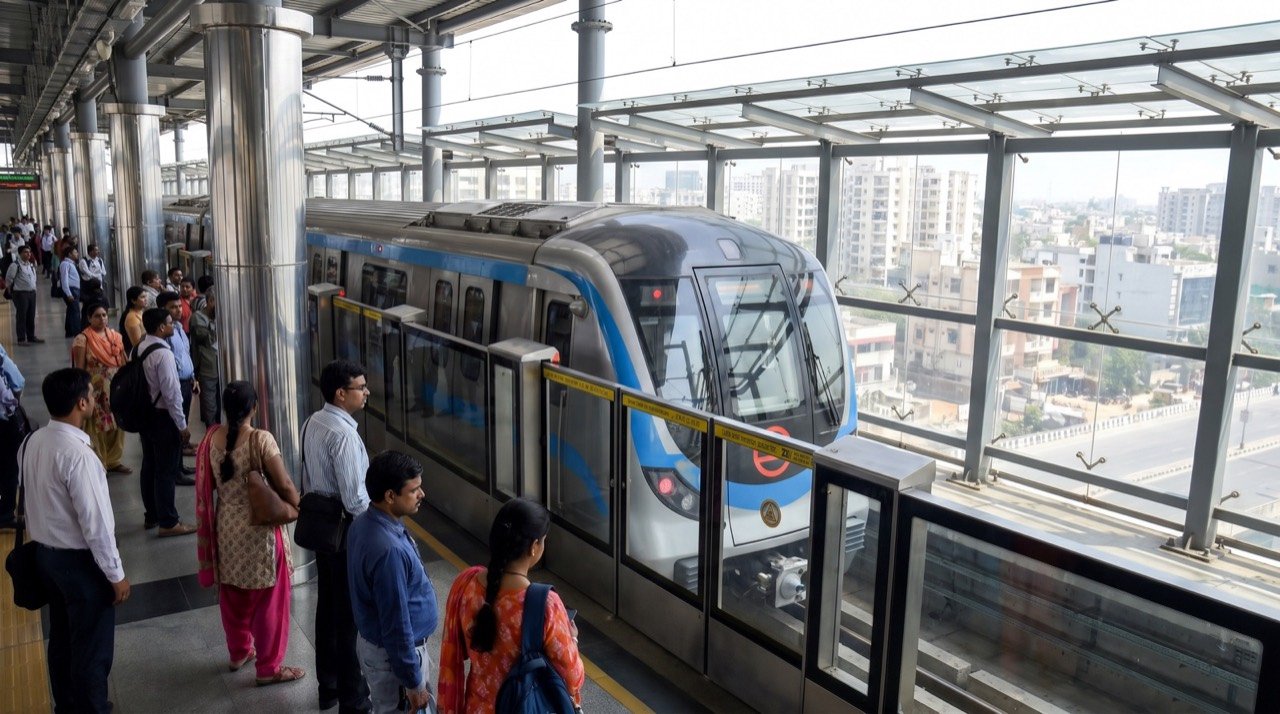
ISRO Lines Up Uncrewed Gaganyaan Test Flights Ahead of 2027 Crewed Mission
The space agency has detailed a packed schedule of uncrewed missions for 2026, including the debut Gaganyaan flight carrying the humanoid robot Vyommitra, as it prepares for India's first human spaceflight.
ISRO Pushes Toward First Uncrewed Gaganyaan Flight With Humanoid Vyommitra Aboard
ISRO has confirmed that flight integration for its first uncrewed Gaganyaan mission is underway, with the humanoid robot Vyommitra set to ride an LVM3 rocket ahead of a crewed launch in 2027.
India Backs Homegrown Space Tech With First Technology Adoption Fund Grants
Space regulator IN-SPACe has picked TakeMe2Space, SatSure and Astrobase for its maiden funding round, spotlighting an AI-powered star tracker built in Hyderabad.
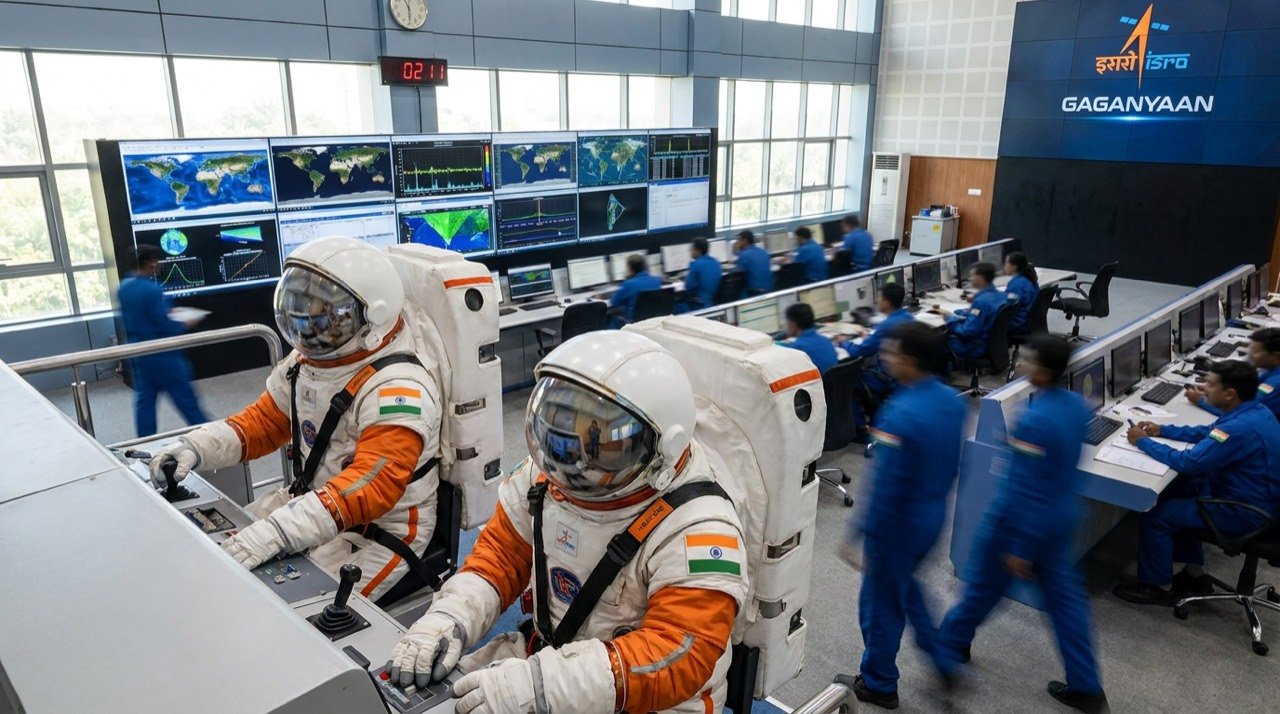
India and ESA Deepen Human Spaceflight Ties, Eye Joint Work on Space Station
ISRO and the European Space Agency are advancing cooperation on human spaceflight, astronaut training and lunar science, opening the door to European involvement in the planned Bharatiya Antariksh Station.
More from this section
More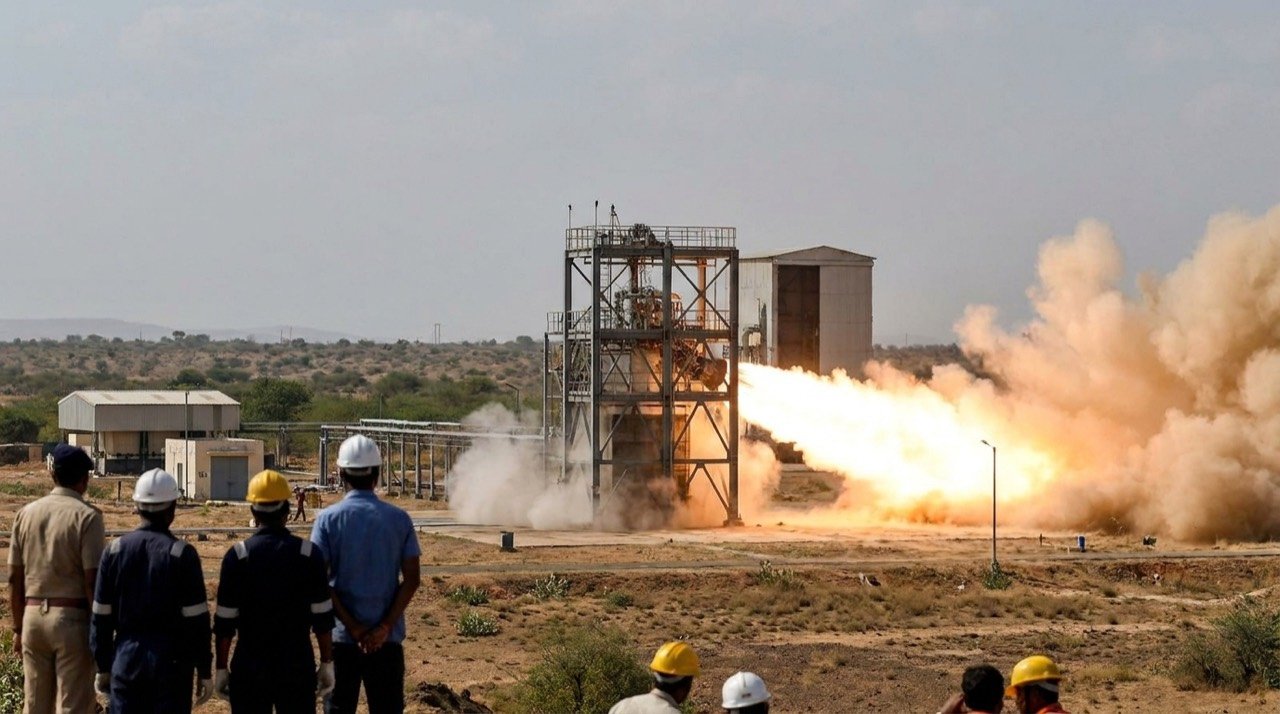
ISRO Fires Semi-Cryogenic Engine Power Head at 175 Tonnes in Landmark Hot Test
ISRO successfully ran its indigenous semi-cryogenic engine power head at 175 tonnes of thrust, clearing a key hurdle toward powering the LVM3 upgrade and the Next Generation Launch Vehicle.
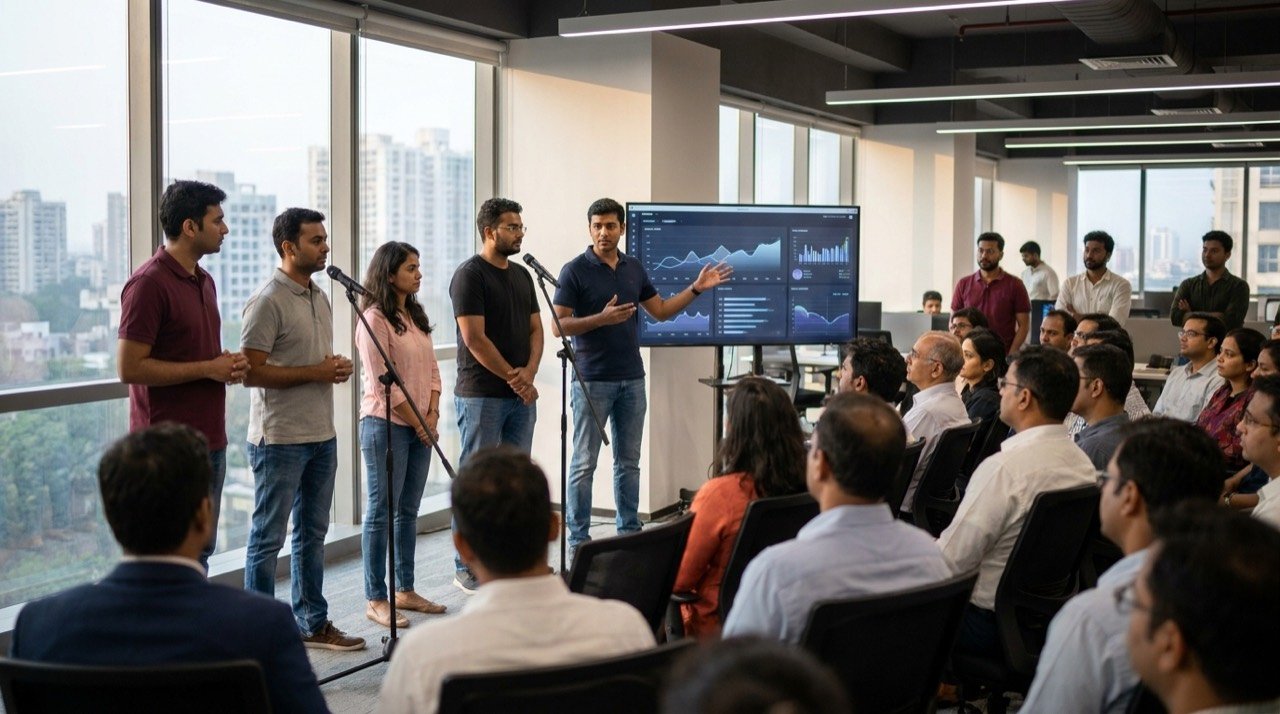
India Tech Funding Climbs to $7.2 Billion in H1 2026 Even as Deal Count Slumps
Indian tech startups raised $7.2 billion in the first half of 2026, up 12 per cent year-on-year, but the number of funding rounds fell sharply as capital concentrated in a handful of mega-deals.
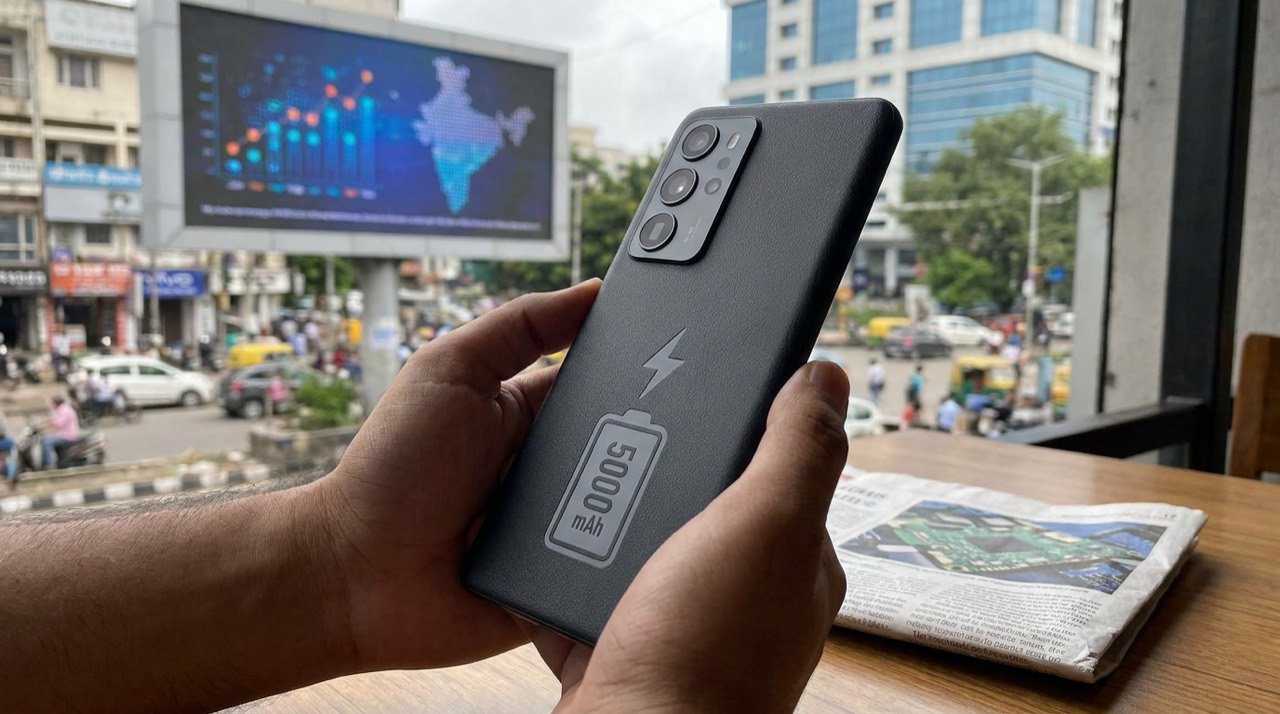
OnePlus N6 Headlines a Crowded End-June Gadget Calendar in India
The OnePlus N6, with its 8,000mAh battery and sub-Rs 25,000 price tag, leads a busy late-June run of smartphone launches in India spanning OnePlus, Oppo and Samsung.