ISRO clears three Gaganyaan qualification tests, readying the crew module for splashdown before launch
India's Supreme Court imposed Rs 3 lakh costs on Samay Raina, Ranveer Allahbadia and Ashish Chanchlani after finding non-compliance with directions in a disability-related case.
Commentary & Analysis ·

Verified key facts
- ISRO announced on 12 July 2026 the completion of three major qualification tests for the Gaganyaan crew module
- The Crew Module Uprighting System was qualified to right a capsule that settles inverted after sea splashdown
- The crew module-service module connect-and-disconnect system was validated for clean separation before re-entry
- The apex cover protecting the parachute compartment withstood loads 1.75 times expected flight conditions
- The uncrewed G1 flight carrying the Vyommitra robot is expected around late 2026, with the crewed mission planned for 2027
Three tests, one message
The Indian Space Research Organisation announced on 12 July 2026 that it has completed three major qualification tests for the Gaganyaan crew module. The Week reported that the tests covered the systems that right the capsule after splashdown, separate it from its service module, and protect its parachutes during descent.
None of the three is glamorous hardware, yet all three are survival-critical. Together they close out a set of qualification milestones on the recovery end of the mission, the phase that begins when the capsule hits the water and the crew waits for rescue.
The programme's timeline has shifted repeatedly as ISRO added uncrewed rehearsal flights and expanded ground testing. Each completed qualification test now removes one more reason for further slippage.
Righting a capsule that lands upside down
The first test qualified the Crew Module Uprighting System. A returning capsule can settle inverted in the sea, an orientation astronauts cannot safely wait in. Inflatable bags mounted on the module push it upright, keeping the hatch and antennas clear of the water, according to The Week.
The test verified the behaviour of the primary flotation unit in righting the capsule. In operational terms, the system buys time: a stable, upright module keeps the crew safe and reachable while recovery ships close in.
The Register reported that recovery hardware is now ready even though the launch itself remains some distance away. It summarised the sequencing as a mission ready for splashdown, but not yet for lift-off. Recovery systems are qualified early precisely because they must also protect crews in abort scenarios.
Clean separation and a tougher-than-needed cover
The second test validated the connect-and-disconnect mechanism between the crew module and the service module. The umbilical linking the two must sever cleanly before atmospheric re-entry. A hung connection at that moment would threaten the capsule's structural stability, The Week reported.
The third milestone was structural qualification of the apex cover, the shield protecting the parachute compartment during flight. Testing confirmed the cover withstands loads 1.75 times greater than expected flight conditions.
Margins of that order are conventional for human-rated systems. Hardware certified well beyond predicted loads gives engineers confidence against the uncertainty of re-entry dynamics, where real conditions vary with trajectory, sea state and winds. It is what separates crewed hardware from satellite-grade equipment.
Where Gaganyaan actually stands
ISRO has now logged more than 8,000 ground tests across the programme, according to The Week. The first uncrewed orbital flight, designated G1, is expected around late 2026. It will carry Vyommitra, a half-humanoid robot that will occupy a crew seat and report on the conditions a human would face.
Two further uncrewed missions, G2 and G3, follow before any astronaut flies. The first crewed mission, H1, is currently planned for 2027 with four selected astronauts, Indian Masterminds reported in its overview of ISRO's 2026 manifest.
The cadence reflects a deliberate choice. ISRO has opted to qualify every recovery and abort system before committing to a crewed launch date, rather than flying earlier with open items. The Register characterised this as safety-led sequencing, accepted at the cost of schedule.
Why recovery hardware comes first
Human spaceflight programmes are judged by their worst day, not their best. Abort scenarios end in a sea recovery whether the failure occurs on the pad or during ascent. That makes flotation, uprighting and parachute protection the systems that must work in every branch of the mission tree.
Qualified recovery hardware also unlocks full-dress rehearsals at sea with flight-representative modules. Those joint exercises with recovery vessels are a precondition for any crewed attempt, and they can now proceed on qualified equipment.
There is a sequencing logic to which systems were tested together. Uprighting, umbilical separation and the apex cover sit on three different legs of the same journey home: one protects the parachutes on the way down, one frees the capsule to re-enter at all, and one keeps the crew safe once the water phase begins. Qualifying them as a set means the entire descent-and-recovery chain is now certified end to end.
The stakes for 2026 and 2027
- Crew Module Uprighting System qualified for inverted splashdown recovery
- Crew module-service module disconnect system validated for re-entry
- Apex cover qualified at 1.75 times expected flight loads
- Uncrewed G1 flight with Vyommitra targeted around late 2026
- Crewed H1 mission planned for 2027
The G1 flight is the hinge. A clean uncrewed mission validates the integrated stack, from the human-rated launcher through orbit to recovery. Problems found on G1 are cheap; the same problems found with crew aboard are not. The 2027 crewed date holds only if G1 flies on time and flies well.
Gaganyaan also runs alongside a crowded ISRO manifest for 2026 that includes Earth observation launches such as the GISAT-2 geo-imaging satellite, according to published launch schedules. Holding the human spaceflight timeline while flying the rest of the portfolio is the organisation's real capacity test.
Watch three markers over the next two quarters: integration of the G1 crew module with its service module, checkout of the full stack, and announcement of a firm launch window. ISRO has tended to announce Gaganyaan dates only when hardware is visibly ready.
Sources
- The Week - Is Gaganyaan mission getting closer to launch? ISRO says three crucial tests completed (14 July 2026)
- The Register - India's crewed space mission is ready for splashdown, but not launch (14 July 2026)
- Indian Masterminds - ISRO 2026 missions: Gaganyaan uncrewed flight, Oceansat-3A and quantum tech demo (2026)
You may also like to read
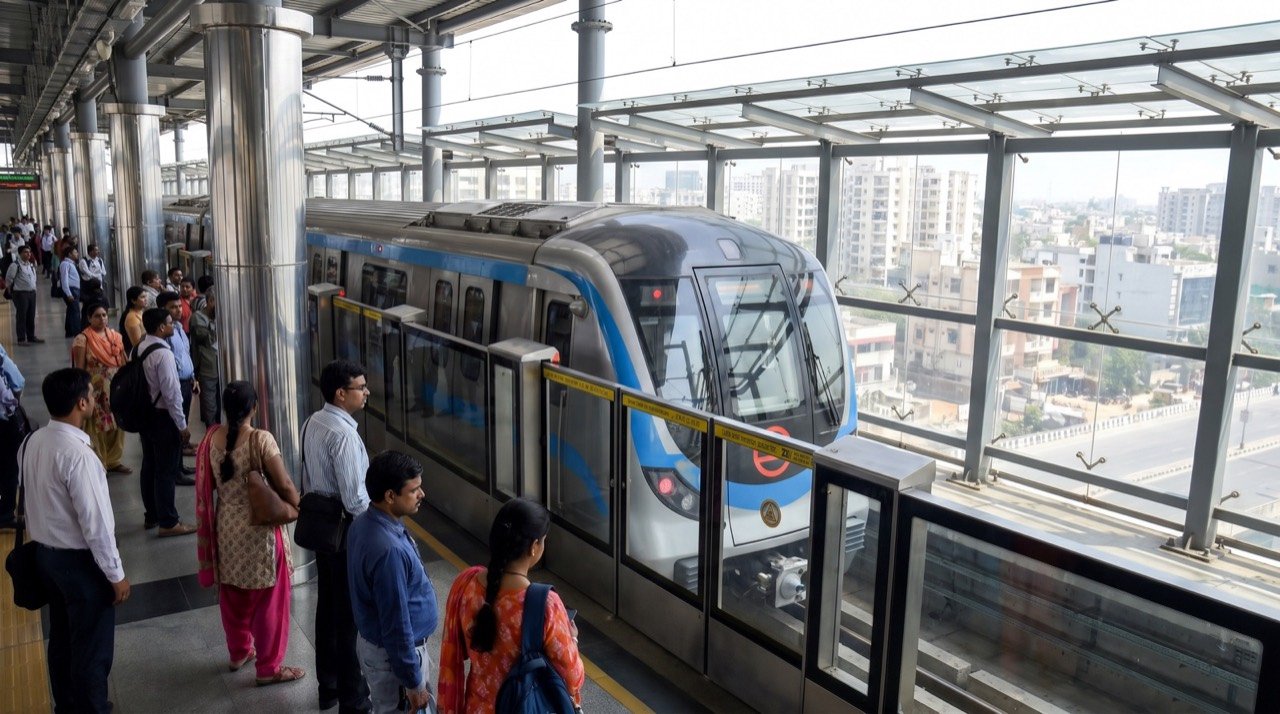
ISRO Lines Up Uncrewed Gaganyaan Test Flights Ahead of 2027 Crewed Mission
The space agency has detailed a packed schedule of uncrewed missions for 2026, including the debut Gaganyaan flight carrying the humanoid robot Vyommitra, as it prepares for India's first human spaceflight.
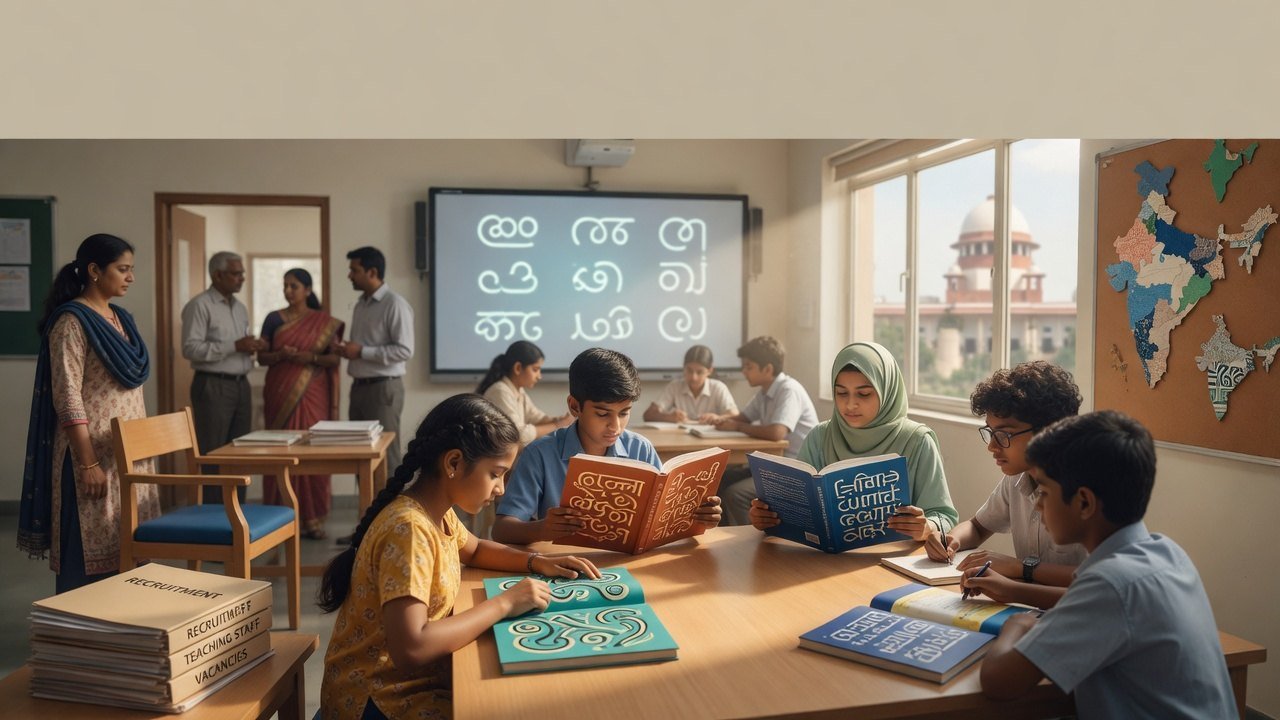
CBSE Three-Language Policy Reaches Supreme Court as Schools, Parents and Teachers Raise Practical Concerns
The Supreme Court is hearing challenges to CBSE's Class 9 three-language policy, balancing multilingual education with concerns over teachers, books, choice and implementation timelines.
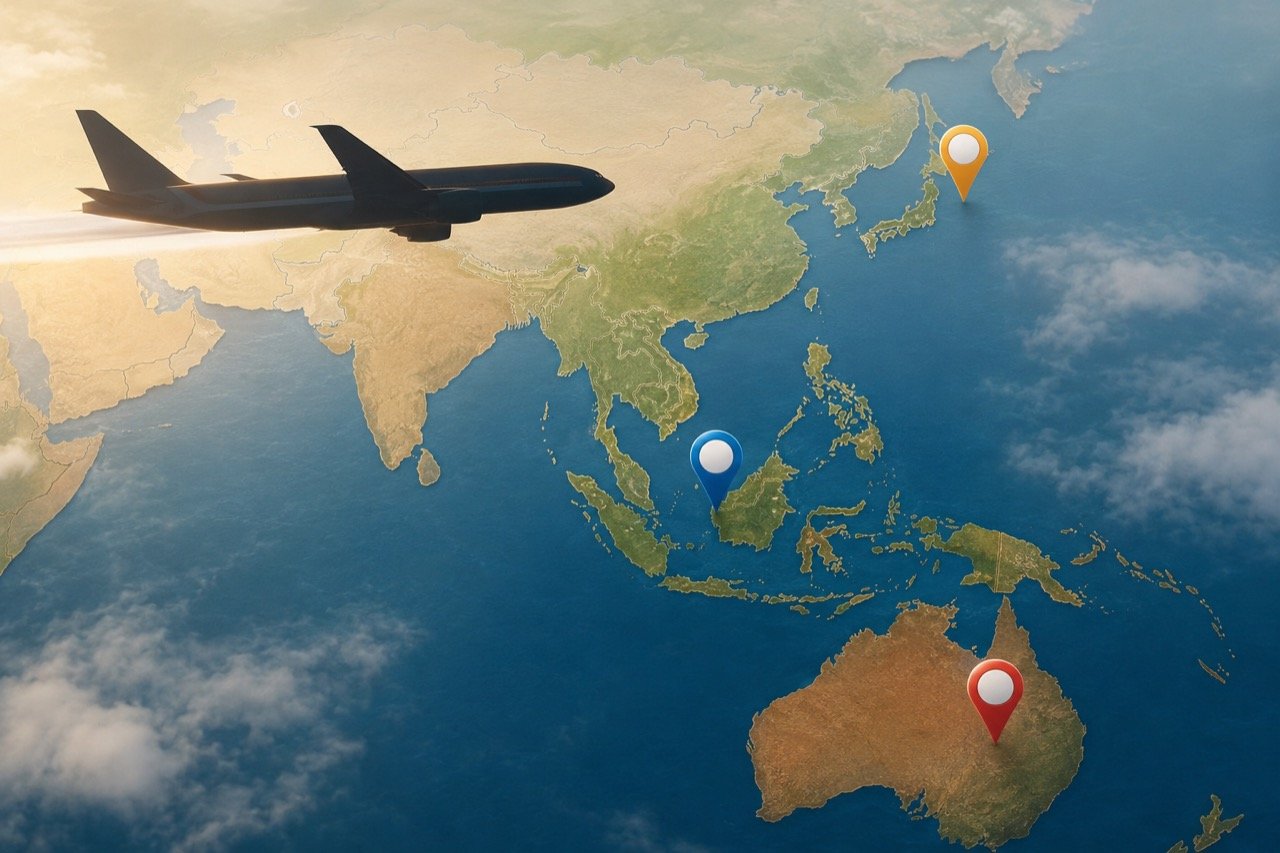
PM Modi Begins Three-Nation Indo-Pacific Tour on July 6
Prime Minister Narendra Modi travels to Indonesia, Australia and New Zealand from July 6 to 11 in a trip New Delhi frames as a concerted push to deepen India's strategic footprint across the Indo-Pacific.
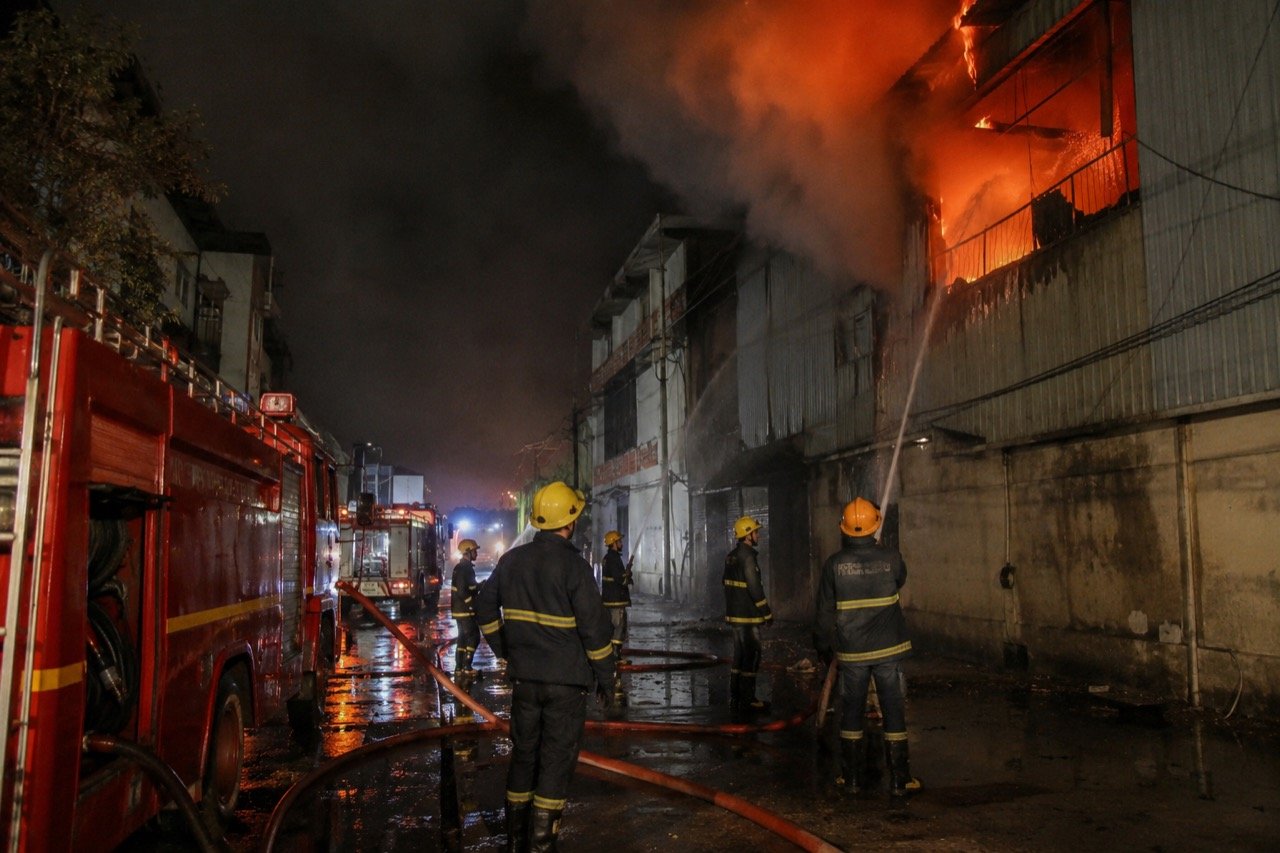
Delhi Factory Fire in Chandan Hola Tests Early-Morning Response
A factory fire reported near a Punjab National Bank branch in Delhi's Chandan Hola area around 2 AM on July 5 has renewed attention on industrial safety and the city's overnight emergency response.