AIFF Signs Off On Club-Led Model For ISL 2026-27, Season To Kick Off September 4
The All India Football Federation has agreed in principle to a two-year, club-led model for the Indian Super League, ending months of uncertainty over the top tier's future.
Commentary & Analysis ·
Indian football has stepped back from the brink. After months of stalemate that left the country's top division frozen and players, coaches and fans in limbo, the All India Football Federation has agreed in principle to a club-led model for running the Indian Super League, clearing the way for the 2026-27 season to kick off on September 4.
What was agreed
AIFF officials confirmed that the federation and the league's stakeholders had settled on a two-year arrangement in which the clubs take a far greater share of responsibility for running the competition. The deputy secretary general told reporters that a final agreement would be formally signed and announced, ending a hiatus that had effectively put the ISL on hold and triggered sharp criticism of the way Indian football has been governed.
The breakthrough matters because the deadlock had begun to bleed into the careers of footballers, with contracts, transfers and pre-season planning all stuck while administrators argued over structure and money. A defined start date gives every party a calendar to work towards at last.
A fuller calendar returns
The 2026-27 ISL is expected to run as a full seven-month season with 14 teams playing home and away, restoring the home-and-away rhythm that fans value and that broadcasters need. The Durand Cup, Indian football's traditional curtain-raiser, is slated for the window between June 25 and July 25, giving clubs competitive minutes before the league proper begins.
- ISL 2026-27 to kick off on September 4 under a two-year club-led model
- Fourteen clubs to play a full home-and-away season across roughly seven months
- Durand Cup pencilled in between June 25 and July 25 as a pre-season test
- Women's football season framed to run from June 2026 to May 2027
- Second transfer window to open in January 2027
Why the model shift matters
The club-led template hands franchises more autonomy over how the league is operated, a structural change that supporters argue will sharpen commercial incentives and accountability. Sceptics counter that two years is a short runway and that the federation must still resolve longer-term questions about revenue sharing, promotion and relegation, and the health of the wider pyramid below the ISL.
“A confirmed start date is the single most important thing we needed; players can finally plan their seasons instead of waiting for news.”
— An ISL club official, speaking to reporters
For now, the relief is tangible. With a kickoff date locked and a competition format restored, clubs can reopen recruitment, fans can mark calendars, and Indian football can turn its attention back to the pitch after a damaging spell of off-field paralysis.
The NE Times View
Ending the limbo over the ISL's future is itself a relief, and a club-led model could finally give Indian football the ownership and accountability it has lacked. But two years is a short runway, and 'in principle' agreements have a habit of unravelling over money. The kickoff date matters less than whether clubs invest in grassroots rather than just survival.
This article is original commentary and analysis by The NE Times. Background facts were referenced from The Times of India and Outlook India.
You may also like to read
AIFF Weighs 'Football Federation of Bharat' Rebrand, Reopening Governance Debate
A reported proposal to rename the All India Football Federation as the Football Federation of Bharat has revived a wider debate over identity, FIFA recognition and the sport's pressing reform priorities.
FIFA World Cup 2026: Dramatic Group Finales as Mexico, Morocco Seal Knockout Spots on Matchday 14
Groups A, B and C reached their conclusions on 24 June with Mexico maintaining a perfect record, Morocco edging a six-goal thriller, and goalkeeper Guillermo Ochoa making World Cup history.

Germany Hammer Curacao 7-1 in Record-Breaking World Cup Romp
Kai Havertz struck twice as Julian Nagelsmann's four-time champions overwhelmed the smallest nation ever to reach the finals, with the Caribbean debutants taking one historic consolation.
World Cup debutants Cape Verde stun Spain with goalless draw in Atlanta
The European champions hammered 27 shots at goal but could not break down the islanders, whose 40-year-old goalkeeper Vozinha produced seven saves to earn the nation its first point at a World Cup.
More from this section
More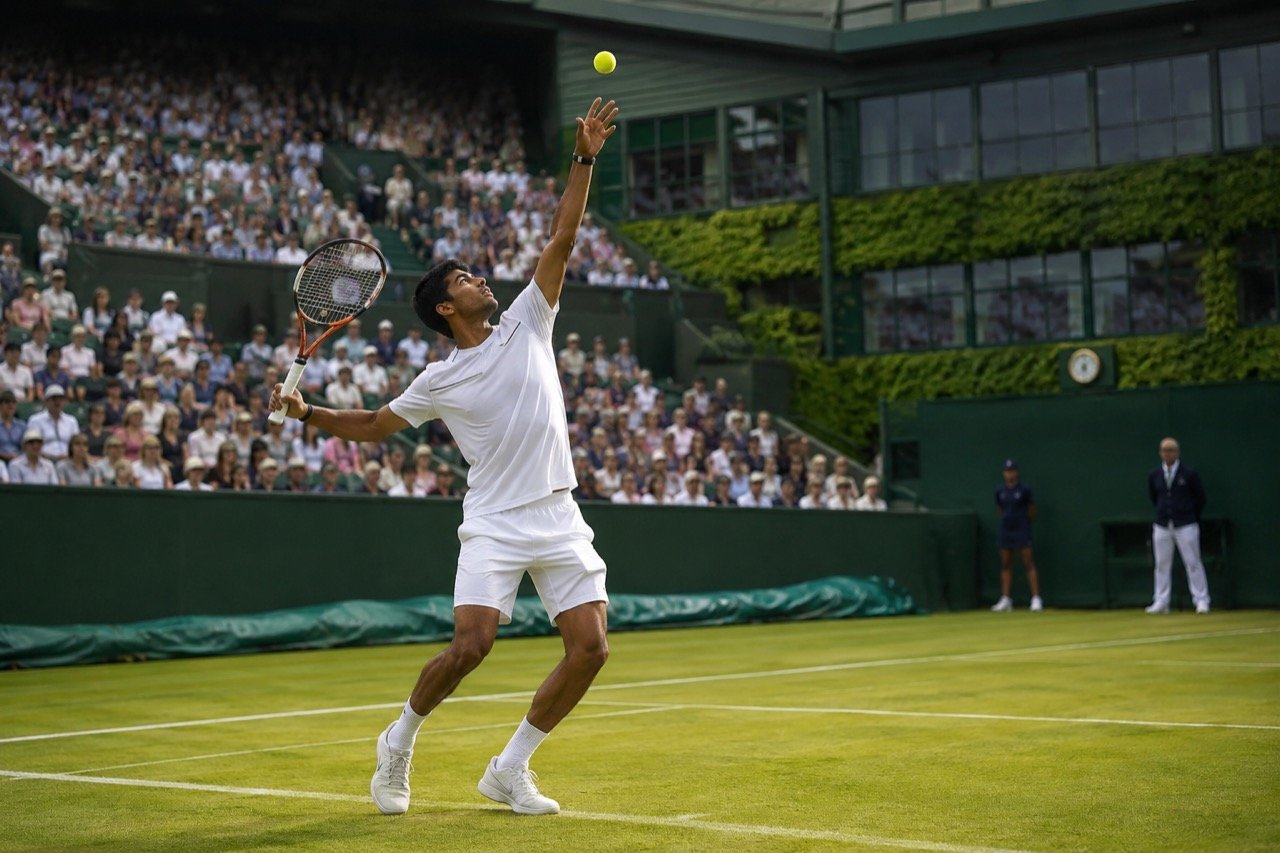
Arnav Paparkar Advances at Wimbledon Boys' Singles in Boost for India
Indian junior Arnav Paparkar has moved into the second round of the Wimbledon boys' singles with a commanding serving display, handing Indian tennis a rare and encouraging grass-court result at the sport's biggest stage.
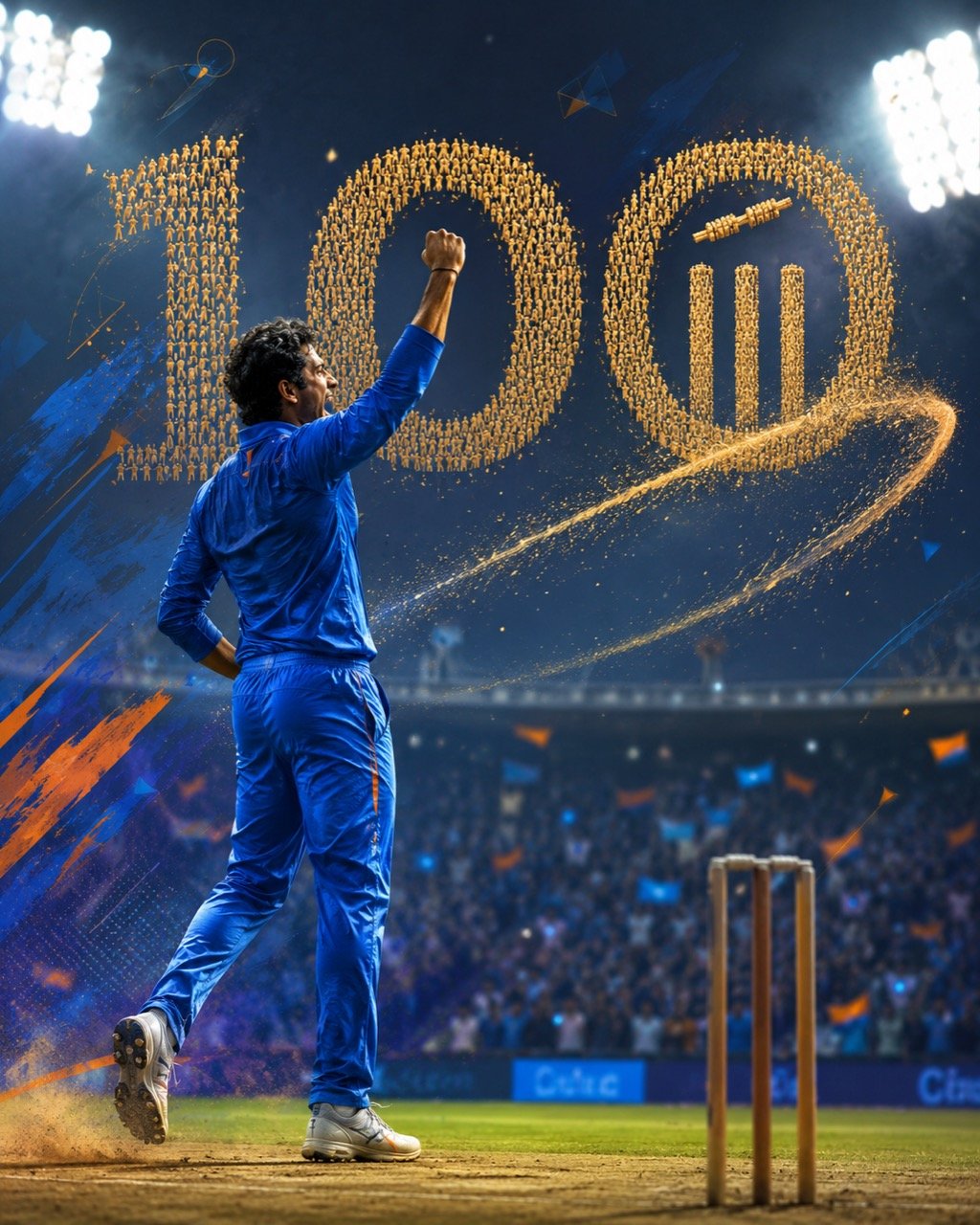
Axar Patel Becomes First Indian Spinner With 100 T20I Wickets
Axar Patel reached 100 T20 international wickets in the second T20I against England, becoming the first Indian spinner to hit the mark and cementing his standing as one of India's most durable white-ball performers.
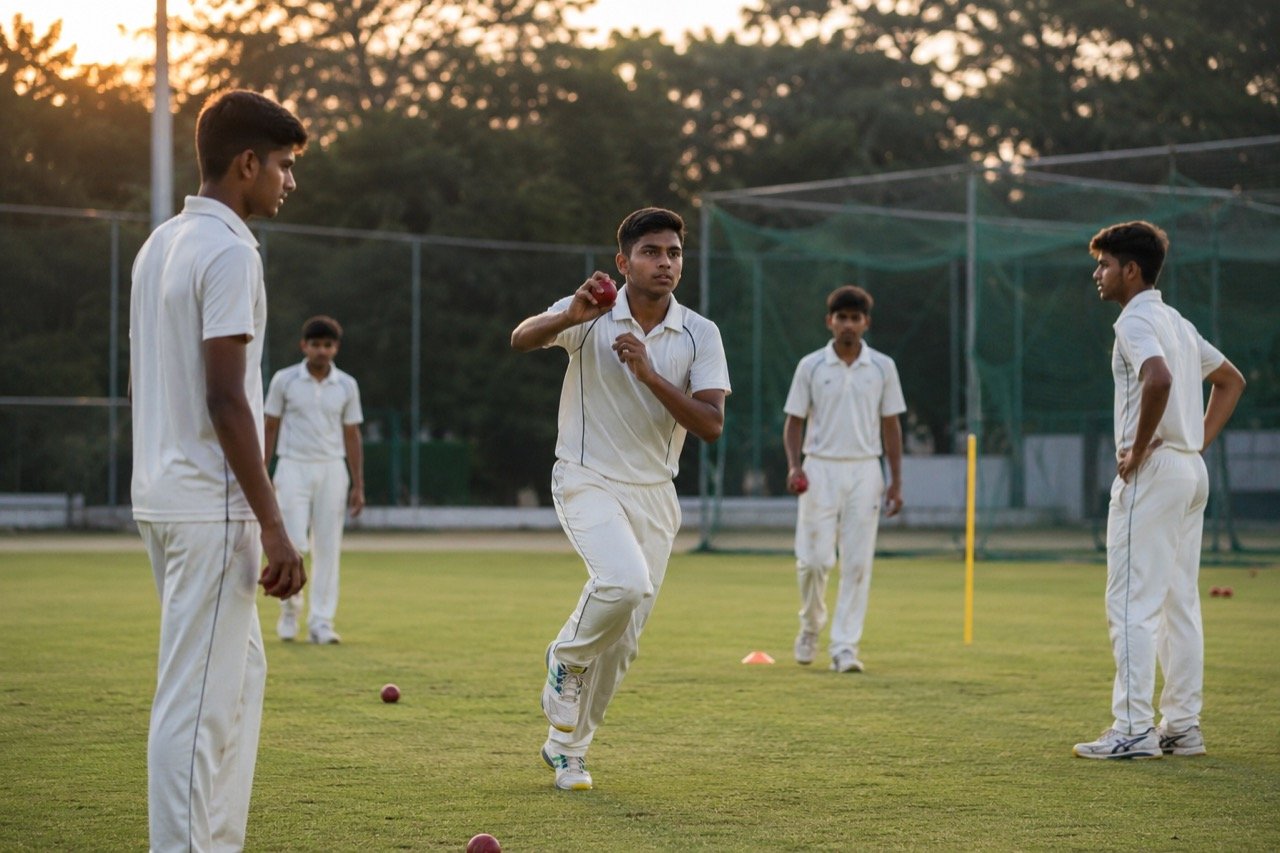
BCCI Emerging Men's Tournament to Hunt Test Prospects in Bengaluru
The BCCI's red-ball Emerging Men's Tournament, running at the Centre of Excellence in Bengaluru through July, is designed to give selectors a longer, harder look at India's next generation of Test cricketers.